Willus Infra

Author name: dinesh

Cold Storage Facilities
Uncategorized

Key Benefits of Using Cold Storage Facilities for Perishable Goods

Perishable goods need safe and proper storage. Items like fruits, vegetables, milk products, meat and medicines can spoil very fast if they are not kept at the right temperature. This is why Cold Storage facilities are very important today. Many industries now depend on Cold Storage facilities to keep their goods fresh and safe. These storage systems help in slowing down spoilage.  They also help in better planning of supply and demand. Good storage is not only about safety. It also helps in smooth business operations and better control of stock. It makes handling of goods easier at every stage. How Cold Storage Facilities Help Preserve Perishable Goods? Longer Shelf Life of Products One key benefit of Cold Storage facilities is longer shelf life. When goods are stored at the correct temperature they stay fresh for more time. This helps in keeping products usable for a longer period. For example, fruits and vegetables can stay fresh for many days when stored well. Without Cold Storage facilities these items can spoil quickly. This leads to loss for farmers and sellers. With proper storage, businesses can sell goods at the right time. It also helps in better use of stock without hurry. Reduction in Food Waste Food waste is a big problem. Many food items get damaged before reaching the market. Cold Storage facilities help in reducing this waste by keeping goods safe. They allow farmers and suppliers to store extra goods during high production time. These goods can be sold later when needed. With the help of Cold Storage facilities, less food gets wasted. This also helps in saving money and improving supply. It supports better use of resources and reduces loss at different levels. Maintains Product Quality Quality is very important for all products. Cold Storage facilities help in keeping the quality of goods the same for a longer time. Correct temperature keeps the taste, texture and nutrients of food safe. Medicines also stay effective when stored properly. Without Cold Storage facilities, products can lose their quality very fast. This can lead to damage, rejection and loss of trust. Good storage helps businesses deliver safe and fresh products every time. Supports Efficient Supply Chain A strong supply chain needs good storage support. Cold Storage facilities help in storing goods until they are ready for transport or sale. This is helpful when there are delays in delivery or changes in demand. With Cold Storage facilities, goods can stay safe until they are needed. This helps in smooth movement of products from one place to another. It also improves coordination between suppliers and sellers and reduces pressure during busy times. Availability of Seasonal Products Some products are only available in certain seasons. But people need them throughout the year. Cold Storage facilities help in storing these goods for later use. Farmers can store their crops after harvest and sell them slowly in the market. This ensures steady supply. Cold Storage facilities also help in keeping prices stable. It prevents sudden drops in price during high supply and avoids shortage when production is low. This helps both farmers and buyers. Cost Efficiency Over Time Setting up storage may need investment at the start. But it helps in saving money over time. Businesses face less loss and manage stock better. Modern Cold Storage Construction uses better materials and systems that save energy. This reduces running costs. With proper use, Cold Storage facilities help in long term savings. It also reduces the need to buy goods again due to spoilage. This improves overall business profit and reduces unwanted expenses. Useful for Multiple Industries Many industries use Cold Storage facilities for safe storage of goods. These systems are useful in different sectors where temperature control is needed. Agriculture uses them for fruits and vegetables Dairy uses them for milk and products Pharma uses them for medicines Seafood uses them for storage and transport This shows that Cold Storage facilities are important for many businesses. They help in safe storage and smooth supply across industries of different sizes. Supports Business Growth Businesses that use proper storage systems can grow easily. Cold Storage facilities help in handling large amounts of goods without damage. They also help businesses enter new markets. Goods can be stored and transported safely over long distances. With Cold Storage facilities, businesses can plan better and grow with confidence. It also helps in building strong customer trust and improving service quality over time. Ensures Safety and Compliance There are rules for storing food and medical products. Cold Storage facilities help businesses follow these rules easily. They provide safe and controlled storage conditions. This reduces the risk of damage and contamination. Proper use of Cold Storage facilities ensures that products meet safety standards. It also helps during inspections and builds trust with customers and authorities. Safe storage is important for long term success. Conclusion The need for proper storage is increasing every day. Cold Storage facilities help in reducing waste, keeping quality and supporting smooth supply. They are important for all businesses that deal with perishable goods. For strong and reliable storage systems, working with a trusted PEB Building Manufacturer in India is important.  Our team at Willus Infrastructure can support the development of modern and efficient cold storage solutions for different business needs with the right planning and design. Frequently Asked Questions  What are Cold Storage facilities used for? Cold Storage facilities are used to store perishable goods like fruits, vegetables, dairy, meat and medicines. They keep products at low temperatures to prevent spoilage and maintain quality longer. How do Cold Storage facilities help reduce food waste? Cold Storage facilities slow down spoilage by controlling temperature. This helps store excess food safely and allows businesses to sell products later instead of losing them due to damage. Which industries need Cold Storage facilities the most? Industries like agriculture, dairy, pharmaceuticals, seafood and food processing need Cold Storage facilities. These industries handle perishable goods that require proper temperature control to maintain safety and quality. Are Cold

Uncategorized

Why High Span Industrial Facilities Are Now Built Around a Steel Roof Building?

Industrial construction has changed a lot in recent years. Factories, warehouses and logistics centres now need larger spaces than before. Machines are bigger, storage systems are taller and movement inside the building must be smooth and open. Because of these needs, many developers now choose a Steel Roof Building when planning high span industrial structures. A Steel Roof Building provides wide open areas without too many columns. This design makes the building more useful for large operations. It also helps companies use their space better. Today, many modern industrial projects are designed around this type of structure. Below are some important reasons why high span industrial facilities are now built around a Steel Roof Building. Why Many High Span Industrial Facilities Use a Steel Roof Building Today? Large Open Space for Industrial Work One of the biggest benefits of a Steel Roof Building is the ability to create large open spaces. High span buildings often need wide areas without many internal supports. When fewer columns are used the floor area becomes easier to use. Heavy machines, storage racks and transport equipment can move freely inside the building. Because of this, a Steel Roof Building is a good option for warehouses, factories and large production facilities where open space is very important. Strong Structural Support Industrial buildings must handle heavy loads. Machines, stored goods and equipment all add weight to the structure. For this reason, strength is very important in construction. A Steel Roof Building is designed to handle these loads effectively. Steel frames provide strong support for wide spans and large roof systems. Engineers work carefully to design beams, columns and roof structures that remain stable under different conditions. With proper design and engineering, a Steel Roof Building can remain strong and reliable for many years. Faster Construction Process Speed is often an important factor in industrial projects. Businesses usually want their facilities ready as soon as possible so operations can begin. A Steel Roof Building can often be constructed faster than many traditional structures. Many steel parts are produced in advance and then transported to the construction site. Once these parts arrive the structure can be assembled quickly. This reduces construction time and helps companies start using their buildings sooner. Because of this advantage, many developers now prefer a Steel Roof Building when planning large industrial facilities. Efficient Use of Building Height High span buildings are designed to make use of vertical space as well as floor space. Warehouses often use tall storage systems that require strong roof support. A Steel Roof Building allows engineers to create higher roof structures without losing stability. This helps businesses install taller racks and storage units. With better use of vertical space, companies can store more goods inside the same building area. This makes the Steel Roof Building a practical choice for modern storage facilities. Lower Maintenance Requirements Maintenance is an important concern for any industrial building. Companies prefer structures that remain stable and require less repair over time. A Steel Roof Building usually requires less maintenance compared to many traditional materials. Steel is resistant to pests such as termites and does not suffer from problems like cracking or decay. Protective coatings are often applied to steel surfaces to prevent rust and corrosion. With proper care, a Steel Roof Building can remain in good condition for many years. Support from Experienced Fabricators The quality of construction depends greatly on the expertise of the companies involved in the project. Skilled professionals ensure that every part of the structure is designed and fabricated correctly. Experienced Steel Structure Manufacturers provide high quality components that meet engineering standards. Accurate fabrication ensures that beams, columns and roof systems fit together properly during construction. This precision improves the overall strength and reliability of a Steel Roof Building. Flexibility for Future Expansion Industrial businesses often grow over time. Production capacity increases, storage requirements expand and new equipment may be added. A Steel Roof Building provides flexibility for expansion. Additional sections can often be added to the structure without major changes to the original design. This flexibility makes the building suitable for companies that expect future growth. It also reduces the need for completely new construction when business operations expand. Weather Resistance and Durability Industrial buildings must perform well in different environmental conditions. Strong winds, heavy rain and temperature changes can affect poorly designed structures. A properly engineered Steel Roof Building can handle these conditions effectively. Steel structures provide strength and stability against environmental stress. With proper protective coatings and good construction practices, a Steel Roof Building can remain durable and reliable for a long time. Conclusion Modern industrial facilities require large, efficient and durable structures. Wide spans, open interiors and strong roof systems are now essential for factories and warehouses. Because of these needs, many developers choose a Steel Roof Building when planning high span industrial spaces. This type of structure offers strong support, faster construction and better use of space for large operations. Willus Infrastructure helps businesses build reliable industrial structures designed for modern needs. We have a strong engineering and advanced materials like Roof Cladding, which provide durability and efficiency for long term industrial use.

Metal Steel Building
Uncategorized

Important Factors to Consider Before Investing in a Metal Steel Building

A Metal Steel Building is widely used for warehouses, factories and storage spaces. Many companies choose steel buildings because they are strong and can be built faster than many traditional structures. Steel buildings also last for many years when they are planned and built properly. However, before investing in a Metal Steel Building, it is important to understand a few basic points. Good planning helps reduce mistakes and ensures that the building works well for a long time. The following factors are useful to study before starting a project. Key Things to Check Before Investing in a Metal Steel Building Purpose of the Building The first thing to understand is the purpose of the building. A Metal Steel Building can be used for different business activities. These may include manufacturing, storage, packaging or logistics operations. Each purpose requires a different type of building layout. For example, a warehouse needs wide open space for storing goods. A factory may need strong support for machines and equipment. When the purpose of the Metal Steel Building is clearly defined, it becomes easier to design the structure in the right way. Location of the Project The location of the project is another important factor. The land where the Metal Steel Building will be constructed must be checked carefully. Engineers usually study the soil strength before construction begins. They also check drainage conditions and ground stability. These checks help in deciding the type of foundation required. Weather conditions must also be considered. Areas with strong winds, heavy rain or high temperatures need stronger structural planning. A proper study of the site helps ensure that the Metal Steel Building remains stable and safe. Strength of the Structure The strength of the structure is one of the most important parts of the project. A Metal Steel Building must be designed to handle loads from equipment, stored materials and environmental forces. Engineers calculate the size and thickness of beams, columns and roof supports. Accurate fabrication is also very important. Experienced Steel Structure Manufacturers help produce strong steel components that meet safety standards. A strong design helps the Metal Steel Building remain reliable for many years. Quality of Materials Material quality has a direct effect on the life of the building. The steel used in a Metal Steel Building must be strong and suitable for construction. High quality steel helps prevent damage and increases the life of the structure. Protective coatings are also applied to steel surfaces. These coatings help prevent rust and corrosion. Other materials such as roof sheets, wall panels and insulation systems must also meet proper standards. Good materials help ensure that the Metal Steel Building stays in good condition for a long time. Construction Time Construction speed is another reason many companies choose a Metal Steel Building. Steel parts are often manufactured before they arrive at the construction site. These ready made parts are then assembled at the site. This process helps reduce construction time. It also reduces the chances of delays caused by weather or labour issues. Because of this method, a Metal Steel Building can usually be completed faster than many traditional buildings. Cost Planning Cost planning is an important step before starting the project. The total cost of a Metal Steel Building depends on the size of the structure the design and the materials used. Other costs may include foundation work, insulation, roofing systems and interior arrangements. Careful budgeting helps avoid financial problems during construction. Although the initial cost may vary, a Metal Steel Building often provides long term savings because it requires less maintenance compared to other structures. Future Expansion Businesses often grow over time. Storage needs may increase and production units may require more space. For this reason, it is helpful to plan for future expansion. One advantage of a Metal Steel Building is that additional sections can be added later. The design allows for easier expansion without rebuilding the entire structure. This flexibility makes a Metal Steel Building a practical option for businesses that plan to grow in the future. Weather Protection Buildings must be able to handle different weather conditions. A well designed Metal Steel Building can resist strong winds, heavy rain and high temperatures. Protective coatings and proper roofing systems help protect the structure from weather damage. Steel buildings also do not suffer from termite damage, which can affect wooden structures. When designed correctly, a Metal Steel Building can remain strong and stable for many years. Conclusion Investing in a building requires careful planning. Important factors such as purpose, location, structural strength, material quality and project cost should always be studied before starting construction. A properly designed Metal Steel Building can provide durable and efficient space for many industrial and commercial activities. With the right planning and construction approach these buildings can serve businesses for many years. Companies that specialise in modern steel construction like Willus Infrastructure. We help businesses build reliable industrial structures. As a trusted PEB Building Manufacturer in India the company provides strong and efficient steel building solutions for different industrial needs.

Warehouse Cladding
Uncategorized

Why Modern Industrial Buildings Are Adopting Advanced Warehouse Cladding Systems?

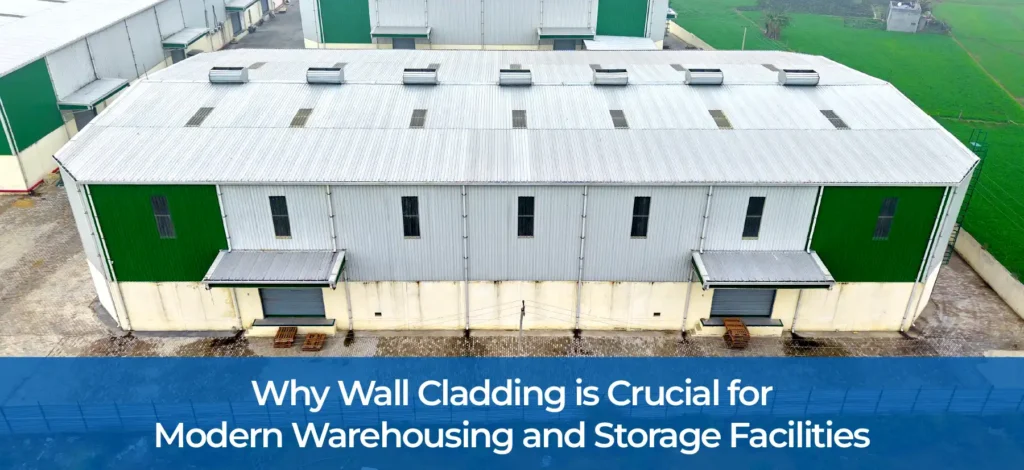
Industrial buildings today must be strong, safe and easy to maintain. Warehouses store large amounts of goods, machines and equipment. Because of this the outer structure of the building must protect everything inside. One way builders do this is by using Warehouse Cladding. Cladding is the outer covering of a building. It is placed on the outside walls to protect the structure from weather and damage. Many modern warehouses now use strong and advanced Warehouse Cladding systems to improve safety, durability and building life. Below are some simple reasons why many modern industrial buildings now use Warehouse Cladding. Protection from Rain, Wind and Sun Industrial buildings face many weather conditions every year. Rain, strong winds, heat and dust can affect the outer walls of a building. A strong Warehouse Cladding system protects the walls from these conditions. It prevents rainwater from entering the building and reduces damage caused by strong winds. It also protects the structure from strong sunlight. Over time this protection helps the building stay strong and safe. Because of this, many warehouses now depend on Warehouse Cladding for long term protection. Stronger Industrial Structures Warehouses often hold heavy goods and equipment. Forklifts, machines and storage racks are used daily inside these buildings. For this reason the structure of the building must remain strong. Warehouse Cladding adds an extra layer of support to the building walls. When the outer walls are properly covered the building frame remains protected from damage. In many industrial buildings, wall systems work together with steel frames and Roof Cladding to keep the structure stable and secure. This makes the building stronger and safer for daily operations. Better Temperature Control Large warehouses can become very hot or very cold depending on the weather outside. This can affect workers, machines and stored materials. A good Warehouse Cladding system helps control the temperature inside the building. Many cladding panels include insulation materials that reduce heat coming from outside. This helps keep the inside environment more comfortable. Businesses may also spend less money on cooling or heating systems when Warehouse Cladding is installed properly. Faster Construction Time is very important when building industrial facilities. Companies usually want their warehouses ready as soon as possible so business operations can begin. Modern Warehouse Cladding panels are often manufactured before they arrive at the construction site. These panels are ready to install when construction begins. Workers can attach the panels quickly to the building frame. Because of this, buildings using Warehouse Cladding can often be completed faster than traditional construction. This helps businesses start using their warehouses sooner. Lower Maintenance Needs Maintenance costs can increase if a building is not protected properly. Damaged walls, water leaks or corrosion can create problems over time. Modern Warehouse Cladding systems are designed to reduce these issues. The materials used in cladding panels are strong and resistant to rust and weather damage. Because of this, warehouses with Warehouse Cladding usually require fewer repairs. This helps businesses save time and maintenance expenses. Clean and Professional Appearance Industrial buildings also need to look organised and professional. A well maintained building creates a positive impression for clients, visitors and business partners. Modern Warehouse Cladding panels provide a clean and uniform appearance for the building exterior. The panels are available in different colours and finishes. When installed properly, Warehouse Cladding gives the warehouse a neat and structured look. This improves the overall appearance of the industrial facility. Flexible Design Options Different industries have different warehouse needs. Some warehouses require tall walls, while others need special ventilation or insulation. Modern Warehouse Cladding systems provide flexibility in design. Builders can choose different panel sizes and materials depending on the project. This flexibility allows engineers to design warehouses that match specific business needs. Because of this, Warehouse Cladding can be used for many types of industrial buildings. Long Lasting Building Protection Industrial buildings are long term investments. Developers want structures that remain strong for many years without major problems. Advanced Warehouse Cladding systems are designed to last for a long time. They protect the building from moisture, dust and environmental damage. When installed properly, Warehouse Cladding can help maintain the strength of the building for many years. This makes it a reliable solution for modern industrial construction. Conclusion Modern warehouses require strong and reliable construction methods. Protection from weather, improved strength and lower maintenance are important factors in industrial building design. Because of these benefits, many developers now use advanced Warehouse Cladding systems when building modern warehouses and storage facilities. These systems help improve durability, efficiency and building life. Willus Infrastructure supports businesses in building strong and reliable industrial facilities. We are the trusted PEB Building Manufacturer in India providing durable warehouse building solutions designed for long term performance.

Pre Engineered Building Suppliers
Uncategorized

What Developers Should Know Before Hiring Pre Engineered Building Suppliers?

Many factories, warehouses and storage buildings today are made with pre engineered building systems. These buildings are strong, quick to build and easy to maintain. Because of these benefits, many developers choose to work with Pre Engineered Building Suppliers when planning industrial projects. Nonetheless, choosing the right supplier is very important. The quality of the building, the speed of construction and the overall cost can depend on the supplier you choose. For this reason, developers should study several points before selecting Pre Engineered Building Suppliers. Below are some important things every developer should know before making this decision. Important Points Developers Should Know Before Hiring Pre Engineered Building Suppliers Understand the Purpose of the Building The first step is to clearly understand why the building is needed. Some buildings are used as warehouses. Some are used for factories. Others may be used for storage or logistics work. The design of the building depends on its purpose. The height of the structure, the span of the roof and the floor space must match the needs of the business. Good Pre Engineered Building Suppliers usually ask detailed questions about the project before starting the design. This helps them plan the building in the right way. Check the Experience of the Supplier Experience is very important in construction work. Developers should always check the past work of Pre Engineered Building Suppliers before hiring them. Suppliers who have completed many projects usually understand the challenges of industrial construction. They know how to handle design issues, material planning and project timelines. Experienced Pre Engineered Building Suppliers are also better at solving problems during construction. This helps ensure the project runs smoothly. Study the Quality of Materials The strength of the building depends on the quality of the materials used. Steel sections, roof sheets and wall panels must be made with good quality standards. Developers should always ask about the materials used by Pre Engineered Building Suppliers. Strong materials help the building last longer and reduce repair work later. Many trusted Pre Engineered Buildings Manufacturers in India follow strict quality checks during the manufacturing process. This helps ensure that each part of the building is strong and reliable. Review the Design and Engineering Support Design and engineering support are very important when building large industrial structures. A building must be designed carefully so that it can handle loads and weather conditions. Professional Pre Engineered Building Suppliers usually have a team of engineers who prepare detailed drawings and structural plans. These plans include information about beams, columns, roof systems and load capacity. Good design ensures that the building remains safe and stable. Working with skilled Pre Engineered Building Suppliers helps developers avoid structural problems in the future. Look at the Manufacturing Process Pre engineered buildings are usually made in factories before they are assembled at the site. Steel parts are cut, shaped and prepared in production plants. Before hiring Pre Engineered Building Suppliers, developers should check their manufacturing facilities. Modern equipment and proper production systems help create accurate building parts. When the components are manufactured properly the installation process becomes easier and faster. Reliable Pre Engineered Building Suppliers maintain good production standards. Discuss Construction Time Time is an important factor in any construction project. Many businesses want their buildings ready as soon as possible so they can begin operations. One advantage of working with Pre Engineered Building Suppliers is faster construction. Since many parts are prepared before reaching the site the building can be assembled quickly. Developers should discuss project timelines clearly with Pre Engineered Building Suppliers before starting the work. Proper planning helps reduce delays. Plan the Project Budget Carefully Budget planning is another important step. Developers should understand the total cost of the project before selecting Pre Engineered Building Suppliers. The total cost usually includes design work, steel fabrication, transportation and installation. Clear pricing helps developers manage their finances properly. Good Pre Engineered Building Suppliers provide clear cost estimates and explain all project expenses. This helps avoid confusion later. Think About Future Expansion Many industrial businesses grow over time. Warehouses may need more storage space and factories may add new machines. Developers should think about future expansion while planning the building. A well designed structure can be extended later without major changes. Experienced Pre Engineered Building Suppliers usually plan the design in a way that allows easy expansion when required. Conclusion Choosing the right supplier is an important step in any industrial construction project. Developers should carefully study the experience, materials, design capability and project planning of Pre Engineered Building Suppliers before making a decision. Working with reliable professionals helps ensure that the building is strong, safe and completed on time. Willus Infrastructure provides support to developers in building efficient industrial structures. As a trusted PEB Building Manufacturer in India, we help create durable buildings that meet modern industrial needs.

PEB Building Lifespan
Uncategorized

The Role of Climate Resilience in Determining PEB Building Lifespan Across India

India has many weather conditions. Some places are very hot. Some have heavy rains. Other areas are near the sea and have salty air. In the north there is winter with cold and fog. Buildings in different parts of the country face different weather. Because of this, buildings must be made in a way that they can stay strong for many years. This is called climate resilience. When buildings are made using proper materials and good design they last longer. The  PEB Building Lifespan depends a lot on how well the building can handle the weather of that place. If the building is not made to face heat, rain, wind or salt, it will get weak very fast. That is why climate matters in construction. How Climate Affects the PEB Building Lifespan in India? India’s Climate Zones and Their Impact on PEB Buildings India is a large country with different types of weather. In the west and north west, places like Rajasthan are very dry and hot. In the east and north east there is a lot of rain. The coastal areas like Chennai or Mumbai have salt in the air. The north has cold weather, snow and fog in winter. All these weather types affect buildings. Heat makes metal expand. Rain brings water damage. Salt in the air can cause rust. Cold weather makes joints weak. The PEB Building Lifespan will not be the same in all places. Buildings in each climate zone need different protection methods to stay strong for many years. Why Climate Resilient Construction Is Important Climate resilient construction means building in a way that protects the structure from local weather. If the design does not match the climate the building gets damaged quickly. Water may leak in. Steel may start rusting. Paint may peel off. Strong winds may shake the structure. But if the building is designed carefully, it can handle all these problems. The PEB Building Lifespan becomes longer, safer and more cost effective. Climate resilience also means lower maintenance. You do not need to fix or repaint the structure often. So, it saves time, energy and money for many years. Use of High Quality Steel and Proper Coating PEB buildings are made from steel. Steel is strong but it needs protection. In areas with high rain or salty air, steel can rust easily. That is why good quality steel must be used. Also the steel must be coated with special paints or chemicals that stop rust. For example: Zinc coating protects from rust. Epoxy paint prevents water from damaging the surface. Heat resistant paint keeps the building cooler in summer. These simple materials can greatly improve the PEB Building Lifespan. If poor quality steel or no coating is used the building will not last long. Rust will slowly eat the metal and make the building unsafe. Design That Matches Local Weather Conditions A building should not be designed in the same way for every city. The weather in each city is different. In rainy places like Kerala or Assam, roofs must be sloped so water flows away. In hot areas like Delhi or Nagpur, buildings need good airflow and ventilation to remove heat. In windy places, extra support must be added to make the structure strong. These design changes are very small but very important. When buildings are designed correctly they remain safe and useful for a longer time. This helps increase the PEB Building Lifespan without needing too many repairs later. Benefits of Factory Made Components Pre engineered buildings are made in factories. All parts like frames, roofs and beams are made with machines. These machines cut, weld and drill very carefully. This gives more accuracy and better strength. The parts are then moved to the site and assembled like a puzzle. When parts are made in a clean and controlled environment they are not affected by dust, moisture or mistakes. This helps improve the final quality of the structure. Factory made parts are more reliable and support a longer PEB Building Lifespan than on site construction. Regular Maintenance Extends Building Life Every building needs care after it is built. Small problems, like loose bolts or tiny cracks, must be fixed quickly. If ignored these small problems turn into big damage. So, regular checking and small repairs are important. Climate resilient buildings are easier to maintain. They do not get damaged often. They stay clean and strong with little work. Regular cleaning, painting and bolt tightening are enough to keep the building safe. This helps protect the PEB Building Lifespan and reduce repair costs in the future. Handling Heavy Rains, Heatwaves and Winds Extreme weather is becoming common in India. Some places get sudden floods. Some face strong storms. Others face long heatwaves. These conditions can damage buildings if they are not strong. PEB buildings must be ready for such events. They should have strong foundations, proper drainage and bracing systems. Roofs must be fixed tightly. All joints must be sealed. If these things are done the PEB Building Lifespan will not be reduced by these events. The building will remain safe even when the weather gets worse. Conclusion Climate matters in every construction project. It decides how long a building will last. If the building is made without thinking about local weather, it will become weak. But if it is made with the right materials, smart design and regular care, it can last for many years. The PEB Building Lifespan depends on planning, steel quality, coating, design and climate resilience. These things must be checked before starting a project. A well planned PEB building saves money and stays useful for a very long time.

Fastest Construction Methods
Uncategorized

Why Builders Are Choosing the Fastest Construction Methods for Modern Sites?

The construction industry is moving fast. Today, buildings must be ready quickly. Builders do not want long delays.  They want fast, simple and safe ways to finish their projects. Because of this need, many builders are now using the fastest construction methods. These methods save time and also improve quality.  Many modern sites now follow these techniques to meet tight deadlines and reduce extra costs. Key Factors Behind the Rise of Fast Construction Methods on Modern Sites #1. Faster Construction Helps Save a Lot of Time and Money When buildings are made faster the overall time and cost of the project comes down. The fastest construction methods are helpful because they allow work to move quickly without long breaks. Every day a project is delayed, builders must spend more money on labour, rent, electricity and equipment. That is why time is important. Using fast methods means fewer workers are needed for a long time. The cost of food, water and other services also becomes less. Fast construction means the building can be used earlier and the owner can start earning sooner. So, both builders and owners benefit from speed. #2. Less Labour Is Needed on Site In the old days, a lot of work was done manually on the site. Workers had to cut, mix, carry and build everything step by step. This took many weeks. Now the fastest construction methods reduce manual work. Most parts of the building are made in factories before they reach the site. These ready made parts are called pre fabricated components. They come with proper measurements and are easy to install. On site, workers only need to join these parts together. This needs fewer people and less time. It also reduces mistakes and increases safety. #3. Bad Weather Does Not Affect Work Anymore Construction often gets delayed because of bad weather. Rain, storms or heat can stop the work. But now, with the fastest construction methods, builders can avoid this problem. Many parts of the building are made in closed factory spaces. This is called off site construction. When building materials are made indoors the weather does not stop the work. At the same time the site is getting ready. When the materials reach the site they are simply placed and joined. This makes the whole process faster and smoother. #4. Quality Is Better Even When Work Is Fast Some people think fast work means low quality. But that is not true here. The fastest construction methods use machines, tools and expert planning to keep the quality high. All the building parts are checked in the factory before they reach the site. This ensures better control. Also, fast methods follow standard measurements and strong safety rules. They help builders avoid common problems like poor alignment or loose joints. So, while the work is done quickly, it also remains strong, neat and long lasting. #5. Steel Frames and Pre Engineered Buildings Help Save Time Steel is now a popular material in modern construction. It is light, strong and does not take long to fix. Many builders are now choosing steel frames instead of concrete. This is because steel does not need drying or setting time. It is easy to assemble and move. Also, Pre Engineered Buildings (PEBs) are a big part of the fastest construction methods. These buildings are designed and made in a factory. After that they are delivered to the site in parts and fixed there. This saves a lot of days and avoids common building problems. #6. Construction Sites Are Now Safer and Cleaner Traditional construction sites often look messy. There are piles of bricks, sand, wood and more. This increases the chance of accidents. But the fastest construction methods reduce this mess. Since most work is done off site the site stays cleaner. There are fewer machines, fewer tools and fewer people. This lowers the risk of injury. Also, with everything pre planned the work flows better. Workers can move around easily and materials do not get wasted. So, safety and speed both improve. #7. New Tools and Software Improve Planning Technology also plays a big role in speed. Today, builders use digital tools to plan every part of the project. Software like BIM (Building Information Modelling) helps create a 3D plan before the work begins. This helps builders spot problems early. Using such tools with the fastest construction methods allows better control. Builders can decide who does what, when it will happen and how long it will take. This avoids confusion and delay. It also helps save money and material by reducing errors. #8. Custom Designs Can Now Be Made Quickly Before, custom buildings took a lot of time. But now even special designs are made fast. Factories can make steel frames, walls and roof parts to match each project’s need. This makes custom work easy and quick. The fastest construction methods support all types of projects such as small, big, simple or complex. So even if a client wants something special, builders can deliver it without wasting time. Conclusion The need for speed in construction is now more important than ever. Builders want to complete work fast, without any quality issues. That is why they now prefer modern tools, pre fabricated parts, steel frames and PEBs. These are the fastest construction methods used today. They help save time, money and effort. They also keep the work safe and clean. Willus Infrastructure is one of the trusted names as a  Pre Engineered Buildings Manufacturers in India. We help builders use fast and smart construction methods on every project.

Steel Roofing Structure
Uncategorized

5 Reasons to Choose Steel Roofing Structure Over Traditional Roofing

Roofing is one of the most important parts of any building. It protects the structure and everything inside it. Choosing the right roofing material can help reduce costs, improve durability and enhance safety. Today, many builders and developers are moving towards the use of Steel Roofing Structure instead of traditional roofing materials like concrete, clay tiles or wood. Here are five strong reasons why a Steel Roofing Structure is a better option than traditional roofing systems: Top 5 Advantages of Steel Roofing Structure Compared to Traditional Roofing 1. Longer Life and Better Strength A Steel Roofing Structure is known for its high strength and long life. Steel does not easily break, bend or rot like wood or clay. It is strong enough to handle heavy rains, wind and even snowfall in some regions. Most traditional roofs may last 15 to 25 years, depending on maintenance and material. In comparison, steel roofs can last between 40 to 70 years with very little maintenance. This makes it a better long term investment. Because of its strength, steel roofing also provides better protection to the building and its occupants. 2. Fast and Easy Installation Installing a Steel Roofing Structure takes less time compared to traditional methods. Steel roofing panels are pre designed and pre cut based on the building plan. This reduces the time spent on adjustments and fittings during installation. In traditional roofing, workers need to mix materials on site, cut tiles or wood and go through time consuming steps. Steel panels can be installed quickly using simple equipment. This helps save both labour costs and time on site. If a builder needs to complete a project fast, steel roofing is a more suitable option. 3. Low Maintenance and Cost Saving Once a Steel Roofing Structure is installed, it requires very little maintenance. Steel does not crack or break easily. It also does not get damaged by insects or fungus like wooden roofing. Traditional roofs often require regular maintenance due to water leaks, broken tiles and weather damage. These repairs can be costly over time. Steel roofs usually come with coatings that resist rust, corrosion and UV rays. These protective layers keep the roof looking and working like new for many years. As a result, building owners save money on frequent repairs and replacements. 4. Eco Friendly and Recyclable Material Using a Steel Roofing Structure is also better for the environment. Steel is one of the most recycled materials in the world. Many steel roofing sheets are made using recycled steel. Once the roof reaches the end of its life, it can be recycled again. This helps reduce the demand for new raw materials and lowers the impact on natural resources. In comparison, traditional roofing materials like clay tiles or concrete are not always recyclable and often end up in landfills. Additionally, steel roofs reflect more sunlight and heat, which helps to keep buildings cooler. This can lower energy bills in hot climates by reducing the need for air conditioning. 5. Better Appearance and Design Options Steel roofing is not just strong and practical; it also looks modern and clean. A Steel Roofing Structure is available in various shapes, colours and surface finishes. This gives architects and builders more flexibility to design attractive buildings. Whether it is for a residential home, a commercial space or an industrial facility, steel roofing offers many styles to match the overall look of the building. Steel panels stay new looking for a long time. They do not fade easily or grow moss, which often happens with traditional roofs. This adds to the visual appeal and keeps the building looking well maintained. Builders who offer Roof Cladding Services also prefer steel because it gives better design freedom and easier installation options compared to older methods. Steel vs Traditional Roofing Feature Traditional Roofing Steel Roofing Structure Lifespan 15–25 years 40–70 years Installation Time Long Short Maintenance Needs High Low Environmental Impact Often non recyclable Fully recyclable Design and Style Options Limited Wide range available Resistance to Weather Moderate High Insect or Fungus Damage Possible Not affected Conclusion Choosing the right roofing system is an important decision in construction. While traditional roofing materials have been used for years, modern needs require stronger, faster and more efficient solutions. A Steel Roofing Structure offers all of these advantages. It is long lasting, cost effective, environment friendly and suitable for various building types. For those looking for professional help in building durable and high quality steel roofing, Willus Infrastructure is a leading PEB Building Manufacturer in India, providing complete solutions with modern design and engineering standards.

Warehouse Construction Company
Uncategorized

Top 5 Signs You’re Working with a Reliable Warehouse Construction Company

A Warehouse Construction Company plays a very important role in the development of industrial, logistics and storage spaces. Warehouses must be strong, safe and functional. If the construction quality is poor, it can cause problems such as cracks, leaks, safety risks and higher maintenance costs. Choosing a reliable company ensures the warehouse will perform well and last long. Below are five clear signs that show a Warehouse Construction Company is reliable and capable. How to Identify a Trusted Warehouse Construction Company? 1. Proven Industry Experience and Technical Skills A good Warehouse Construction Company always has solid experience. They work with qualified engineers, architects and project managers. Their teams understand site planning, soil conditions, building load, drainage systems and structure layouts. They have completed different types of warehouse projects. These include cold storage units, distribution centres, e-commerce warehouses and more. A company with many successful projects is more likely to handle new work smoothly. Their technical skills include: Pre engineered building system knowledge Steel structure design and fabrication Load calculation and material handling Fire safety and ventilation planning This expertise reduces errors, delays and safety risks. 2. Timely Completion of Projects A trusted Warehouse Construction Company delivers work within the agreed timeline. Delayed construction can stop business activities and increase costs. Good companies: Create a clear project schedule Use construction management tools Monitor progress regularly Handle approvals and inspections quickly Timely delivery is a sign of professionalism. It shows the company is organised, prepared and values the client’s time. Most reliable companies complete warehouse projects between 3 to 6 months, depending on size and complexity. Delays without valid reasons are a red flag 3. Use of High Quality Materials and Safe Equipment A reliable Warehouse Construction Company never compromises on materials. They use high grade structural steel, concrete and roofing sheets approved by industry standards. This improves durability, reduces repair needs and ensures long term strength. They also use: Fabricated steel structures Reinforced concrete slabs Quality fasteners, bolts and anchors Insulated panels for temperature control Advanced machinery is used for cutting, welding, lifting and installation. Safety equipment for workers is also provided. This ensures the work is done safely and correctly. Poor material quality can lead to frequent damage, so always ask about brands, suppliers and test reports. 4. Transparent Pricing and Communication A good Warehouse Construction Company always shares clear information. They provide full cost estimates with details of each activity. This includes: Site preparation Foundation work Steel erection Roofing and wall cladding Flooring and finishing They also explain payment terms, timelines and project stages. If there are any changes they update the client and provide written documents. Regular communication avoids confusion. It also helps in faster decision making. A reliable company sends progress updates, pictures and work reports during each stage. Hidden charges, incomplete information or delays in response indicate an unreliable company. 5. Support After Project Completion A trusted Warehouse Construction Company provides help even after the project is finished. They offer: Structural warranty for steel framework Waterproofing and roofing warranty Site inspection after handover Maintenance tips and service visits In case of minor problems they fix issues without delays. This shows commitment to quality and customer satisfaction. Some companies also offer annual maintenance contracts for long term support. This includes inspections, repairs and structure health checks. Post construction support is an important sign of reliability. Additional Qualities of a Reliable Company Apart from the five signs above, here are other qualities that help identify a dependable Warehouse Construction Company: Registered company with valid certifications Positive customer feedback and online reviews Proper safety and environmental policies Use of project management software Ability to scale and manage multiple projects These points show the company is serious about quality, safety and compliance. Conclusion A reliable Warehouse Construction Company ensures safe, strong and functional warehouses that meet business needs. Their work is based on experience, proper planning, quality materials and honest communication. They deliver projects on time and provide after sales support, which adds more value. Warehouses are long term assets. Choosing the right construction partner helps avoid major repair and maintenance costs later. It also improves productivity, safety and space management. Businesses looking to work with professional Warehouse Manufacturers can trust Willus Infrastructure. We are a company known for delivering high quality, pre engineered warehouses and industrial structures across India.

Prefabricated Steel Structures
Uncategorized

Prefabricated Steel Structures in India: What’s Driving the Demand?

India is currently experiencing major growth in infrastructure and industrial development. With this growth comes the need for faster, cost effective and durable construction solutions. One of the most preferred choices today is Prefabricated Steel Structures. These structures are designed and manufactured off site and then assembled on the construction site. This method is becoming popular across sectors such as manufacturing, warehousing, logistics, education and even healthcare. This article explores the key factors behind the rising demand for Prefabricated Steel Structures in India. Growth of Prefabricated Steel Structures in India: Key Factors Behind Rising Demand 1. Faster Construction Saves Time Time is a major factor in construction. Delays often lead to high costs and missed opportunities. Prefabricated Steel Structures reduce construction time by up to 50% compared to traditional methods. According to industry data, a typical steel building of 20,000 square feet can be completed in 3 to 4 months, while the same size in concrete may take over 6 to 8 months. This fast completion helps companies start operations quickly, which increases their return on investment. For example, many warehouses and factory units in industrial zones like Gujarat and Maharashtra are being built using steel structures to meet urgent timelines. 2. High Durability and Strength Prefabricated Steel Structures are known for their strength. Steel has a high strength to weight ratio, making it strong without being heavy. It does not crack, split or warp like wood or concrete. It also performs well during natural disasters like earthquakes and cyclones. India falls under moderate to high seismic zones, especially states like Himachal Pradesh, Uttarakhand and parts of the northeast. Steel structures provide better resistance in such regions compared to traditional buildings. With proper coating, steel structures also resist rust and corrosion, making them suitable for coastal areas. 3. Cost Efficiency and Reduced Waste Building with Prefabricated Steel Structures helps save money in the long run. Even though the initial cost may seem slightly higher the overall savings are significant. Less material waste during construction. Lower labour costs due to faster installation. Minimal on site errors due to precision fabrication. Studies show that prefabricated steel buildings construction can reduce total project costs by 10–20% depending on project size and complexity. Also, since most parts are factory made the use of materials is more efficient and there’s almost zero wastage. 4. Eco Friendly and Sustainable Sustainability is a growing focus in India’s building sector. Prefabricated Steel Structures support green construction in multiple ways. Steel is 100% recyclable. More than 80% of structural steel used in India comes from recycled scrap. Less on site work reduces noise and dust pollution. The thermal performance of steel buildings reduces energy consumption for heating and cooling. According to the World Steel Association the energy required to produce 1 ton of steel has dropped by 60% over the past 50 years. This means less environmental impact per building. 5. Growing Demand in Warehousing and Industrial Sector India’s warehousing sector is growing at a CAGR (compound annual growth rate) of around 15%. The total warehousing space in India crossed 300 million square feet in 2022 and is still increasing. Much of this space is being built using Prefabricated Steel Structures. Steel is preferred because: It allows for large, open spaces without internal columns. It supports higher load capacities. It is easy to extend or modify in future. E commerce companies, FMCG brands and cold storage operators are choosing steel for their speed and flexibility. 6. Support from Government and Urban Planning Bodies Government projects and smart city plans are also pushing the demand for Prefabricated Steel Structures. Central and state governments are encouraging faster, safer and more efficient building practices. The Pradhan Mantri Awas Yojana (PMAY), industrial corridor developments and smart city initiatives are examples where prefabricated steel can help meet targets faster. These structures are also being considered for rural infrastructure such as school buildings, clinics and community halls. 7. Design Flexibility and Aesthetic Appeal Steel offers better design flexibility than many traditional materials. Architects and engineers can use Prefabricated Steel Structures to create: Wide span halls without columns. Tall structures with strong foundations. Easy to assemble modular layouts. Buildings made with steel can also include modern cladding and finishing materials for improved appearance. This makes steel suitable not just for factories but also for shopping centres, schools and commercial buildings. 8. Use in Modern Building Types In recent years, Prefabricated Steel Structures are being used beyond industrial buildings. Many hospitals, offices, airports and exhibition centres in cities like Delhi, Bangalore and Hyderabad are using steel construction. One well known example is the Terminal 2 at Kempegowda International Airport in Bengaluru, which used large steel frames for fast and sustainable development. This shift shows that steel is no longer limited to sheds or warehouses it is now a trusted option for all kinds of modern infrastructure. 9. Increased Awareness and Market Confidence More builders, engineers and investors in India now understand the benefits of Prefabricated Steel Structures. This awareness has built trust and increased adoption. In 2010, steel buildings made up less than 10% of India’s total commercial construction. As of 2023, industry reports show it has crossed 25% and is expected to touch 35–40% in the next 5 years. The market is clearly moving in the direction of prefabrication and industrialised construction methods. Conclusion The growth of Prefabricated Steel Structures in India is driven by multiple practical reasons, fast construction, reduced costs, long term strength and environmental benefits. This method supports the rapid pace of industrial development and urban infrastructure expansion. To ensure quality outcomes in this growing space, businesses are partnering with experienced engineering companies like Willus Infrastructure. We work closely with leading Structural Steel Manufacturers across the country to deliver reliable, efficient and modern building solutions.

Scroll to Top