Willus Infra

Author name: Sachin.admin

PEB Industrial Shed
Uncategorized

Why Industries Are Replacing Traditional Sheds with PEB Industrial Shed

Take a walk through any industrial hub, and you’ll notice something interesting. The landscape is changing. Those old, brick-and-mortar factory sheds—the ones that took months (or even years) to build—are disappearing. In their place? Sleek, sturdy PEB industrial shed structures that go up in a fraction of the time. It’s not just about looks, though. Industries aren’t shifting to PEB shed solutions because they’re trendy. They’re making the switch because these structures are faster, more cost-effective, and way more efficient. And when you’re running a business, every saved rupee and every extra day of operation counts. So, what’s the big deal? Why are industries ditching traditional sheds in favor of PEB industrial shed solutions? Let’s break it down. What’s the Deal with PEB Industrial Shed? A PEB industrial shed isn’t your typical construction project. It’s a pre-engineered steel structure designed and manufactured in a factory, then shipped to the site for quick assembly. Think of it like assembling furniture—except on a much, much bigger scale. The result? A strong, lightweight, and durable space that’s perfect for industries. Gone are the days when setting up a factory meant waiting months or years for construction to finish. With PEB shed buildings, industries can get up and running in no time. Speed Because Time Waits for No One Just imagine that You’re launching a new production line, and you need the space ready ASAP. With traditional construction, you’re looking at months of work—foundation laying, brickwork, roofing, and all the unexpected delays that come with on-site construction. Now, let’s say you opt for a PEB industrial shed instead. The structure is designed, engineered, and fabricated in a controlled factory setting. By the time the materials reach your site, most of the heavy lifting is already done. It’s like assembling a giant, industrial-sized Lego set—quick, precise, and hassle-free. And in business, time isn’t just money. It’s everything. Cost Savings As Each Penny Count Traditional sheds might seem straightforward, but they come with hidden costs. Material wastage, labor expenses, construction delays—it all adds up. A PEB industrial shed, on the other hand, is designed for efficiency. Here’s the difference: ♦In traditional construction, raw materials are transported, cut, and shaped on-site, leading to excess waste. With a PEB shed, everything is precision-engineered, reducing waste to near-zero. ♦Labor costs are lower. Since the components arrive ready to assemble, you don’t need a huge crew working for months on end. ♦There are no “surprise” expenses. Delays due to bad weather, unexpected material shortages, or last-minute design changes? Those are headaches you won’t have with a PEB shed. Over time, these savings snowball, making PEB industrial shed solutions a smart financial move. Built to Long Lasting Ask anyone who’s dealt with an old industrial shed, and they’ll tell you—maintenance is a nightmare. Cracks in the walls, roof leaks, rusting support beams… the list goes on. A PEB industrial shed? That’s a different story. These structures are built from high-grade steel, designed to withstand the test of time. They can take a beating from harsh weather—whether it’s extreme heat, heavy rain, or strong winds. Unlike traditional sheds that might need frequent repairs, PEB shed buildings require minimal maintenance. Think of it like this: Would you rather spend a little more upfront on a structure that lasts decades, or keep pouring money into patching up an outdated, high-maintenance shed? Ready for Whatever the Future Brings Business needs change. Maybe today, you need a simple warehouse. Tomorrow, you might need extra storage or additional workspace. Traditional sheds? Not so easy to modify. Expanding usually means tearing down walls, reinforcing structures, and dealing with a whole lot of mess. A PEB industrial shed, on the other hand, is designed with flexibility in mind. Want to extend it? No problem. Need a taller roof for new machinery? That can be arranged. The modular nature of PEB shed structures makes adjustments a breeze. And in an era where businesses have to stay agile, that’s a huge advantage. Good For Environment Industrial construction hasn’t always been great for the environment. Traditional methods generate tons of waste. Piles of bricks, cement dust, excess steel—most of it ends up in landfills. A PEB industrial shed is a much greener option. Why? ♦Since everything is pre-fabricated, material waste is drastically reduced. ♦Many PEB shed buildings use recyclable materials, making them a more sustainable choice. ♦They’re designed for energy efficiency. Features like insulated panels, skylights, and ventilation systems can be easily integrated, reducing the need for artificial lighting and cooling. Sustainability isn’t just a corporate buzzword anymore—it’s a necessity. And PEB industrial shed structures are leading the way. Better Safe Than Sorry Nobody likes to think about worst-case scenarios, but fire safety is a major concern in industrial settings. Traditional sheds, especially those with wooden elements, can become a fire hazard. A PEB shed built from steel? It’s naturally more fire-resistant. When combined with proper fireproof coatings and modern safety systems, these structures offer significantly better protection against fire-related disasters. For industries dealing with flammable materials, this isn’t just a nice-to-have feature—it’s a must. One Less Thing to Worry About Ever owned an old house? Then you know the struggle. Constant repairs, leaky pipes, cracked walls—it’s a never-ending cycle. Now, imagine dealing with those issues in an industrial space where downtime means lost revenue. That’s why industries love PEB industrial shed buildings. They require way less maintenance compared to traditional sheds. No worries about termites, no crumbling brick walls, and no structural headaches. It’s a set-it-and-forget-it kind of deal. And that means businesses can focus on what truly matters—growth. The Future is Pre-Engineered Industries aren’t switching to PEB industrial shed solutions just for the sake of change. They’re doing it because it’s the smarter, faster, and more cost-effective way to build. Traditional sheds had their time, but their drawbacks are hard to ignore—slow construction, high costs, maintenance nightmares, and limited flexibility. In contrast, a PEB industrial shed is quicker to set up, more affordable, durable, and future-ready. Willus Infra is a Pre Engineered
prefabricated warehouses
Pre-Engineered Buildings

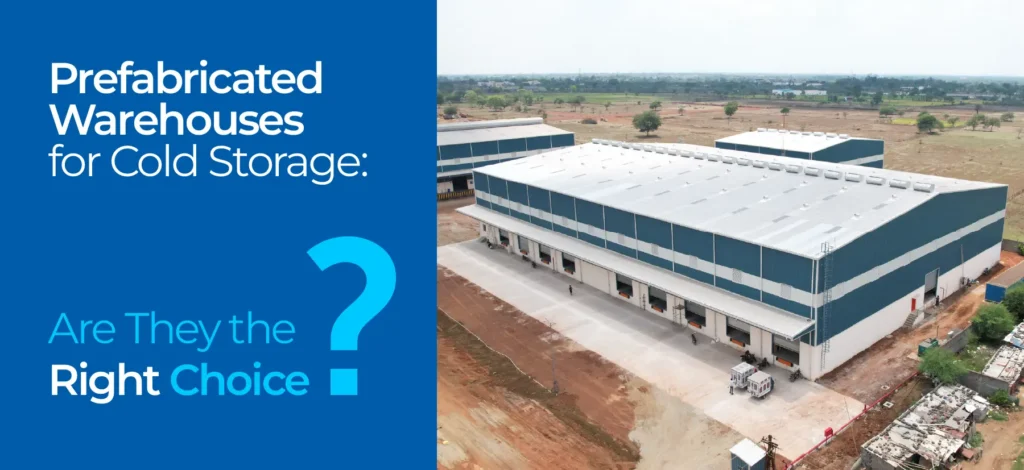
Prefabricated Warehouses for Cold Storage: Are They the Right Choice?

Have you ever left a tub of ice cream out just a little too long? That first sign of melting at the edges? It’s frustrating. Now, imagine that happening on a much larger scale—entire shipments of frozen food, pharmaceuticals, or delicate flowers ruined because a warehouse wasn’t built for the job. Cold storage isn’t just about keeping things cool; it’s about precision, efficiency, and making sure every degree counts. That’s why more and more businesses are turning to prefabricated warehouses. But do they really live up to the hype? Can they handle the unique demands of cold storage? Let’s break it down. What’s the Big Deal with Prefabricated Warehouses? Think of prefabricated warehouses as the express lane in construction. Instead of building everything from scratch on-site, these structures are manufactured in sections at a facility and then assembled on location. It’s like piecing together a giant, industrial-strength Lego set—only faster, cheaper, and way more efficient. But cold storage isn’t your average warehouse game. It’s not just about four walls and a roof. It’s about locking in temperatures, cutting down energy costs, and making sure goods stay in pristine condition. So, can prefabricated warehouses handle that challenge? Advantages of Prefabricated Warehouses for Cold Storage 1. Insulation That Works (So Your Inventory Doesn’t Melt) Insulation isn’t just important—it’s everything. A single weak spot in a warehouse can send temperatures soaring, leading to wasted products and lost profits. Here’s where prefabricated warehouses shine. Their walls are built with high-quality insulated panels, designed to keep the inside temperature stable. No more worrying about heat sneaking in or cold air escaping. Plus, since these panels are manufactured in a controlled setting, there’s no room for construction slip-ups that could compromise insulation. Bottom line? Better insulation means lower energy bills, more consistent temperatures, and less stress. 2. Fast Construction = Faster Profits Time is money. And if you’re in the cold storage business, every delay in getting your warehouse up and running means potential losses. Traditional construction takes months (sometimes even a year or more). But prefabricated warehouses? They’re done in a fraction of that time. Imagine needing a new facility, placing an order, and seeing it take shape in just a few weeks. That’s not just convenient—it’s game-changing. Whether you’re expanding operations or starting from scratch, getting to market faster can make all the difference. 3. The Secret to Lower Costs Cooling a warehouse isn’t cheap. Every degree matters, and inefficient buildings mean energy-hungry systems working overtime to maintain the right temperature. Luckily, prefabricated warehouses are designed with energy efficiency in mind. The materials used help reflect heat, keep the cool air locked in, and reduce the workload on refrigeration systems. Some even come with automated climate controls, ensuring that everything stays at the perfect chill without unnecessary energy waste. Less energy consumption = lower operational costs. And that’s a win no matter how you slice it. 4. Customization Without the Construction Drama Cold storage isn’t a one-size-fits-all business. Some companies need separate temperature zones for different products. Others need extra dock space for quick loading and unloading. With prefabricated warehouses, customization is built into the process. Need a blast freezer section? Done. Want extra-wide doors for large shipments? No problem. Because these warehouses are modular, they can be tailored to fit specific needs without dragging out construction timelines. You get what you need—without the headache of modifying a traditional build.  5. Built to Last (and Withstand the Elements) One of the biggest misconceptions about prefabricated warehouses is that they’re flimsy compared to traditional buildings. That couldn’t be further from the truth. These structures are made with high-grade steel, reinforced joints, and weather-resistant panels. They’re built to withstand extreme temperatures, heavy snowfall, and even seismic activity. And because they’re precision-engineered, there’s less risk of structural weak spots, meaning they last just as long—if not longer—than conventional warehouses. 6. Spend Smart, Scale Fast Traditional warehouses can be ridiculously expensive to build. Between labor, materials, and time, costs add up fast. Prefabricated warehouses slash those expenses. You save on labor costs, material waste, and long construction timelines. And because they’re built efficiently, maintenance costs are often lower, too. But here’s the best part—when you’re ready to scale up, expanding is easy. Need more storage space? Just add another section. Unlike traditional warehouses, where expansion can be a logistical nightmare, prefabrication makes growth seamless. 7. A Greener Way to Build These days, businesses can’t ignore sustainability. Energy-efficient solutions aren’t just good for the environment—they’re good for the bottom line. Prefabricated warehouses generate less construction waste, use eco-friendly materials, and often come with built-in energy-saving features. Some even integrate solar panels and smart ventilation systems, making them even greener. And if your business ever shifts, these structures can be relocated or repurposed—a level of flexibility that traditional warehouses just don’t offer. Are Prefabricated Warehouses the Right Choice for Cold Storage? Faster construction? Check. Better insulation and energy efficiency? Absolutely. Lower costs and easy expansion? You bet. Durability and long-term reliability? No question. If you’re in the market for a cold storage solution that’s efficient, cost-effective, and built for the future, prefabricated warehouses are hard to beat. And when it comes to top-notch prefab solutions, Willus Infrastructure warehouse manufacturers have been delivering high-quality, reliable structures designed to handle the toughest cold storage demands. Whether you’re starting fresh or expanding an existing facility, we have everything for your needs, contact us to know more.

prefabricated homes
Uncategorized

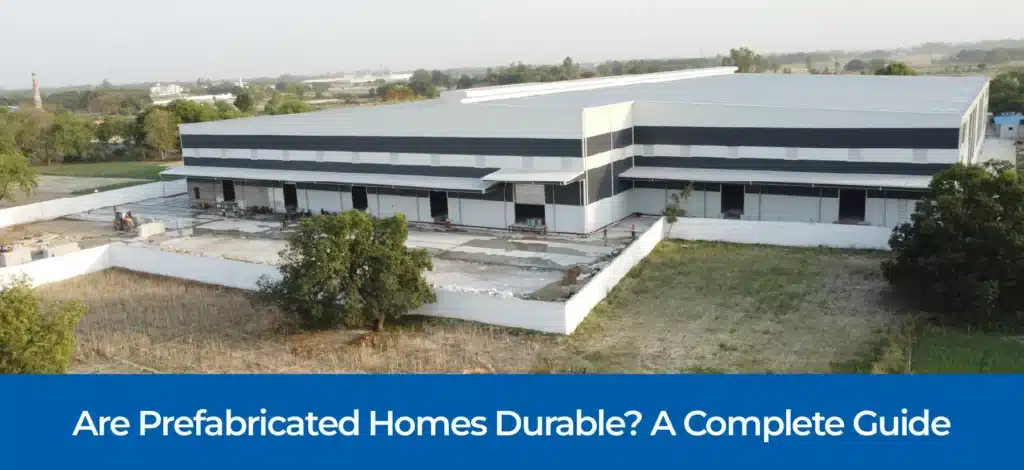
Are Prefabricated Homes Durable? A Complete Guide

Have you heard the saying before “A house is only as strong as the hands that built it”? Well, when it comes to prefabricated homes, that idea takes on a whole new meaning. These homes aren’t just built—they’re engineered with precision, designed to last, and assembled with a level of efficiency that traditional construction often struggles to match. Yet, there’s always that one lingering question: Are prefabricated homes actually durable? Can they withstand the test of time, bad weather, and daily wear and tear like a conventional house? Let’s break it down – how sturdy these homes actually are. What Are Prefabricated Homes? Before we get into durability, let’s clear up any confusion about what prefabricated homes actually are. Instead of being built entirely on-site, these homes are put together in a factory-controlled environment. Think of it like assembling a high-quality car in a plant rather than crafting each part in someone’s backyard. Every component is built with precision, then transported and assembled at the final location. Some people hear “factory-made” and assume these homes are flimsy or temporary. But that couldn’t be further from the truth. In fact, because of the controlled environment in which they’re built, these homes avoid many of the common structural flaws you see in traditional houses. So, Are They Built to Last? Let’s get one thing straight—prefabricated homes aren’t some lightweight, temporary housing solution. They’re made to stand strong, just like any conventional house. Here’s why: 1.Factory-Controlled Precision – Unlike traditional homes that deal with unpredictable weather during construction (think: rain warping wood, dust weakening cement), prefabricated homes are built in a controlled setting. No environmental damage during the building process means stronger materials and a more solid structure from the start. 2.Stronger Materials, Smarter Engineering – Because these homes have to be transported before assembly, they’re actually designed to endure more stress than a regular house. Think about it—if something has to be sturdy enough to survive the journey from factory to final destination, it’s naturally built tougher. 3.Better Weight Distribution – Unlike traditional houses where minor structural inconsistencies can lead to weak points, prefabricated homes are built with even weight distribution. That means fewer structural weaknesses and greater resistance to wear and tear over time. Can They Handle Harsh Weather? One of the biggest concerns people have is whether prefabricated homes can survive extreme weather. Let’s put that worry to rest. These homes are built to meet (and often exceed) the same building codes as site-built houses. Whether it’s scorching summers, relentless monsoons, or even earthquakes, prefabricated structures are designed to hold their ground. Some models are even hurricane-resistant! How? ♦Tightly Sealed Construction – Because these homes are pre-made with exact specifications, they have fewer air leaks or weak spots where moisture and wind can creep in. ♦Earthquake & Wind Resistance – Many modern prefabricated homes are designed to flex rather than crack under pressure, making them surprisingly resilient in high-wind and seismic zones. Maintenance Now, let’s be real—no home, whether prefabricated or traditionally built, will last forever if you don’t take care of it. But here’s where prefabricated homes shine: they’re built with precision, which means fewer surprises. No sudden cracks in the walls. No uneven flooring. No mysterious leaks that pop up out of nowhere. That being said, if you want your home to last for decades, treat it well. Regular maintenance, timely repairs, and a bit of TLC will keep it in top shape. It’s the same principle as owning a car—you wouldn’t expect a vehicle to run smoothly for years without servicing, right? More Than Just Durable—They’re Energy Efficient Too One of the coolest things about prefabricated homes is that they’re often more energy-efficient than traditional homes. Because they’re built with modern technology, they tend to have better insulation, which helps keep indoor temperatures stable. That means lower electricity bills, better climate control, and a more sustainable home. And if you’re someone who cares about the environment (which, let’s be honest, we all should), you’ll love this: these homes generate less construction waste and often use recycled materials. It’s a win-win—strong, efficient, and better for the planet. The Future of Housing? It’s Already Here. Traditional construction methods are slow, expensive, and often wasteful. With rising material costs and increasing demand for affordable yet high-quality housing, prefabricated homes are becoming a game-changer. They’re faster to build, more cost-effective, and, as we’ve now established, just as durable as conventional houses—if not more so. So, are these homes the future? Honestly, they’re not just the future—they’re the present. More and more people are choosing prefabrication over traditional construction, and it’s easy to see why. Final Thoughts If you were on the fence about whether prefabricated homes are durable, hopefully, you’ve got your answer now. These homes aren’t just built to last—they’re built smarter, stronger, and more efficiently than many traditional houses. And if you’re thinking about making the switch, companies like Willus Infra Pre Fabricated Building Manufacturers In India are leading the way, offering high-quality, long-lasting prefabricated solutions. The idea that these homes are “weaker” or “temporary” is just outdated thinking. The future of housing isn’t coming—it’s already here.

Scroll to Top