Willus Infra

Author name: Sachin.admin

steel frame building construction
Uncategorized

Popular Types of Steel Building Construction for Modern Industries

Modern industries need buildings that are strong, useful and easy to manage. Steel is a common choice because it can support large spaces, machines, storage areas and future growth. This is why knowing the main types of steel building construction can help businesses choose the right structure for factories, warehouses, workshops and other industrial spaces. Every project is different. Some businesses need a wide open floor, while others need several levels, heavy machines, cranes or large storage areas. The right building system should match both present needs and future plans. Types of Steel Building Construction Used in Modern Industrial Projects 1. Pre Engineered Steel Buildings Pre engineered buildings, also known as PEBs, are widely used for warehouses, factories, workshops and storage units. Most parts are designed and made before they reach the construction site. Among the types of steel building construction, PEB systems are popular because they can make the building process more organised and simple. Some common benefits include: Faster construction: Major steel parts are prepared before they reach the site, which can reduce work during installation. Flexible building size: The height, width, doors, roof and internal space can be planned according to business needs. Easy future expansion: Extra space can often be planned during the first design stage. Better use of space: The structure can provide large working areas with fewer unwanted barriers. Different design choices: Roofing, ventilation, insulation and wall systems can be selected as needed. PEB buildings are a practical choice when a company wants a simple and well planned industrial structure. 2. Conventional Steel Structures Conventional steel construction gives engineers more freedom to create a building according to special project needs. The beams, columns, connections and other steel parts are designed based on the exact shape, size and load of the building. These types of steel building construction are often chosen for factories, processing units and industrial spaces where a normal design may not be enough. They can be useful when a project needs: Special building shapes: The structure can be designed around unusual layouts or space needs. Heavy machine support: Strong steel members can be planned for areas with heavy equipment. Large industrial loads: The building can be designed to handle different working conditions. Custom floor plans: Businesses can plan the internal area around machines, storage and production work. Special openings: Large doors, equipment openings and service areas can be included in the design. This method may need more planning and detailed work but it gives businesses greater control over the final structure. 3. Portal Frame Buildings Portal frame buildings use strong steel columns and rafters to create large open areas. They are often seen in warehouses, workshops, factories and distribution centres. Compared with other types of steel building construction, portal frames work well when businesses want fewer columns inside the building. This leaves more open space for machines, forklifts, workers and stored goods. The roof can also be planned with a suitable slope so rainwater can move away easily. Large doors, ventilation systems, insulation, skylights and wall panels can also be added based on the project. For many industrial buildings, portal frames offer a simple mix of strength and open space. 4. Truss Based Steel Buildings A steel truss is made by joining several steel members together. These members work as one system and help spread the roof load across the building. Within the types of steel building construction, truss systems are useful when a factory, hangar, warehouse or workshop needs a wide roof with fewer supports in the middle. This means businesses can get more open floor space for daily work. It can be especially useful where large machines or vehicles need to move freely. Trusses are available in different shapes and sizes. Their design usually depends on the building width, roof slope, expected load and purpose of the structure. 5. Multi Storey Steel Buildings Not every industrial business has enough land to build a large single floor structure. Sometimes, going upward makes better use of available space. These types of steel building construction can include production areas, offices, storage rooms, control rooms and other working spaces on different floors. Steel beams and columns form the main structure. Floor systems are then added between each level. This type of construction can also help businesses divide work more clearly. For example, production may happen on one level while offices or storage areas are placed on another. It is a smart option when land is limited but more usable space is needed. 6. Light Gauge Steel Construction Light gauge steel uses thinner steel sections compared with heavy structural steel. These sections can be used for walls, roofs, partitions and smaller parts of a building. Among the types of steel building construction, light gauge systems are often suitable for smaller industrial spaces, office areas inside factories, utility rooms and light storage units. Because the parts are lighter they can be easier to move and install. Many pieces can also be made in accurate sizes before coming to the site. Still, light gauge steel is not suitable for every project. Buildings with very heavy machines, wide spans or high loads may need stronger structural steel. 7. Hybrid Steel Construction Sometimes a building has several different uses under one roof. One part may be a warehouse, another may be an office, while another area may contain heavy machines. In such cases, using only one construction method may not always work well. Hybrid construction combines different building systems to meet different needs. This makes it one of the more flexible types of steel building construction for modern industries. For example, a business may use a heavy steel structure for the production area and a lighter system for office or storage sections. This approach gives designers more freedom. Each part of the building can be planned according to its actual use instead of following the same design everywhere. How to Choose the Right Steel Building Type Choosing the right structure starts with understanding how the building will be

prefabricated warehouse
Uncategorized

Why Manufacturing Brands Rely on Steel Frame Warehouse Construction

Manufacturing companies need warehouses that can handle daily work without slowing operations. They need space for raw materials, finished goods, machines, packing areas and vehicle movement. This is why steel frame warehouse construction has become a practical choice for many growing manufacturing brands. Steel structures are strong, flexible and suitable for large industrial spaces. They can also be planned around the way a warehouse actually works. For businesses that want a building that supports present needs and future growth, steel often makes sense. Top Reasons Manufacturers Prefer Steel Frame Warehouse Construction 1. It Gives More Open Working Space Manufacturing warehouses usually need large open areas. Too many columns can make movement difficult, especially when forklifts, pallets, machines and loading equipment are used every day. One reason brands choose steel frame warehouse construction is that it can support wider spans with fewer internal columns. This gives teams more freedom to plan storage racks, production zones, packing areas and vehicle routes. Open space also makes future changes easier. If the business wants to move equipment or change the floor layout the structure is less likely to get in the way. 2. It Supports Heavy Industrial Loads Manufacturing warehouses may need to hold heavy goods, large machines, overhead equipment or special storage systems. With steel frame warehouse construction the structure can be designed according to the expected load. Engineers can plan beams, columns, roof members and connections based on what the building needs to carry. This helps create a safer working space. It also avoids using a structure that is too weak or much heavier than needed. For industrial brands, that balance matters. 3. Construction Can Be More Organised Time matters in manufacturing. A delay in warehouse construction can affect storage, production, deliveries and customer orders. One advantage of steel frame warehouse construction is that many steel parts can be prepared away from the project site. They can be cut, shaped, drilled and checked before being brought for assembly. This can make site work more organised. Teams know which parts are needed and where they have to go. Good planning is still important but a clear design and installation process can keep work moving smoothly. 4. Future Expansion Is Easier to Plan Manufacturing brands often grow. A warehouse that feels large today may become too small after a few years. This is where steel frame warehouse construction can help. The building can be planned with future expansion in mind. Extra bays, storage sections or working areas may be added later if the original design allows it. That means a company may not need to rebuild everything from scratch when it grows. A good warehouse should solve today’s needs while leaving room for tomorrow. 5. It Works with Different Warehouse Needs No two manufacturing businesses work in exactly the same way. A food brand, an auto parts company and an engineering unit may all need different layouts. With steel frame warehouse construction the structure can be planned around needs such as: Large loading and unloading doors. High storage racks. Crane systems. Ventilation areas. Office sections. Packing zones. Mezzanine floors. Separate material storage areas. This flexibility helps businesses create a warehouse that supports daily work instead of forcing teams to work around a poor layout. 6. Maintenance Can Be Simple Every industrial building needs maintenance. Roof sheets, fasteners, drainage systems, coatings and joints should be checked from time to time. A properly planned steel frame warehouse construction project can make these tasks easier by including clear access points and simple structural layouts. Steel can also be protected with suitable coatings to reduce rust and weather damage. The right protection depends on the location and working conditions. Regular checks still matter because small issues are easier to fix before they become expensive. 7. It Makes Better Use of Height Warehouse space is not only about floor area. Height can be just as useful, especially where land is limited. With steel frame warehouse construction, businesses can plan taller clear heights for storage racks, equipment or future mezzanine levels. This can help companies store more goods without immediately needing a larger site. It can also give teams more room to organise materials and equipment properly. 8. It Suits Long Term Industrial Use A manufacturing warehouse is usually built for many years. The structure has to deal with regular movement, changing loads, weather, repairs and business growth. Steel structures are useful because they offer both strength and flexibility. A well planned warehouse can support new machines, different storage systems or layout changes as the business develops. In simple words the building can grow with the company instead of becoming a problem later. What Manufacturing Brands Should Consider Before Building Before starting a warehouse project, businesses should look at more than just building size. Important points include: The type and weight of stored goods. The number of loading points required. Forklift and vehicle movement. Storage rack height. Fire and safety needs. Drainage and ventilation. Future expansion plans. Maintenance access. Local weather conditions. Thinking about these points early can reduce changes during construction and make the final warehouse easier to use. Conclusion A good warehouse should be strong, easy to use and ready for future growth. It should give enough space for storage, machines, workers and daily movement. Good planning can also make maintenance easier and help the business avoid problems later. If you are planning a prefabricated warehouse, choosing the right building system is very important. Willus Infrastructure helps industrial and manufacturing businesses build practical warehouse spaces that are made for daily work, safety and long term use.

investment in pataudi
Uncategorized

7 Key Elements of a Strong Steel Structure Roof Design

A strong roof does more than cover a building. It protects people, machines, goods and the structure from rain, heat, wind and changing weather. This is why a well planned steel structure roof design matters from the start. A good roof should be safe, practical, easy to maintain and suitable for the building’s daily use. Small planning mistakes can later cause leaks, rust or costly repairs. Here are seven elements that make a roof system reliable. 7 Core Components of a Reliable Steel Structure Roof Design 1. A Clear Load Bearing Plan The first step is knowing how much weight the roof needs to carry. A strong steel structure roof design should consider the weight of the roof itself, workers who may enter for maintenance, equipment and other temporary loads. Weather also creates pressure. Strong winds can push or pull against the roof, while heavy rain or snow may add extra weight. Engineers use these loads to decide the right size and position of beams, rafters, columns and trusses. A clear load path helps pressure move safely through the structure instead of gathering at weak points. 2. The Right Roof Slope Roof slope may seem like a simple detail but it has a big effect on performance. The right slope lets rainwater move toward gutters and downpipes instead of staying on the roof. In a steel structure roof design the slope should suit the roofing material, building width, local weather and drainage system. If the roof is too flat, water may stay longer and raise the chance of leakage or corrosion. A very steep roof is not always better either. It may use more material and face greater wind pressure. The best approach is to choose a practical angle that supports smooth drainage and structural stability. 3. Strong Trusses and Purlins Trusses and purlins form the support system below the roof covering. They spread loads and help the roof keep its shape. A reliable steel structure roof design uses trusses that match the building span and purpose. Different industrial buildings may need different layouts. Buildings with wider spans may need deeper or specially planned trusses to control bending. Purlins support the roof sheets and move pressure toward the main frame. Their spacing is important. If gaps are too wide, sheets may bend or vibrate. If they are too close, more steel may be used than necessary. 4. Proper Connections and Fasteners A strong beam is only useful when its connections are strong too. Bolts, welds, screws and fasteners may look small but they hold the roof system together. In a steel structure roof design, each connection should transfer loads safely from one member to another. Bolts need the correct size and grade. Welds should be properly completed and roof screws must be fixed in the right places. Poorly fitted connections can cause movement, noise, water entry and long term damage. Careful installation and basic quality checks can prevent many of these problems before the building starts operating. 5. Efficient Drainage Water can create serious roof problems when it is allowed to collect. That is why drainage should be planned as part of the structure, not treated as an afterthought. A practical steel structure roof design includes suitable gutters, valleys, downpipes and outlets. These parts should be able to manage expected rainfall and move water away quickly. Gutters also need enough width and depth. If they are too small, heavy rain can cause overflow. Simple drainage routes are usually easier to clean and maintain. Regular removal of leaves, dust and waste also keeps water moving properly. 6. Protection Against Corrosion Steel is strong but moisture and harsh environments can cause rust over time. Factories, coastal locations and buildings exposed to chemicals may need extra protection. A long lasting steel structure roof design should use suitable corrosion control methods. These may include galvanised steel, protective coatings, paint systems and careful sealing around joints or cut edges. Good ventilation can also reduce trapped moisture. Some buildings may need insulation or vapour control layers to manage condensation. The right solution depends on the site, so there is no single method that fits every project. Regular inspection helps too. Small rust spots are easier and cheaper to repair before they spread. 7. Easy Maintenance and Future Access A roof should not be planned only for the day it is installed. Teams may need to inspect, clean, repair or upgrade it later. A good steel structure roof design should therefore include safe access points, walking areas, roof openings, gutters and enough working space around equipment. If solar panels, skylights, ventilation systems or other units may be added later, this should also be considered during planning. Easy access makes maintenance safer and quicker. More importantly, it helps teams catch small problems early, before they become expensive repairs. Conclusion A dependable roof comes from getting several things right at the same time. Load planning, roof slope, trusses, fasteners, drainage, corrosion protection and maintenance access all have an important role. When these elements are planned carefully the complete roof system can offer better safety, weather protection and long term performance. For industrial and commercial buildings the roof structure should also work well with the selected materials, including metal roof cladding, while matching the building’s purpose and local conditions. Willus Infrastructure supports businesses with practical steel building solutions focused on strength, careful planning and dependable long term use.

steel roofing or roof cladding systems
Uncategorized

What Makes Metal building roofing Ideal for Modern Industrial Buildings

Industrial buildings need a strong and reliable roof. Factories, warehouses, workshops and storage buildings face heat, rain, dust, wind and changing weather throughout the year. The roof has to protect the building and everything inside it. This is why Metal building roofing is widely used for modern industrial spaces. It is strong, practical, easy to install and suitable for large buildings. It can also give the building a clean and modern look. Let us understand why it works so well for industrial projects. How Metal Building Roofing Adds Strength to Industrial Buildings Strong and Reliable for Daily Use Industrial buildings are used every day. Many of them store machines, goods, tools and other valuable items. The roof must stay strong and protect these things from outside weather. Metal building roofing is made to handle tough conditions. It can deal with strong sunlight, rain, wind and regular wear when it is installed properly. A strong roof also gives building owners peace of mind. They do not have to worry about small roofing problems again and again. Good material and proper fitting can help the roof perform well for a long time. Faster to Install Time is very important in any construction project. When roofing work takes too long, other work may also get delayed. Metal building roofing can often be installed faster because the sheets or panels are made in planned sizes. Workers can place them over large areas without doing too much cutting or extra work at the site. This can help the project move faster. Once the roof is ready, teams can start other work such as electrical setup, machine installation, flooring and interior work. For large factories and warehouses, saving time during construction can be very useful. Good for Large Industrial Buildings Industrial buildings usually have large roof areas. Covering such a big space needs a roofing option that is strong but not too difficult to manage. Metal building roofing works well for wide spaces. Metal sheets can cover large roof sections and still keep the overall structure practical. Another benefit is choice. Metal sheets come in different sizes, shapes, finishes and thicknesses. This makes it easier to select a roofing type based on the building size, local weather and project needs. A warehouse may have different roofing needs than a factory, so having options is always helpful. Easy to Maintain No roof is completely maintenance free. Still, some roofing types need less regular work than others. Metal building roofing can be easier to maintain when it is checked from time to time. Simple roof checks can include: Looking for loose screws or fasteners. Checking joints and roof edges. Removing leaves, dirt or other waste. Checking the drainage area. Looking for signs of rust or damage. Checking if water is collecting anywhere. Small problems are usually easier to fix when they are found early. Regular care can help avoid bigger repair work later. It also helps the roof stay in better condition for longer. Works Well in Different Weather Industrial roofs face many kinds of weather. Summer can bring strong heat. Monsoon can bring heavy rain. Some areas may also face strong winds. Metal building roofing can be planned according to these conditions. For hot areas, suitable insulation and roof coatings can help reduce some of the heat entering the building. During rainy weather, a proper roof slope can help water flow towards the drainage points. Good sealing is also important because small gaps may allow water to enter. The material alone cannot do everything. Correct design and proper installation are just as important. Can Offer Long Term Value Industrial buildings are usually made for long term use. So the roof should also support the building for many years. Metal building roofing can offer good long term value when the right material and coating are selected. A strong roof helps protect products, machines, furniture and work areas inside the building. It can also reduce the chances of work being disturbed because of roof leaks or serious damage. This matters a lot in industrial spaces. Even a small roofing problem can affect storage, production or daily work. Choosing a dependable roof from the beginning can help reduce such problems. Gives the Building a Clean Look Industrial buildings do not need to look plain or outdated. Modern factories and warehouses often have simple and clean designs. Metal roofs work well with this style. They are available in different colours and finishes. This makes it easier to match the roof with the outside walls and overall building design. A neat building can also create a better first impression. Clients, workers, visitors and business partners may feel more confident when the building looks organised and well maintained. Things to Check Before Choosing a Metal Roof Choosing a roof should not be a rushed decision. A few simple checks can help you make a better choice. Understand the local weather. Choose the material according to heat, rain and wind conditions. Select the right thickness. The roof should match the size and needs of the building. Think about insulation. It can help with heat and sound inside the building. Plan proper drainage. Rainwater should move away from the roof easily. Check the coating quality. A good coating can help protect the metal from rust. Use good quality fasteners. Strong joints can reduce the risk of leaks. Hire trained installers. Proper fitting plays a big role in roof performance. Plan regular checks. Simple inspections can help find problems early. These small steps can make a big difference over time. A Practical Choice for Modern Industrial Buildings Industrial buildings need roofs that are strong, simple, reliable and suitable for large spaces. A good roof should also be easy to maintain and able to handle changing weather conditions. Willus Infrastructure supports industrial projects with practical building solutions based on different construction needs. When Metal building roofing is planned with a suitable roof cladding system, quality materials and proper installation, it can provide a safe, clean and

warehouse design tips
Uncategorized

How a Warehouse Design Guide Helps Reduce Cost and Improve Operations

A warehouse is an important part of any business that stores, packs or moves goods. It may look like a simple large building but it needs proper planning. If the warehouse is not designed well, daily work can become slow and costly. Workers may waste time. Goods may get damaged. Trucks may wait for too long. Small problems can turn into big expenses. This is why a Warehouse Design Guide is very helpful. It helps businesses plan the space before construction starts. It shows how the warehouse should be arranged, where goods should be kept and how workers and machines should move. When the design is clear, work becomes smoother and cost becomes easier to control. Why a Warehouse Design Guide Matters for Better Space and Lower Cost 1. Helps Use Space in a Better Way Space is one of the most important things in a warehouse. If the space is not planned properly, even a big warehouse can feel small. Goods may be kept in the wrong place. Walking paths may become blocked. Loading areas may become crowded. A Warehouse Design Guide helps plan every part of the space. It helps decide where racks, storage areas, office space, loading bays and movement paths should be placed. This makes the warehouse easier to use. Good space planning helps in many ways: It keeps goods in the right place. It gives workers enough space to move. It keeps machines and forklifts moving safely. It reduces empty and wasted corners. It makes the warehouse look clean and organised. When space is used well the whole warehouse works better. 2. Reduces Extra Walking and Movement In many warehouses, workers walk more than needed. They may go from one corner to another again and again. Sometimes fast moving goods are kept far from the packing area. Sometimes storage areas are not placed in the right order. This wastes time every day. It also makes workers tired. A Warehouse Design Guide helps reduce this problem. It helps create a simple flow. Goods can come in, get stored, picked, packed and sent out without confusion. When everything is placed in the right order, workers spend less time walking and more time doing useful work. This improves daily speed and reduces labour cost. 3. Helps Save Construction Cost Building a warehouse without proper planning can become expensive later. If the height is wrong, storage may become difficult. If the floor is weak, heavy goods may create problems. If entry and exit points are not planned well, truck movement can become slow. A Warehouse Design Guide helps avoid these mistakes. It gives a clear plan before construction starts. It helps decide the right height, floor strength, door size, ventilation, lighting and loading area. When everything is planned early there are fewer changes during construction. This saves money and also saves time. 4. Improves Storage Capacity The main purpose of a warehouse is storage. But storage does not only mean keeping more goods. It means keeping goods in a smart and safe way. If goods are placed without planning the warehouse can become messy. Workers may take more time to find items. Products may get damaged. Some areas may become overfilled, while other areas stay unused. A good design helps solve this issue. It helps decide the right place for racks, pallets, shelves and open storage. It also helps keep fast moving goods near the packing or dispatch area. With better storage planning the same warehouse can hold more goods without looking crowded. 5. Makes Loading and Unloading Faster Loading and unloading are daily jobs in many warehouses. If this area is not planned well, trucks may wait for a long time. Workers may face trouble while moving goods. This can delay deliveries. A Warehouse Design Guide helps plan loading bays and truck movement areas properly. It helps make sure that goods can enter and leave the warehouse smoothly. When loading and unloading are fast the business saves time. Trucks can move quickly. Workers can finish their tasks faster. Customers can also get their goods on time. 6. Improves Worker Safety Safety is very important in a warehouse. A poorly planned warehouse can increase the chance of accidents. Goods may fall. Workers may slip or trip. Forklifts may not get enough turning space. Emergency exits may get blocked. A Warehouse Design Guide helps create safer work areas. It helps plan clear walking paths, proper lighting, safe storage zones and emergency routes. It also helps keep machines and workers in separate movement areas where needed. When the workplace is safe, workers feel more comfortable. Accidents reduce and work continues without sudden problems. 7. Supports Smooth Daily Work A warehouse works well when every task is connected properly. Goods should enter the warehouse, move to storage, go to packing and then move out for delivery in a simple way. If this flow is not clear, work slows down. A Warehouse Design Guide helps create this smooth work flow. It helps place each area in the right order. This reduces confusion and saves time. A better work flow also helps managers. They can see where goods are, how workers are moving and where delays are happening. This makes daily operations easier to control. 8. Helps With Future Growth A business may start with a small need but it can grow with time. More orders may come. More goods may need storage. More workers and machines may be added. If the warehouse is not planned for the future, growth can become difficult. The business may need costly changes later. A Warehouse Design Guide helps keep future needs in mind. It allows space for extra racks, new machines, more loading areas or better movement paths. This makes the warehouse useful for a longer time. 9. Saves Money in the Long Run A well designed warehouse saves money every day. It reduces wasted space, extra walking, product damage, delays and repair work. It also helps workers complete tasks faster. A poor design may look

peb vs rcc comparison
Uncategorized

Why Custom Mezzanine Systems Are Essential for Space Conscious Industrial Design

Space is very important in every factory, warehouse and industrial building. When a business grows the same place can slowly start feeling small. Machines need space. Workers need space. Raw material, finished goods, tools and packing items also need proper space. If everything is kept on the ground floor the area can quickly become crowded. This is where custom mezzanine systems can help in a very smart way. They allow businesses to use the empty height inside a building. Instead of moving to a bigger place, a company can create an extra floor inside the same building. This gives more usable space without making a big change. What Is a Mezzanine System? A mezzanine system is an extra floor built between the ground floor and the roof. It is not like a full building floor. It is usually made in a selected area where extra space is needed. In industrial spaces, custom mezzanine systems are planned as per the real needs of the business. A mezzanine can be used for many simple and useful purposes, such as: Extra storage space for goods and raw material. Small office space inside a factory or warehouse. Packing and sorting area. Tool storage and spare parts storage. Safe access to machines and equipment. Quality checking or inspection area. This makes the workplace more useful. The business gets more space without shifting to another place. It also helps keep the main floor open for important daily work. Why Custom Mezzanine Systems Matter for Smart Industrial Space Design  Better Use of Empty Height Many industrial buildings have good height but the upper space often stays empty. The ground floor becomes full, while the space above is not used at all. This is not the best way to use a building. With custom mezzanine systems, businesses can use this empty height in a better way. The upper level can be used for storage, office work or other daily needs. This helps save the ground floor for movement, loading, unloading and production work. Using vertical space has many benefits: It gives more working area without buying new land. It keeps the ground floor less crowded. It helps workers move more safely. It makes storage easier to manage. It improves the full layout of the building. It supports business growth in the same space. This is why mezzanine floors are very useful for space conscious industrial design. They make every part of the building more valuable. A Smart Choice for Growing Businesses When a business grows, space problems also grow. More orders mean more goods. More goods mean more storage. More production means more movement inside the building. Slowly the workplace may start looking tight and messy. Custom mezzanine systems help solve this problem without a big shift. A company does not need to move to another building quickly. It can use the same space in a smarter way. This saves time, money and effort. For growing businesses, this is a practical choice. Work can continue in the same place. At the same time the company gets extra space for storage, packing, office work or other needs. Designed as Per Your Real Need Every industrial space is different. A warehouse does not need the same setup as a manufacturing unit. A logistics company may need a sorting area. A factory may need storage for tools and spare parts. One fixed design cannot work for all. This is why custom mezzanine systems are so helpful. They are made according to the size, height, load need and work style of the building. The stairs, railings, flooring and access points can also be planned properly. This makes the space easier to use. Workers can move safely. Goods can be stored in the right place. The whole area feels more organised and simple to manage. Helps Keep the Floor Clean and Open A crowded floor can create many problems. Workers may not get enough walking space. Goods may block the path. Machines may not work smoothly. It can also become hard to find things on time. With custom mezzanine systems, extra items can be moved to the upper level. Slow moving goods, spare parts, packing material and records can be kept there. This keeps the ground floor open for daily work. A clean and open floor improves work speed. It also reduces confusion. When everything has a proper place, people can work with less stress and better focus. Improves Safety in Industrial Spaces Safety is very important in every industrial building. If the floor is too crowded, accidents can happen. Workers may trip over materials. Trolleys and forklifts may not get enough space. Machines may become harder to access. A well planned mezzanine helps divide the space properly. It creates separate areas for storage, movement and work. Strong railings, safe stairs and proper flooring also make the area safer. Good space planning is not only about looks. It also protects people and helps daily work run smoothly. Saves Cost Compared to Expansion Buying a new building or expanding the current one can be very costly. It can also take a lot of time. There may be land cost, rent, construction cost, shifting cost and work delay. Not every business wants to take this big step. Custom mezzanine systems give a better option. They help create more usable space inside the same building. This makes them a cost friendly choice for many factories and warehouses. It is a simple idea but it works well. Use the space you already have before spending money on a bigger place. Supports Better Work Flow A good industrial space should be easy to use. Goods should move in the right direction. Workers should know where things are kept. Machines, storage, packing and office work should not disturb each other. A mezzanine system can help create this order. Storage can be kept above. Packing can stay below. Office space can be made at a height from where the team can view the work area. This makes the full

steel structured buildings
Uncategorized

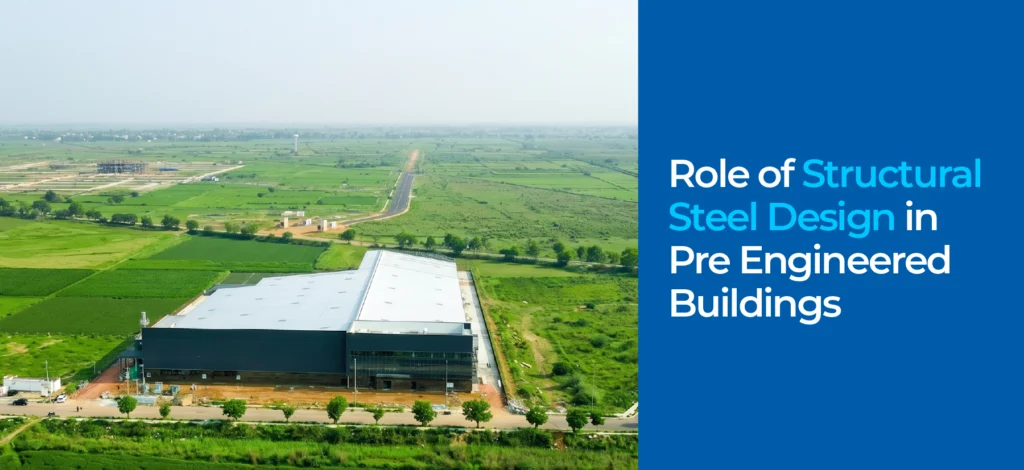
Role of Structural Steel Design in Pre Engineered Buildings

Pre-engineered buildings are now used in many industries. You can see them in warehouses, factories, logistics parks, cold storage units, workshops, showrooms and large commercial spaces. These buildings are popular because they are faster to build, easy to expand and strong enough for heavy use. But behind every strong pre engineered building there is careful planning. Structural Steel Design plays a very important role in making these buildings safe, stable and useful for the long term. A pre engineered building may look simple from the outside but its strength depends on how well the steel parts are planned, made and joined together. What Makes Pre Engineered Buildings Different? A pre engineered building, also called a PEB, is made using factory made steel parts. These parts are prepared as per the building design and then taken to the site for installation. This saves time because most of the work is planned and made before the site work begins. The main parts usually include: Steel columns Rafters Roof sheets Wall cladding Purlins Girts Bracing systems Bolts and connections Structural Steel Design helps decide the size, shape, load capacity and placement of these parts. Why Steel Planning Is So Important Steel is strong but it must be used in the right way. If the design is weak the building may face problems later. A good design checks many things before construction starts. It looks at the building size, purpose, location, wind load, roof load, machinery load and future use. For example, a warehouse may need wide open space without too many columns. A factory may need strong support for cranes or heavy machines. A cold storage unit may need special insulation and tight wall systems. Structural Steel Design helps create the right structure for each need. Role of Structural Steel Design in Modern PEB Projects  Better Strength and Safety Safety is the first priority in any building. A pre engineered building must handle daily use, weather pressure and heavy loads. Steel design helps the structure stand strong against wind, rain, heat and movement. It also helps reduce weak points in the building. A properly planned steel frame gives better balance to the whole structure. This is very important for industrial buildings because they often deal with heavy equipment, storage racks, vehicles and continuous movement. Faster and Smoother Construction One big reason companies choose PEBs is speed. Traditional construction can take a long time because many steps happen on site. In a pre engineered building, most parts are made in a factory. This makes the process faster and more controlled. Structural Steel Design supports faster construction because every part is planned before production. The steel members are cut, shaped, drilled and prepared as per the final drawings. When the parts reach the site, installation becomes easier. This saves time and reduces confusion during erection. Helps Reduce Material Waste Good design is not only about strength. It is also about using the right amount of material. Too much steel can increase cost. Too little steel can affect safety. The balance is important. Structural Steel Design helps use steel smartly. It makes sure the building has enough strength without wasting extra material. This is useful for project owners because it supports better cost control. It also helps reduce unnecessary wastage during manufacturing and installation. Supports Large Open Spaces Many industrial buildings need large open areas. Warehouses need free movement for forklifts. Factories need space for machines. Sports halls, showrooms and logistics centers also need wide clear spans. PEBs can provide this type of open space because the steel frame can be designed with fewer internal columns. This makes the building more practical. Workers can move easily. Machines can be placed better. Storage can be planned more efficiently. A smart steel layout makes the building more useful, not just stronger. Easy Future Expansion Business needs can change over time. A company may need more storage, more production area or additional office space later. Pre engineered buildings are often easier to expand compared to many traditional buildings. If the design allows future expansion, new bays or sections can be added with less difficulty. Structural Steel Design can include future planning from the beginning. This helps business owners avoid major changes later. It is always better to think ahead instead of fixing problems after the building is already in use. Role in Roof and Wall Systems The roof and wall system of a PEB is also very important. It protects the building from heat, rain, dust and wind. The steel frame supports roof sheets, wall cladding, insulation, gutters and other outer parts. If the frame is not planned properly the roof or wall system may face leakage, bending or alignment issues. Here is a simple look at how steel design supports building performance: Building Area How Steel Design Helps Roof Supports sheets, purlins and rainwater flow Walls Holds cladding and improves stability Columns Transfers building load safely Bracing Controls movement and wind pressure Connections Keeps all steel parts joined strongly Better Cost Control Every construction project has a budget. A good design helps control cost from the start. When steel sizes, connections and layouts are planned properly the project becomes easier to estimate. It also reduces changes during construction. Last minute changes can increase cost and delay the project. Careful planning helps avoid this. A well designed PEB gives better value because it saves time, reduces waste and improves long term performance. Suitable for Many Industries Pre engineered buildings are used across many sectors because they are flexible and practical. They are suitable for: Warehouses Manufacturing units Industrial sheds Cold storage buildings Logistics centers Workshops Aircraft hangars Commercial buildings Retail spaces Structural Steel Design makes it possible to adjust the building as per each industry’s needs. Every project is different and the design must match the purpose. Conclusion Pre engineered buildings are fast, strong and practical but their real strength comes from proper planning. From load handling and safety to open spaces, cost control and future expansion, steel

peb vs rcc comparison
Uncategorized

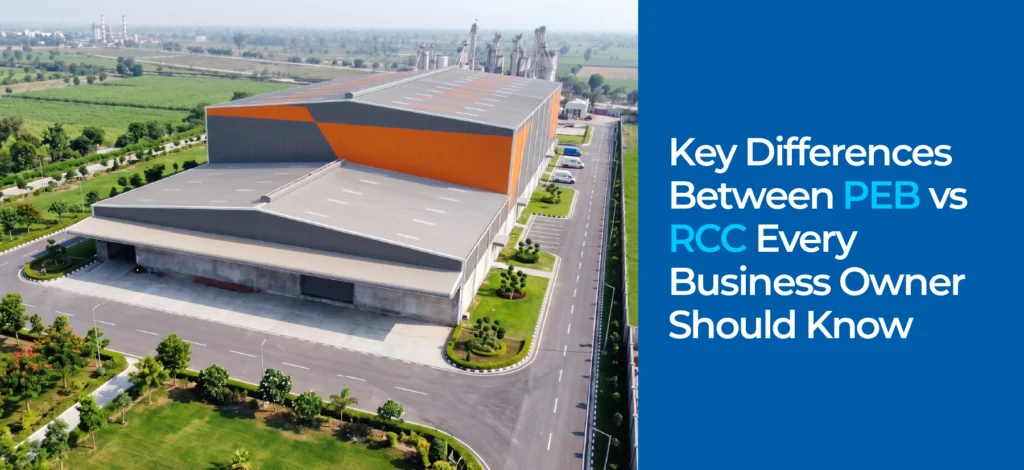
Key Differences Between PEB vs RCC Every Business Owner Should Know

When a business owner plans a factory, warehouse, plant, showroom or industrial building, one big question usually comes up first: should the building be made with PEB or RCC? This is not just a construction choice. It affects cost, time, strength, future expansion, maintenance and even how quickly the business can start operations. Many owners get confused because both options are strong in their own way. RCC has been used for decades, while PEB is now becoming a smart choice for modern industrial and commercial projects. So, understanding PEB vs RCC can help you make a better and more practical decision. What Is PEB? PEB stands for Pre Engineered Building. In simple words, it is a steel building system where the main parts are designed and manufactured in a factory. These parts are then transported to the site and assembled there. A PEB structure usually includes steel columns, rafters, roof panels, wall panels, bolts and other supporting parts. Since most work is done in a controlled factory setup the on site construction becomes faster and cleaner. PEB is commonly used for: Warehouses Factories Industrial sheds Logistics parks Cold storage units Commercial buildings Sports facilities Large span structures This is why the discussion around PEB vs RCC has become so important for business owners today. What Is RCC? RCC stands for Reinforced Cement Concrete. It is made using cement, sand, aggregates, water and steel reinforcement bars. RCC construction is done mostly at the site. Workers build columns, beams, slabs and walls step by step using concrete and steel bars. RCC is widely used for homes, offices, hospitals, schools, apartments and many traditional buildings. It gives solid strength and long life when built properly. However, when it comes to large industrial spaces the comparison of PEB vs RCC becomes more interesting because time, span, cost and flexibility matter a lot. PEB vs RCC: Which Building System Is Right for Your Business? 1. Construction Speed Speed is one of the biggest differences between PEB and RCC. PEB is much faster because the building parts are manufactured in a factory while site preparation can happen at the same time. Once the parts reach the site they are installed quickly with cranes and skilled teams. RCC takes more time. The process includes shuttering, steel fixing, concrete pouring, curing and finishing. Concrete also needs time to gain strength. So, even if the work goes smoothly, RCC construction usually needs a longer timeline. For a business owner, time is money. If your warehouse or factory starts earlier your operations can also begin faster. This is where PEB vs RCC clearly shows a major difference. 2. Cost Efficiency Cost depends on project size, design, location, material rates and site conditions. Still, PEB often gives better cost control for large span industrial projects. In PEB, material usage is optimized through proper engineering. There is less wastage, faster installation and lower labour dependency at the site. Since the project finishes faster, indirect costs may also reduce. RCC can become costly for large open spaces because it needs more columns, more shuttering, more labour and more time. Also, delays can increase the final cost. So, while comparing PEB vs RCC, business owners should not look only at the starting price. They should also check total project cost, time savings, maintenance and future changes. 3. Design Flexibility PEB gives excellent design flexibility, especially for wide and open spaces. It can create large spans without too many internal columns. This is useful for warehouses, factories, production areas and storage units where free movement is needed. RCC buildings can also be customized but large column free spaces are harder and costlier to create. More columns may reduce usable space and affect movement inside the building. For businesses that use machines, trucks, forklifts or storage racks, open space matters a lot. This is another point where PEB vs RCC becomes an important business decision. 4. Structural Weight PEB structures are lighter compared to RCC. Since they use steel frames and light roofing or wall panels the dead load of the building is lower. A lighter structure usually needs a lighter foundation, which can reduce foundation cost in many cases. RCC structures are heavier because concrete adds a lot of weight. This may require deeper and stronger foundations, especially for bigger buildings. A lighter building can also perform better in certain site conditions. So, when checking PEB vs RCC the weight of the structure should not be ignored. 5. Quality Control PEB parts are manufactured in a factory with machines, proper checks and controlled processes. This helps maintain better accuracy in size, shape, cutting, welding and finishing. RCC quality depends heavily on site work. The result can change based on labour skill, weather, curing, material mixing and supervision. Good RCC work is strong, no doubt. But it needs strict site control from start to finish. For business owners who want predictable quality, PEB can be a more organized option. 6. Maintenance Needs PEB buildings are usually easy to maintain if good quality steel, coatings, roofing sheets and accessories are used. Regular inspection of bolts, panels, gutters and coatings can keep the structure in good condition. RCC buildings may face issues like cracks, seepage, dampness, plaster damage and corrosion of reinforcement if not maintained well. Repairs can sometimes be messy and time consuming. This does not mean RCC is weak. It simply means both systems need different types of care. In the PEB vs RCC comparison, PEB often feels easier to manage for industrial users. 7. Future Expansion Business needs change. Today you may need one warehouse. Tomorrow you may need extra storage, a bigger production line or another bay. PEB is easier to expand. New bays, extensions, mezzanine floors or additional sections can be planned with less disturbance. Since the structure is modular, future changes are smoother. RCC expansion is possible but it is more difficult. Breaking, joining, strengthening and adding new RCC sections can take more time and planning. For growing companies, this is

Industrial roof cladding
Uncategorized

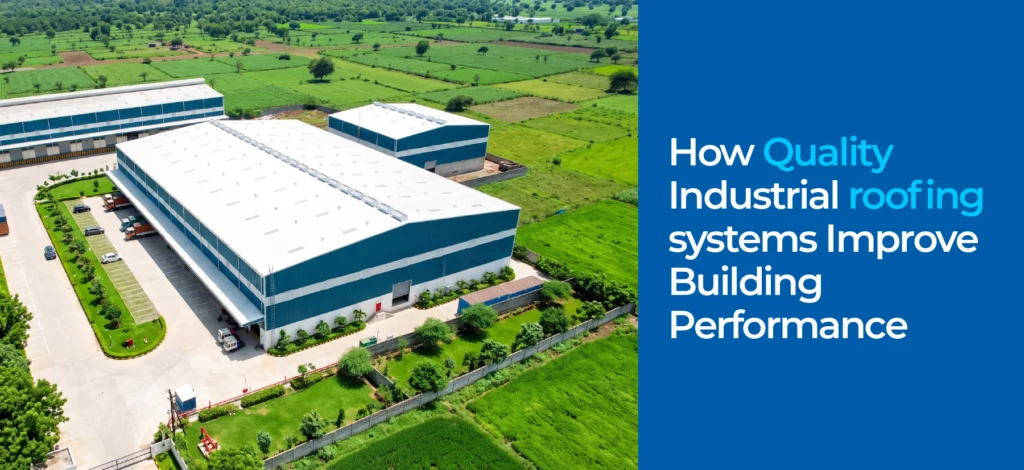
How Quality Industrial Roofing Systems Improve Building Performance

The roof is one of the most important parts of any industrial building. It protects people, machines, goods and daily work from heat, rain, dust and strong winds. A weak roof may cause leaks, high repair costs and work delays. Well planned Industrial roofing systems do much more than cover a building. They improve comfort, safety, energy use and the overall life of the structure. A carefully selected roof also supports smoother operations, protects valuable equipment and helps businesses avoid unexpected problems that may interrupt production or storage activities. How Do Quality Industrial Roofing Systems Improve Building Performance? Better Protection From Harsh Weather Factories, warehouses and industrial sheds face changing weather throughout the year. Heavy rain, strong sunlight, wind and dust can slowly damage a poorly built roof. Water may enter through small gaps, while heat can make the indoor space uncomfortable. Quality roofing uses suitable sheets, strong fasteners, proper slopes and sealed joints. These parts work together to keep water outside and reduce damage. When Industrial roofing systems are designed for local weather they provide stronger protection and lower the risk of sudden repair work. Improved Indoor Temperature Large industrial buildings can become very hot, especially during summer. Heat enters through the roof and stays trapped inside. This can make workers tired, affect product quality and increase the need for fans or cooling systems. Insulated roofing sheets, reflective surfaces and proper ventilation can reduce heat transfer. A cooler indoor area supports a more comfortable workplace and may reduce electricity use. Industrial roofing systems can also be designed with skylights and ventilators, allowing natural light and hot air to move out safely. Better Energy Efficiency Energy costs are a major concern for many industries. If a roof allows too much heat inside, cooling equipment must work harder. In colder places, poor insulation may also allow indoor warmth to escape. A quality roof helps control this movement of heat. Insulation, suitable coatings and correct installation can support a more stable indoor temperature. As a result the building may use less energy for cooling or heating. This is one reason a well built roof can offer value beyond its starting price. Reduced Water Leakage Roof leakage is more than a small inconvenience. Water can damage stored goods, electrical systems, machines, walls and floors. It may also create slippery areas and affect worker safety. Leaks often begin because of loose fasteners, poor sheet overlap, blocked drainage or weak sealing around openings. A carefully installed roof reduces these risks. Regular checks are still needed but a strong design makes maintenance easier. High quality Industrial roofing systems guide rainwater away from the building through proper slopes, gutters and downpipes. Longer Building Life Water, heat and moisture can slowly weaken different parts of an industrial structure. Rust may develop on steel sections, while repeated leakage can damage walls and foundations. The roof acts as the first line of defence against these problems. A durable roof protects the main frame and other building parts from direct exposure. Good coatings can also reduce corrosion and surface damage. When Industrial roofing systems are selected according to the building’s use, location and climate they help the complete structure stay useful for a longer period. Safer Working Conditions A reliable roof supports a safer workplace. It reduces the chance of falling sheets, water on the floor, damage from strong winds and electrical risks caused by leakage. Proper roof design also considers safe access for future inspection and maintenance. Fire safety may also affect the choice of roofing material, insulation and coatings. Buildings that store chemicals, food, machines or other special goods may need different safety features. There is no one size fits all answer. The roof must match the actual work happening inside. Lower Maintenance Costs Cheap materials may seem like a good deal at first but frequent repairs can make them costly over time. Loose sheets, rust, broken seals and drainage problems may return again and again. Quality materials and skilled installation reduce unnecessary repair work. Standard parts are also easier to inspect and replace when needed. Industrial roofing systems should include a simple maintenance plan covering gutters, joints, fasteners, coatings and roof openings. A little care at the right time can prevent a much larger problem later. Better Support for Daily Operations Industrial work depends on smooth and steady operations. A leaking or overheated building can slow production, damage stock and force workers to stop important tasks. Even a small roof issue can turn into a big headache when it affects machines or customer orders. A dependable roof creates a more controlled space for storage, manufacturing and movement. It also supports better planning because businesses face fewer unexpected shutdowns. This matters greatly in warehouses, factories, workshops, cold storage units and logistics centres where every working hour counts. Flexible Design for Different Buildings Every industrial building has different needs. Some need wide open spans, while others require roof vents, skylights, solar panels, cranes or extra insulation. The roof should support these needs without making the design too complex. Steel roofing can be shaped and planned for many building sizes. It may also allow future changes when a business expands. Industrial roofing systems can include different sheet profiles, coatings, insulation levels and drainage options. Careful planning helps the roof work well today while staying ready for future demands. Conclusion Quality Industrial roofing systems improve weather protection, indoor comfort, energy control, safety and the long term strength of an industrial building. The right roof also reduces leakage, repair work and interruptions to daily operations. A good design should match the site, climate, building use and future plans. Proper materials, skilled installation and regular maintenance can further improve performance while helping businesses save money and protect their investment for many years. The businesses who are seeking for a reliable roof cladding system can work with Willus Infrastructure to create practical, durable and well planned roofing solutions for industrial projects.

warehouse construction cost
Uncategorized

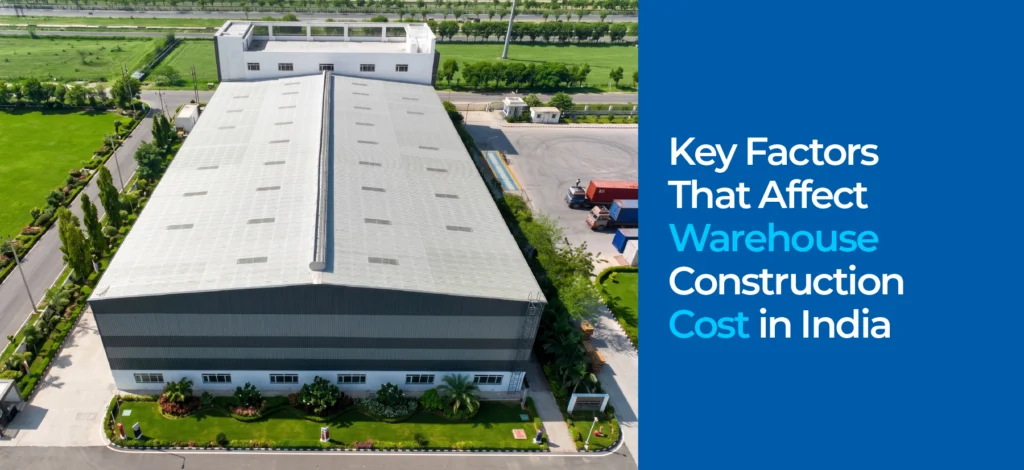
Key Factors That Affect Warehouse Construction Cost in India

Building a warehouse is a major investment and the final budget can change from one project to another. A simple storage shed may cost less, while a temperature controlled facility may need a much larger budget. Understanding the main factors behind warehouse construction cost helps business owners plan better, avoid surprise expenses and choose the right design from the beginning. Careful budgeting also helps businesses compare materials, control unnecessary spending, prepare for future growth and make practical decisions before construction work starts at the chosen site. What Are the Main Factors Affecting Warehouse Construction Cost in India? Size and Total Built Up Area The size of the warehouse is one of the biggest cost factors. A larger building needs more steel, roofing, flooring, labour and foundation work. However the cost per square foot may sometimes become lower when the project size increases because materials can be purchased in bulk. The height of the building also matters. A taller warehouse may need stronger columns, more steel, extra safety planning and special equipment. Businesses should decide how much storage space they actually need instead of choosing the biggest possible design. Location and Site Conditions The project location can make a major difference to warehouse construction cost. Land conditions, road access, local labour charges and the distance from material suppliers all affect the final budget. A flat and stable site is usually easier to build on. Soft soil, uneven land, poor drainage or a high water table may require additional work. Soil testing can show whether the foundation needs to be deeper or stronger. Transport costs may also rise when the site is far from major roads or steel suppliers. Type of Structure and Building Design The chosen construction system plays an important role in the total expense. Pre engineered steel buildings are often preferred because many parts are made in a factory and assembled at the site. This can reduce construction time and improve accuracy. Still, warehouse construction cost depends on the design itself. Wide spans, heavy cranes, multiple floors, large doors, loading areas or complex roof shapes may need more material and engineering work. A simple, practical design is often easier to build and maintain. Quality and Type of Materials Material quality has a direct effect on strength, safety and long term performance. Steel grade, roofing sheets, wall panels, insulation, fasteners, paint and flooring materials all come in different quality levels. Choosing the cheapest option may lower the starting cost but it can lead to more repairs later. Poor roofing may cause leaks, while weak flooring may crack under heavy loads. The warehouse construction cost should be planned with the building’s daily use in mind. A unit holding heavy machines needs stronger materials than a light storage space. Foundation and Flooring Requirements The foundation supports the complete structure, so it cannot be treated as an afterthought. Its design depends on the soil condition, building weight, height and equipment used inside. Flooring also affects warehouse construction cost. A basic concrete floor may be enough for light storage. However, buildings using forklifts, racks, heavy machinery or frequent vehicle movement need stronger and thicker flooring. Floor flatness, finishing, joint treatment and load capacity can add to the budget. Spending wisely on flooring helps prevent cracks later. Roofing, Insulation and Ventilation The roof protects stored goods, workers and equipment from heat, rain, dust and wind. The type and thickness of roofing sheets affect both the starting cost and future maintenance. Insulation may be needed in hot regions or in buildings storing food, medicine, chemicals or temperature sensitive products. Ventilators, skylights, exhaust systems and cooling equipment can also change warehouse construction cost. Natural light and airflow may reduce electricity use but they should be included during the design stage. Adding them later can be expensive. Electrical, Fire and Safety Systems A warehouse needs more than a steel frame and roof. Electrical wiring, lighting, fire alarms, sprinklers, emergency exits, CCTV, access control and safety signs may be required depending on its use and local rules. Fire protection can be a major cost area, especially for large buildings or those storing flammable goods. Backup power, earthing, lightning protection and emergency lighting may also be needed. These systems can increase warehouse construction cost but they protect people, products and the business. Cutting corners here is never a smart move. Loading Bays and Internal Facilities Loading and unloading areas must be planned according to the vehicles and goods handled every day. Dock levellers, ramps, shutters, canopies and wide turning areas can add to the budget. Offices, washrooms, staff rooms, security cabins, parking, drainage and internal roads also affect the total cost. These spaces may look minor on paper but together they can form a large part of the project. A clear list of required facilities helps prevent changes once construction has started. Labour, Timeline and Project Management Labour charges vary across different cities and states in India. Skilled welders, machine operators, engineers and safety teams may cost more but their work can reduce mistakes and delays. A rushed timeline may require extra workers, longer shifts and faster transport. Delays caused by poor planning, weather, approvals or late material delivery can also raise warehouse construction cost. Strong project management keeps the work organised and helps control waste, rework and unexpected spending. Conclusion Many factors shape the final project budget, including size, location, soil condition, design, material quality, flooring, roofing, safety systems, labour and timelines. Good planning from the start makes it easier to balance cost, strength and future needs. A clear project plan can also reduce delays, prevent design changes, manage resources properly and help businesses build a space that supports smooth daily operations. Businesses looking for a reliable warehouse manufacturer can work with Willus Infrastructure to develop practical, durable and well planned warehouse solutions for different industrial requirements.

Scroll to Top