
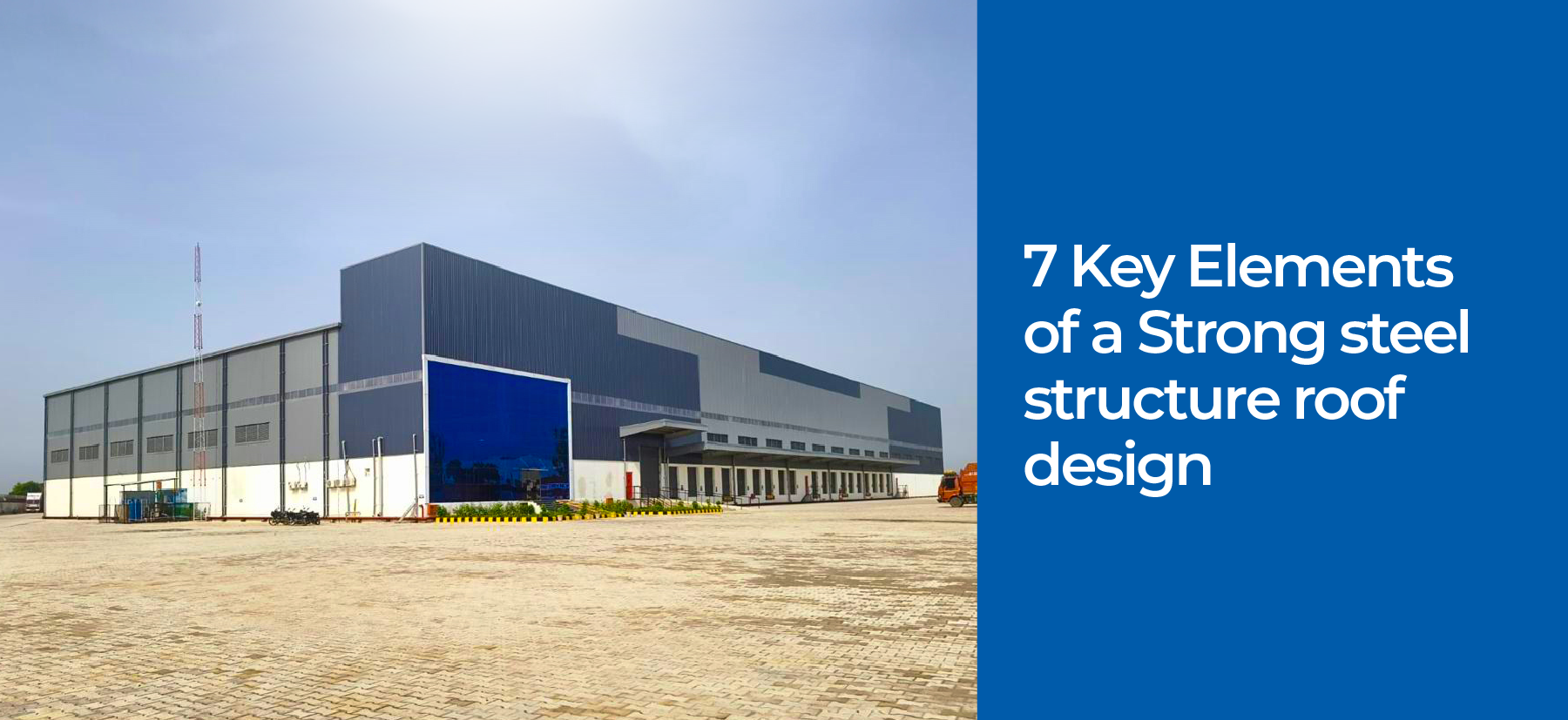
A strong roof does more than cover a building. It protects people, machines, goods and the structure from rain, heat, wind and changing weather. This is why a well planned steel structure roof design matters from the start.
A good roof should be safe, practical, easy to maintain and suitable for the building’s daily use. Small planning mistakes can later cause leaks, rust or costly repairs. Here are seven elements that make a roof system reliable.
7 Core Components of a Reliable Steel Structure Roof Design
1. A Clear Load Bearing Plan
The first step is knowing how much weight the roof needs to carry. A strong steel structure roof design should consider the weight of the roof itself, workers who may enter for maintenance, equipment and other temporary loads.
Weather also creates pressure. Strong winds can push or pull against the roof, while heavy rain or snow may add extra weight.
Engineers use these loads to decide the right size and position of beams, rafters, columns and trusses. A clear load path helps pressure move safely through the structure instead of gathering at weak points.
2. The Right Roof Slope
Roof slope may seem like a simple detail but it has a big effect on performance. The right slope lets rainwater move toward gutters and downpipes instead of staying on the roof.
In a steel structure roof design the slope should suit the roofing material, building width, local weather and drainage system. If the roof is too flat, water may stay longer and raise the chance of leakage or corrosion.
A very steep roof is not always better either. It may use more material and face greater wind pressure. The best approach is to choose a practical angle that supports smooth drainage and structural stability.
3. Strong Trusses and Purlins
Trusses and purlins form the support system below the roof covering. They spread loads and help the roof keep its shape.
A reliable steel structure roof design uses trusses that match the building span and purpose. Different industrial buildings may need different layouts. Buildings with wider spans may need deeper or specially planned trusses to control bending.
Purlins support the roof sheets and move pressure toward the main frame. Their spacing is important. If gaps are too wide, sheets may bend or vibrate. If they are too close, more steel may be used than necessary.
4. Proper Connections and Fasteners
A strong beam is only useful when its connections are strong too. Bolts, welds, screws and fasteners may look small but they hold the roof system together.
In a steel structure roof design, each connection should transfer loads safely from one member to another. Bolts need the correct size and grade. Welds should be properly completed and roof screws must be fixed in the right places.
Poorly fitted connections can cause movement, noise, water entry and long term damage. Careful installation and basic quality checks can prevent many of these problems before the building starts operating.
5. Efficient Drainage
Water can create serious roof problems when it is allowed to collect. That is why drainage should be planned as part of the structure, not treated as an afterthought.
A practical steel structure roof design includes suitable gutters, valleys, downpipes and outlets. These parts should be able to manage expected rainfall and move water away quickly.
Gutters also need enough width and depth. If they are too small, heavy rain can cause overflow. Simple drainage routes are usually easier to clean and maintain. Regular removal of leaves, dust and waste also keeps water moving properly.
6. Protection Against Corrosion
Steel is strong but moisture and harsh environments can cause rust over time. Factories, coastal locations and buildings exposed to chemicals may need extra protection.
A long lasting steel structure roof design should use suitable corrosion control methods. These may include galvanised steel, protective coatings, paint systems and careful sealing around joints or cut edges.
Good ventilation can also reduce trapped moisture. Some buildings may need insulation or vapour control layers to manage condensation. The right solution depends on the site, so there is no single method that fits every project.
Regular inspection helps too. Small rust spots are easier and cheaper to repair before they spread.
7. Easy Maintenance and Future Access
A roof should not be planned only for the day it is installed. Teams may need to inspect, clean, repair or upgrade it later.
A good steel structure roof design should therefore include safe access points, walking areas, roof openings, gutters and enough working space around equipment. If solar panels, skylights, ventilation systems or other units may be added later, this should also be considered during planning.
Easy access makes maintenance safer and quicker. More importantly, it helps teams catch small problems early, before they become expensive repairs.
Conclusion
A dependable roof comes from getting several things right at the same time. Load planning, roof slope, trusses, fasteners, drainage, corrosion protection and maintenance access all have an important role. When these elements are planned carefully the complete roof system can offer better safety, weather protection and long term performance.
For industrial and commercial buildings the roof structure should also work well with the selected materials, including metal roof cladding, while matching the building’s purpose and local conditions.
Willus Infrastructure supports businesses with practical steel building solutions focused on strength, careful planning and dependable long term use.