Willus Infra

Author name: dinesh

Steel Roofing Structure
Uncategorized

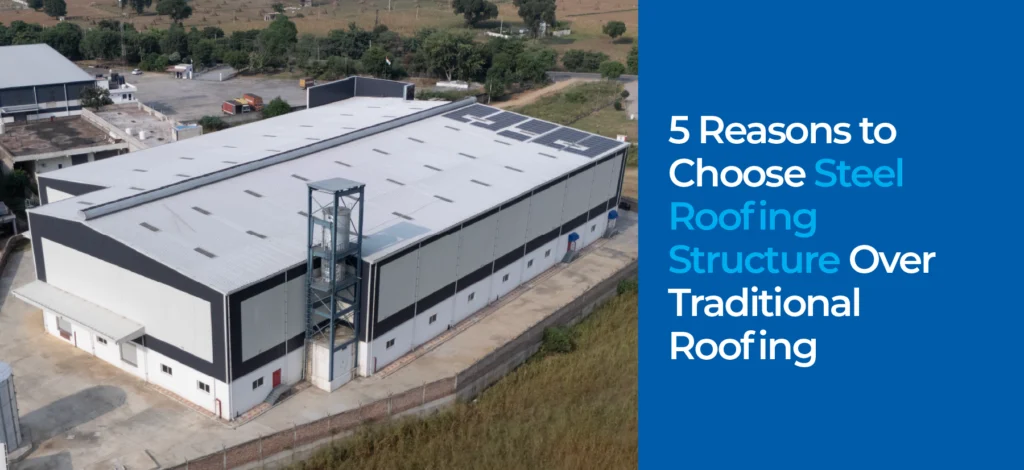
5 Reasons to Choose Steel Roofing Structure Over Traditional Roofing

Roofing is one of the most important parts of any building. It protects the structure and everything inside it. Choosing the right roofing material can help reduce costs, improve durability and enhance safety. Today, many builders and developers are moving towards the use of Steel Roofing Structure instead of traditional roofing materials like concrete, clay tiles or wood. Here are five strong reasons why a Steel Roofing Structure is a better option than traditional roofing systems: Top 5 Advantages of Steel Roofing Structure Compared to Traditional Roofing 1. Longer Life and Better Strength A Steel Roofing Structure is known for its high strength and long life. Steel does not easily break, bend or rot like wood or clay. It is strong enough to handle heavy rains, wind and even snowfall in some regions. Most traditional roofs may last 15 to 25 years, depending on maintenance and material. In comparison, steel roofs can last between 40 to 70 years with very little maintenance. This makes it a better long term investment. Because of its strength, steel roofing also provides better protection to the building and its occupants. 2. Fast and Easy Installation Installing a Steel Roofing Structure takes less time compared to traditional methods. Steel roofing panels are pre designed and pre cut based on the building plan. This reduces the time spent on adjustments and fittings during installation. In traditional roofing, workers need to mix materials on site, cut tiles or wood and go through time consuming steps. Steel panels can be installed quickly using simple equipment. This helps save both labour costs and time on site. If a builder needs to complete a project fast, steel roofing is a more suitable option. 3. Low Maintenance and Cost Saving Once a Steel Roofing Structure is installed, it requires very little maintenance. Steel does not crack or break easily. It also does not get damaged by insects or fungus like wooden roofing. Traditional roofs often require regular maintenance due to water leaks, broken tiles and weather damage. These repairs can be costly over time. Steel roofs usually come with coatings that resist rust, corrosion and UV rays. These protective layers keep the roof looking and working like new for many years. As a result, building owners save money on frequent repairs and replacements. 4. Eco Friendly and Recyclable Material Using a Steel Roofing Structure is also better for the environment. Steel is one of the most recycled materials in the world. Many steel roofing sheets are made using recycled steel. Once the roof reaches the end of its life, it can be recycled again. This helps reduce the demand for new raw materials and lowers the impact on natural resources. In comparison, traditional roofing materials like clay tiles or concrete are not always recyclable and often end up in landfills. Additionally, steel roofs reflect more sunlight and heat, which helps to keep buildings cooler. This can lower energy bills in hot climates by reducing the need for air conditioning. 5. Better Appearance and Design Options Steel roofing is not just strong and practical; it also looks modern and clean. A Steel Roofing Structure is available in various shapes, colours and surface finishes. This gives architects and builders more flexibility to design attractive buildings. Whether it is for a residential home, a commercial space or an industrial facility, steel roofing offers many styles to match the overall look of the building. Steel panels stay new looking for a long time. They do not fade easily or grow moss, which often happens with traditional roofs. This adds to the visual appeal and keeps the building looking well maintained. Builders who offer Roof Cladding Services also prefer steel because it gives better design freedom and easier installation options compared to older methods. Steel vs Traditional Roofing Feature Traditional Roofing Steel Roofing Structure Lifespan 15–25 years 40–70 years Installation Time Long Short Maintenance Needs High Low Environmental Impact Often non recyclable Fully recyclable Design and Style Options Limited Wide range available Resistance to Weather Moderate High Insect or Fungus Damage Possible Not affected Conclusion Choosing the right roofing system is an important decision in construction. While traditional roofing materials have been used for years, modern needs require stronger, faster and more efficient solutions. A Steel Roofing Structure offers all of these advantages. It is long lasting, cost effective, environment friendly and suitable for various building types. For those looking for professional help in building durable and high quality steel roofing, Willus Infrastructure is a leading PEB Building Manufacturer in India, providing complete solutions with modern design and engineering standards.
Warehouse Construction Company
Uncategorized

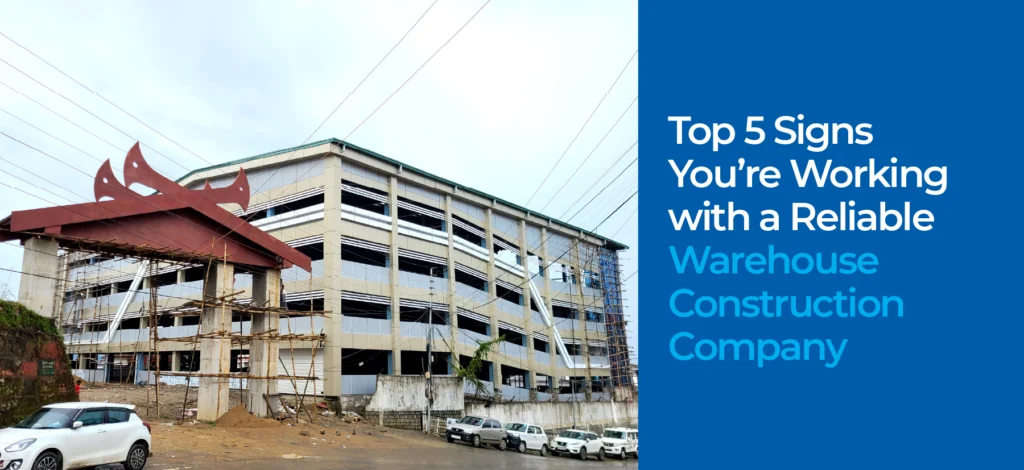
Top 5 Signs You’re Working with a Reliable Warehouse Construction Company

A Warehouse Construction Company plays a very important role in the development of industrial, logistics and storage spaces. Warehouses must be strong, safe and functional. If the construction quality is poor, it can cause problems such as cracks, leaks, safety risks and higher maintenance costs. Choosing a reliable company ensures the warehouse will perform well and last long. Below are five clear signs that show a Warehouse Construction Company is reliable and capable. How to Identify a Trusted Warehouse Construction Company? 1. Proven Industry Experience and Technical Skills A good Warehouse Construction Company always has solid experience. They work with qualified engineers, architects and project managers. Their teams understand site planning, soil conditions, building load, drainage systems and structure layouts. They have completed different types of warehouse projects. These include cold storage units, distribution centres, e-commerce warehouses and more. A company with many successful projects is more likely to handle new work smoothly. Their technical skills include: Pre engineered building system knowledge Steel structure design and fabrication Load calculation and material handling Fire safety and ventilation planning This expertise reduces errors, delays and safety risks. 2. Timely Completion of Projects A trusted Warehouse Construction Company delivers work within the agreed timeline. Delayed construction can stop business activities and increase costs. Good companies: Create a clear project schedule Use construction management tools Monitor progress regularly Handle approvals and inspections quickly Timely delivery is a sign of professionalism. It shows the company is organised, prepared and values the client’s time. Most reliable companies complete warehouse projects between 3 to 6 months, depending on size and complexity. Delays without valid reasons are a red flag 3. Use of High Quality Materials and Safe Equipment A reliable Warehouse Construction Company never compromises on materials. They use high grade structural steel, concrete and roofing sheets approved by industry standards. This improves durability, reduces repair needs and ensures long term strength. They also use: Fabricated steel structures Reinforced concrete slabs Quality fasteners, bolts and anchors Insulated panels for temperature control Advanced machinery is used for cutting, welding, lifting and installation. Safety equipment for workers is also provided. This ensures the work is done safely and correctly. Poor material quality can lead to frequent damage, so always ask about brands, suppliers and test reports. 4. Transparent Pricing and Communication A good Warehouse Construction Company always shares clear information. They provide full cost estimates with details of each activity. This includes: Site preparation Foundation work Steel erection Roofing and wall cladding Flooring and finishing They also explain payment terms, timelines and project stages. If there are any changes they update the client and provide written documents. Regular communication avoids confusion. It also helps in faster decision making. A reliable company sends progress updates, pictures and work reports during each stage. Hidden charges, incomplete information or delays in response indicate an unreliable company. 5. Support After Project Completion A trusted Warehouse Construction Company provides help even after the project is finished. They offer: Structural warranty for steel framework Waterproofing and roofing warranty Site inspection after handover Maintenance tips and service visits In case of minor problems they fix issues without delays. This shows commitment to quality and customer satisfaction. Some companies also offer annual maintenance contracts for long term support. This includes inspections, repairs and structure health checks. Post construction support is an important sign of reliability. Additional Qualities of a Reliable Company Apart from the five signs above, here are other qualities that help identify a dependable Warehouse Construction Company: Registered company with valid certifications Positive customer feedback and online reviews Proper safety and environmental policies Use of project management software Ability to scale and manage multiple projects These points show the company is serious about quality, safety and compliance. Conclusion A reliable Warehouse Construction Company ensures safe, strong and functional warehouses that meet business needs. Their work is based on experience, proper planning, quality materials and honest communication. They deliver projects on time and provide after sales support, which adds more value. Warehouses are long term assets. Choosing the right construction partner helps avoid major repair and maintenance costs later. It also improves productivity, safety and space management. Businesses looking to work with professional Warehouse Manufacturers can trust Willus Infrastructure. We are a company known for delivering high quality, pre engineered warehouses and industrial structures across India.

Prefabricated Steel Structures
Uncategorized

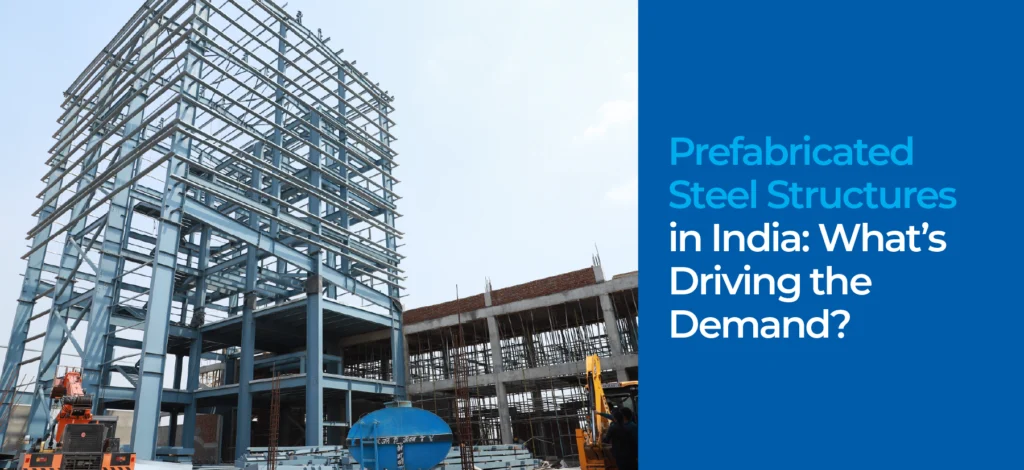
Prefabricated Steel Structures in India: What’s Driving the Demand?

India is currently experiencing major growth in infrastructure and industrial development. With this growth comes the need for faster, cost effective and durable construction solutions. One of the most preferred choices today is Prefabricated Steel Structures. These structures are designed and manufactured off site and then assembled on the construction site. This method is becoming popular across sectors such as manufacturing, warehousing, logistics, education and even healthcare. This article explores the key factors behind the rising demand for Prefabricated Steel Structures in India. Growth of Prefabricated Steel Structures in India: Key Factors Behind Rising Demand 1. Faster Construction Saves Time Time is a major factor in construction. Delays often lead to high costs and missed opportunities. Prefabricated Steel Structures reduce construction time by up to 50% compared to traditional methods. According to industry data, a typical steel building of 20,000 square feet can be completed in 3 to 4 months, while the same size in concrete may take over 6 to 8 months. This fast completion helps companies start operations quickly, which increases their return on investment. For example, many warehouses and factory units in industrial zones like Gujarat and Maharashtra are being built using steel structures to meet urgent timelines. 2. High Durability and Strength Prefabricated Steel Structures are known for their strength. Steel has a high strength to weight ratio, making it strong without being heavy. It does not crack, split or warp like wood or concrete. It also performs well during natural disasters like earthquakes and cyclones. India falls under moderate to high seismic zones, especially states like Himachal Pradesh, Uttarakhand and parts of the northeast. Steel structures provide better resistance in such regions compared to traditional buildings. With proper coating, steel structures also resist rust and corrosion, making them suitable for coastal areas. 3. Cost Efficiency and Reduced Waste Building with Prefabricated Steel Structures helps save money in the long run. Even though the initial cost may seem slightly higher the overall savings are significant. Less material waste during construction. Lower labour costs due to faster installation. Minimal on site errors due to precision fabrication. Studies show that prefabricated steel buildings construction can reduce total project costs by 10–20% depending on project size and complexity. Also, since most parts are factory made the use of materials is more efficient and there’s almost zero wastage. 4. Eco Friendly and Sustainable Sustainability is a growing focus in India’s building sector. Prefabricated Steel Structures support green construction in multiple ways. Steel is 100% recyclable. More than 80% of structural steel used in India comes from recycled scrap. Less on site work reduces noise and dust pollution. The thermal performance of steel buildings reduces energy consumption for heating and cooling. According to the World Steel Association the energy required to produce 1 ton of steel has dropped by 60% over the past 50 years. This means less environmental impact per building. 5. Growing Demand in Warehousing and Industrial Sector India’s warehousing sector is growing at a CAGR (compound annual growth rate) of around 15%. The total warehousing space in India crossed 300 million square feet in 2022 and is still increasing. Much of this space is being built using Prefabricated Steel Structures. Steel is preferred because: It allows for large, open spaces without internal columns. It supports higher load capacities. It is easy to extend or modify in future. E commerce companies, FMCG brands and cold storage operators are choosing steel for their speed and flexibility. 6. Support from Government and Urban Planning Bodies Government projects and smart city plans are also pushing the demand for Prefabricated Steel Structures. Central and state governments are encouraging faster, safer and more efficient building practices. The Pradhan Mantri Awas Yojana (PMAY), industrial corridor developments and smart city initiatives are examples where prefabricated steel can help meet targets faster. These structures are also being considered for rural infrastructure such as school buildings, clinics and community halls. 7. Design Flexibility and Aesthetic Appeal Steel offers better design flexibility than many traditional materials. Architects and engineers can use Prefabricated Steel Structures to create: Wide span halls without columns. Tall structures with strong foundations. Easy to assemble modular layouts. Buildings made with steel can also include modern cladding and finishing materials for improved appearance. This makes steel suitable not just for factories but also for shopping centres, schools and commercial buildings. 8. Use in Modern Building Types In recent years, Prefabricated Steel Structures are being used beyond industrial buildings. Many hospitals, offices, airports and exhibition centres in cities like Delhi, Bangalore and Hyderabad are using steel construction. One well known example is the Terminal 2 at Kempegowda International Airport in Bengaluru, which used large steel frames for fast and sustainable development. This shift shows that steel is no longer limited to sheds or warehouses it is now a trusted option for all kinds of modern infrastructure. 9. Increased Awareness and Market Confidence More builders, engineers and investors in India now understand the benefits of Prefabricated Steel Structures. This awareness has built trust and increased adoption. In 2010, steel buildings made up less than 10% of India’s total commercial construction. As of 2023, industry reports show it has crossed 25% and is expected to touch 35–40% in the next 5 years. The market is clearly moving in the direction of prefabrication and industrialised construction methods. Conclusion The growth of Prefabricated Steel Structures in India is driven by multiple practical reasons, fast construction, reduced costs, long term strength and environmental benefits. This method supports the rapid pace of industrial development and urban infrastructure expansion. To ensure quality outcomes in this growing space, businesses are partnering with experienced engineering companies like Willus Infrastructure. We work closely with leading Structural Steel Manufacturers across the country to deliver reliable, efficient and modern building solutions.

Steel Fabrication
Uncategorized

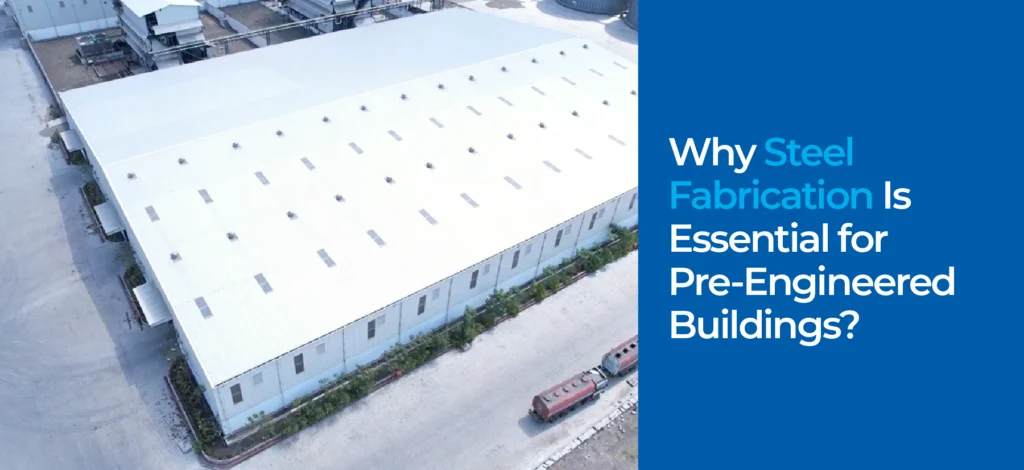
Why Steel Fabrication Is Essential for Pre Engineered Buildings?

Speed, strength and accuracy are key requirements in construction. Pre Engineered Buildings (PEBs) are becoming a preferred choice in India across industrial, commercial and infrastructure sectors. These buildings are constructed using factory made components, which are assembled on site. The most important part of this process is Steel Fabrication. Steel Fabrication refers to the process of cutting, shaping, welding and assembling steel components. These components form the core structure of a PEB. Without proper steel fabrication, it is not possible to achieve the required strength, precision or quality in pre engineered buildings. This blog explains the essential role of Steel Fabrication in PEB construction and why it is critical for long term performance, safety and cost efficiency. The Importance of Steel Fabrication in Pre‑Engineered Building Construction 1. Core Process in Pre Engineered Construction Every pre engineered building is based on a clear structural plan. Engineers create detailed designs with exact sizes and load requirements. Based on these plans, Steel Fabrication is used to produce all structural components such as columns, beams, rafters and bracing systems. These components are manufactured in controlled factory conditions using modern equipment. After fabrication they are transported to the site and assembled using bolts or welding. This process reduces site work, speeds up construction and ensures that each component fits perfectly during installation. 2. High Accuracy and Dimensional Precision Precision is a major advantage of Steel Fabrication. Components are made using CNC (Computer Numerical Control) machines, laser cutters and automated welding systems. These technologies ensure tight dimensional control and perfect alignment of parts. Even small errors in cutting or drilling can cause major delays or weak connections in buildings. Fabrication in a factory setting avoids such problems. The high level of precision also improves the safety and load bearing capacity of the structure. In comparison, manual fabrication or on site cutting in traditional construction often leads to quality issues and misalignment. 3. Faster Construction Timelines Time efficiency is one of the main reasons for the growing use of pre engineered buildings. Steel Fabrication helps reduce overall project timelines. Since all structural parts are fabricated in advance, site work becomes faster. A typical industrial PEB structure can be installed in 30–45% less time compared to conventional RCC (reinforced cement concrete) structures. This faster completion saves labour costs and allows early use of the building, which is important for factories, warehouses and commercial setups. 4. Enhanced Strength and Load Capacity Steel is known for its high strength to weight ratio. Steel Fabrication ensures that this strength is utilised effectively. Fabricated steel parts are designed to handle various loads including wind, seismic and dead loads. Proper welding, bracing and alignment during fabrication help improve the stability and durability of the building. Pre engineered steel buildings perform better in extreme weather conditions such as heavy rain, heat or earthquakes. Fabrication ensures that each component contributes to overall strength and long term performance. 5. Flexible Design Options Steel Fabrication allows more freedom in design. Steel can be cut, bent and joined in different ways. This supports large column free spans, mezzanine floors, curved roofs and tall structures. For example, Structural Steel Framing is widely used in commercial and industrial buildings to allow open spaces without interior walls. These frames are fabricated with exact shapes and joint configurations to support unique architectural layouts. Fabrication also allows future modifications or expansion, which is difficult in concrete buildings. 6. Cost Savings Over Project Lifecycle Using Steel Fabrication helps reduce long term costs in many ways: Less raw material wastage. Fewer errors and rework during construction. Shorter labour time at site. Lower maintenance requirements. Although steel may have a higher initial cost than concrete the total cost over the lifecycle is lower. Fabricated steel buildings last longer, need fewer repairs and can be dismantled or expanded easily. Data shows that steel buildings can reduce overall project costs by 15–30%, depending on design complexity and site conditions. 7. Better Safety and Quality Control Fabrication in a controlled facility improves safety and quality. Workers use advanced machines under strict supervision, which reduces human error and accident risks. Every stage of Steel Fabrication from cutting to welding is monitored. Non destructive testing, ultrasonic checks and visual inspections ensure that all components meet quality standards before leaving the factory. This is not possible in traditional on site construction, where quality depends heavily on weather conditions and manual skill levels. 8. Environment Friendly Construction Steel Fabrication supports sustainable construction practices. Steel is 100% recyclable and often made from recycled material. Since components are made off site there is less pollution, dust and noise at the construction site. Also, precise fabrication reduces material wastage, which helps protect the environment. With India’s focus on green buildings and sustainable growth the use of fabricated steel structures helps meet environmental goals while delivering strong buildings. 9. Growing Demand Across Sectors The demand for Steel Fabrication is growing in India due to the rapid rise in industrial, logistics and infrastructure development. Prefabricated steel buildings are now used in: Warehouses and distribution centres Manufacturing units Commercial offices Airports and railway stations Schools and healthcare centres The Indian PEB market is expected to grow at over 11% CAGR. A large part of this growth depends on reliable and efficient steel fabrication. Conclusion Steel Fabrication is a critical part of pre engineered building construction. It ensures strong, accurate and cost effective structures that meet modern building standards. With better quality control, shorter timelines and long term durability, it offers clear advantages over traditional methods. As the demand for pre engineered buildings continues to rise, leading Steel Structure Manufacturers like Willus Infrastructure are helping deliver high performance buildings backed by precise and reliable fabrication.

Pre Engineered Steel Building Manufacturer
Uncategorized

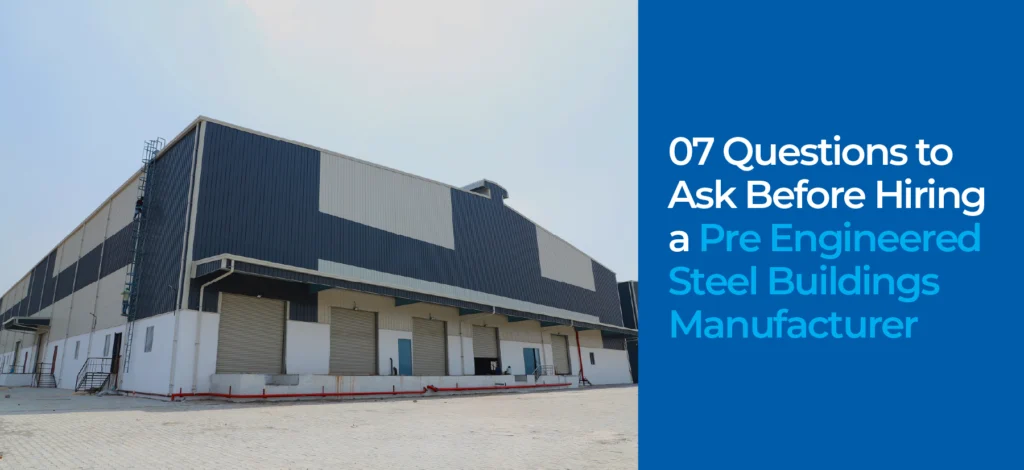
07 Questions to Ask Before Hiring a Pre Engineered Steel Buildings Manufacturer

Building a steel structure is a big task. It needs planning, time and money. The most important part is choosing the right company to do the work. Before hiring a Pre Engineered Steel Buildings Manufacturer you must ask some important questions. These questions will help you know if the company is good for your project. It will also help you avoid mistakes and problems later. Below are seven important questions to ask before you choose a Pre Engineered Steel Buildings Manufacturer. 7 Things to Know Before You Hire a Pre Engineered Steel Buildings Manufacturer 1. How many years has the company worked in this field? It is important to know how much experience the company has. A company that has worked for many years will know how to do the job well. They will have better knowledge and skills. They will also know how to avoid mistakes. You should ask the company when they started. You can also ask how many buildings they have completed. A good Pre Engineered Steel Buildings Manufacturer will give you all this information clearly. 2. Can you show examples of your past projects? It is good to see the work the company has done before. You can ask them to show you pictures or videos. You can also ask for site visits or talk to past clients. When you see the finished buildings you can check the quality. You can also know if the company has worked on projects like yours. A reliable Pre Engineered Steel Buildings Manufacturer will always be ready to show their past work. 3. What type of steel and materials do you use? Not all steel is the same. Good quality steel is strong and lasts a long time. You should ask the company what kind of steel they use. You should also ask if the steel has rust protection or not. Ask if the company uses certified and tested materials. A good Pre Engineered Steel Buildings Manufacturer will always use the right materials. This will make your building strong and safe. 4. Do you offer design, manufacturing and installation? Some companies only make steel parts. Others provide design, manufacturing and installation services. It is better to choose a company that offers everything in one place. This helps to save time and money. It also helps to avoid confusion. A complete service Pre Engineered Steel Buildings Manufacturer makes the work easier for you. 5. What is the time needed to complete the building? Time is very important in every construction project. You should ask how long the company will take to finish your building. Ask about the time for design, production and installation. Make sure the company gives you a clear schedule. Delays can cause loss of money. A trusted Pre Engineered Steel Buildings Manufacturer will give a proper timeline and follow it. 6. Do you provide service after the work is done? Sometimes small issues come after the building is finished. So, it is good to ask about after sale service. Ask if the company gives a warranty. Ask what kind of support they will give if there is a problem later. A good Pre Engineered Steel Buildings Manufacturer will always offer support after the work is complete. This shows that they care about their clients. 7. What safety steps do you follow during work? Safety is very important in construction. You must ask the company what safety rules they follow. Ask if the workers use safety tools and wear safety gear. Also, ask if the factory where they make the parts is safe and clean. A good Pre Engineered Steel Buildings Manufacturer will always follow safety rules. This helps to keep workers safe and avoid problems. Extra Tip! Always ask for everything in writing Before you start the project, get all details in writing. This includes cost, design, materials, time and services. A written agreement helps to avoid confusion. A professional Pre Engineered Steel Buildings Manufacturer will always give proper documents. This shows that the company is honest and serious about the work. Conclusion efore you hire a Pre Engineered Steel Buildings Manufacturer you must ask the right questions. These questions will help you know if the company is right for your project. Look at their experience, past work, materials, services and safety rules. Do not hurry. Take time to check everything. The right company will give you a strong, safe and long lasting building. A bad choice can lead to problems, extra cost and delays. Today, many people choose steel buildings because they are strong and quick to build. Many clients are now trusting Steel Structure Manufacturers for quality construction. If you are seeking a trusted name then Willus Infrastructure is the answer. We are known for delivering safe, fast and strong steel building solutions in many projects.

Uncategorized

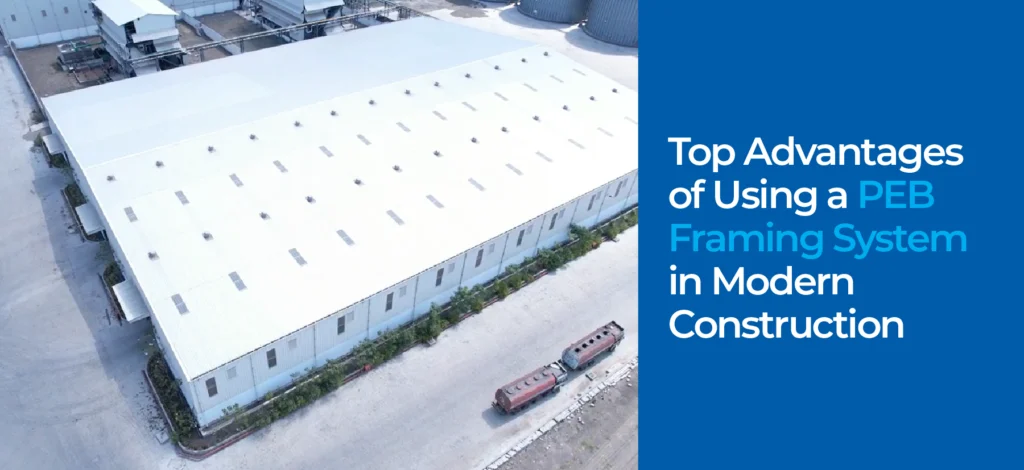
Top Advantages of Using a PEB Framing System in Modern Construction

The way buildings are made today is not the same as it was many years ago. People now want buildings that are strong, fast to build and not too expensive. Many companies use something called the PEB Framing System. PEB means Pre Engineered Building. It is a method where all parts of the structure are made in a factory. These parts are then sent to the building site and put together there. This method is used for many different types of buildings. These include factories, storage buildings, showrooms and workshops. It is now one of the most trusted methods in modern construction. There are many benefits to using the PEB Framing System. Here are some of the most important ones. Why PEB Framing System Is Good for Modern Buildings 1. Faster Construction Time The PEB Framing System helps in saving a lot of time. In traditional construction, workers do most of the work at the site. This takes a long time. But with PEB, most of the work is done at the factory. The steel parts are made there using machines. After that they are taken to the site. At the site, the parts are joined together like a set. This process is very quick. It also means the building can be finished faster. Even large buildings can be completed in a short period. This saves time and helps projects stay on schedule. 2. Lower Construction Cost Another big benefit of the PEB Framing System is that it helps reduce costs. Since the steel parts are made in large numbers, the cost of making them is lower. Also, fewer workers are needed at the site. This helps save money on labour. There is also less waste of materials. Because everything is measured and made in a factory, there are fewer mistakes. This means less money is spent fixing problems. The final result is a good building that costs less to make. 3. Easy to Change and Design The PEB Framing System gives more freedom in design. It can be made to fit many types of buildings. If someone wants a big open area without columns, it is possible with this system. The design can be changed as per the user’s needs. It can also be expanded later if needed. For example, a company may want to add more space after a few years. This can be done without any problem. This makes the system useful for growing businesses and industries. 4. Strong and Long Lasting Structures Buildings made using the PEB Framing System are very strong. The steel used is tested for quality. It can handle heavy loads. It is also good in bad weather like storms, rain or even earthquakes. This makes the building safe for use. These buildings can last for many years. They do not break or bend easily. The material used is not only strong but also reliable. This gives peace of mind to the owners. They know the building will stay in good condition for a long time. 5. Very Low Maintenance A big advantage of the PEB Framing System is that it needs very little maintenance. The steel does not get damaged easily. It is safe from rust and insects. The coating and paint stay on for many years. This means the owner does not have to spend much money on repairs. There is no need for regular painting or fixing. The building stays neat and strong without much care. This saves time and money for many years after the construction is done. 6. Better for the Environment The PEB Framing System is also helpful for the environment. It creates very little waste. Since the parts are made in the factory, there is not much leftover material. The site stays clean. The steel used in the system is recyclable. When the building is no longer in use, the steel can be used again. This helps reduce harm to nature. It is a good choice for companies that care about the environment. 7. Safer Work at the Site This system also improves safety during construction. Because the heavy work is already done at the factory, there is less risk for workers at the site. The parts only need to be joined together. There is no cutting or welding on site. This makes the workplace safer. Fewer accidents happen and the working area stays neat. This helps both the workers and the companies involved in the building. 8. Neat and Clean Look Buildings made using the PEB Framing System look modern and clean. The parts are made with machines, so they fit well. This gives the building a nice look. The surfaces are even and the joints are strong. People who visit or work inside the building will see that it looks professional. It shows good quality. This is important for businesses that want to make a good impression. 9. Good for All Building Types The PEB Framing System can be used for many different kinds of projects. It is used for factories, warehouses, cold storage, airplane hangars, workshops and more. It can be used for both big and small buildings. Because it is flexible, strong and fast to build, many people choose it for their projects. It works well in cities and in rural areas. It is trusted by many builders across the country. Conclusion The PEB Framing System is one of the best choices for modern construction. It helps save time and money. It also gives strong and long lasting buildings. It is easy to change, needs less care and is safe to build. Many people now use this system because it gives good results. Companies look for better ways to build. They want solutions that are fast, simple and safe. The PEB Framing System gives all of these benefits. As new technology grows, this method will become even more popular. Also, the rise of Structural Steel Framing has made the construction industry stronger and more reliable. If you are seeking a leading

Industrial Shed Design
Uncategorized

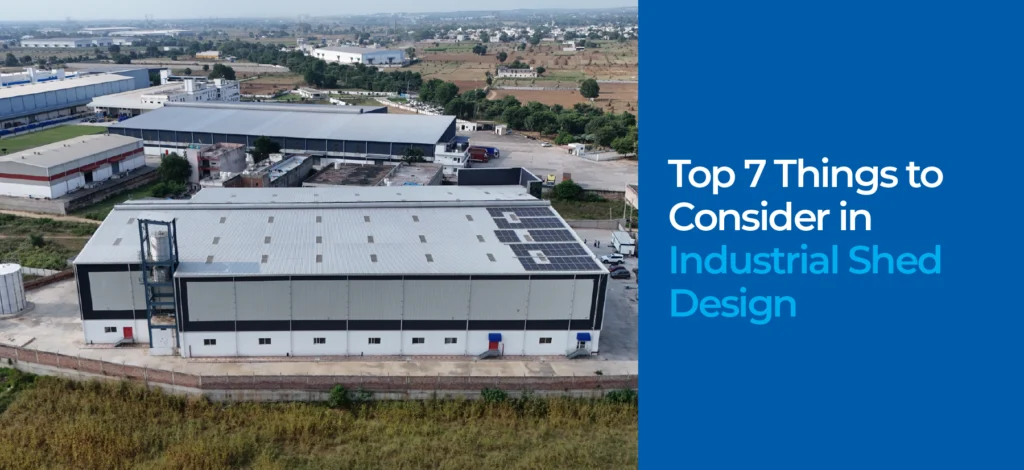
Top 7 Things to Consider in Industrial Shed Design

Industrial sheds are useful for factories, warehouses, workshops and storage spaces. They are strong structures made of steel or metal. When planning to build a shed, it is important to focus on the industrial shed design. A good design helps in saving money, increasing safety and using the space in the best way. Below are the top 7 important things to consider in industrial shed design. 7 Important Things to Think About When Planning an Industrial Shed Design 1. Purpose of the Shed The first thing to think about is the purpose of the shed. Every industrial shed design must match the use of the building. For example, if the shed is for storage, it may need high walls and more space inside. If it is for manufacturing, it must have space for machines and workers. The purpose also helps to decide how strong the structure should be. It will also affect the lighting, ventilation and design of the floor. So, before anything else, the purpose of the shed must be clear. 2. Location and Site Conditions The second important thing is the location. The industrial shed design must suit the place where it will be built. The climate of the area must be checked. In hot areas, proper ventilation and cooling systems are needed. In rainy areas, the roof must have proper slope for water to flow down. The soil condition is also important. Strong soil supports the shed well. Weak soil may need extra foundation work. The surrounding area should allow easy transport and enough open space. 3. Type of Materials Used Material is a key part of every industrial shed design. The most common material used is steel. Steel is strong and lasts long. It can hold heavy weight and does not get damaged easily. Good materials make the shed safe and reduce maintenance costs. The type of roof sheets, wall panels and paint used also matter. These help in making the shed weatherproof. Good materials also help in keeping the temperature inside the shed comfortable. 4. Size and Layout The size and layout of the shed depend on how the shed will be used. The industrial shed design must provide enough space for machines, workers and storage. The layout should make movement inside the shed easy. There must be space for doors, windows and pathways. The height of the shed must match the use. Taller sheds are needed for cranes or tall equipment. Planning the layout well makes work faster and safer. 5. Ventilation and Lighting Proper ventilation is very important in an industrial shed design. It helps to keep air fresh inside the shed. It also removes heat, dust and fumes. This is important for workers’ health and for the machines to work well. Lighting is also necessary. Natural light saves energy. Transparent roof sheets or skylights can be added. For night work, energy efficient lights should be used. A well lit shed improves safety and work quality. 6. Safety Features Safety should never be ignored in industrial shed design. The design must follow safety rules and building laws. Fire exits, emergency doors and alarms must be included. The shed must be able to handle strong winds, earthquakes and heavy loads. Slip proof floors, proper drainage and lightning protection systems are also helpful. Safe design protects workers and reduces risk of damage to goods and machines. 7. Future Expansion and Budget Many businesses grow with time. So, industrial shed design should allow future expansion. The structure should support the addition of more space later. This helps in saving money in the long run. The budget is also important. The design should match the budget without reducing quality. A good design reduces future repair costs and saves energy. It is better to invest in a strong and useful shed in the beginning. Conclusion A well planned industrial shed design is important for every business that needs a strong and useful building. It helps to increase safety, improve work quality and save costs. Before building, one must think about the purpose, location, materials, size, safety and future use of the shed. Choosing the right company is also important. Trusted industrial shed manufacturers know how to provide good quality and safe designs. Willus Infrastructure is one such company that offers professional solutions for every type of industrial shed need.

Low Cost Prefabricated Houses
Uncategorized

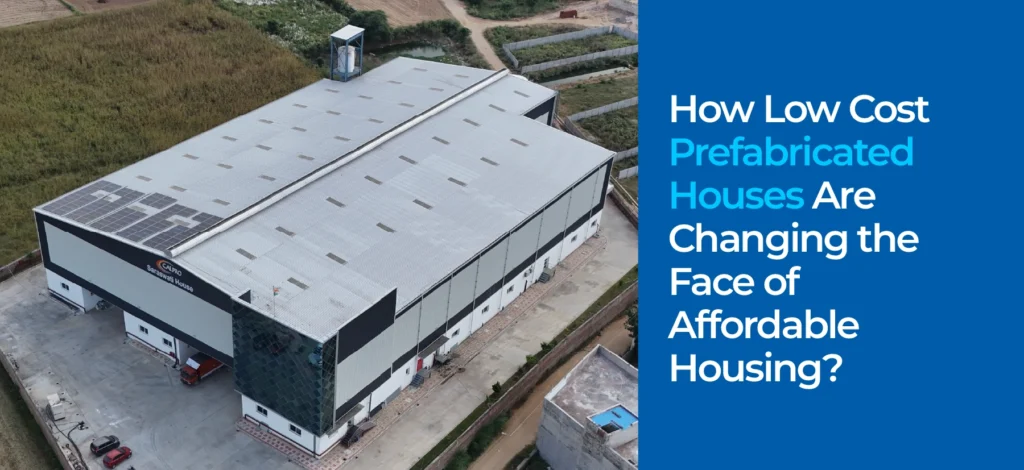
How Low Cost Prefabricated Houses Are Changing the Face of Affordable Housing

The demand for affordable housing is increasing every day. Many people need houses that are safe, strong and low in cost. One of the best options for this is low cost prefabricated houses. These houses are built using parts made in a factory. The parts are then transported to the land and joined together to make a complete house. This method of building is fast, easy and much cheaper than normal construction. Low cost prefabricated houses are becoming more popular in many places. They are useful in both cities and rural areas. Many builders and government projects are now using this method. It helps people get their own homes quickly and at a low cost. What Are Low Cost Prefabricated Houses? Low cost prefabricated houses are made by joining different parts. These parts are made in a factory. Walls, roofs and floors are prepared in advance. Then they are taken to the location where the house needs to be built. The workers put the parts together at the site. This method is very simple. It saves time and money. Low cost prefabricated houses are not only cheap but they are also strong and long lasting. These houses can be used in all kinds of weather. They are safe for families to live in. The materials used in low cost prefabricated houses include steel frames, cement boards, sandwich panels and other light materials. These houses are designed in a way that keeps them cool in summer and warm in winter. Advantages of Low Cost Prefabricated Houses There are many benefits of using low cost prefabricated houses for affordable housing. The biggest benefit is the cost. These houses are much cheaper than traditional houses. This helps many families who cannot afford expensive homes. The second advantage is speed. Since the parts are made in the factory, the house takes very little time to build. Some houses are ready in just a few weeks. Another good point is less waste. In normal construction, a lot of materials go to waste. But in low cost prefabricated houses, all materials are used properly. This helps the environment. These houses are also flexible. They can be built in different sizes and styles. People can choose how many rooms they want. They can also add a kitchen, bathroom and living space. Low cost prefabricated houses can be built in small plots. They are also easy to move and change if needed. Use in Affordable Housing Projects Many affordable housing projects are now using low cost prefabricated houses. These houses are a good solution for families with low income. They help people who live in rented houses or slums to get a better living space. Governments, NGOs and private builders are using this method. It allows them to build more houses in less time and with less money. This helps them reach more people in need. Low cost prefabricated houses are used in different areas. They are used for people living in rural villages, small towns and even in big cities. These houses can be built quickly after natural disasters or emergencies to help people who lost their homes. Design and Customisation Even though these houses are cheap, they can still look good. Low cost prefabricated houses can be designed in many ways. People can select how many rooms they want. They can also choose wall colours, windows, doors and roofs. Inside the house, people can have kitchens, bathrooms, bedrooms and halls. Some houses also have porches or small garden spaces. The designs can be simple or modern, depending on the budget. These houses give people the choice to build a home that suits their family and lifestyle. Low cost prefabricated houses can also be changed later. If a family grows, they can add more rooms. This makes these houses a smart and flexible choice. Strength and Quality Some people may think cheap houses are not strong. But low cost prefabricated houses are made with high quality materials. They are built to last many years. The structure is strong enough to handle heavy rains, heat and wind. Sandwich panels are used in the roof and walls. These panels provide insulation and protect the house from weather changes. The houses stay safe and dry during monsoon and cold weather. They are also easy to clean and maintain. People can live in these homes without fear of damage. Eco Friendly and Clean Low cost prefabricated houses are also better for the environment. The factory process produces less dust, noise and pollution. Since most of the work is done in the factory, the construction site stays clean and safe. There is also less waste. All the materials are measured and used properly. Many of these houses use solar lights, LED bulbs and energy saving appliances. This helps reduce electricity bills. People can also install rainwater harvesting systems and grow small gardens. These things make the house more eco friendly and healthy to live in. A Good Option for the Future The world needs more houses. But building in the traditional way is slow and expensive. Low cost prefabricated houses offer a smart way to solve this problem. These houses are simple to build, low in cost and strong enough for long term use. They are helping to close the gap between rich and poor by giving everyone a chance to own a home. Many countries, including India, are using this method for mass housing. It is expected that more people will turn to low cost prefabricated houses in the coming years. Conclusion Low cost prefabricated houses are changing the way we think about affordable housing. They are cheap, easy to build and suitable for different needs. These homes help people live in better conditions without spending too much money. They are also safe, modern and environment friendly. These houses can be built in villages, towns, cities and even remote areas. They are giving hope to families who dream of owning a home. If you are seeking the best manufacturer and

Sandwich Panel Roof
Uncategorized

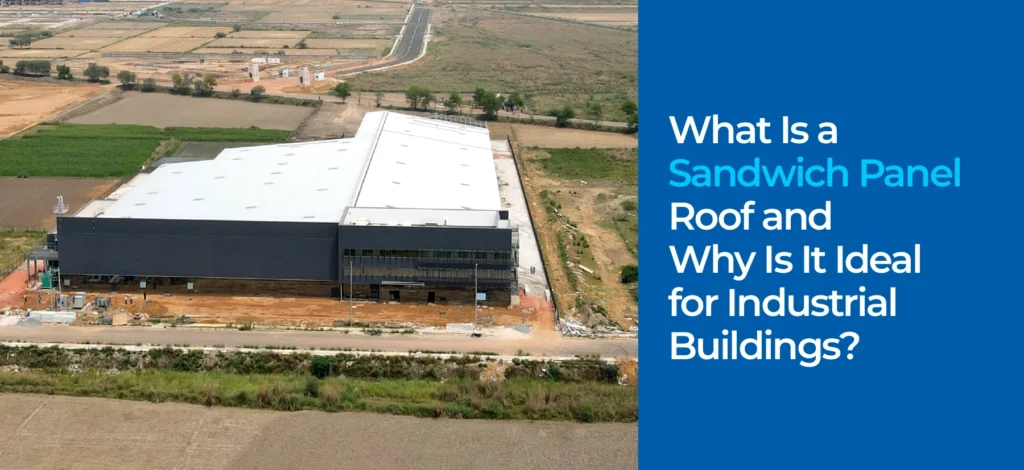
What Is a Sandwich Panel Roof and Why Is It Ideal for Industrial Buildings?

A sandwich panel roof is used in many industrial buildings today. It is a smart and simple way to cover the top of a building. It is strong, light and easy to install. It also helps to keep the building cool in summer and warm in winter. Many companies are now choosing a sandwich panel roof for their factories, warehouses and storage buildings. This type of roof is helping them save time and money. It also lasts for many years with very little repair. What Is a Sandwich Panel Roof? A sandwich panel roof is made of three layers. The top layer is metal. The middle layer is insulation. The bottom layer is also metal. The insulation is placed between the two metal sheets. This is why it is called a “sandwich” panel. The middle layer can be made of different materials like foam, rock wool or polystyrene. These materials help to keep the building warm or cool, depending on the weather. The outer metal sheets protect the roof from rain, wind and sun. This type of roof is strong and simple. It can be used in many different types of buildings. It is also quick to set up, which saves a lot of time during construction. Understanding the Sandwich Panel Roof and Its Benefits for Industrial Buildings Easy and Fast to Install A sandwich panel roof is easy to install. The panels come ready from the factory. They do not need to be made at the building site. This saves time and reduces the need for extra workers. The panels are light in weight, so they are easy to lift and move. This makes the work faster and safer. Many buildings can be finished in just a few days because the panels are easy to place and fix. Using a sandwich panel roof can cut down the total construction time by a lot. It helps companies start their work or business sooner. Saves Energy and Money One of the best things about a sandwich panel roof is that it saves energy. The insulation in the middle layer keeps heat out during summer. It also keeps warmth inside during winter. Because of this, companies use less electricity for cooling or heating. This helps to save money on energy bills. It also makes the building more comfortable for workers. Over time, this leads to big savings. It also reduces the impact on the environment. Long Life and Low Maintenance A sandwich panel roof is strong and durable. It does not get damaged easily. It can handle rain, strong wind and even snow. The panels do not rust or crack easily. They also do not need a lot of repair or cleaning. This helps to save money on maintenance. A well installed sandwich panel roof can last for many years. The strong materials make sure the roof stays safe and protects everything inside the building. Fire and Sound Protection Some types of sandwich panel roof are made with special fire resistant materials. These roofs do not catch fire quickly. This gives more safety to the building and the people inside. These roofs also reduce outside noise. This is very useful in busy areas or near roads. Inside the building, it stays quieter and more peaceful. Many factories and workshops like this because it helps people work better and with less stress. Clean and Modern Look A sandwich panel roof also looks good. It gives the building a neat and modern appearance. The panels come in different colours and finishes. The surface of the roof stays clean for a long time. Dust and dirt do not stick easily. Even after many years, the roof looks fresh and tidy. This helps companies keep their buildings looking professional. A good looking building is also better for business and clients. Used in Many Places A sandwich panel roof can be used in many types of buildings. It is perfect for factories, godowns, workshops and storage units. It is also used in cold storage, showrooms and even some offices. The panels can be made in different sizes. They can be cut and shaped to fit any kind of building. This makes them very flexible and useful in many projects. It is now used in both small and big projects across the country. Builders like it because it is fast and easy to work with. Good Choice for the Future As more people look for quick and affordable ways to build, the sandwich panel roof is becoming more popular. It is simple, useful and saves money in the long run. It helps companies reduce energy use, build faster and keep their workers comfortable. It also makes the buildings safer and better looking. With all these benefits, this roofing option is clearly a smart choice for today and for the future. Conclusion A sandwich panel roof is one of the best options for industrial buildings. It is light, strong and easy to install. It helps save time, money and energy. It is safe, looks good and lasts a long time. Many builders and companies are using this roofing system for their projects. It is helping them finish work faster and reduce extra costs. If you are seeking the right manufacturer for your next project, then choose Willus Infrastructure. We are a well known PEB Building Manufacturer in India, providing modern building options with great quality and service. A sandwich panel roof is not just a smart choice, it is the future of industrial roofing.

Prefab Houses
Uncategorized

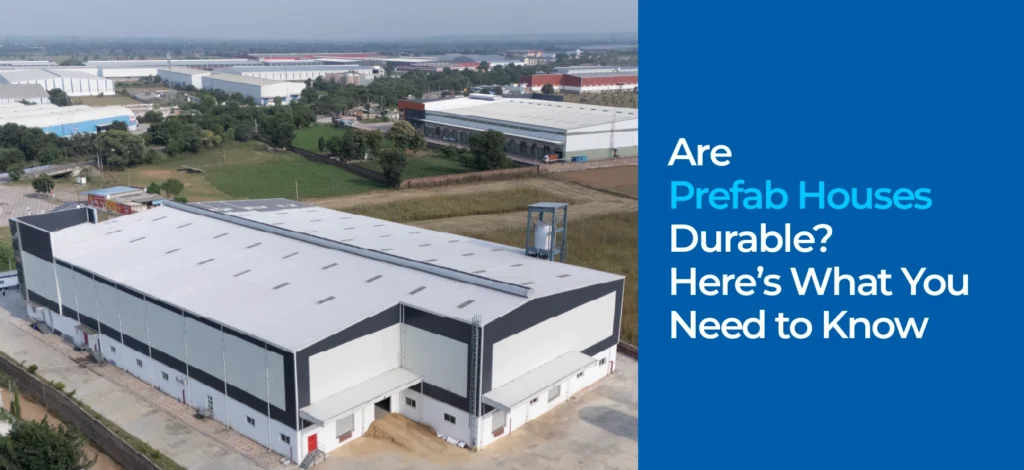
Are Prefab Houses Durable? Here’s What You Need to Know

Many people have started choosing prefab houses. These houses are made in a factory and then moved to the place where they will be used. They are built in parts and then joined together at the site. This way of building is faster and cleaner than normal construction. But a common question people ask is this: are prefab houses strong and long lasting? In this blog, we will explain everything you need to know about their durability. We will talk about how they are made, what materials are used, how they stand in different weather and how long they can last. What Are Prefab Houses? Prefab houses are homes that are not built completely at the site. Instead, most parts of the house are built inside a factory. These parts include the roof, walls, floor, doors and windows. Once the parts are ready, they are sent to the location where the house needs to be built. Workers join the parts together at that place. This type of construction is also called modular or pre engineered housing. These houses take less time to build. They also cause less mess and reduce extra work. Factories use machines and tools to make sure the size and shape of each part is correct. This makes prefab houses very neat and clean. What Materials Are Used? The materials used to build prefab houses are strong and modern. Most companies use steel, cement boards and insulated wall panels. One common material used is PUF, which is short for Polyurethane Foam. This material keeps heat and cold from entering the house. It helps save electricity and keeps the inside of the house comfortable. Some panels also stop outside noise from coming in. The steel used in the structure is rust proof. It does not get damaged by water or insects. Cement boards are also strong and do not crack easily. These materials make the house strong from inside and outside. How Long Do Prefab Houses Last? Many people think that prefab houses do not last long. But this is not true. A well made prefab house can last for 30 to 50 years. Some can even last longer if they are looked after properly. Many builders offer warranties for 20 or 25 years on the structure. The long life of a prefab house depends on the quality of materials and the way it is built. If good materials are used and the workers follow the correct method, then the house will be strong. Regular care, like cleaning the roof or checking the walls, can also help the house stay good for a long time. Can Prefab Houses Handle All Weather Conditions? Prefab houses are made to handle different types of weather. Whether the place is hot, cold or rainy, these homes can be adjusted as needed. In hot areas, walls can be made with insulated panels to block heat. In cold areas, heaters and warm walls can be added. In places with heavy rain, waterproof roofs and drainage pipes are used. In areas with earthquakes, lighter and stronger steel frames are used. These help the house stay safe during shaking. Wind resistant doors and windows are also added in areas with strong winds. So yes, prefab houses can be made for all weather conditions. You just need to choose the right design and materials. How Easy Is It to Take Care of a Prefab House? Taking care of prefab houses is simple. The parts used in the house are made to last long. Many panels do not need painting often. The walls and roof can be cleaned easily. If any part gets damaged, it can be removed and replaced without breaking the whole structure. Termites and pests do not harm these houses easily. The steel is coated so that it does not rust. The panels do not soak water, so there is less chance of damp walls. With normal cleaning and some checks every year, the house can remain in good shape for many years. Are Prefab Houses a Good Choice? Prefab houses are a good option for many reasons. They are faster to build, cheaper to maintain and help save energy. These houses are also strong and safe. They can be built in cities, towns, farms and even in faraway areas. These houses are useful for people who need a home quickly. They are also good for schools, hospitals and offices. Since the parts are made in a factory, there is less chance of mistakes. The size and fit are always right. The final look is clean and modern. Conclusion To sum up, prefab houses are not weak or short lived. They are made with care, using high quality materials. These houses can stay strong for many years. They can be used in all kinds of places and weather. They are easy to clean and take care of. Many people are now choosing prefab houses because they are smart, safe and save time. If you are looking for trusted builders, then one of the names known for quality and reliability in this field is Willus Infrastructure Pre Fabricated Buildings Manufacturers in India. Choosing the right builder is important for getting a durable and long lasting prefab home.

Scroll to Top