Willus Infra

Author name: dinesh

Uncategorized

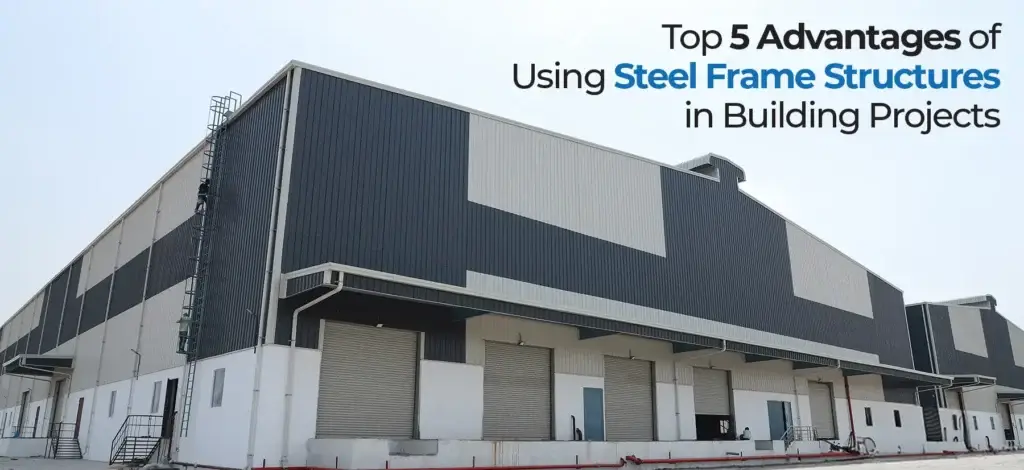
Top 5 Advantages of Using Steel Frame Structures in Building Projects

Builders and architects are always on the lookout for materials that provide strength, flexibility, and cost-effectiveness. Among the various options, steel frame structures have emerged as a popular choice for building projects. But why exactly are they so favored? Let’s explore the top five advantages of using steel frame structures in construction. Benefits Of Using Steel Frame Structures In New Construction 1. Durability and Strength One of the most significant advantages of using a steel frame structure is its incredible durability and strength. Unlike wood or concrete, steel does not warp, twist, or shrink, ensuring that the structure remains stable for many years. Steel frames are also resistant to pests like termites, which can cause severe damage to wooden structures. According to the American Institute of Steel Construction, steel has the highest strength-to-weight ratio of any building material. This means that while it is strong, it is also lightweight, reducing the overall load on the foundation and making it ideal for high-rise buildings and structures in seismic zones. 2. Cost-Effectiveness Building with steel frame structures can lead to significant cost savings. The use of prefabricated steel components reduces the amount of time required for on-site construction, which, in turn, cuts down on labor costs. Furthermore, steel is recyclable, and using recycled steel in construction can reduce material costs. A study by the World Steel Association found that steel-framed buildings can save up to 10% in construction costs compared to traditional building materials. This cost-effectiveness, combined with the longevity of steel, makes it an attractive option for builders looking to maximize their return on investment. 3. Flexibility in Design Another key advantage of steel frame structures is their flexibility in design. Steel can be molded into various shapes and sizes, allowing architects and designers to create more innovative and modern structures. The malleability of steel means that it can accommodate large open spaces without the need for internal load-bearing walls. This flexibility is particularly useful for commercial buildings, such as offices or retail spaces, where an open floor plan is often preferred. Additionally, the adaptability of steel allows for easy modifications and extensions to the structure in the future, providing long-term value for building owners. 4. Speed of Construction Time is a crucial factor in any building project, and steel frame structures offer a significant advantage in this regard. Steel components are typically manufactured off-site in a controlled environment and then transported to the construction site for assembly. This method, known as prefabrication, reduces construction time by up to 50% compared to traditional building methods. A report by the National Institute of Building Sciences states that prefabricated steel structures can reduce project timelines by 30% to 50%. The faster completion of projects not only saves money but also allows businesses to begin operations sooner, making steel an efficient choice for time-sensitive projects. 5. Environmental Sustainability Sustainability is a growing concern in the construction industry, and steel frame structures are an environmentally friendly option. Steel is 100% recyclable, and the recycling process does not degrade its quality, meaning it can be reused multiple times without losing strength. In fact, according to the Steel Recycling Institute, over 80 million tons of steel are recycled each year in North America alone. Additionally, using steel frames reduces the need for other materials that have a more significant environmental impact, such as concrete or wood. Steel also contributes to energy efficiency in buildings. Its high strength allows for thinner walls and larger windows, providing more natural light and reducing the need for artificial lighting during the day. Conclusion The use of steel frame structures in building projects offers several significant advantages. From durability and strength to cost-effectiveness, flexibility in design, speed of construction, and environmental sustainability, steel proves to be a superior material for modern construction needs. With increasing awareness of sustainability and the need for efficient building practices, steel frame structures are set to become even more popular in the coming years. Understanding these benefits of Structural Steel Framing, builders, architects, and property developers can make informed decisions and can help in choosing best steel structure manufacturers and the related materials that not only meet their immediate needs but also provide long-term value and sustainability.
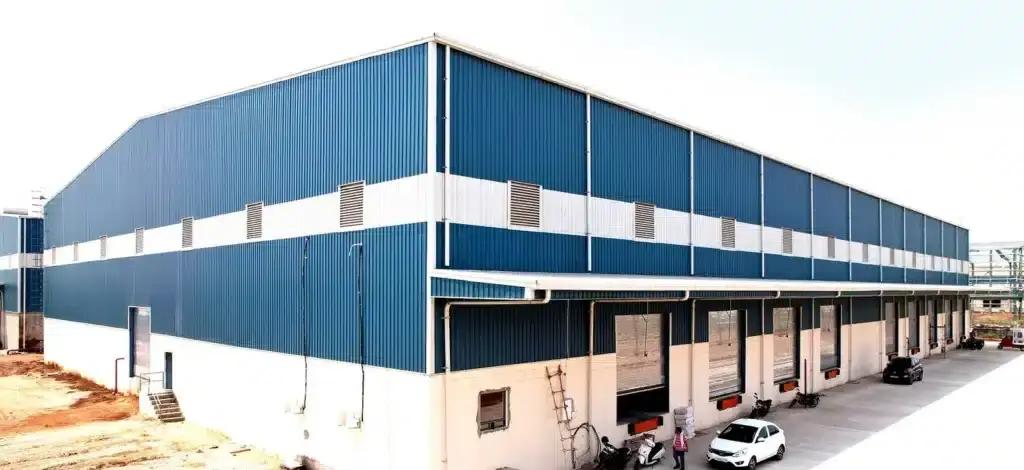
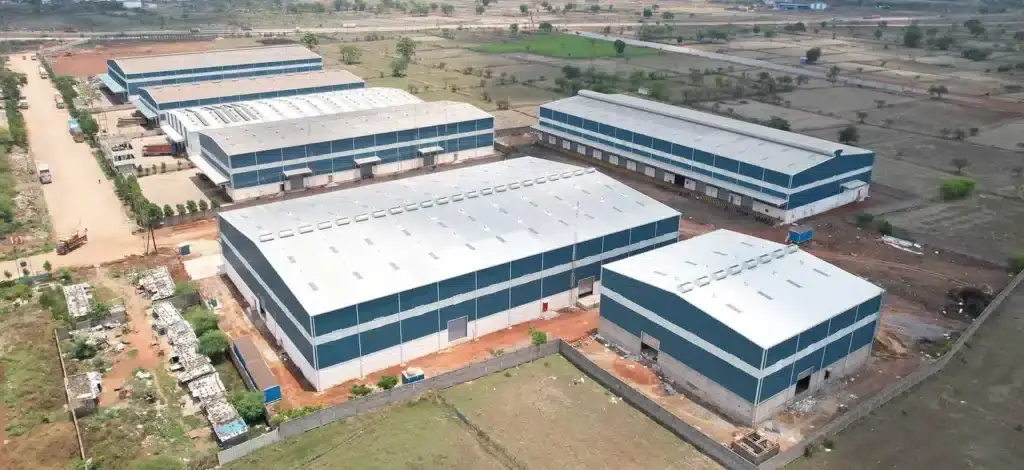
pre engineered building manufacturers
Uncategorized

How Pre Engineered Building Manufacturers in India Are Shaping Modern Infrastructure

Pre-engineered buildings (PEBs) are transforming India’s construction scene. These are constructions that are developed and constructed in a factory and then erected on the construction site. PEBs, with their speed, flexibility, and cost-effectiveness, are transforming modern infrastructure. Let’s explore how pre engineered building manufacturers in india are shaping the future of infrastructure in a big way. 1. Speeding Up Construction One of the biggest advantages of pre-engineered buildings is the speed of construction. Traditional construction methods can take months or even years, but PEBs can be assembled much faster. According to a report by ResearchAndMarkets.com, the use of PEBs can reduce construction time by up to 50%. This is because most components are pre-manufactured in a controlled environment, reducing the time spent on-site. Faster construction is particularly beneficial for industries that need to start operations quickly, such as logistics, warehousing, and retail. For example, when Amazon planned to expand its warehouse facilities in India, it opted for pre engineered building manufacturers in india to meet tight deadlines. The speed of construction allowed Amazon to begin operations sooner, saving both time and money. 2. Enhancing Cost-Effectiveness Cost is always a significant factor in construction projects, and this is another area where pre-engineered buildings excel. Traditional construction often involves unexpected costs due to delays, weather conditions, and fluctuating material prices. In contrast, PEBs are pre-manufactured in a controlled environment, reducing the risk of unexpected expenses. A study by PwC India found that using pre-engineered buildings can reduce overall project costs by 20-30%. This cost-saving comes from reduced labor costs, minimized material waste, and faster construction times. For businesses looking to build new facilities or expand existing ones, these savings can be substantial. 3. Promoting Sustainability Sustainability is becoming a critical concern in the construction industry. Pre-engineered buildings are more sustainable than traditional buildings in several ways. First, they use fewer materials and generate less waste. Since components are manufactured in factories, there is less cutting and trimming at the construction site, which means less waste. Second, pre engineered building manufacturers in india often use recycled materials like steel, which is highly sustainable. According to the World Steel Association, around 98% of structural steel used in construction can be recycled, making it one of the most environmentally friendly building materials available. Moreover, PEBs are energy-efficient. Their design allows for better insulation and natural lighting, which can reduce energy consumption by up to 30%, according to a report by Green Building Council of India. This makes PEBs a smart choice for businesses aiming to lower their carbon footprint. 4. Offering Flexibility and Customization Pre-engineered buildings provide a high degree of flexibility and customization, making them ideal for various industries, including warehouses, factories, schools, and sports arenas. Unlike traditional buildings, which often have rigid designs, PEBs can be easily modified and expanded to meet changing needs. For instance, a company may initially need a small warehouse but later decide to expand as business grows. With pre engineered building manufacturers in india, such modifications can be made quickly and without significant disruption. This adaptability is particularly valuable in a rapidly changing business environment where companies must respond to market demands swiftly. 5. Improving Safety Standards Safety is another area where pre-engineered buildings have an edge. Since most of the construction occurs in a controlled factory environment, there are fewer risks associated with on-site construction activities. This reduces the chances of accidents and ensures a safer working environment for construction workers. Furthermore, pre engineered building manufacturers in india are designed to meet stringent safety standards. The materials used are often fire-resistant, and the buildings can be engineered to withstand natural disasters like earthquakes. According to the National Institute of Disaster Management, buildings in India must now comply with new earthquake-resistant design standards, and PEBs are well-suited to meet these requirements. 6. Supporting Urbanization and Industrialization India is urbanizing rapidly, with the United Nations predicting that by 2050, 60% of India’s population will live in cities. To accommodate this growing urban population, India needs to build new infrastructure quickly and efficiently. Pre-engineered buildings offer a solution that meets these needs. Pre engineered building manufacturers in india are already being used extensively in the construction of airports, metro stations, shopping malls, and industrial facilities. For example, the Delhi Metro Rail Corporation used pre-engineered steel structures for the construction of some of its metro stations. This not only sped up the construction process but also minimized the impact on the surrounding environment. 7. Boosting Local Economy and Employment The growing demand for pre-engineered buildings in India is also boosting the local economy. The PEB industry has created numerous job opportunities in design, engineering, manufacturing, and construction. According to a report by IBEF, the PEB sector in India is expected to grow at a compound annual growth rate (CAGR) of 11.6% between 2022 and 2027, leading to more jobs and economic growth. Local manufacturers are investing in advanced technologies and innovations to stay competitive. This not only benefits the industry but also contributes to the overall development of India’s manufacturing sector. 8. Encouraging Innovation and Technology Adoption Pre engineered building manufacturers in india in India are at the forefront of adopting new technologies and innovations. They use computer-aided design (CAD) software, Building Information Modeling (BIM), and advanced robotics to manufacture and assemble components with precision. These technological advancements allow for better quality control, reduced errors, and improved efficiency. For example, using BIM technology, manufacturers can create a 3D model of the building before construction begins, allowing for more accurate planning and reduced material waste. According to a study by Deloitte India, companies that adopt such technologies can reduce project costs by up to 10%. Conclusion Pre engineered building manufacturers are playing a pivotal role in shaping the country’s modern infrastructure. With their ability to speed up construction, reduce costs, promote sustainability, and offer flexibility, PEBs are increasingly becoming the preferred choice for various sectors. As urbanization and industrialization continue to accelerate, the demand for PEBs is set to grow, driving

pre engineered building manufacturers in india
Uncategorized

How Prefabricated House Manufacturers in India Are Redefining Housing

India has seen a significant change in how homes are built. One of the most exciting developments in this field is the rise of prefabricated houses. Prefabricated, or “prefab,” houses are built using factory-made components, which are then assembled on-site. This method offers many advantages over traditional construction, and it’s becoming a popular choice among homebuyers and builders in India. Let’s explore how prefabricated house manufacturers in India are redefining housing in India. 1. Speed and Efficiency One of the biggest advantages of prefabricated houses is the speed at which they can be constructed. Unlike traditional homes that can take several months or even years to build, prefabricated houses can be completed in a matter of weeks. This is because most of the construction work happens in a controlled factory environment. The walls, roof, and other parts are made with precision and are ready to be put together like a puzzle at the building site. This saves a lot of time and reduces delays caused by weather or labor shortages. For example, a traditional brick-and-mortar house might take up to 12-18 months to complete, while a prefabricated house can be built in just 2-3 months. This quick turnaround is particularly beneficial for people who need a home quickly, such as those moving to a new city for work or those affected by natural disasters. 2. Cost-Effective and Affordable Prefabricated houses are also more cost-effective compared to conventional homes. Since the parts are made in a factory, prefabricated house manufacturers in India can buy materials in bulk, reducing costs. Additionally, less labor is required on-site, which further cuts down expenses. The savings from these efficiencies are often passed on to the buyer, making prefabricated homes a more affordable option. Moreover, prefabricated houses help avoid hidden costs that often arise in traditional construction projects, like extra labor charges or material wastage. With fixed pricing, buyers know exactly how much they will spend, which is a significant advantage for people on a budget. 3. Sustainable and Environmentally Friendly With growing concerns about the environment, many people are looking for greener housing options. Prefabricated homes are much more sustainable compared to traditional homes. The factory-controlled setting ensures precise measurement of materials, which means less waste. Additionally, these factories often recycle leftover materials, further reducing the impact on the environment. Prefabricated houses also tend to be more energy-efficient. Many prefabricated house manufacturers in India incorporate eco-friendly features such as solar panels, rainwater harvesting systems, and energy-efficient windows into their designs. These features not only reduce the carbon footprint but also help homeowners save on energy bills in the long run. 4. High-Quality Construction One might think that prefabricated houses are less durable or of lower quality than traditional houses, but this is far from the truth. In fact, the factory-made components of prefab homes are usually made under strict quality control, which can result in a better and more consistent finish. The materials used are often tested for durability and strength, ensuring they can withstand harsh weather conditions. Moreover, since the parts are built in a controlled environment, they are less likely to suffer from defects caused by external factors such as rain, heat, or cold. This level of quality control is challenging to achieve in traditional on-site construction, where many variables can affect the quality of work. 5. Flexibility in Design Another benefit of prefabricated houses is their flexibility in design. Prefabricated house manufacturers in India offer a wide range of styles and sizes to suit different needs and preferences. Whether you want a small cottage or a large family home, there are plenty of options available. Many prefabricated house manufacturers in India also allow for customization, meaning you can work with them to create a home that perfectly matches your vision. This flexibility extends beyond just aesthetics. Because prefab homes are made of separate modules, they can be easily expanded in the future if needed. This makes them ideal for growing families or people who may want to add more space later on. 6. Solving Housing Shortages India faces a significant challenge in providing affordable housing to its growing population. Prefabricated houses could be a solution to this problem. Because they are faster and cheaper to build, they can help address the country’s housing shortage more effectively than traditional methods. Governments and private organizations are increasingly looking at prefab homes as a viable option for providing low-cost housing to people in need. Conclusion  Prefabricated house manufacturers in India are transforming the housing industry by offering faster, cheaper, and more sustainable alternatives to traditional homes. With their many benefits—speed, affordability, quality, and flexibility—prefabricated houses are quickly becoming a popular choice for many Indians. If you are the one who loves to construct a house with the help of Prefabricated- Willus Infra pre fabricated building manufacturers helps you with that, we have 25 years of expertise. As more people recognize these advantages, the demand for prefab homes is expected to grow, helping to redefine housing in India for the better. Whether you are looking for an affordable home or an eco-friendly option, prefabricated houses offer a modern solution to meet your needs.

warehouse manufacturers
Uncategorized

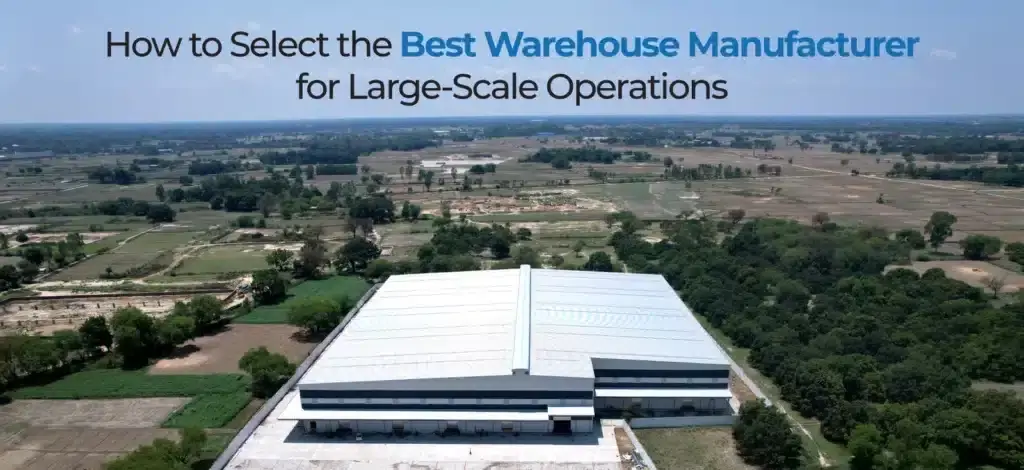
How to Select the Best Warehouse Manufacturer for Large-Scale Operations

Large-scale businesses rely heavily on efficient warehousing systems to support their operations. Whether you’re in manufacturing, retail, or e-commerce, the right warehouse setup can make a significant difference in managing inventory, fulfilling orders, and ensuring smooth logistical processes. Selecting the best warehouse manufacturers for large-scale operations is crucial for achieving these goals. But with so many options available, how do you make the right choice? This article will guide you through essential factors to consider when choosing a warehouse manufacturer, supported by relevant statistics and practical insights to help you make an informed decision. 1. Know Your Business Needs Before diving into selecting a warehouse manufacturers, it’s important to clearly understand your business requirements. Ask yourself questions like: What is the size of the warehouse you need? What types of products will be stored? Do you need specialized areas, such as cold storage or hazardous material storage? Will you require expansion in the future? According to a study by Statista, the global warehouse market is expected to grow at a compound annual growth rate (CAGR) of 7% from 2021 to 2026. This growth indicates an increasing demand for larger and more sophisticated warehouse solutions. 2. Evaluate Experience and Expertise The next step is evaluating the experience and expertise of potential warehouse manufacturers. Experienced manufacturers bring a wealth of knowledge in designing and constructing warehouses tailored to your industry. Look for manufacturers with a proven track record in building warehouses for businesses similar to yours. For instance, a manufacturer who has built warehouses for large e-commerce companies will understand the importance of fast-moving goods, order picking systems, and optimized storage layouts. On the other hand, manufacturers with experience in logistics and supply chain management may offer insights into cross-docking facilities, efficient loading/unloading bays, and advanced automation. 3. Focus on Customization and Flexibility One size does not fit all when it comes to large-scale operations. The best warehouse manufacturers provide customized solutions that align with your specific business needs. Flexibility in design is crucial, especially if your business might expand or evolve over time. For instance, a study by Deloitte found that 79% of businesses consider warehouse flexibility crucial for adapting to market changes. Whether it’s designing modular spaces, integrating automated systems, or accommodating multi-tier storage, a manufacturer who offers tailored solutions ensures that your warehouse will remain relevant as your business grows. 4. Consider Technology Integration Modern warehouses rely heavily on technology to streamline operations. Automation, robotics, warehouse management systems (WMS), and Internet of Things (IoT) devices are now integral to large-scale warehousing. When choosing a warehouse manufacturers, evaluate their capability to integrate these technologies seamlessly into the design. For example, automated storage and retrieval systems (AS/RS) can significantly increase storage efficiency, while WMS integration enhances inventory tracking and order management. A report by McKinsey highlights that warehouses with advanced automation and technology integration can improve productivity by up to 30%. Ensure the manufacturer has experience implementing these technologies and can provide future-proof solutions that keep your warehouse competitive. 5. Quality of Materials and Construction Quality should never be compromised when constructing a large-scale warehouse. The choice of materials used in the construction can affect the longevity, safety, and efficiency of your warehouse. Poor-quality materials can lead to frequent repairs, safety hazards, and higher maintenance costs. Look for warehouse manufacturers who use high-quality steel, reinforced concrete, and durable roofing solutions. In regions prone to extreme weather, ensure the materials can withstand harsh conditions. Additionally, pay attention to the quality of insulation, ventilation, and fire safety measures, as these are critical for long-term operations. 6. Assess Project Management and Timelines Large-scale warehouse construction is a complex process that involves multiple stages, including design, planning, procurement, and construction. Delays in any of these stages can have a cascading effect on your business operations. Therefore, it’s essential to choose a warehouse manufacturers with robust project management skills. Ask for references and case studies where the manufacturer successfully delivered projects within the agreed timelines. A manufacturer with effective project management practices will ensure that your warehouse is constructed on time, with minimal disruptions to your business plans. 7. Evaluate Cost and Return on Investment (ROI) While cost is a significant factor in selecting warehouse manufacturers, it should not be the sole determinant. A low-cost option may compromise quality, leading to higher long-term expenses. Instead, focus on the value you’re getting for your investment. Consider factors like: Initial construction costs Long-term operational efficiency Maintenance expenses Energy efficiency (green buildings can reduce energy costs by up to 25%) Calculating the return on investment (ROI) is vital. A well-constructed warehouse with the right design, technology, and materials can offer substantial savings in operational costs, faster order fulfillment, and lower labor requirements. 8. Compliance with Industry Standards and Regulations Warehouse construction involves adhering to specific industry standards and regulations, which vary depending on the location and type of business. Non-compliance can result in fines, legal issues, and operational disruptions. Ensure that the warehouse manufacturers is well-versed in local building codes, safety regulations, and environmental guidelines. They should also be capable of obtaining necessary permits and approvals, saving you from the hassle of navigating complex bureaucratic processes. 9. Post-Construction Support and Maintenance After your warehouse is built, ongoing maintenance and support are crucial for smooth operations. Select a manufacturer that offers post-construction services, such as regular inspections, repairs, and upgrades. Additionally, a warehouse manufacturers who provides training on operating specialized equipment, maintaining technology systems, and ensuring compliance with safety standards adds extra value. Proper maintenance ensures that your warehouse remains efficient and minimizes the risk of downtime. Conclusion Selecting the best warehouse manufacturers for large-scale operations requires a balanced approach, considering factors like customization, technology integration, material quality, and project management. By prioritizing your business needs and evaluating potential manufacturers based on their experience, expertise, and reputation, you can make an informed decision that ensures long-term success. Willus Infra warehouse manufacturers believes in delivering more than just warehouses; we provide reliable, custom-built solutions that perfectly align with your business

industrial shed manufacturers
Uncategorized

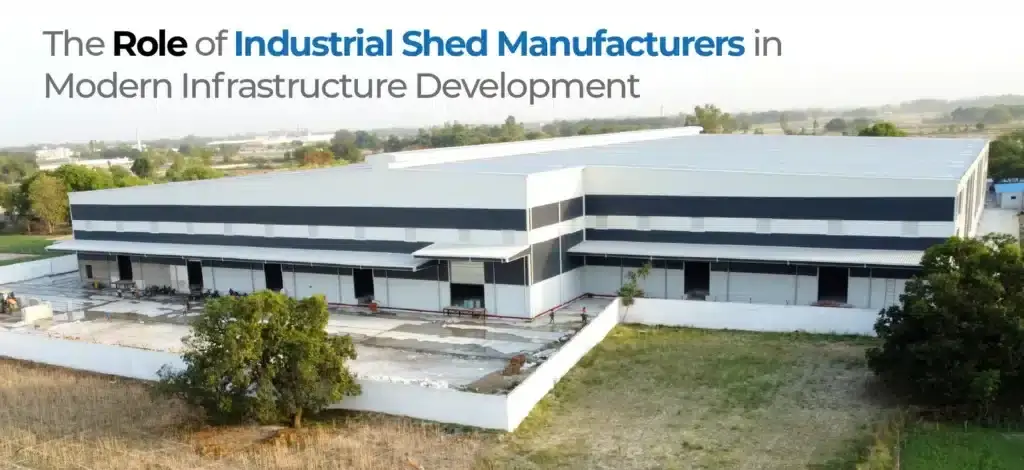
The Role of Industrial Shed Manufacturers in Modern Infrastructure Development

Industrial infrastructure is more important than ever nowadays. The backbone of modern industries lies not just in high-tech machinery or advanced technology but also in the buildings and structures that house them. One key aspect of this infrastructure is the industrial shed, a versatile and cost-effective solution for numerous applications. Industrial shed manufacturers play a pivotal role in shaping the modern industry of infrastructure development. Their expertise, design flexibility, and focus on sustainability have led to widespread usage across industries. In this article, we will delve into how these manufacturers are integral to infrastructure growth, focusing on design, functionality, sustainability, and statistics to highlight their importance. The Growing Demand for Industrial Sheds Over the last decade, the demand for industrial sheds has seen a significant surge. According to a 2023 report by Grand View Research, the global prefabricated buildings market, including industrial shed manufacturers, is expected to reach USD 153.7 billion by 2027, growing at a compound annual growth rate (CAGR) of 6.3% from 2020 to 2027. This growth is driven by several factors such as rapid industrialization, the rise of e-commerce, and the increasing need for warehousing solutions. Industrial shed manufacturers are at the forefront of meeting this demand. They provide tailored solutions that cater to the diverse needs of industries such as manufacturing, logistics, agriculture, and retail. These sheds are no longer simple structures made of steel sheets. They have evolved into sophisticated, customizable buildings designed to enhance operational efficiency and align with the latest industry standards. Design and Customize To Meeting Industry Needs One of the primary reasons for the growing importance of industrial shed manufacturers is their ability to offer customization. Unlike traditional buildings, which are often rigid in design, industrial sheds can be designed to fit the exact requirements of the business. Whether it’s a large warehouse for storing goods, a workshop for manufacturing, or a space for agricultural processing, industrial sheds offer unmatched flexibility. Industrial shed manufacturers work closely with clients to design structures that are not only functional but also aesthetically pleasing. The use of modern software tools and computer-aided designs (CAD) allows for the precise planning of every aspect of the shed. This flexibility makes industrial sheds an attractive option for businesses looking to scale quickly or repurpose their space. For instance, a logistics company might need a large, open space with easy access for trucks and forklifts. On the other hand, a manufacturing unit may require specialized sections for different processes, adequate ventilation, and room for heavy machinery. Industrial shed manufacturers can accommodate these diverse needs with their versatile designs, ensuring businesses get maximum value from their investment. Cost-Effectiveness and Speed of Construction Another significant advantage of industrial sheds is their cost-effectiveness. Traditional brick-and-mortar buildings can be expensive and time-consuming to construct. In contrast, industrial shed manufacturers are typically prefabricated, meaning that most of the components are made off-site and then assembled quickly at the location. This not only reduces labor costs but also shortens the construction timeline. Statistics reveal that prefabrication reduces construction time by up to 60% compared to traditional methods. A study by the Modular Building Institute found that projects using prefabricated structures experienced a 40% reduction in project schedules and a 20% decrease in costs. This speed and efficiency are particularly beneficial for businesses that need to establish their operations swiftly or expand their facilities without significant downtime. Industrial shed manufacturers use high-quality materials like galvanized steel, which offer durability and low maintenance. The longevity of these structures ensures that businesses can rely on them for years without significant upkeep costs, making them an attractive investment for industries of all sizes. Sustainability and Eco-Friendly Solutions As the world increasingly shifts towards sustainable practices, industrial shed manufacturers are also embracing environmentally friendly solutions. Sustainability has become a core aspect of modern infrastructure development, and industrial sheds are no exception. From energy-efficient designs to the use of recyclable materials, industrial shed manufacturers are taking significant steps to reduce the environmental footprint of these structures. Many industrial sheds are designed with energy-saving features like solar panels, rainwater harvesting systems, and natural ventilation. For example, integrating skylights and large windows can reduce the need for artificial lighting during the day, significantly lowering energy consumption. Additionally, the steel used in these sheds is often recyclable, making it a more sustainable choice compared to traditional building materials. The construction industry is responsible for nearly 39% of global carbon emissions, according to the United Nations Environment Programme (UNEP). By opting for prefabricated industrial sheds, businesses can contribute to reducing these emissions. Studies show that prefabricated buildings can cut waste by up to 30% compared to conventional construction, further highlighting their eco-friendliness. The Versatile Applications of Industrial Sheds The versatility of industrial shed manufacturers is another factor driving their popularity. These structures can be used for a wide range of applications, making them suitable for businesses across various sectors. Some common uses include: Warehousing and Storage: Industrial sheds are ideal for large-scale warehousing and storage needs. Their open space design allows for easy movement of goods and efficient inventory management. Manufacturing Units: Many small and medium enterprises (SMEs) rely on industrial sheds as cost-effective spaces for setting up their production lines. The ability to customize these sheds to fit specific manufacturing processes is a significant advantage. Agricultural Use: From grain storage to equipment housing, industrial sheds play a crucial role in the agricultural sector. Their durability and weather-resistant features make them perfect for farm-related applications. Retail Spaces and Showrooms: Industrial sheds are increasingly being used as retail outlets and showrooms. Their spacious design and quick construction make them an attractive choice for businesses looking to establish a presence in new locations rapidly. Workshops and Repair Centers: Automotive workshops, repair centers, and service stations benefit greatly from the flexible design and easy setup of industrial sheds. They offer the required space and infrastructure while keeping costs manageable. The Future of Industrial Shed Manufacturing The role of industrial shed manufacturers in modern infrastructure development cannot be

pre fabricated steel building
Uncategorized

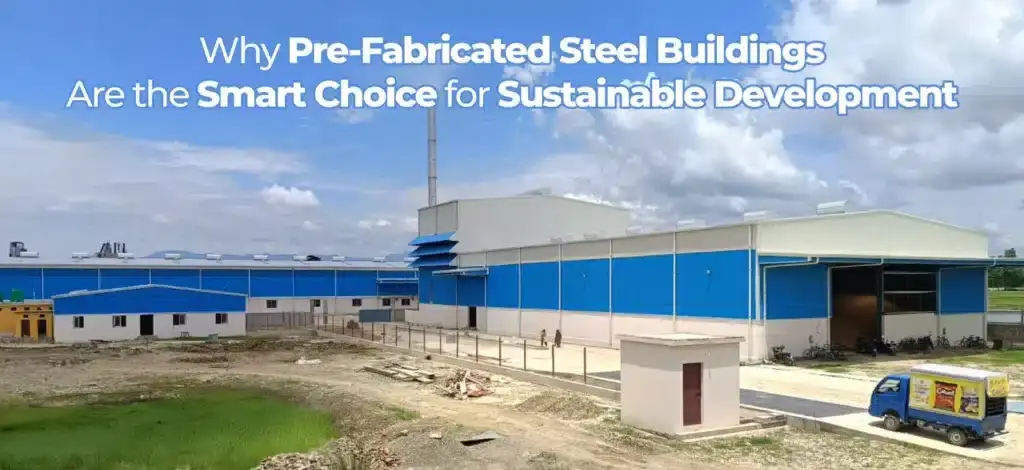
Why Pre Fabricated Steel Buildings Are the Smart Choice for Sustainable Development

Nowadays protecting our environment is more important than ever, and businesses are searching for smart, sustainable solutions. One option that stands out is pre-fabricated buildings. These buildings aren’t just strong and durable; they also offer a greener way to build. By choosing pre-fabricated steel, companies can reduce waste, save energy, and lower their carbon footprint. This approach supports a cleaner planet while still meeting the needs of modern businesses. In this article, we’ll explore why pre fabricated steel building are a smart choice for sustainable development, helping companies build for the future without harming the earth. Whether you’re planning a new office, warehouse, or factory, this solution offers benefits that go beyond the basics, making it the right choice for a sustainable future. The Growing Demand for Sustainable Construction The global construction industry is a major contributor to environmental degradation, accounting for about 39% of carbon emissions globally. With the increasing pressure to reduce carbon footprints, businesses are seeking construction methods that are both eco-friendly and efficient. pre fabricated steel building offer a compelling answer to this challenge. According to the World Steel Association, steel is one of the most recycled materials on the planet, with a global recycling rate of over 85%. This high recyclability makes steel an ideal choice for companies aiming to minimize waste and promote a circular economy. Moreover, pre-fabrication methods further enhance the sustainability of steel buildings by reducing material waste, lowering energy consumption, and speeding up construction times. The Environmental Advantages of Pre Fabricated Steel Buildings Reduced Material Waste Traditional construction methods often involve significant material waste due to onsite cutting, shaping, and fitting. In contrast, pre fabricated steel building are manufactured in controlled factory environments, where precise measurements and cutting technologies ensure that every piece of material is used efficiently. According to a report by the Building Research Establishment (BRE), pre-fabrication can reduce construction waste by up to 90%. This not only helps in conserving resources but also significantly reduces the amount of waste that ends up in landfills. Lower Energy Consumption The construction industry is notorious for its high energy consumption, from the extraction and processing of raw materials to the transportation and assembly of components. pre fabricated steel building, however, offer a more energy-efficient alternative. Since the components are manufactured in factories, energy usage is more controlled and optimized compared to traditional onsite construction. Additionally, the speed of assembly reduces the time and energy needed to keep construction sites operational. A study by the U.S. Department of Energy found that pre-fabricated construction methods could reduce energy consumption by up to 67% compared to traditional methods. Reduced Carbon Emissions The production of steel does involve carbon emissions, but advancements in technology have significantly reduced the carbon footprint associated with steel production. Moreover, because pre fabricated steel building require fewer deliveries of materials to the construction site, there is a corresponding reduction in transportation-related emissions. A study conducted by the Carbon Trust revealed that pre-fabricated buildings could reduce onsite CO2 emissions by as much as 45%. Longevity and Durability One of the most significant advantages of steel is its durability. pre fabricated steel building are resistant to many of the elements that typically degrade traditional buildings, such as termites, mold, and fire. This longevity means that steel buildings require less frequent repairs and replacements, leading to a reduction in the environmental impact over the building’s lifecycle. According to the World Steel Association, steel structures have a lifespan of 50 to 100 years, which is considerably longer than many traditional construction materials. Cost and Time Efficiency: The Business Case for pre fabricated steel building While the environmental benefits of pre-fabricated buildings are clear, businesses must also consider the financial implications. Fortunately, PEB steel buildings are not only sustainable but also cost-effective and time-efficient. Reduced Construction Time Time is money, especially in the business world. The faster a building can be completed, the sooner it can start generating revenue. pre fabricated steel building are assembled much quicker than traditional buildings because the components are pre-manufactured and simply need to be assembled on-site. This can reduce construction time by up to 50%, according to the Modular Building Institute. For businesses, this means a quicker return on investment and less time spent managing construction projects. Lower Labor Costs Because PEB steel buildings are easier and quicker to assemble, they require less labor. This not only reduces the overall cost of construction but also minimizes the risks associated with having workers onsite for extended periods. A study by McKinsey & Company found that pre-fabrication can reduce labor costs by 20-30%. Scalability and Flexibility Businesses today need to be agile, and pre fabricated steel building offer the flexibility to scale operations quickly. Whether a company needs to expand its warehouse space or add new office buildings, pre-fabricated steel structures can be customized and expanded with minimal disruption. This scalability is particularly valuable for businesses operating in fast-growing industries where the ability to adapt quickly to market demands is crucial. Long-Term Savings While the initial cost of pre fabricated steel building might be comparable to or slightly higher than traditional construction methods, the long-term savings are substantial. The durability of steel reduces maintenance and repair costs, while the energy efficiency of these buildings lowers utility bills. Additionally, many governments offer tax incentives and credits for businesses that invest in sustainable construction, further enhancing the financial benefits of PEB steel buildings. Supporting a Circular Economy Sustainability is not just about reducing waste and emissions; it’s also about creating systems that support a circular economy. In a circular economy, materials are reused and recycled, minimizing the need for new resources and reducing environmental impact. pre fabricated steel building are perfectly aligned with this concept. As mentioned earlier, steel is one of the most recycled materials in the world. When a steel building reaches the end of its life, the steel can be recycled and used to create new structures, reducing the demand for new raw materials. This not only conserves natural

Uncategorized

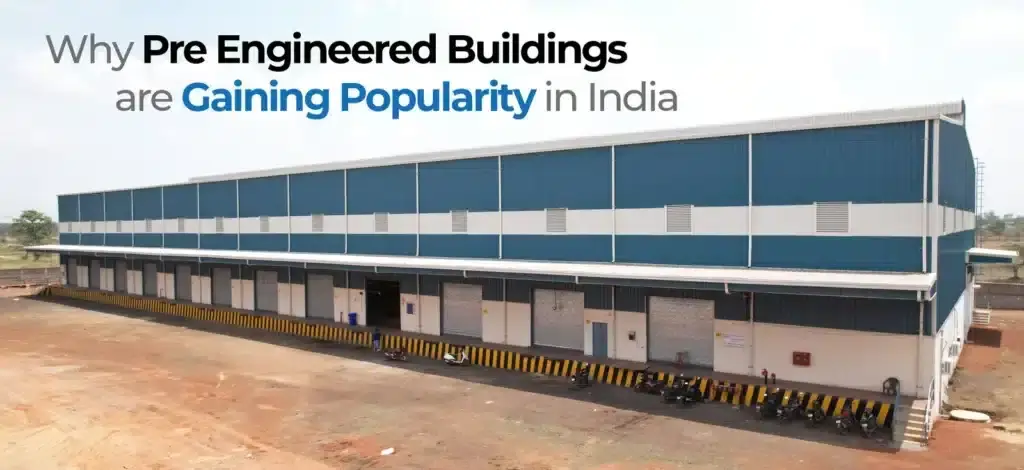
Why Pre Engineered Buildings Are Gaining Popularity In India

Pre Engineered Buildings have been steadily gaining traction in India over the past few years. These structures, designed and fabricated in a factory before being shipped and assembled on-site, offer a range of advantages over traditional construction methods that are increasingly appealing to businesses and individuals across the country. What are PEBs? Pre Engineered Buildings are essentially building kits, with structural components (columns, beams, and roof trusses) made from steel. The steel is cut, welded, and drilled to precise specifications in a controlled factory environment. The components are then transported to the construction site and bolted together, creating a robust and durable building structure. Key Advantages of Pre Engineered Buildings Several factors contribute to the increasing popularity of PEBs in India: Speed of Construction: PEBs are significantly faster to construct than traditional buildings. Since the components are pre-fabricated, the construction process is streamlined, reducing project timelines by as much as 50%. This translates to cost savings and faster project completion. Cost-Effectiveness: Pre Engineered Buildings are often more cost-effective than conventional construction methods. The use of standardized components, reduced construction time, and lower labor requirements contribute to significant cost savings. Some estimates suggest that PEBs can be up to 30% cheaper than traditional buildings. Design Flexibility: PEBs offer a high degree of design flexibility. They can be customized to suit a variety of needs and aesthetics. Whether it’s a simple warehouse or a complex industrial facility, PEBs can be designed to meet specific requirements. Durability and Strength: Pre Engineered Buildings are known for their durability and strength. Steel, the primary material used in PEBs, is inherently resistant to fire, pests, and harsh weather conditions. This makes PEBs a reliable and long-lasting building solution. Sustainability: PEBs are a sustainable building option. The steel used in PEBs is recyclable, and the construction process generates less waste than traditional methods. Additionally, PEBs can be designed to be energy efficient, further reducing their environmental impact. Applications of Pre Engineered Buildings in India PEBs find applications across various sectors in India: Industrial Buildings: PEBs are extensively used for factories, warehouses, and manufacturing facilities due to their speed of construction, cost-effectiveness, and design flexibility. Commercial Buildings: PEBs are increasingly being used for showrooms, shopping malls, and office buildings due to their aesthetic appeal and adaptability. Infrastructure Projects: PEBs are used for airport terminals, railway stations, and bus depots due to their durability and speed of construction. Agricultural Buildings: Pre Engineered Buildings are used for poultry sheds, dairy farms, and storage facilities due to their low maintenance requirements and resistance to pests and weather. See What Study Says on the Growth of PEBs in India The Pre Engineered Buildings market in India is witnessing substantial growth. According to a report by “Research and Markets,” the Indian PEB market is expected to grow at a CAGR of over 12% from 2021 to 2026. This growth is attributed to factors such as rapid industrialization, increasing infrastructure development, and the rising demand for cost-effective and sustainable building solutions. Challenges and Future Outlook While PEBs offer numerous advantages, there are a few challenges that need to be addressed. One of the main challenges is the lack of awareness and understanding about PEBs among potential customers. There is a need to educate stakeholders about the benefits of PEBs and dispel any misconceptions. The future outlook for Pre Engineered Buildings in India is positive. The government’s focus on infrastructure development, the growth of the manufacturing sector, and the increasing adoption of sustainable building practices are expected to drive the demand for PEBs. With technological advancements and the increasing availability of skilled labor, PEBs are set to become even more popular in the years to come. Why Choose Willus Infra For PEB Construction? Choosing Willus Infra for your Pre Engineered Buildings construction project means choosing a team with over 25 years of expertise in delivering top-notch solutions. We understand your unique needs and tailor our services to fit your project perfectly. Our commitment to quality ensures fast execution, thorough validation checks, and minimal errors, saving you time and money. We pride ourselves on innovation, providing the most suitable PEBs for your specific requirements. With Willus Infra, you’re not just getting a building; you’re getting a partner dedicated to your project’s success. Conclusion Pre engineered buildings (PEBs) are transforming the construction industry in India, offering a faster, more cost-effective, and sustainable alternative to traditional construction. With their versatility and myriad of benefits, PEBs are a smart choice for a wide range of projects, from industrial facilities to commercial spaces. As India continues to prioritize infrastructure development and sustainable growth, the demand for PEBs is only expected to rise. Partnering with a trusted and experienced PEB provider like Willus Infra ensures that you harness the full potential of this innovative construction method. Our dedication to quality, innovation, and client satisfaction makes us the ideal partner for your next construction project. Embrace the future of construction with Willus Infra and unlock the numerous advantages of pre-engineered buildings.

Uncategorized

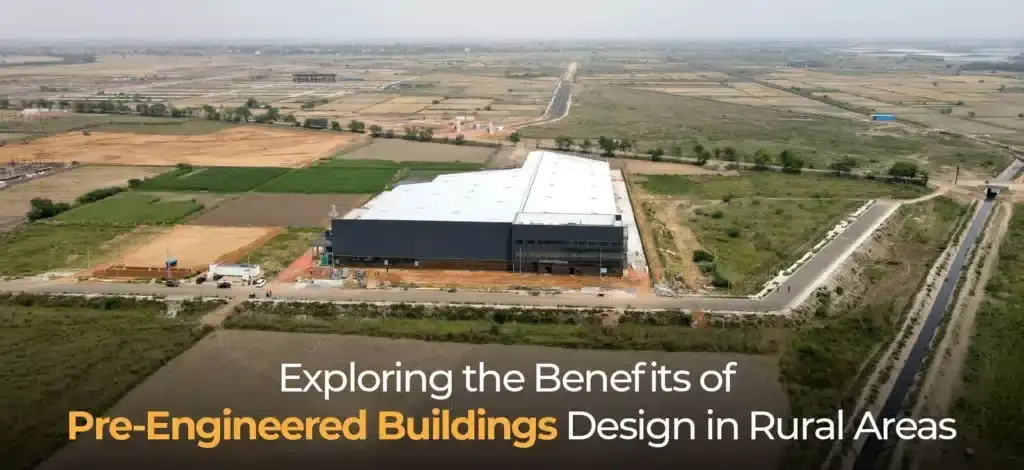
Exploring the Benefits of Pre-Engineered Buildings Design in Rural Areas

Rural areas are transforming. As development reaches beyond the urban sprawl, the need for robust and efficient buildings in rural areas is on the rise. Pre-engineered buildings (PEBs) are emerging as a game-changer in this scenario, offering a multitude of benefits that cater specifically to the requirements of countryside construction. What are Pre-Engineered Buildings? PEBs are a type of steel structure where the components are manufactured off-site based on pre-determined designs. These components are then shipped to the construction location and assembled quickly and efficiently. Unlike traditional construction methods that rely on onsite fabrication and curing, PEBs offer a standardized and streamlined approach. Why are PEBs Ideal for Rural Construction? Rural areas often face unique challenges when it comes to building projects. Here’s how PEBs address these challenges and offer significant advantages: Faster Construction Time is a valuable commodity, especially in rural areas where projects might be seasonal or have a limited window for completion. PEBs boast significantly faster construction times compared to traditional methods. Since the components are pre-fabricated, the on-site assembly is swift, minimizing project downtime and allowing for quicker occupancy. Cost-Effectiveness Rural projects often operate with tighter budgets. PEBs offer significant cost savings due to several factors. The standardized designs eliminate the need for extensive on-site engineering and reduce labor costs. Additionally, the efficient use of materials and minimal wastage contributes to overall cost savings. Reduced Reliance on Skilled Labor Finding skilled labor can be a challenge in rural areas. PEBs require a smaller workforce for assembly compared to traditional construction. The standardized components and clear assembly instructions make it easier to train a workforce quickly, reducing dependence on highly specialized skills. Durability and Resilience Rural areas can experience harsh weather conditions. PEBs are designed to withstand strong winds, heavy snowfall, and seismic activity. The high-quality steel construction ensures longevity and minimal maintenance requirements, making them ideal for the rural environment. Design Flexibility Despite the standardized components, PEBs offer a surprising degree of design flexibility. The modular nature of the system allows for various configurations to suit different purposes. Warehouses, agricultural storage facilities, community centers, and even schools can be built using PEBs with modifications for aesthetics and functionality. Scalability and Future Expansion Rural needs can evolve over time. PEBs cater to this by offering easy scalability. Additional bays or sections can be readily added to an existing structure to accommodate future growth, eliminating the need for entirely new buildings. Sustainability Considerations While steel construction might raise concerns about environmental impact, PEBs can be surprisingly sustainable. The use of recycled steel and the minimal on-site waste contribute to a greener building process. Additionally, PEBs can be designed to be energy-efficient by incorporating features like insulated panels and skylights. Considerations for Rural PEB Projects While PEBs offer a compelling solution for rural construction, there are a few factors to consider: Site Preparation: While PEBs offer faster construction, proper site preparation remains crucial. Ensuring a level and stable foundation is essential for a secure and long-lasting structure. Transportation Considerations: The size and weight of PEB components need to be factored in for transportation to rural locations. Planning access routes and potential logistical challenges is important. Why Willu Infra Is The Best Choice For PEB Infrastructure In Rural Areas? At Willus Infra, we understand the unique needs of rural construction. We believe our expertise in Pre-Engineered Buildings (PEBs) makes us the ideal partner for your rural infrastructure project. Our PEBs are manufactured off-site to your exact specifications, ensuring a quicker and more cost-effective build compared to traditional methods. This translates to faster project completion and reduced downtime, meaning your new facility can be up and running sooner. We also recognize the challenges of finding skilled labor in rural areas. Our PEBs are designed for ease of assembly, requiring minimal specialized labor. Additionally, our experienced team will guide you through every step of the process, from initial design to final assembly. With a focus on durability and sustainability, our PEBs are built to withstand harsh weather conditions common in rural areas. We use high-quality steel and offer features like insulated panels for energy efficiency. When you choose Willus Infra, you’re not just getting a building, you’re investing in a long-lasting and sustainable solution for your rural community. Building a Brighter Rural Future with PEBs Pre-engineered buildings design represents a transformative advancement for rural development, offering a myriad of benefits that perfectly align with the unique challenges and needs of rural construction. With their rapid assembly, cost-efficiency, minimal reliance on skilled labor, and robust durability, PEBs not only streamline the building process but also ensure long-term sustainability and adaptability. Furthermore, their design flexibility and potential for future expansion make them an incredibly practical choice for a variety of rural applications, from agricultural facilities to community centers. As rural areas continue to grow and evolve, PEBs stand out as a smart, sustainable, and strategic solution that promises to enhance infrastructure development efficiently and economically. Choosing a provider like Willus Infra, with its deep understanding and commitment to rural needs, guarantees that each PEB project is executed with the highest standards of quality and precision, ensuring that these structures are not merely buildings, but lasting investments in the vitality of rural communities.

Uncategorized

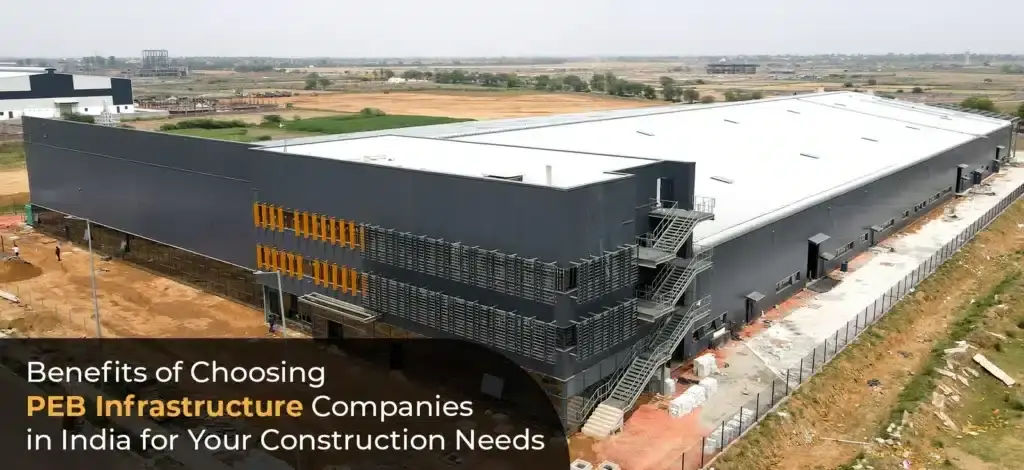
Benefits of Choosing PEB Infrastructure Companies in India for Your Construction Needs

Imagine having a sturdy, cost-effective, and eco-friendly building constructed in record time. Sounds too good to be true? Not with Pre-Engineered Building (PEB) Indian infrastructure companies. These companies are transforming the construction landscape, offering numerous benefits that traditional construction methods simply can’t match. The Rising Popularity of PEB in India The PEB market in India has witnessed exponential growth, and for good reason. According to a report by Mordor Intelligence, the market is expected to register a CAGR of over 12% during the forecast period (2022-2027). This surge in demand is due to the numerous advantages PEBs offer over conventional construction methods. Why Choose PEB Infrastructure Companies? Speed of Construction Time is money, and PEB construction saves you both. Unlike traditional construction, which can take months or even years, PEBs are constructed in a matter of weeks. The components are pre-engineered and manufactured off-site, then assembled on-site like a giant puzzle. This significantly reduces construction time, enabling faster project completion and quicker returns on investment. Cost-Effectiveness PEBs are not just faster; they’re also lighter on your wallet. The pre-engineering process minimizes material wastage, leading to significant cost savings. Moreover, the standardized components and efficient manufacturing techniques result in lower labor costs. Studies have shown that PEBs can be up to 30% cheaper than conventional buildings. Design Flexibility PEBs are incredibly versatile. They can be customized to meet specific requirements, whether it’s a warehouse, factory, commercial building, or even a residential complex. The design flexibility allows you to create unique structures that perfectly align with your vision and needs. Structural Strength and Durability Don’t let their lightweight nature fool you. PEBs are engineered to withstand harsh weather conditions, including heavy rains, strong winds, and even earthquakes. They are also resistant to corrosion, fire, and pests, ensuring longevity and minimal maintenance. Sustainability PEBs are a greener choice for construction. The manufacturing process generates less waste, and the materials are often recyclable. Additionally, the energy-efficient design of PEBs can significantly reduce energy consumption, leading to lower operating costs and a smaller carbon footprint. PEB in Modern Development PEBs have been successfully implemented in various sectors across India. For instance, large warehouses and factories have been constructed using PEBs, optimizing space utilization and reducing construction time. In the commercial sector, PEBs have been used for shopping malls, office buildings, and even airports. Why Willus Infra Is A Right Choice For Your Next PEB Project? Willus Infra stands out as the ideal partner for your next Pre-Engineered Building (PEB) project due to its unique blend of expertise, commitment to quality, and customer-centric approach. With over 25 years of combined experience in steel construction and PEB technology, our team of professionals is well-equipped to handle projects of any scale and complexity. Our dedication to providing value-for-money services and customized solutions ensures that your project is not only successful but also cost-effective. Here’s why Willus Infra is the right choice Expertise and Experience Our team brings together seasoned professionals from major PEB companies, guaranteeing in-depth knowledge and proven expertise. End-to-End Solutions Willus Infra offers comprehensive services, from design and manufacturing to erection, streamlining your project and ensuring seamless execution. Customer-Centric Approach We prioritize your specific needs, offering tailored solutions that perfectly align with your project goals and budget. Commitment to Quality We maintain stringent quality control measures throughout the entire process, ensuring your PEB structure is built to last and withstand the test of time. The Future of PEB in India The future of Pre-Engineered Buildings (PEBs) in India is looking incredibly bright. Imagine a construction style that’s like building with giant LEGO blocks – that’s PEBs! They’re faster to build, more affordable, and eco-friendly compared to traditional construction methods. This makes them perfect for India’s growing needs for warehouses, factories, and commercial spaces. Data shows that the PEB market in India is expected to grow by over 7% every year until 2032. This means we’ll see more and more of these modern, sleek structures popping up across the country. The government’s push for infrastructure development and the rising demand for quick, cost-effective construction solutions are fueling this growth. So, next time you see a large building going up in record time, it’s likely a PEB. They’re not just changing the way India builds, but also shaping a more sustainable and efficient future for construction. Wrapping Up! The rising demand for pre-engineered buildings (PEBs) infrastructure companies in India is a testament to their numerous advantages over conventional construction. PEBs offer a faster, more cost-effective, and environmentally friendly solution without compromising on design flexibility or structural integrity. Their successful implementation in various sectors further underscores their versatility and effectiveness. Willus Infra with our quality experts team- We are committed to quality and stand as a reliable partner for your PEB projects. Our comprehensive, customer-centric approach ensures your specific needs are met while delivering exceptional value. The future of PEBs in India is undoubtedly promising, driven by government initiatives, growing demand, and the inherent benefits of PEB technology. As the market continues to expand, we can anticipate a significant transformation in the construction landscape, paving the way for a more sustainable and efficient future. PEBs are not merely a trend; they are a revolution in construction, poised to redefine how we build in India.

Uncategorized

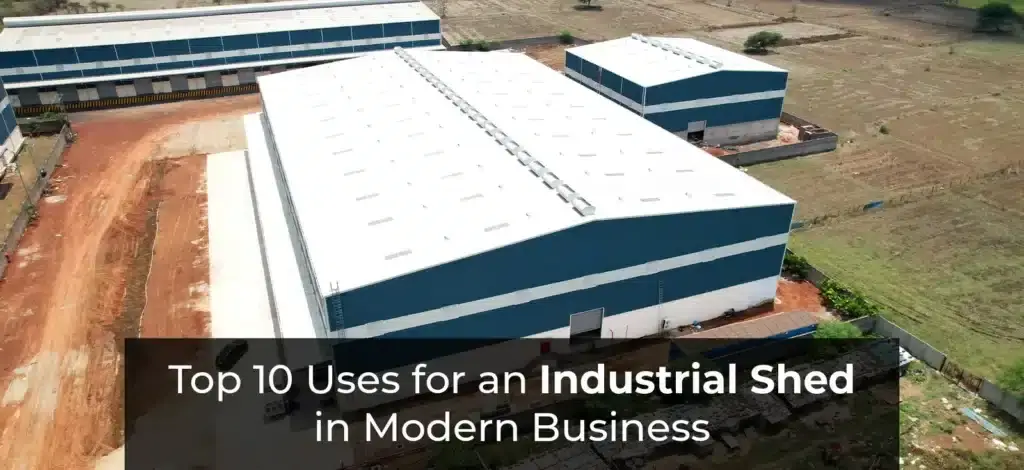
Top 10 Uses for an Industrial Shed in Modern Business

Sheds for industrial purposes have evolved far beyond simple storage structures. In today’s business landscape, they are versatile, adaptable spaces that can be tailored to meet a wide range of operational needs. Through this article, we will learn the top 10 uses of an Industrial shed in modern business. What is Industrial Shed? These sheds are versatile structures designed to meet the diverse needs of modern businesses. Typically made of steel or other durable materials, they feature large, open spaces with high ceilings, often accompanied by convenient loading docks and ample natural light. These characteristics make them ideal for a wide range of applications, including warehousing, manufacturing, workshops, and even event venues. The adaptability and cost-effectiveness of industrial shed have led to their increasing popularity in various industries, as businesses seek flexible and affordable solutions for their operational needs. Warehousing and Distribution This is the most classic use of sheds. They provide ample space for storing inventory, raw materials, and finished goods. The open layouts, high ceilings, and often convenient loading dock access make them ideal for logistics and distribution operations. Manufacturing These sheds offer a cost-effective and customizable environment for manufacturing processes. They can house assembly lines, production equipment, and workstations, accommodating various industries from automotive to food processing. Workshops and Repair Facilities The spaciousness and durability of industrial shed make them perfect for setting up workshops and repair facilities. Automotive repair shops, heavy machinery maintenance, and woodworking workshops all find a suitable home in these structures. Data Centers The controlled environment, security features, and ample space for servers and cooling equipment make sheds a popular choice for housing data centers. With the increasing reliance on cloud computing and data storage, the demand for these facilities is on the rise. Research and Development Industrial shed offer a flexible and adaptable space for research and development activities. They can be equipped with laboratories, testing facilities, and workshops, allowing companies to innovate and develop new products and technologies. Agricultural Uses Sheds for industrial use are widely used in agriculture for various purposes. They can serve as storage for crops, equipment, and livestock feed. They are also used for processing and packaging agricultural products, as well as housing livestock or poultry. Retail and Showrooms Some businesses utilize sheds as retail spaces or showrooms. This is particularly common for furniture stores, home improvement centers, and businesses that sell bulky items like agricultural equipment or construction materials. Sports and Recreational Facilities The large, open spaces within sheds can be converted into indoor sports facilities like basketball courts, tennis courts, or even indoor soccer fields. They can also be used for recreational activities like rock climbing or indoor skate parks. Event Venues Sheds for Industrial use have become increasingly popular as unique and adaptable event venues. With their raw, industrial aesthetic and ample space, they can be transformed into spaces for weddings, concerts, trade shows, or conferences. Office Spaces Some companies choose to convert industrial shed into modern, open-plan office spaces. The high ceilings, natural light, and industrial charm can create a unique and inspiring work environment. Why Industrial Shed is better for modern business? These sheds offer several compelling advantages that make them a superior choice for modern businesses compared to traditional brick-and-mortar structures: Cost-Effectiveness: These sheds are significantly more affordable to build and maintain. The materials and construction processes are often less expensive, resulting in lower upfront costs and ongoing expenses. Customization and Flexibility: Sheds can be easily tailored to suit specific business needs. Their open layouts allow for adaptable configurations of equipment, workstations, and storage areas, accommodating changing operational requirements. Durability and Longevity: Constructed with durable materials like steel, industrial shed can withstand harsh weather conditions, heavy usage, and the test of time. This translates to minimal maintenance and repair costs, ensuring a longer lifespan for the structure. Scalability: Businesses can easily expand or modify sheds to match their growth trajectory. This flexibility allows companies to adapt their facilities without significant disruption or investment in new construction. Sustainability: Modern sheds can be designed with eco-friendly features like insulation, natural lighting, and solar panels, reducing energy consumption and environmental impact. Faster Construction Time: The sheds can be erected much faster than traditional buildings, minimizing downtime and accelerating the start of operations. Versatility: The wide range of applications for sheds, from manufacturing to retail and even event spaces, demonstrates their versatility in catering to diverse business needs. The combination of affordability, flexibility, durability, and sustainability makes industrial shed a smart and strategic choice for modern businesses seeking to optimize their operations and infrastructure. Conclusion  The versatility of industrial shed makes them a valuable asset for modern businesses across various sectors. From warehousing and manufacturing to retail and entertainment, these adaptable structures offer a cost-effective, customizable, and sustainable solution to meet diverse operational needs. At Willus Infra, we understand the importance of flexibility and adaptability for modern businesses. Our expertise in Pre-Engineered Buildings (PEB) enables us to provide tailored solutions for your specific industrial shed requirements. Whether you need a spacious warehouse, a state-of-the-art manufacturing facility, or a unique event venue, our team can design and construct a PEB structure that meets your needs and exceeds your expectations. We are committed to delivering high-quality, cost-effective, and sustainable solutions that empower businesses to thrive in today’s dynamic market. Choose Willus Infra for your next industrial shed project and experience the benefits of a truly versatile and adaptable space.

Scroll to Top