
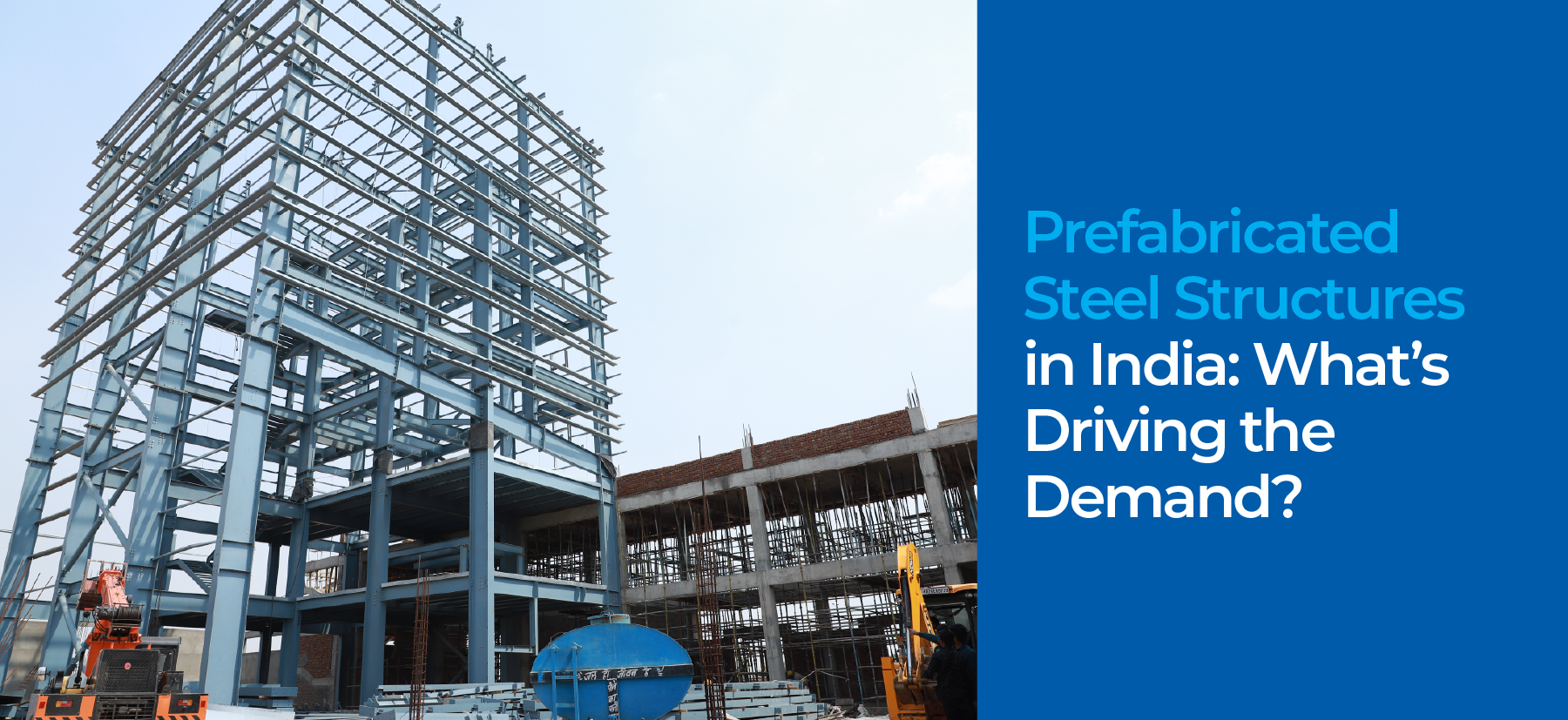
India is currently experiencing major growth in infrastructure and industrial development. With this growth comes the need for faster, cost effective and durable construction solutions. One of the most preferred choices today is Prefabricated Steel Structures. These structures are designed and manufactured off site and then assembled on the construction site. This method is becoming popular across sectors such as manufacturing, warehousing, logistics, education and even healthcare.
This article explores the key factors behind the rising demand for Prefabricated Steel Structures in India.
Growth of Prefabricated Steel Structures in India: Key Factors Behind Rising Demand
1. Faster Construction Saves Time
Time is a major factor in construction. Delays often lead to high costs and missed opportunities. Prefabricated Steel Structures reduce construction time by up to 50% compared to traditional methods.
According to industry data, a typical steel building of 20,000 square feet can be completed in 3 to 4 months, while the same size in concrete may take over 6 to 8 months. This fast completion helps companies start operations quickly, which increases their return on investment.
For example, many warehouses and factory units in industrial zones like Gujarat and Maharashtra are being built using steel structures to meet urgent timelines.
2. High Durability and Strength
Prefabricated Steel Structures are known for their strength. Steel has a high strength to weight ratio, making it strong without being heavy. It does not crack, split or warp like wood or concrete. It also performs well during natural disasters like earthquakes and cyclones.
India falls under moderate to high seismic zones, especially states like Himachal Pradesh, Uttarakhand and parts of the northeast. Steel structures provide better resistance in such regions compared to traditional buildings.
With proper coating, steel structures also resist rust and corrosion, making them suitable for coastal areas.
3. Cost Efficiency and Reduced Waste
Building with Prefabricated Steel Structures helps save money in the long run. Even though the initial cost may seem slightly higher the overall savings are significant.
- Less material waste during construction.
- Lower labour costs due to faster installation.
- Minimal on site errors due to precision fabrication.
Studies show that prefabricated steel buildings construction can reduce total project costs by 10–20% depending on project size and complexity. Also, since most parts are factory made the use of materials is more efficient and there’s almost zero wastage.
4. Eco Friendly and Sustainable
Sustainability is a growing focus in India’s building sector. Prefabricated Steel Structures support green construction in multiple ways.
- Steel is 100% recyclable. More than 80% of structural steel used in India comes from recycled scrap.
- Less on site work reduces noise and dust pollution.
- The thermal performance of steel buildings reduces energy consumption for heating and cooling.
According to the World Steel Association the energy required to produce 1 ton of steel has dropped by 60% over the past 50 years. This means less environmental impact per building.
5. Growing Demand in Warehousing and Industrial Sector
India’s warehousing sector is growing at a CAGR (compound annual growth rate) of around 15%. The total warehousing space in India crossed 300 million square feet in 2022 and is still increasing. Much of this space is being built using Prefabricated Steel Structures.
Steel is preferred because:
- It allows for large, open spaces without internal columns.
- It supports higher load capacities.
- It is easy to extend or modify in future.
E commerce companies, FMCG brands and cold storage operators are choosing steel for their speed and flexibility.
6. Support from Government and Urban Planning Bodies
Government projects and smart city plans are also pushing the demand for Prefabricated Steel Structures. Central and state governments are encouraging faster, safer and more efficient building practices.
The Pradhan Mantri Awas Yojana (PMAY), industrial corridor developments and smart city initiatives are examples where prefabricated steel can help meet targets faster. These structures are also being considered for rural infrastructure such as school buildings, clinics and community halls.
7. Design Flexibility and Aesthetic Appeal
Steel offers better design flexibility than many traditional materials. Architects and engineers can use Prefabricated Steel Structures to create:
- Wide span halls without columns.
- Tall structures with strong foundations.
- Easy to assemble modular layouts.
Buildings made with steel can also include modern cladding and finishing materials for improved appearance. This makes steel suitable not just for factories but also for shopping centres, schools and commercial buildings.
8. Use in Modern Building Types
In recent years, Prefabricated Steel Structures are being used beyond industrial buildings. Many hospitals, offices, airports and exhibition centres in cities like Delhi, Bangalore and Hyderabad are using steel construction.
One well known example is the Terminal 2 at Kempegowda International Airport in Bengaluru, which used large steel frames for fast and sustainable development.
This shift shows that steel is no longer limited to sheds or warehouses it is now a trusted option for all kinds of modern infrastructure.
9. Increased Awareness and Market Confidence
More builders, engineers and investors in India now understand the benefits of Prefabricated Steel Structures. This awareness has built trust and increased adoption.
In 2010, steel buildings made up less than 10% of India’s total commercial construction. As of 2023, industry reports show it has crossed 25% and is expected to touch 35–40% in the next 5 years.
The market is clearly moving in the direction of prefabrication and industrialised construction methods.
Conclusion
The growth of Prefabricated Steel Structures in India is driven by multiple practical reasons, fast construction, reduced costs, long term strength and environmental benefits. This method supports the rapid pace of industrial development and urban infrastructure expansion.
To ensure quality outcomes in this growing space, businesses are partnering with experienced engineering companies like Willus Infrastructure. We work closely with leading Structural Steel Manufacturers across the country to deliver reliable, efficient and modern building solutions.