Willus Infra

Uncategorized

Uncategorized

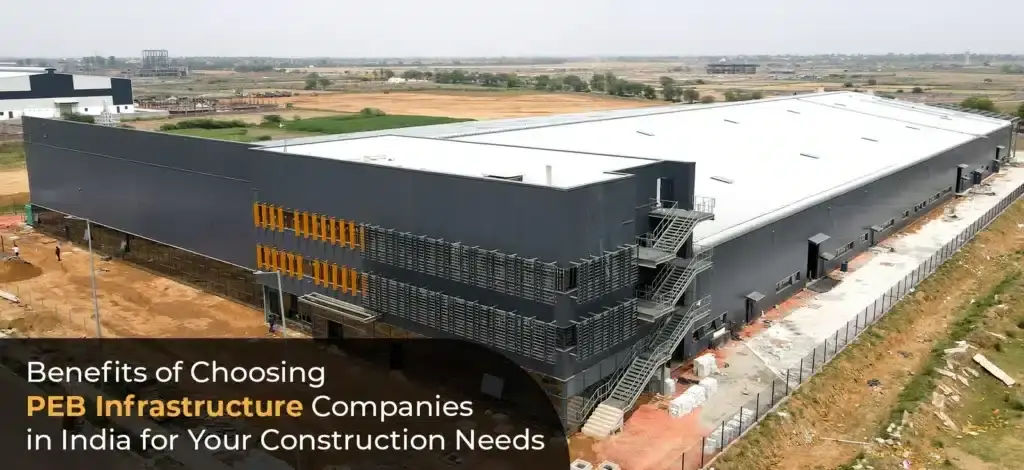
Benefits of Choosing PEB Infrastructure Companies in India for Your Construction Needs

Imagine having a sturdy, cost-effective, and eco-friendly building constructed in record time. Sounds too good to be true? Not with Pre-Engineered Building (PEB) Indian infrastructure companies. These companies are transforming the construction landscape, offering numerous benefits that traditional construction methods simply can’t match. The Rising Popularity of PEB in India The PEB market in India has witnessed exponential growth, and for good reason. According to a report by Mordor Intelligence, the market is expected to register a CAGR of over 12% during the forecast period (2022-2027). This surge in demand is due to the numerous advantages PEBs offer over conventional construction methods. Why Choose PEB Infrastructure Companies? Speed of Construction Time is money, and PEB construction saves you both. Unlike traditional construction, which can take months or even years, PEBs are constructed in a matter of weeks. The components are pre-engineered and manufactured off-site, then assembled on-site like a giant puzzle. This significantly reduces construction time, enabling faster project completion and quicker returns on investment. Cost-Effectiveness PEBs are not just faster; they’re also lighter on your wallet. The pre-engineering process minimizes material wastage, leading to significant cost savings. Moreover, the standardized components and efficient manufacturing techniques result in lower labor costs. Studies have shown that PEBs can be up to 30% cheaper than conventional buildings. Design Flexibility PEBs are incredibly versatile. They can be customized to meet specific requirements, whether it’s a warehouse, factory, commercial building, or even a residential complex. The design flexibility allows you to create unique structures that perfectly align with your vision and needs. Structural Strength and Durability Don’t let their lightweight nature fool you. PEBs are engineered to withstand harsh weather conditions, including heavy rains, strong winds, and even earthquakes. They are also resistant to corrosion, fire, and pests, ensuring longevity and minimal maintenance. Sustainability PEBs are a greener choice for construction. The manufacturing process generates less waste, and the materials are often recyclable. Additionally, the energy-efficient design of PEBs can significantly reduce energy consumption, leading to lower operating costs and a smaller carbon footprint. PEB in Modern Development PEBs have been successfully implemented in various sectors across India. For instance, large warehouses and factories have been constructed using PEBs, optimizing space utilization and reducing construction time. In the commercial sector, PEBs have been used for shopping malls, office buildings, and even airports. Why Willus Infra Is A Right Choice For Your Next PEB Project? Willus Infra stands out as the ideal partner for your next Pre-Engineered Building (PEB) project due to its unique blend of expertise, commitment to quality, and customer-centric approach. With over 25 years of combined experience in steel construction and PEB technology, our team of professionals is well-equipped to handle projects of any scale and complexity. Our dedication to providing value-for-money services and customized solutions ensures that your project is not only successful but also cost-effective. Here’s why Willus Infra is the right choice Expertise and Experience Our team brings together seasoned professionals from major PEB companies, guaranteeing in-depth knowledge and proven expertise. End-to-End Solutions Willus Infra offers comprehensive services, from design and manufacturing to erection, streamlining your project and ensuring seamless execution. Customer-Centric Approach We prioritize your specific needs, offering tailored solutions that perfectly align with your project goals and budget. Commitment to Quality We maintain stringent quality control measures throughout the entire process, ensuring your PEB structure is built to last and withstand the test of time. The Future of PEB in India The future of Pre-Engineered Buildings (PEBs) in India is looking incredibly bright. Imagine a construction style that’s like building with giant LEGO blocks – that’s PEBs! They’re faster to build, more affordable, and eco-friendly compared to traditional construction methods. This makes them perfect for India’s growing needs for warehouses, factories, and commercial spaces. Data shows that the PEB market in India is expected to grow by over 7% every year until 2032. This means we’ll see more and more of these modern, sleek structures popping up across the country. The government’s push for infrastructure development and the rising demand for quick, cost-effective construction solutions are fueling this growth. So, next time you see a large building going up in record time, it’s likely a PEB. They’re not just changing the way India builds, but also shaping a more sustainable and efficient future for construction. Wrapping Up! The rising demand for pre-engineered buildings (PEBs) infrastructure companies in India is a testament to their numerous advantages over conventional construction. PEBs offer a faster, more cost-effective, and environmentally friendly solution without compromising on design flexibility or structural integrity. Their successful implementation in various sectors further underscores their versatility and effectiveness. Willus Infra with our quality experts team- We are committed to quality and stand as a reliable partner for your PEB projects. Our comprehensive, customer-centric approach ensures your specific needs are met while delivering exceptional value. The future of PEBs in India is undoubtedly promising, driven by government initiatives, growing demand, and the inherent benefits of PEB technology. As the market continues to expand, we can anticipate a significant transformation in the construction landscape, paving the way for a more sustainable and efficient future. PEBs are not merely a trend; they are a revolution in construction, poised to redefine how we build in India.

Uncategorized

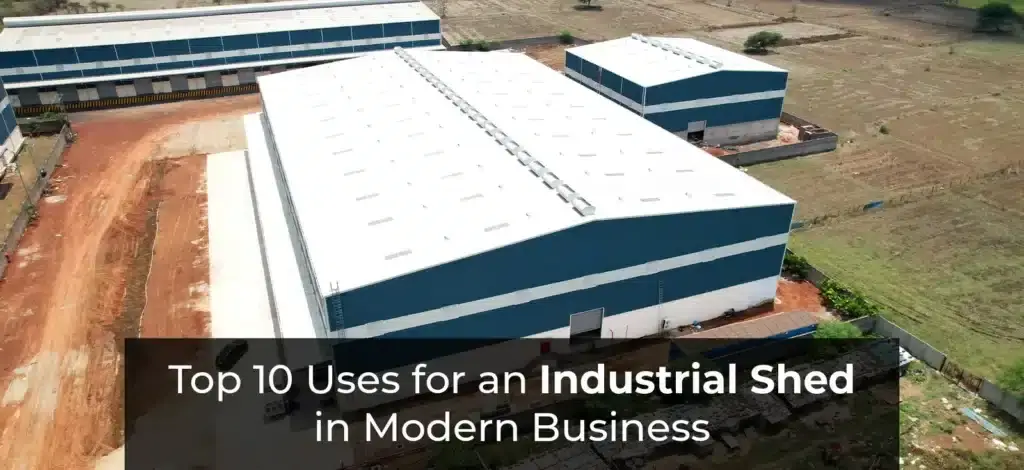
Top 10 Uses for an Industrial Shed in Modern Business

Sheds for industrial purposes have evolved far beyond simple storage structures. In today’s business landscape, they are versatile, adaptable spaces that can be tailored to meet a wide range of operational needs. Through this article, we will learn the top 10 uses of an Industrial shed in modern business. What is Industrial Shed? These sheds are versatile structures designed to meet the diverse needs of modern businesses. Typically made of steel or other durable materials, they feature large, open spaces with high ceilings, often accompanied by convenient loading docks and ample natural light. These characteristics make them ideal for a wide range of applications, including warehousing, manufacturing, workshops, and even event venues. The adaptability and cost-effectiveness of industrial shed have led to their increasing popularity in various industries, as businesses seek flexible and affordable solutions for their operational needs. Warehousing and Distribution This is the most classic use of sheds. They provide ample space for storing inventory, raw materials, and finished goods. The open layouts, high ceilings, and often convenient loading dock access make them ideal for logistics and distribution operations. Manufacturing These sheds offer a cost-effective and customizable environment for manufacturing processes. They can house assembly lines, production equipment, and workstations, accommodating various industries from automotive to food processing. Workshops and Repair Facilities The spaciousness and durability of industrial shed make them perfect for setting up workshops and repair facilities. Automotive repair shops, heavy machinery maintenance, and woodworking workshops all find a suitable home in these structures. Data Centers The controlled environment, security features, and ample space for servers and cooling equipment make sheds a popular choice for housing data centers. With the increasing reliance on cloud computing and data storage, the demand for these facilities is on the rise. Research and Development Industrial shed offer a flexible and adaptable space for research and development activities. They can be equipped with laboratories, testing facilities, and workshops, allowing companies to innovate and develop new products and technologies. Agricultural Uses Sheds for industrial use are widely used in agriculture for various purposes. They can serve as storage for crops, equipment, and livestock feed. They are also used for processing and packaging agricultural products, as well as housing livestock or poultry. Retail and Showrooms Some businesses utilize sheds as retail spaces or showrooms. This is particularly common for furniture stores, home improvement centers, and businesses that sell bulky items like agricultural equipment or construction materials. Sports and Recreational Facilities The large, open spaces within sheds can be converted into indoor sports facilities like basketball courts, tennis courts, or even indoor soccer fields. They can also be used for recreational activities like rock climbing or indoor skate parks. Event Venues Sheds for Industrial use have become increasingly popular as unique and adaptable event venues. With their raw, industrial aesthetic and ample space, they can be transformed into spaces for weddings, concerts, trade shows, or conferences. Office Spaces Some companies choose to convert industrial shed into modern, open-plan office spaces. The high ceilings, natural light, and industrial charm can create a unique and inspiring work environment. Why Industrial Shed is better for modern business? These sheds offer several compelling advantages that make them a superior choice for modern businesses compared to traditional brick-and-mortar structures: Cost-Effectiveness: These sheds are significantly more affordable to build and maintain. The materials and construction processes are often less expensive, resulting in lower upfront costs and ongoing expenses. Customization and Flexibility: Sheds can be easily tailored to suit specific business needs. Their open layouts allow for adaptable configurations of equipment, workstations, and storage areas, accommodating changing operational requirements. Durability and Longevity: Constructed with durable materials like steel, industrial shed can withstand harsh weather conditions, heavy usage, and the test of time. This translates to minimal maintenance and repair costs, ensuring a longer lifespan for the structure. Scalability: Businesses can easily expand or modify sheds to match their growth trajectory. This flexibility allows companies to adapt their facilities without significant disruption or investment in new construction. Sustainability: Modern sheds can be designed with eco-friendly features like insulation, natural lighting, and solar panels, reducing energy consumption and environmental impact. Faster Construction Time: The sheds can be erected much faster than traditional buildings, minimizing downtime and accelerating the start of operations. Versatility: The wide range of applications for sheds, from manufacturing to retail and even event spaces, demonstrates their versatility in catering to diverse business needs. The combination of affordability, flexibility, durability, and sustainability makes industrial shed a smart and strategic choice for modern businesses seeking to optimize their operations and infrastructure. Conclusion  The versatility of industrial shed makes them a valuable asset for modern businesses across various sectors. From warehousing and manufacturing to retail and entertainment, these adaptable structures offer a cost-effective, customizable, and sustainable solution to meet diverse operational needs. At Willus Infra, we understand the importance of flexibility and adaptability for modern businesses. Our expertise in Pre-Engineered Buildings (PEB) enables us to provide tailored solutions for your specific industrial shed requirements. Whether you need a spacious warehouse, a state-of-the-art manufacturing facility, or a unique event venue, our team can design and construct a PEB structure that meets your needs and exceeds your expectations. We are committed to delivering high-quality, cost-effective, and sustainable solutions that empower businesses to thrive in today’s dynamic market. Choose Willus Infra for your next industrial shed project and experience the benefits of a truly versatile and adaptable space.

Uncategorized

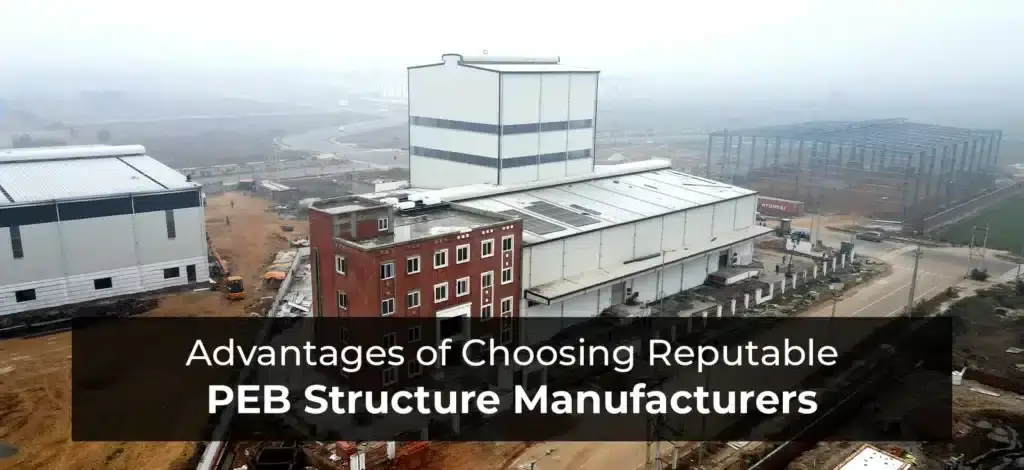
Advantages of Choosing Reputable PEB Structure Manufacturers

Pre-engineered buildings (PEBs) have revolutionized the construction industry, offering a cost-effective, efficient, and sustainable alternative to traditional construction methods. However, not all PEB manufacturers are created equal. In this article, we delve into the significant advantages of partnering with reputable manufacturers of PEB structures and how they can make or break your project’s success. What is a PEB Structure? Before diving into the benefits, let’s briefly understand what PEB structures are. PEBs are building systems manufactured off-site in a factory setting. They consist of steel components like columns, beams, and roof panels that are pre-designed and fabricated to meet specific project requirements. These components are then transported to the construction site for assembly, reducing construction time and cost significantly. Advantages of Choosing ReputableManufacturers for PEB Structure  Expertise and Experience Reputable manufacturers bring years of expertise and experience to the table. They have a deep understanding of PEB design principles, engineering, and construction techniques. This knowledge translates into optimized designs, efficient project management, and adherence to quality standards. Quality Assurance and Peace of Mind Reputable PEB manufacturers prioritize quality above all else. They adhere to stringent industry standards, ensuring that every component of your building meets or exceeds expectations. This dedication to quality translates into a durable, long-lasting structure that can withstand the test of time and the elements. Studies have shown that PEBs constructed by reputable manufacturers have a significantly lower rate of structural failures compared to those built by less experienced or unreliable providers. This peace of mind is invaluable for any project owner. Customization Every project is unique, and reputable manufacturers understand this. They offer a high degree of customization, allowing you to tailor your PEB to your specific needs and preferences. Whether it’s the size, layout, or aesthetic features, you have the flexibility to create a building that aligns with your vision. Timely Delivery Time is often a critical factor in construction projects. Reputable manufacturers have efficient production and logistics systems that ensure the timely delivery of PEB components. This helps you stick to your project schedule and avoid costly delays. Time is money in the construction industry, and reputable PEB manufacturers understand this well. They have streamlined project management processes in place, ensuring that your project is completed on time and within budget. According to industry statistics, PEB projects managed by reputable manufacturers are typically completed 30-50% faster than traditional construction projects. This efficiency saves you valuable time and resources, allowing you to focus on other aspects of your business. Cost Savings and Long-Term Value While reputable PEB manufacturers may have slightly higher upfront costs than their less experienced counterparts, they offer significant long-term cost savings. Their high-quality materials and construction techniques result in reduced maintenance and repair expenses over the building’s lifespan. Moreover, their energy-efficient designs can significantly lower your operating costs, making your PEB a more sustainable and cost-effective investment in the long run. A study by the National Association of Home Builders (NAHB) found that PEBs can reduce energy consumption by up to 30% compared to traditional buildings. Innovation Leading PEB manufacturers are constantly innovating. They invest in research and development to bring you the latest technologies and materials. This means your PEB will be equipped with cutting-edge features that enhance energy efficiency, sustainability, and overall performance. Warranty and Support Reputable manufacturers stand behind their products. They offer warranties that give you peace of mind, knowing that any defects or issues will be addressed promptly. Additionally, they provide ongoing support and maintenance services to ensure the optimal performance of your PEB. Choosing the Right Manufacturer When selecting a PEB manufacturer, it’s crucial to do your research. Look for manufacturers with a proven track record, positive client testimonials, and industry certifications. Request quotes from multiple manufacturers and compare their offerings, pricing, and warranties. Don’t hesitate to ask questions about their experience, quality control processes, and after-sales support. Questions should be asked while choosing the PEB structure manufacturer  How many years of experience do you have in designing and constructing PEBs? Can you provide references from past clients in my industry or with similar project requirements? What is your company’s safety record in PEB manufacturing and construction? What are your core design and engineering capabilities? Can you handle complex designs? Do you have your own manufacturing facility or do you outsource? What quality control measures do you have in place to ensure the structural integrity of your PEBs? How do you manage project timelines and ensure timely delivery? Can you provide a detailed project plan outlining milestones and timelines? Do you have your own construction crews or do you work with subcontractors? What is your approach to site safety? What is your experience in obtaining permits and approvals for PEB projects? What sustainable materials and practices do you incorporate into your PEBs? Can you provide an estimate of the energy efficiency of your PEBs compared to traditional buildings? Can you provide a detailed cost breakdown of the project, including design, materials, manufacturing, construction, and any additional services? Are there any potential cost savings or value engineering options you can suggest? Why Willus Infra Is The Best Manufacturer for PEB structure needs? At Willus Infra, we’re not just building structures; we’re building your vision. With over 25 years of combined experience, our team of experts is dedicated to delivering innovative and efficient pre-engineered building (PEB) solutions. We understand that every project is unique, which is why we offer customized solutions to meet your specific needs. From design to manufacturing and erection, we handle it all, ensuring a seamless and hassle-free experience. Our two state-of-the-art manufacturing plants in Pune and Faridabad guarantee top-quality products delivered on time. We’re committed to exceeding your expectations with our focus on innovation, quality, and customer satisfaction.  Choose Willus Infra and experience the difference of working with a trusted partner in PEB construction. Conclusion Partnering with reputable PEB Structure Manufacturers is a strategic decision that can significantly impact the success of your construction project. While the initial costs may be slightly

Uncategorized

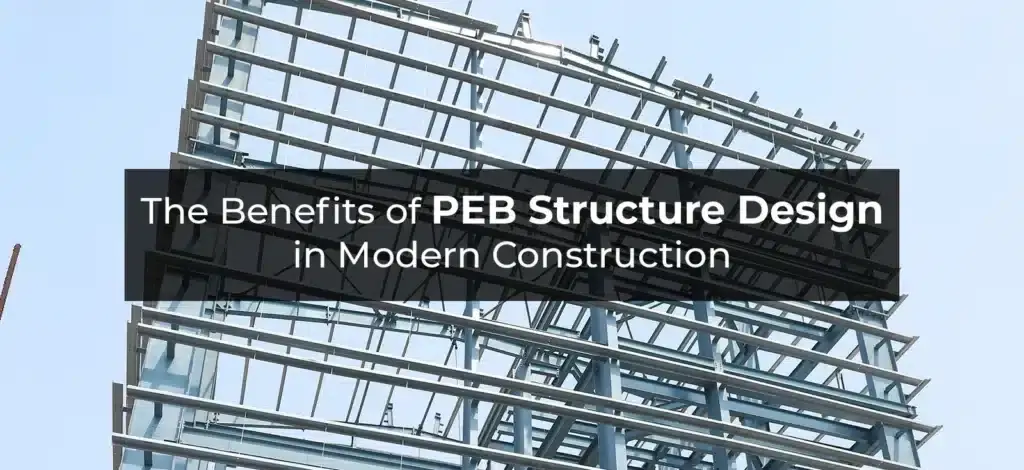
The Benefits of PEB Structure Design in Modern Construction

Pre-Engineered Buildings (PEB) are changing the construction world with their smart design and efficiency. Unlike traditional methods, PEB structures are made in a factory and then quickly put together on-site. This means they save time and money while ensuring high quality. PEB buildings are versatile, and suitable for everything from industrial warehouses to commercial spaces and homes. They are also eco-friendly, which is important in today’s construction. Benefits Of PEB Structure Design In Modern Construction 1. Built in a Fraction of the Time Time is of the essence in any construction project, and PEB Structure Design excel in this area. Unlike traditional buildings that are constructed piece by piece on-site, PEBs are manufactured in a controlled factory environment. The components are then shipped and assembled like a giant puzzle, significantly reducing construction time. How much faster, you ask? Studies have shown that PEBs can be erected 30% to 50% faster than conventional structures. This means projects are completed sooner, allowing businesses to open their doors, and communities to benefit from new infrastructure much earlier. 2. Saving Money at Every Turn Building a PEB Structure Design is not only faster, but it’s also lighter on your wallet. The streamlined manufacturing process reduces labor costs, material waste, and overall project expenses. The use of standardized components further contributes to cost savings. A recent report by Dodge Data & Analytics revealed that PEBs can be up to 20% cheaper than traditional buildings. These savings can be a major advantage, especially for small businesses and organizations with limited budgets. 3. Adapting to Your Unique Needs PEB Structure Design aren’t one-size-fits-all. They are remarkably versatile and can be tailored to a wide range of applications. Whether you need a spacious warehouse, a sleek office building, or a functional retail space, PEBs can be designed to meet your specific requirements. The modular nature of PEBs also means they can be easily expanded or modified in the future, accommodating the evolving needs of your business. 4. Built to Last PEB Structure Design is engineered for strength and longevity. The steel components are highly resistant to fire, pests, and harsh weather conditions, making them a durable choice for various climates. Moreover, PEBs are sustainable and environmentally friendly. The manufacturing process generates less waste, and the steel components are recyclable, reducing their environmental impact. 5. A World of Possibilities The versatility of PEB Structure Design has led to their widespread adoption across various industries. Here are some notable examples: Industrial Buildings: Factories, warehouses, and manufacturing plants benefit from the large, open spans and functional layouts that PEBs provide. Commercial Buildings: Retail stores, offices, and shopping centers are constructed using PEBs to achieve modern aesthetics and efficient spaces. Institutional Buildings: Schools, hospitals, and community centers utilize PEBs for their cost-effectiveness and adaptability. Agricultural Buildings: Barns, stables, and storage facilities are built with PEBs to withstand the demands of agricultural operations. The Future of Construction is PEB Structure Design PEB structures are a testament to the power of innovation in the construction industry. They offer a compelling combination of speed, cost-effectiveness, durability, versatility, sustainability, and low maintenance. The numbers and real-world examples clearly show that PEB structures are not just a passing trend, they are the future of building. If you’re planning a construction project, it’s definitely worth considering the many benefits that PEB structures bring to the table. As technology continues to advance, we can expect even more innovative applications of PEB structures in the future. Whether you’re an architect, a developer, or a business owner, exploring the potential of PEBs could be a game-changer for your next project. Join Willus Infra For the Next PEB Structure Design Project  At Willus Infra, we’re proud to be at the forefront of this exciting revolution. With over 25 years of combined experience in steel construction and PEB Structure Design, we’ve been delivering high-quality, value-for-money PEB solutions since 2017. Our two state-of-the-art manufacturing plants in Pune and Faridabad are equipped to handle projects of all sizes and complexities, from design to final dispatch and erection. We believe in constantly pushing the boundaries of what’s possible with PEB Structure Design. We’re committed to innovation, introducing new products and services that set us apart in the industry. Our vision is to create a new segment in the PEB industry, one that combines full engineering expertise with experienced services. If you’re planning a construction project, we invite you to experience the Willus Infra difference. Our team of experts is ready to work with you to design and build a PEB structure that meets your unique needs and exceeds your expectations. As technology continues to advance, we can expect even more innovative applications of PEB structures in the future. Whether you’re an architect, a developer, or a business owner, exploring the potential of PEBs could be beneficial for your next project. And with Willus Infra as your partner, you can be confident that you’re building with the best.

Uncategorized

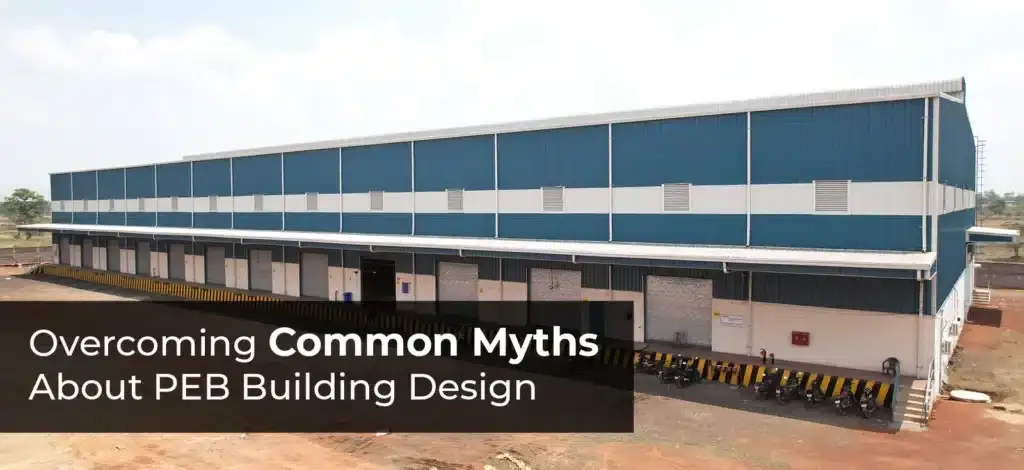
Overcoming Common Myths About PEB Building Design

Did you know that According to Yahoo Finance – The pre-engineered buildings market is expected to reach $26.87 billion in 2026? That’s a massive 11.98% annual growth rate! If you’re surprised, you’re not alone. Many people have misconceptions about PEB construction, holding them back from considering this innovative and efficient option. But what if I told you that PEBs can be constructed up to 50% faster than traditional buildings? Or that they offer greater flexibility and cost savings compared to conventional methods? In this blog, we’ll tackle these misconceptions head-on, separating fact from fiction to reveal the true potential of PEB building. Let’s uncover the benefits that could revolutionize your next construction project. Myths About Pre-Fabricated Building  Myth 1: PEB Buildings Are Only Suitable for Industrial Applications One of the most prevalent myths is that PEB buildings are exclusively designed for industrial use. While PEB structures are indeed popular in industrial settings, their versatility extends far beyond factories and warehouses. PEB buildings can be customized to accommodate a wide range of applications, including commercial spaces, retail stores, educational institutions, sports facilities, healthcare centers, and even residential projects. Myth 2: PEB Buildings Lack Aesthetic Appeal Some believe that PEB buildings are inherently unattractive and boxy. However, advancements in PEB design have led to aesthetically pleasing structures that can be tailored to match specific architectural styles. With various cladding options, roof designs, and exterior finishes available, PEB buildings can be customized to blend seamlessly with their surroundings or stand out as modern architectural marvels. Myth 3: PEB Buildings Are Less Durable Than Conventional Buildings Another misconception is that PEB structures are less durable than traditional buildings. In reality, PEB buildings are engineered to withstand various environmental conditions, including heavy snow loads, high winds, and seismic activity. The use of high-quality steel and advanced manufacturing techniques ensures the structural integrity and longevity of PEB buildings, often surpassing the durability of conventional structures. Myth 4: PEB Buildings Are Not Energy Efficient PEB buildings are often perceived as less energy efficient due to their large, open spaces and metal construction. However, PEB designs can incorporate various energy-efficient features, such as insulated panels, energy-efficient windows, and skylights, to optimize natural lighting and reduce artificial lighting requirements. Additionally, PEB buildings can be integrated with renewable energy sources like solar panels to further enhance their energy efficiency. Myth 5: PEB Buildings Are Difficult to Expand or Modify Contrary to popular belief, PEB buildings offer excellent flexibility for future expansion or modification. The modular nature of PEB design allows for easy addition of new sections or components without disrupting the existing structure. Whether it’s adding a new wing, expanding the floor area, or modifying the interior layout, PEB buildings can adapt to evolving needs and requirements. Myth 6: PEB Buildings Are More Expensive Than Conventional Buildings One of the most significant advantages of PEB buildings is their cost-effectiveness. PEB structures are typically less expensive than conventional buildings due to several factors. The pre-engineered nature of PEB components reduces construction time and labor costs. The standardized design and manufacturing processes also minimize material wastage, leading to further cost savings. Furthermore, PEB buildings require less maintenance and offer energy-efficient features that can reduce operating costs in the long run. Myth 7: PEB Buildings Are Not Environmentally Friendly PEB buildings are often mistakenly considered less environmentally friendly than conventional buildings. However, PEB design aligns with sustainable construction practices in several ways. The use of steel, a recyclable material, minimizes environmental impact. PEB manufacturing processes generate less waste compared to traditional construction methods. Additionally, PEB buildings can incorporate energy-efficient features and renewable energy sources, reducing their carbon footprint. Myth 8: PEB Buildings Have Limited Design Options Some believe that PEB buildings offer limited design options due to their standardized components. However, PEB design has evolved significantly, offering a wide array of customization possibilities. With various roof styles, wall systems, cladding options, and interior layouts available, PEB buildings can be tailored to meet specific aesthetic and functional requirements. Architects and designers can collaborate with PEB manufacturers to create unique and innovative structures that push the boundaries of conventional design. Myth 9: PEB Buildings Are Only Suitable for Temporary Structures While PEB buildings are often used for temporary structures like construction camps and disaster relief shelters, they are equally capable of serving as permanent structures. With proper design and construction, PEB buildings can last for decades, providing reliable and durable spaces for various applications. Why Willus Infra Is The Right Choice For Pre-Febricated Buildings?  Willus Infra takes pride in offering the best solution for your pre-engineered building (PEB) needs. Our team boasts over 25 years of experience in the steel construction industry, ensuring that every project is handled with unmatched expertise. We understand that every client has unique requirements, which is why we customize our products and services to meet your specific needs. Our commitment to quality and affordability sets us apart. We utilize the highest quality materials and adhere to strict standards during the design, manufacturing, and erection processes. This ensures that your PEB structure is not only durable but also safe and secure. We understand that time is of the essence, which is why we prioritize fast execution without compromising on quality. Our streamlined processes enable us to deliver your project on time and within budget. We believe in building long-lasting relationships with our clients. Our dedicated team is available to guide you through every step of the process, from design to completion. We are committed to providing exceptional customer service and ensuring your satisfaction. Conclusion The misconceptions surrounding PEB Building Design are largely unfounded. PEBs are not just for industrial use, they are versatile, aesthetically pleasing, durable, energy-efficient, and adaptable structures suitable for a wide range of applications. Furthermore, they are cost-effective, environmentally friendly, and offer extensive design possibilities, proving to be a viable option for both temporary and permanent constructions. If you’re considering a PEB project, partnering with a reputable company like Willus Infra can make all the difference. With

Uncategorized

Tips to Choose the Right Pre Engineered Building Manufacturer

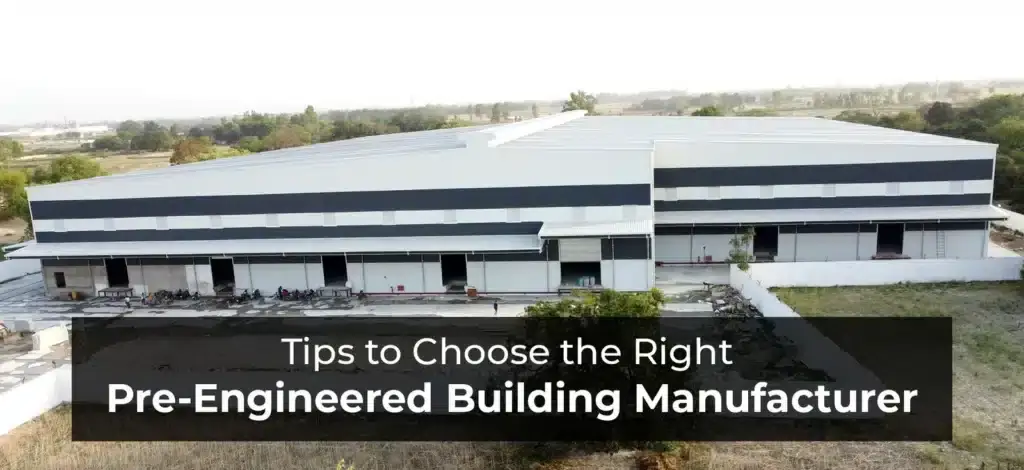
Selecting the right pre-engineered building (PEB) manufacturer is crucial for the success of any construction project. These structures are popular for their cost-effectiveness, speed of construction, and flexibility in design. However, the quality and durability of your building heavily depend on the manufacturer you choose. Here are some tips to help you make an informed decision. 1. Know Your Requirements Perfectly Before you start looking for a manufacturer, it’s essential to understand your specific needs. Consider the following questions: What is the purpose of the building? What are the size and scale of your project? Do you need any special features or customizations? What is your budget? Having clear answers to these questions will help you communicate your requirements effectively to potential manufacturers. 2. Research Potential Manufacturers Once you know what you need, start researching manufacturers. Look for companies with a solid reputation in the industry and have good years of experience. You can start by: Checking online reviews and ratings. Visit the manufacturer’s website to learn more about their products and services. Check out all the projects and expertise Talk to them on call to have a clear understanding Note- You can also visit the manufacturers to check and gather a clear understanding. 3. Experience and Expertise Experience matters a lot in the construction industry. Look for manufacturers with a proven track record in delivering PEB projects similar to yours. Experienced manufacturers are more likely to understand the challenges and complexities of your project and can provide better solutions. 4. Quality of Materials The quality of materials used in your building is critical for its longevity and safety. Ensure that the manufacturer uses high-quality steel and other materials. Ask about their sourcing process and whether they adhere to industry standards and regulations. 5. Customization Options Every project is unique, and you may need specific customizations to meet your requirements. Choose a manufacturer that offers a range of customization options. Whether it’s the design, layout, or special features, the ability to customize your building can significantly impact its functionality and aesthetics. 6. Technical Capabilities Evaluate the technical capabilities of the manufacturer. This includes their design and engineering expertise, manufacturing facilities, and technology used. Advanced technology and modern manufacturing processes can ensure precision, efficiency, and high-quality output. 7. Safety Standards Safety should never be compromised. Ensure that the manufacturer follows strict safety standards and practices. This includes the safety of their workers during manufacturing and construction, as well as the safety features of the building itself. 8. References and Past Projects Ask for references from past clients and take the time to visit some of their completed projects if possible. This will give you a firsthand look at the quality of their work and the satisfaction of their clients. 9. Cost and Value While cost is a significant factor, it shouldn’t be the only one. The cheapest option may not always be the best. Look for a manufacturer who offers good value for your money. This means a fair price for high-quality materials, excellent craftsmanship, and reliable services. 10. Contract and Terms Before finalizing any deal, carefully review the contract and terms. Make sure everything is clearly defined, including the scope of work, timelines, payment terms, and warranties. Don’t hesitate to ask for clarifications if needed. 11. Communication and Transparency Effective communication and transparency are vital for a successful partnership. Choose a manufacturer who is responsive, open to discussions, and keeps you informed throughout the project. Clear communication helps in avoiding misunderstandings and ensures that your expectations are met. Why Willus Infra Is The Right PEB Manufacturer? At Willus Infra, we prioritize delivering top-quality pre-engineered buildings (PEBs) tailored to your specific needs. Our team of experts has over 25 years of experience in the steel construction industry, ensuring reliable and efficient solutions. We’re committed to providing value-for-money services and exceeding customer expectations through innovative products, fast execution, and thorough validation processes. With two manufacturing plants in Pune and Faridabad, we’re strategically located to serve clients across India promptly. Conclusion After considering these tips and conducting thorough research, you can choose the right pre-engineered building manufacturer who aligns with your budget and project requirements. Remember, investing time and effort in selecting the right partner will pay off in the long run with a high-quality, functional, and durable building that meets your needs and exceeds your expectations. At Willus Infra the best Pre Engineered Building Manufacturer, we understand the importance of choosing the right manufacturer. Our commitment to quality, experience, and customer satisfaction makes us an ideal partner for your PEB project. We’re ready to collaborate with you, ensuring a smooth and successful construction experience from start to finish.

Pre Fabricated Building
Uncategorized

The Environmental Benefits of Pre Fabricated Building

Nowadays the environmental consciousness is growing, and everyone is more focused on sustainability and the things that can not impact Global warming. Similarly, the construction industry is under increasing pressure to adopt sustainable practices. PEB buildings, often referred to as “prefabs,” have emerged as a promising solution that offers a multitude of environmental benefits. Through this article we will learn about the ways in which prefabs contribute to a greener construction process, reducing waste, conserving energy, and minimizing environmental impact. How PEB Benefits Environment? 1. Significant Reduction in Construction Waste One of the most notable advantages of Prefeb construction is the substantial reduction in construction waste. Traditional construction sites are notorious for generating large amounts of waste, often ending up in landfills. Studies suggest that prefab construction can reduce construction waste by up to 90%. This reduction is achieved through precise manufacturing processes in controlled factory environments, where material usage is optimized, and excess materials can be reused or recycled. 2. Resource Efficiency and Conservation Prefabs promote resource efficiency through the use of standardized components and modular design. By minimizing material variations and optimizing material usage, prefabs conserve valuable resources. Also, many prefab manufacturers incorporate recycled and sustainable materials into their designs, further reducing the demand for virgin resources. For instance, some prefabs utilize recycled steel, which consumes 74% less energy to produce than virgin steel. 3. Energy Efficiency and Reduced Carbon Footprint PEB buildings are inherently more energy-efficient than their traditionally constructed counterparts. The controlled factory environment allows for precise insulation installation and airtight construction, minimizing energy loss. This translates to reduced heating and cooling costs for building occupants and a smaller carbon footprint. Prefab can be up to 30% more energy-efficient than traditional buildings. Furthermore, some prefabs are equipped with solar panels and other renewable energy sources, further reducing their reliance on fossil fuels. 4. Faster Construction Timelines and Reduced Disruption PEB construction significantly accelerates construction timelines compared to traditional methods. Since components are manufactured off-site, construction can proceed concurrently with site preparation, reducing overall project duration by up to 50%. This not only saves time but also minimizes disruption to the surrounding environment, reducing noise pollution, dust, and traffic congestion associated with prolonged construction activities. 5. Adaptability and Reusability PEB buildings are designed for adaptability and reusability. Many prefab components are modular and can be easily disassembled and reconfigured for different uses. This flexibility extends the lifespan of the building and reduces the need for demolition and reconstruction, which are resource-intensive processes. Some prefabs are even designed to be relocated entirely, further minimizing environmental impact. 6. Water Conservation PEB construction often incorporates water-saving technologies, such as low-flow fixtures and rainwater harvesting systems. These features reduce water consumption during construction and throughout the building’s lifespan. Additionally, the controlled factory environment minimizes water waste during manufacturing processes. Conclusion Pre Fabricated Building, such as those offered by Willus Infra, represent a significant step towards a more sustainable construction industry. We reduced waste, resource efficiency, energy conservation, and adaptability contributing to a smaller environmental footprint. As technology advances and construction practices evolve, prefabs are likely to play an increasingly important role in building a greener future. At Willus Infra, we are committed to providing high-quality, sustainable pre engineered building solutions that benefit both our clients and the environment. Frequently Asked Questions  1. How do PEB buildings from Willus Infra reduce construction waste? At Willus Infra, our commitment to sustainability begins at the manufacturing stage. Our prefabricated buildings are designed to optimize material use and minimize waste through precise engineering and standardized components. We strive to reuse or recycle excess materials, significantly reducing the amount of waste sent to landfills compared to traditional construction. 2. Are PEB buildings energy efficient? Yes, energy efficiency is a core principle in our prefab design. The controlled factory environment allows for precise installation of insulation and airtight construction, reducing energy loss and lowering heating and cooling costs for building occupants. Additionally, we offer options for integrating renewable energy sources like solar panels to further reduce energy consumption and carbon footprints. 3. How does Willus Infra’s PEB construction process reduce disruption to the environment? Our off-site manufacturing process significantly shortens on-site construction time, minimizing disruption to the surrounding environment. This means less noise pollution, dust, and traffic congestion compared to traditional construction projects. By streamlining the construction process, we aim to create a more pleasant and sustainable experience for both our clients and the communities where we build. 4. What are the main environmental benefits of choosing a prefab building? PEB buildings offer numerous environmental advantages. They significantly reduce construction waste compared to traditional methods, conserve resources through efficient design and material use, and are inherently more energy-efficient, lowering carbon footprints. The faster construction timelines also minimize disruption to the environment. Additionally, their adaptability and potential for relocation further reduce long-term impact. 5. Are PEB buildings durable and long-lasting? Yes, PEB buildings are designed to be durable and long-lasting. They are built with high-quality materials and adhere to strict quality control standards in the factory. Additionally, the modular design allows for easy repairs and replacements, extending the building’s lifespan and minimizing the need for complete reconstruction.

Uncategorized

Steel Structure Building vs. Concrete Structures: Which is Right for Your Project?

When it comes to construction, choosing the right building material is crucial. Two of the most common options are steel and concrete. Both have their unique advantages and disadvantages. This article aims to help you understand these differences and guide you in choosing the best material for your project. What is a Steel Structure Building? Steel structure buildings use steel as the primary material for construction. The steel framework supports the entire building. These structures are widely used in commercial buildings, warehouses, factories, and even residential homes. What is a Concrete Structure Building? Concrete structure buildings use concrete, a mixture of cement, sand, gravel, and water, as the main building material. Concrete structures are common in residential buildings, bridges, roads, and skyscrapers. Benefits of Steel Structure Building Strength and Durability Steel is incredibly strong and can withstand heavy loads and harsh weather conditions. Unlike concrete, which can crack over time, steel remains robust and reliable. This strength makes steel structures ideal for large-scale industrial buildings and high-rise buildings. Speed of Construction One of the most significant advantages of steel structures is the speed of construction. Steel components are prefabricated off-site and then assembled on-site. This process is much faster compared to the time-consuming process of mixing, pouring, and curing concrete. Flexibility and Adaptability Steel Structure Building offer great design flexibility. They can be easily modified and expanded without compromising the building’s integrity. This adaptability makes steel an excellent choice for buildings that might need future modifications or expansions. Cost-Effectiveness While the initial cost of steel might be higher than concrete, the overall cost can be lower. This is because steel structures require less labor and time to build, reducing the overall construction costs. Additionally, the durability of steel reduces maintenance costs over the building’s lifetime. Environmental Impact Steel is recyclable, making it a more environmentally friendly option. At the end of a building’s life, steel can be melted down and reused, reducing waste and conserving resources. “Do you know? The foundations for steel buildings are considerably lighter than under concrete structures that can be up to 50% heavier than steel structures.”  Difference Between Steel Structure Building and Concrete Structures Feature Steel Structure Buildings Concrete Structures Strength and Durability High strength and durability, withstands heavy loads and harsh conditions Strong but can crack over time, requires regular maintenance Construction Speed Fast, with prefabricated components assembled on-site Slow, due to time-consuming mixing, pouring, and curing process Design Flexibility Highly flexible, easy to modify and expand Less flexible, difficult to modify once constructed Initial Cost Higher upfront cost but potentially lower overall due to reduced labor and time Lower upfront cost but potentially higher over time due to maintenance Long-term Cost Lower due to reduced maintenance and durability Higher due to frequent repairs and maintenance Environmental Impact More environmentally friendly, recyclable Less environmentally friendly, higher waste production Fire Resistance Less fire-resistant compared to concrete Highly fire-resistant, does not burn or produce toxic fumes Thermal Mass Lower thermal mass, may require additional insulation High thermal mass, helps maintain stable indoor temperature Sound Insulation Provides less sound insulation Better sound insulation due to density and mass Availability Readily available but often requires transportation Widely available and can be sourced locally Benefits of Concrete Structure Buildings Fire Resistance Concrete is highly fire-resistant. It does not burn or produce toxic fumes, providing a safer environment in case of a fire. This property makes concrete ideal for residential buildings and structures that require high fire safety standards. Thermal Mass Concrete has excellent thermal mass, meaning it can absorb and store heat. This property helps in maintaining a stable indoor temperature, reducing the need for heating and cooling systems. It can be particularly beneficial in residential buildings. Sound Insulation Concrete provides better sound insulation compared to Steel Structure Building. Its density and mass help in reducing noise transmission, making it suitable for residential and office buildings where noise control is important. Availability Concrete is widely available and can be sourced locally in most places. This availability can reduce transportation costs and support local economies. Key Considerations While Comparing Steel and Concrete  Project Size and Scope For large-scale industrial projects or high-rise buildings, steel is often the preferred choice due to its strength, speed of construction, and adaptability. For smaller residential projects or buildings where fire resistance and sound insulation are critical, concrete might be more suitable. Budget Initial costs and long-term savings should be considered. Steel might have higher upfront costs but can save money in the long run due to lower construction and maintenance costs. Concrete might be cheaper initially but could incur higher costs over time due to maintenance and repairs. Environmental Impact If environmental sustainability is a priority, steel’s recyclability makes it a better option. Concrete, while also recyclable to some extent, often results in more waste and has a higher environmental impact during production. Design and Flexibility Steel structures offer more flexibility in design and future modifications. If your project might need changes or expansions in the future, steel is the better choice. Concrete structures are more rigid and challenging to modify once constructed. Why Choose Steel Structure Building? While both steel and concrete have their benefits, steel structures offer several advantages that make them an excellent choice for many projects. The strength, durability, speed of construction, flexibility, cost-effectiveness, and environmental benefits of steel make it a superior option for a wide range of applications. If you are planning a large-scale industrial project, a high-rise building, or any structure that requires robust support and potential future modifications, steel is the way to go. The long-term savings, reduced construction time, and lower environmental impact further add to the appeal of steel structures. Investing in a steel structure building can provide you with a durable, adaptable, and cost-effective solution that meets the needs of today and tomorrow. Whether you are a developer, architect, or homeowner, considering steel for your next project can lead to a successful and sustainable construction.

Uncategorized

How PEB Building Design Saves Time and Money

Construction projects can be slow, expensive, and prone to delays if traditional building methods are used. However, there is a smarter solution available in the form of Pre-Engineered Buildings (PEBs). PEBs are a modern construction approach that is transforming the industry by offering a faster and more cost-effective way to build. With PEB design, you can save significant time and money on your next project. PEB Building Design to meet specific requirements and are manufactured off-site, ensuring precision and quality control. This not only speeds up the construction process but also reduces costs by eliminating the need for on-site fabrication. PEBs are also highly customizable, making them suitable for a wide range of applications, from warehouses and factories to offices and residential buildings. Overall, PEBs are an excellent choice for those looking to streamline their construction projects while staying within budget. Reduced Construction Time by Up to 50% Imagine cutting your construction timeline in half. With PEB Building Design, that’s a real possibility. Here’s why: Factory Fabrication: PEB components are manufactured off-site in a controlled environment. This eliminates weather delays and ensures consistent quality. Standardized Design: PEBs utilize pre-designed components that can be quickly assembled on-site. Think of it like building with giant Lego blocks! Reduced On-Site Labor: Since the components are prefabricated, less on-site labor is needed. This translates to faster completion and lower labor costs. Statistics speak for themselves. The Metal Building Manufacturers Association (MBMA) reports that PEBs can be erected up to 50% faster than traditional buildings. That’s a significant advantage, especially for businesses needing to be operational quickly. For instance, a warehouse built traditionally might take 6 months, while a PEB version could be ready in just 3 months. This translates to faster revenue generation and a quicker return on investment. Saving Money Throughout the Project PEB Building Design aren’t just fast; they’re budget-friendly too. Here’s how they can save you money: Reduced Material Waste: PEB components are pre-cut and designed to minimize waste. This translates to lower material costs compared to traditional construction with on-site cutting and potential errors. Economies of Scale: Since PEBs use standardized components, manufacturers can produce them in bulk, leading to lower material costs due to economies of scale. Simplified Foundation Requirements: The lightweight steel structure of PEB Building Design often requires less complex and expensive foundations compared to traditional concrete buildings. Lower Maintenance Needs: Steel is a durable and low-maintenance material. PEBs require minimal upkeep compared to buildings with materials like wood or brick. Industry estimates suggest that PEBs can offer cost savings of up to 30% compared to traditional construction. This can be a game-changer for businesses working with tight budgets. Beyond Speed and Savings PEB Building Design offers more than just speed and cost-effectiveness. Here are some additional advantages: Design Flexibility: Don’t be fooled by the “pre-engineered” label. PEBs offer a surprising degree of design flexibility. You can customize aspects like size, shape, and roof pitch, and even add skylights or mezzanines to suit your specific needs. Durability and Strength: Steel is a strong and resilient material. PEBs can withstand harsh weather conditions, including high winds and heavy snowfall, making them ideal for diverse locations. Sustainability: Steel is a recyclable material, making PEBs an environmentally friendly choice. Additionally, the efficient insulation properties of PEBs can contribute to lower energy consumption. Is PEB Building Design Right for You? PEBs are a versatile solution for a wide range of applications, including: Warehouses and Distribution Centers Manufacturing Facilities Agricultural Buildings Sports Complexes Retail Stores Office Buildings If you’re looking for a fast, cost-effective, and durable building solution, PEBs are worth considering. Getting Started with PEB Design The first step is to consult with a reputable PEB manufacturer like Willus Infra. They can guide you through the design process, assess your specific needs, and provide a customized quote. Here are some key questions to ask: What is the experience level of your company in PEB design and construction? Can you provide references from past projects similar to mine? What customization options are available for PEBs? What is the warranty coverage for the PEB structure? By partnering with a reliable PEB manufacturer, you can unlock the benefits of this innovative building method and get your project up and running faster and more affordably. Willus Infra as Your PEB Partner When it comes to PEB Building Design, experience is everything. Willus Infra, a trusted name in the PEB industry, brings over years of expertise to the table. Their team of skilled professionals can guide you through every step of the PEB process, from design and manufacturing to erection and after-sales support. With a commitment to quality, speed, and budget efficiency, Willus Infra can help you transform your vision into a reality. Take Initiative Time and money are two valuable resources that need to be managed efficiently. Pre-engineered building (PEB) design provides a practical solution for businesses and individuals who want to build quickly and cost-effectively. PEB Building Design is known for its speed, affordability, and adaptability, and they are revolutionizing the construction industry by ushering in a future of smarter buildings.

Uncategorized

5 Reasons Why Pre fabricated Building Are Revolutionizing Construction

Imagine a world where building a house is as simple as assembling furniture. Pre fabricated construction, also known as modular construction, is turning this vision into reality. It’s a revolutionary approach that’s poised to reshape the construction industry, offering a faster, more efficient, and sustainable way to build. But what exactly is prefab construction, and why is it the future? Here are five key reasons why pre fabricated building are gaining traction around the world Reasons Why Pre fabricated Building is Future 1. Speed and Efficiency Traditional construction can be a slow and laborious process, often plagued by delays due to weather conditions, material shortages, or skilled labor gaps. Pre fabricated building offers a significant advantage in terms of speed. Building components are manufactured off-site in a controlled environment, ensuring consistent quality and eliminating weather-related delays. Studies show that Pre fabricated Building can reduce project timelines by a whopping 30-50% compared to traditional methods. This translates to faster project completion, quicker occupancy, and ultimately, faster returns on investment. For instance, a conventionally built school might take a year to complete, whereas a modular school building can be assembled on-site in a matter of weeks. This not only benefits businesses looking to expand their operations quickly but also fulfills the urgent need for essential structures like schools and hospitals in communities with rapid population growth. 2. Saving Money While Building Better Prefabrication isn’t just about speed; it’s also about cost savings. Here’s how: Reduced Waste: Prefabricated components are meticulously designed and manufactured in factories, minimizing material waste on-site. This translates to lower material costs and a smaller environmental footprint. Optimized Labor: With skilled labor often in short supply and at a premium, prefab construction requires fewer workers on-site. This translates to reduced labor costs for the project. Predictable Pricing: Pre fabricated construction offers a more predictable pricing structure. With most of the construction happening in a controlled environment, fewer unforeseen circumstances can lead to cost overruns during the on-site assembly stage. A study by McKinsey & Company suggests that prefab construction can result in cost savings of up to 20% compared to traditional methods. This makes prefab a compelling option for budget-conscious projects, from affordable housing initiatives to disaster relief shelters. 3. Building a Solid Foundation Traditional construction sites can be chaotic environments, with various teams working on different aspects of the project. This can sometimes lead to inconsistencies in quality. Pre fabricated construction offers a significant advantage in this regard. Since the building components are manufactured in a controlled factory setting, quality control measures are much more stringent. Every component is inspected thoroughly before being shipped to the construction site, ensuring a higher level of consistency and overall quality of the finished structure. This translates to buildings that are not only aesthetically pleasing but also structurally sound and more resistant to damage from natural elements. 4. Sustainable Solutions for a Better Future The construction industry is a major contributor to global waste. Pre fabricated building offers a more sustainable approach to building. Here’s how: Reduced Material Waste: As mentioned earlier, prefab construction minimizes on-site material waste. Recycled Materials: Prefabricated structures can often be built using recycled materials, further reducing their environmental impact. Energy Efficiency: Prefabricated components can be designed to be energy-efficient, with features like superior insulation and high-performance windows. This translates to lower energy consumption for the building’s occupants. Prefabrication also promotes a more sustainable construction process by reducing the need for heavy machinery and minimizing noise and dust pollution at the building site. 5. Design Flexibility and Innovation A common misconception about pre fabricated building is that they are all boxy and lack architectural appeal. This is simply not true. Prefabricated construction offers a high degree of design flexibility. Architects can create modular components that can be combined in various ways to create unique and aesthetically pleasing structures. Prefabrication also allows for the integration of innovative building technologies, such as smart home systems and renewable energy sources. This level of design flexibility makes prefab construction suitable for a wide range of projects, from residential homes and commercial buildings to schools, hospitals, and even disaster-resilient structures. Why Choose Willus Infra for Pre fabricated Building? Willus Infra is at the forefront of the Pre fabricated Building revolution in India. We offer a complete end-to-end solution, from design and manufacturing to on-site assembly and after-sales support. Here’s what sets us apart: Experienced Team: Our team of skilled professionals has extensive experience in prefab construction, ensuring the highest quality standards in every project. Commitment to Innovation: We are constantly innovating and exploring new technologies to improve our prefab building systems. Client Focus: We believe in building strong relationships with our clients and working collaboratively to achieve their vision. Sustainable Practices: We are committed to sustainable building practices and minimizing our environmental impact. The Future of Construction is Pre fabricated Building The construction industry is on the cusp of a transformation. Prefabricated construction offers a compelling alternative to traditional methods, with its advantages in speed, cost-effectiveness, quality control, sustainability, and design flexibility. As technology advancements continue and public awareness grows, prefab construction is poised to become the mainstream approach for building a better future. Frequently Asked Questions How much faster can I build with prefabricated construction? Prefabricated construction can reduce project timelines by 30-50% compared to traditional methods. How much can I save on costs with prefab construction? Prefabrication can result in cost savings of up to 20% compared to traditional building methods. This is due to reduced waste, optimized labor costs, and predictable pricing. Are prefabricated buildings high quality? Yes, prefabricated buildings can be of very high quality. Since the components are manufactured in a controlled factory setting, quality control measures are more stringent. This leads to consistent quality and structurally sound buildings. Are prefabricated buildings sustainable? Prefabricated construction offers several sustainability benefits: Reduced material waste Ability to use recycled materials Improved energy efficiency Does Willus Infra offer design services for prefabricated buildings? Yes, Willus Infra offers a complete end-to-end solution,

Scroll to Top