Willus Infra

Author name: dinesh

Sustainable Buildings
Uncategorized

How Sustainable Buildings Are Reducing Carbon Footprints Worldwide

The climate is changing fast because of pollution. Summers are getting hotter, winters are less predictable and pollution is growing in cities and small towns alike. Most people talk about cars, factories and waste when they speak about climate change. But there’s something else that adds a big amount of pollution: buildings. Yes, the places we live, work and shop in are responsible for a major chunk of the world’s carbon emissions. According to the United Nations Environment Programme, buildings and construction together account for almost 40% of global energy related carbon dioxide (CO2) emissions. This is where sustainable buildings come into play. They help reduce the damage we are doing to our environment, while still giving us everything we need in our homes and workplaces. And that’s what makes them so important today. What Are Sustainable Buildings? Sustainable buildings are designed to use fewer natural resources and create less pollution. They are planned and built in a way that saves energy, reduces water use and creates less waste. These buildings often use solar panels, smart windows, rainwater harvesting and recycled materials. From walls to rooftops, every part is designed to work with nature, not against it. The goal is simple: give people safe, strong and modern buildings that don’t hurt the planet. Whether it’s a school, hospital, home or office, building it sustainably helps the Earth breathe a little easier. The Role of Sustainable Buildings in Cutting Down Carbon Emissions Less Power and More Savings Traditional buildings use a lot of electricity every day. Air conditioners, lights, fans, elevators, computers they all need power. In most places, this power comes from burning coal or gas, which creates pollution. But sustainable buildings are smarter. They are built in a way that keeps rooms cool in summer and warm in winter without needing too much power. They use natural light during the day, which reduces the need for electric bulbs. Smart cooling and heating systems are used instead of old ones that waste energy. In fact, the World Green Building Council reports that green buildings can use up to 25% less energy compared to traditional ones. That means lower bills and less pollution. Simple changes like using LED lights and solar panels go a long way in reducing the building’s carbon footprint. Saving Every Drop Clean water is not endless. Many areas in the world are already facing water shortages. Buildings use water for everything: drinking, washing, cleaning, gardening and more. If we keep using water the way we do now, there may not be enough left for future generations. Sustainable buildings come with water saving features. These include low flow taps, dual flush toilets and water recycling systems. They also collect rainwater and use it for gardening or flushing toilets. Even a small building can save thousands of litres of water each year just by using these smart ideas. According to India’s Bureau of Energy Efficiency, a green building with proper water systems can reduce water usage by up to 50%. Choosing the Right Materials Most people don’t think much about what buildings are made of. But building materials like cement, bricks, steel and glass take a lot of energy to produce. They also create a lot of carbon emissions. Even transporting them from one city to another uses fuel and adds to pollution. Sustainable buildings use eco friendly materials like recycled steel, bamboo, fly ash bricks and reclaimed wood. They also use locally available materials to cut down on transport pollution. This not only reduces emissions but also makes the building stronger and more natural. A report by the World Bank shows that switching to green materials can cut construction emissions by as much as 30%. Cleaner Air and Lower Temperatures City areas with too many concrete buildings often feel hotter than the countryside. This is called the “urban heat island” effect. It makes people use more air conditioning, which increases energy use and pollution. Sustainable buildings help fix this problem. They include green roofs, gardens and open spaces. These not only cool down the surroundings but also clean the air. When plants are part of the design, they reduce dust and provide fresh oxygen. Also, good ventilation in sustainable buildings helps keep indoor air fresh. It reduces the chances of breathing problems, allergies or other health issues. This makes the place better for both the planet and the people living in it. Smarter Cities Start with Smarter Buildings When many sustainable buildings are built together, whole neighbourhoods become greener. These areas have walkways, cycle paths and are closer to schools, offices and shops. This means fewer people need to drive cars, which cuts down traffic and air pollution. As cities grow, the way we build matters even more. Adding public parks, using smart waste disposal and building near public transport, all these things help create a better lifestyle. Sustainable buildings lead the way in creating smarter and healthier cities. Sustainable Buildings Make Financial Sense Some people worry that eco friendly buildings might be too expensive. But that’s not true in the long run. While the starting cost might be a bit more, sustainable buildings save money every month through lower power and water bills. They also last longer because they are built with high quality materials. Maintenance costs go down. Even the resale value is higher. Studies show that green buildings can have a 7% increase in asset value compared to regular buildings. Around the World and Growing Sustainable buildings are being built all across the world like India, the USA, Europe, Africa and more. In fact, LEED (Leadership in Energy and Environmental Design) certified buildings have grown by over 10% every year in the past decade. This shows that builders, homeowners and governments are all starting to see the benefits. From small homes to big factories, people are now more open to using green ideas and better designs. Countries like India are even giving tax benefits and incentives to those who build sustainably. Building for the
Modular Buildings
Uncategorized

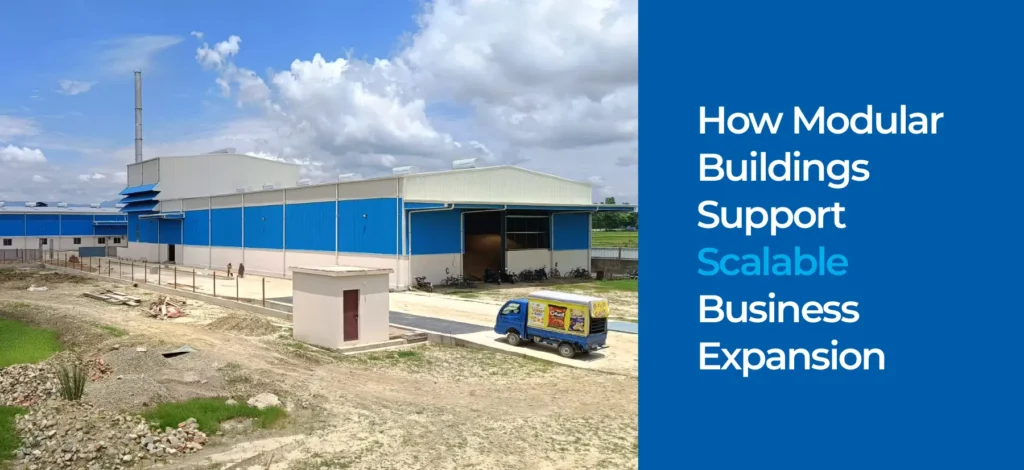
How Modular Buildings Support Scalable Business Expansion

Everything moves fast, especially in business. If you want to grow, you cannot afford to wait for months while a building is being made. You need something that is quick, simple, flexible and cost-effective. That’s where modular buildings come in. These buildings are made in parts, usually off-site and then put together at the final location like a puzzle. More and more businesses are choosing modular buildings because they are easy to expand, quick to install and designed to match your needs. In fact, the global modular construction market is growing fast and is expected to cross USD 130 billion by 2030. This shows how popular this method is becoming around the world. Let’s understand why modular buildings are such a smart choice for growing businesses. Reasons Modular Buildings Are Perfect for Growing Businesses Build Faster and Grow Quicker Traditional buildings take a lot of time. You have to wait for land preparation, then months of construction and even more delays due to weather or material shortages. On the other hand, modular buildings are made much faster. Most parts are built in a factory while the site is being prepared. Once everything is ready, the parts are brought to the site and installed within days or weeks. This process saves 30% to 50% of the time compared to regular construction. So, if you are planning to open a new office, factory, or warehouse, you won’t have to put your plans on hold. Faster construction means you can start working sooner and focus on growing your business. No Trouble During Work Hours Another problem with traditional buildings is the noise, dust and mess they create while being built. If you’re running a business and trying to build something next to it, your staff may face constant interruptions. That’s not the case with modular buildings. Since most of the work happens off-site, your existing operations are not disturbed. Your team can continue their tasks while the building is being made somewhere else. This way, your work goes on smoothly and your business doesn’t lose time or money. Add Space Whenever You Need One of the best parts of modular buildings is how easy they are to expand. Let’s say you start with a small setup. As your business grows, you can simply add more sections or modules without having to break or rebuild anything. This is called “scalable expansion.” Think of it like stacking blocks. You can build up, extend sideways, or even move modules to another location. You have complete control. This is great for startups, manufacturing units, logistics centres and even schools or hospitals that are growing step by step. Save Money Without Cutting Corners Construction is costly. But modular buildings can help you cut down your budget without cutting quality. Since the process is fast and uses factory-made parts, it reduces waste, saves labour cost and avoids many of the delays that cause money loss. You can also plan better because costs are more predictable. In traditional construction, expenses often go up due to changes or mistakes. But with modular, you can get an accurate budget in advance. Studies show that modular construction can reduce total project costs by up to 20%. Also, these buildings are designed to be energy-efficient. You save money every month on electricity and maintenance. Custom Look That Matches Your Brand Many people think modular buildings all look the same. That’s not true. You can choose how the building looks inside and out. From clean glass office cabins to wide factory spaces or open display areas, modular buildings can be designed to match your brand and needs. You get to choose wall materials, paint colours, ceiling height, lighting and more. So whether you’re creating a corporate workspace or a stylish showroom, you can make it your own. Reach Remote Areas Easily Businesses often want to expand in new places, maybe a village with cheap land, or an industrial zone that’s far from the city. In such areas, it’s hard to get skilled labour or building material. This is where modular buildings are extremely useful. You can build the structure in a factory and transport it to even the most remote locations. Installation is fast and you don’t have to manage too many workers or suppliers. This makes expansion easy, no matter where you’re located. Tough, Strong and Ready for All Weather Modular buildings are not weak. They are made using strong materials like steel and concrete and are built to last many years. They can handle wind, rain, heat and even heavy machinery inside. These buildings follow strict safety standards and are just as durable as traditional buildings. In fact, because they are made in controlled environments, the quality control is often better. Good for the Environment If your business wants to go green, modular is the way to go. Since parts are built in a factory, there is less material waste. You also use fewer trucks and machines on-site, which reduces pollution. And if you ever want to remove or shift the building, you can do that without causing damage to the land. This is not possible with traditional concrete buildings, which need to be broken down, creating a lot of waste. A Future-Proof Investment Businesses that think long-term know that growth is never predictable. You may suddenly get a big order, hire more people, or need to store more goods. Modular buildings give you the flexibility to respond to these changes quickly. Once you invest in a modular setup, you can keep upgrading it based on your business size and plans. You don’t need to start from scratch every time. This makes it a smart, future-proof solution. Build Smart and Grow Fast When a business is ready to grow, time and money become very important. Traditional construction is slow, expensive and not very flexible. Modular buildings offer a better way. They are faster, cost less and can grow with you. If you are looking to build a factory, warehouse, office, or any

Fast Construction
Uncategorized

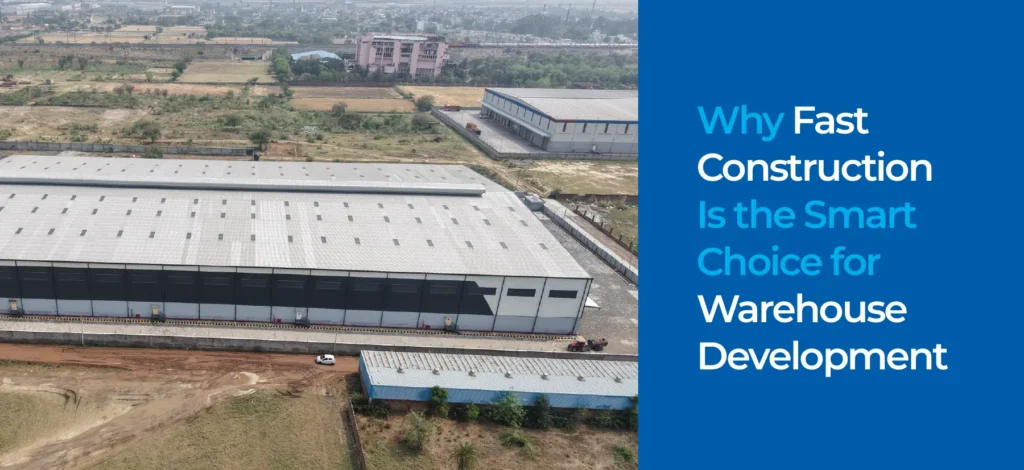
Why Fast Construction Is the Smart Choice for Warehouse Development

Have you ever waited too long for something to be built? It feels frustrating, right? Now imagine waiting for your business warehouse to be ready. Every single day of waiting means your business stays closed and your profits stop growing. This is where Fast Construction becomes very helpful. It is a smart choice because it saves time and helps you start your business sooner. Today, business runs fast. Markets change quickly. If your warehouse is ready on time, your business can meet customer needs faster. According to some reports, warehouse space demand has grown by 25% in recent years across India. That shows how businesses are expanding and looking for ready-to-use spaces. If you build a warehouse the traditional way, you might wait for months. But with Fast Construction, your space can be ready much quicker. You do not waste time. You do not miss your business opportunities. Instead, you start working and earning sooner. That is why Fast Construction is not just smart. It is necessary in today’s fast-moving world. Reasons Fast Construction Is The Smart Choice For Warehouse Development Speed Brings Business Opportunities When your warehouse is built faster, you can start your business activities sooner. This means you can store goods, manage your products and deliver them to your customers quickly. Imagine your competitors are still building their warehouses, but your doors are already open. You will be able to serve customers first and that will give your business an advantage. Fast Construction allows you to begin operations faster than you thought possible. You spend less time waiting and more time working. This is what every smart business owner wants. Simple Planning and Fast Work Another great thing about Fast Construction is that the entire planning process becomes simple. You work with experts who already know how to build warehouses quickly and safely. They create a clear plan for your project. You do not have to worry about little things. You will know when the work will start and when it will finish. This gives you peace of mind. When the planning is simple and clear, the work also finishes quickly. There are no long breaks or confusing delays. Everything moves forward step by step. That is why Fast Construction saves your time and keeps your project stress-free. Modern Materials and Smart Building Some people think that if something is built quickly, it might not be strong. But that is not true today. With Fast Construction, modern steel structures and ready-made building parts are used. These are strong and last for many years. The walls, roofs and beams come ready from the factory. They are quickly fixed together on-site. This process saves time but still gives you a safe and strong warehouse. You do not have to wait for concrete to dry or bricks to be placed one by one. This smart building method makes the work faster and better at the same time. Better Control of Your Project Cost When a warehouse takes too long to build, your costs start rising. Labour charges increase and sometimes materials go to waste because of bad weather or delays. With Fast Construction, your project finishes sooner. This means fewer days of work, lower labour costs and less waste of material. So, you save money and avoid spending more than you planned. Your budget stays on track and you can spend your saved money on growing your business. Customised Warehouses Made Faster Not every warehouse is the same. Some businesses need large spaces. Some need small rooms for offices. Some want special areas for machines. With Fast Construction, your warehouse is built exactly the way you want. You can choose the design that fits your business. And the best part is, it still gets ready fast. This means you get a warehouse that is perfect for your work and you do not have to wait too long for it. This flexibility is one more reason why Fast Construction is the smart choice for warehouses. Strong and Safe, Even When Built Fast Even though the construction is fast, your warehouse is still strong and safe. Engineers use modern machines and software to check every part of the building. The steel structures used in Fast Construction are made to handle tough weather and daily business activities. These buildings are designed to last for many years. So, when you build your warehouse quickly, you do not lose out on safety or strength. You get a fast, strong and reliable space. Easy to Expand in the Future What if your business grows bigger one day? With Fast Construction, it is easy to expand your warehouse. You do not need to break walls or start all over again. These warehouses are made in a way that lets you add new parts later. This saves both your time and your money. Your warehouse grows along with your business. You do not have to stop your work while expanding. This makes your future business plans much easier. Better for the Environment Too Fast work is not only good for your business. It is also good for the environment. With Fast Construction, there is less waste of materials like cement and bricks. Because the job finishes sooner, fewer machines run for fewer days, which reduces pollution. So, by building your warehouse faster, you help protect the environment as well. This is a smart and responsible way to build in today’s world. Build Smart, Build Fast, Build for the Future If you are thinking about building a warehouse, you should think smart. Time is one of your most valuable assets. The longer your warehouse takes to build, the longer your business stays on hold. Fast Construction gives you the freedom to start sooner, spend less and grow faster. Many businesses in India have already switched to this way of building warehouses. They know that fast results matter. They do not want to wait when they can work. When you build with speed, you do not just finish faster.

Uncategorized

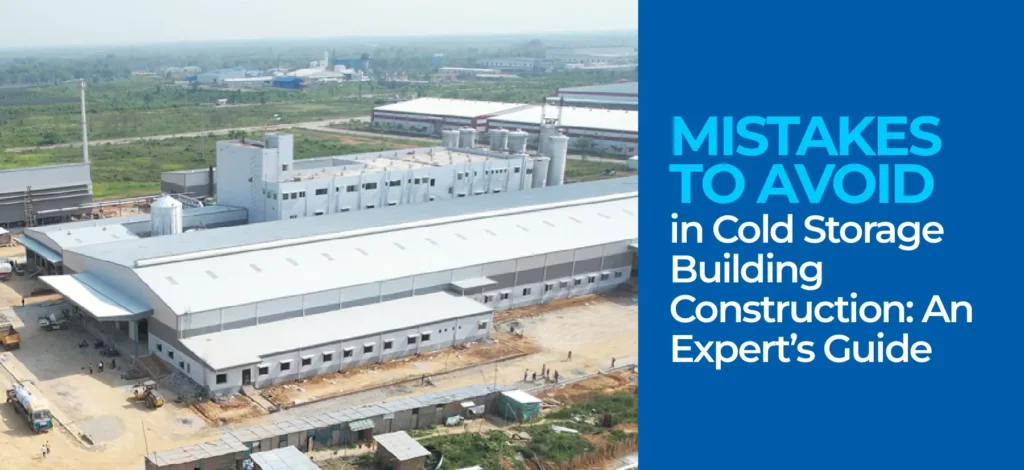
Mistakes to Avoid in Cold Storage Building Construction: An Expert’s Guide

Constructing a cold storage facility is not like building a regular warehouse. There’s a lot more science behind it. From choosing the right materials to understanding how temperature behaves inside a closed space, everything needs careful attention. In cold storage building construction, even the smallest mistake can lead to a lot of losses. If your storage does not maintain the right temperature, the goods kept inside can spoil. This means wasted money, angry clients, and a damaged business reputation. This blog will help you learn about the most common mistakes made during cold storage construction. More importantly, it will guide you on how to avoid them. Whether you are building a cold storage for fruits, vegetables, meat, or medicines, this guide will help you make better choices and save future costs. Mistakes You Should Avoid During Cold Storage Building Construction Lack of Proper Planning and Assessment One of the biggest mistakes people make is starting construction without a proper plan. In cold storage building construction, planning is everything. It is not enough to just hire a contractor and get started. You need to consider many things—like the kind of goods you are storing, the number of temperature zones, the required insulation thickness, and the cooling systems. A report by the Indian Cold Chain Industry shows that nearly 40% of cold storage units fail to perform efficiently due to poor design planning. That’s a big number. To avoid becoming part of that statistic, you must begin with a site survey, a load capacity analysis, and a clear layout map. Consult engineers who know how cold storage works. Make sure everything is planned before the actual construction begins. Using Low-Quality or Wrong Insulation If there’s one thing you should never compromise on, it is insulation. In cold storage building construction, insulation plays the most important role. It keeps the inside cool and keeps the heat out. Poor insulation means your cooling units will keep running nonstop, which increases electricity bills and leads to equipment damage. Many builders use regular wall panels or try to cut corners with cheaper material. This results in energy loss and uneven cooling. A well-insulated cold storage facility can save up to 30% on energy bills every year. Always use industry-grade PUF panels or other approved insulating materials. Check their R-value, which tells you how good they are at blocking heat. The higher the R-value, the better. Ignoring the Right Location and Surroundings Another common error is not thinking carefully about the site location. Your cold storage might look perfect on paper, but if it is located in an area with too much heat, humidity, or flooding risk, it will never perform well. In cold storage building construction, you should pick a location that is naturally cool, easy to access by road, and safe from environmental risks. Also, check the orientation of the building. If most of the walls face direct sunlight, the insulation will have to work even harder. Ideally, choose a site that allows for natural shade and has open space for ventilation. This small step can go a long way in keeping operational costs under control. Poor Ventilation and Airflow Design It’s not enough to have cooling units and fans. You also need to plan how the cold air will move inside the storage. Bad airflow design leads to uneven cooling. Some areas become too cold, while others remain warm. This causes damage to goods and increases energy usage. In cold storage building construction, make sure your design includes airflow pathways, proper duct placement, and spacing between stored goods. Use CFD (Computational Fluid Dynamics) tools if needed to understand how air will circulate. Proper ventilation also avoids the buildup of moisture and mold, which can harm sensitive products like fruits or pharmaceuticals. No Separate Zones for Handling and Storage One-size-fits-all doesn’t work in cold storage. Your structure must have different sections for storing, loading, and unloading. Mixing these functions in one space can lead to temperature leaks and contamination. During cold storage building construction, plan the layout in a way that there is a buffer area between the outside environment and the actual cold storage zone. Add air curtains or fast-acting doors to reduce temperature loss. Studies show that having separate cold zones reduces cooling costs by up to 18% over time. Not Adding Automation and Monitoring Tools Many people skip automation systems to save money. But that decision often backfires. Manual checks take time and are not reliable. If your cold storage breaks down at night and no one is there to notice, you could lose your entire stock. For smart cold storage building construction, install sensors that monitor temperature, humidity, and door movement. Set up alarms and alerts that warn you before problems occur. Today’s IoT systems are not too expensive and can be accessed from your phone or laptop. Over the long term, they save more than they cost. Weak Flooring and Foundation Design Cold storage floors must be strong and moisture-resistant. Regular floors develop cracks when exposed to low temperatures for a long time. Moisture then seeps into these cracks, damaging the structure and insulation. A good cold storage building construction plan should include thermal breaks in the floor, vapor barriers to stop moisture, and concrete with anti-slip coating. These small details make the facility more durable and safe for workers and machines. Not Preparing for Emergency Situations Fires, power cuts, and equipment failure are unexpected, but you should always be ready. Many storage buildings do not have backup generators or fire alarms. This is a mistake that can shut down the whole operation. In every cold storage building construction project, include emergency exits, temperature alarms, firefighting systems, and backup power sources. Install surge protectors for your cooling units. Being prepared doesn’t just protect your investment—it protects lives. Conclusion Cold Storage Building Construction is a long-term investment. It needs smart thinking, the right tools, and good execution. Rushing the project or trying to save costs in the wrong places will

Prefabricated Building Materials
Pre-Engineered Buildings

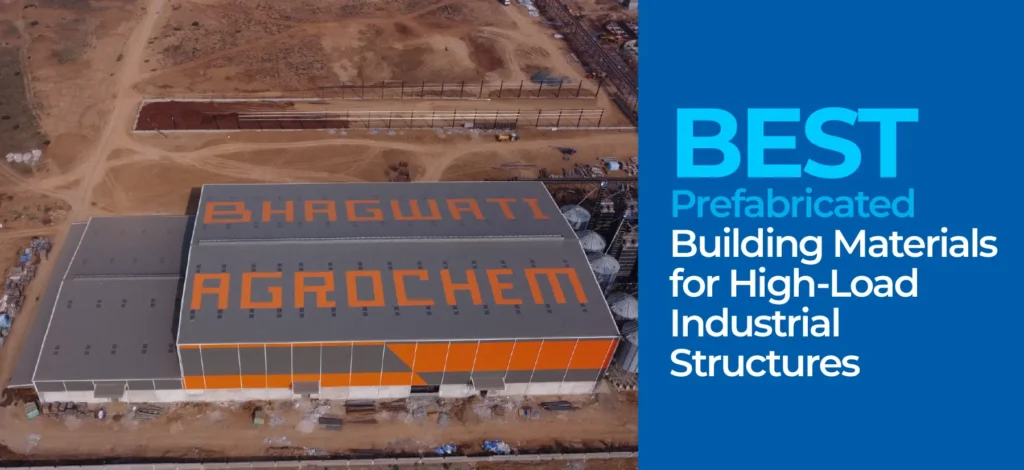
Best Prefabricated Building Materials for High-Load Industrial Structures

Industries today are not just looking for buildings. They are looking for strong, quick and smart solutions. Traditional buildings take time and can cost a lot more in the long run. That’s where Prefabricated Building Materials are changing the game. These materials are made in factories and then sent to the site. They are ready to use, easy to install and perfect for buildings that need to handle heavy loads. From steel factories and logistics warehouses to power plants and manufacturing units, every industrial project needs reliable materials. A poor choice can mean safety risks, frequent repairs, or higher energy bills. On the other hand, the right material saves time, money and effort while offering long-lasting strength. Did you know? According to a report by MarketsandMarkets, the global prefabricated building market is expected to grow from USD 153.7 billion in 2022 to USD 228.5 billion by 2027. That’s because more industries are switching to prefab methods for their speed, safety and sustainability. Top Prefabricated Building Materials for Heavy-Duty Industrial Structures Steel Structures One of the most widely used Prefabricated Building Materials in industrial construction is steel. It is known for its high strength-to-weight ratio, flexibility and ability to handle heavy loads without bending or breaking. Steel is perfect for structural frames, roof trusses and support systems. Galvanized steel is even better. It has a protective layer that prevents rusting. This makes it ideal for humid or coastal areas. It can also resist fire, pests and weather damage. Steel structures are often designed using 3D modeling software to meet exact load requirements, which improves both safety and accuracy. Quick stat: Steel buildings can be erected 30–50% faster than traditional concrete buildings, according to the Steel Construction Institute. Precast Concrete Panels Next on the list of essential Prefabricated Building Materials are precast concrete panels. These are large slabs of concrete that are made in a controlled factory environment and then transported to the site. Since they are precast, there is no weather-related delay in construction. Precast panels are extremely strong. They are perfect for walls, floors and even structural columns. These panels can bear very high loads, making them ideal for multi-story industrial structures, factories, or warehouses that use heavy equipment or store large goods. They also provide excellent fire resistance and sound insulation. Many industries that work round the clock prefer concrete panels to reduce noise levels and improve worker comfort. Sandwich Panels If you’re looking for something that’s both strong and energy-saving, sandwich panels are a smart pick. These Prefabricated Building Materials have three layers: two outer metal sheets and a core of insulating material like polyurethane foam or mineral wool. Sandwich panels are used in walls, ceilings and roofs. They are lightweight, easy to install and provide excellent thermal insulation. This helps reduce heating and cooling costs inside the building. These panels also make the building airtight and moisture-resistant. Stat to note: Well-insulated buildings using sandwich panels can save up to 30% on energy costs annually, according to a study by the International Energy Agency (IEA). Insulated Metal Panels Insulated metal panels (IMPs) are similar to sandwich panels but are specially designed for high-performance thermal control. These Prefabricated Building Materials are widely used in cold storage units, food processing industries and pharmaceutical manufacturing plants. IMPs have a high R-value, which means they are very effective at resisting heat flow. This makes them great for buildings that need constant temperatures. They are also lightweight and come in large sizes, which reduces the number of joints and improves the sealing. These panels are easy to clean, which is important in industries with strict hygiene standards. They are also fire-rated and come with different finishes for aesthetic flexibility. Glass Fiber Reinforced Concrete (GFRC) Another excellent option in Prefabricated Building Materials is GFRC. It’s a mix of cement and glass fibers, offering the strength of concrete without the extra weight. It is often used for wall panels, facades and decorative structures that still need to handle loads. GFRC does not crack easily. It resists fire, moisture and corrosion. This makes it great for buildings that need to last long with minimum maintenance. You can also mold it into different shapes and textures, which gives flexibility in design. While GFRC may cost a bit more upfront, it saves money over time due to its low maintenance and long lifespan. Engineered Timber For industries that are looking for sustainable solutions, engineered timber is becoming a popular choice. Materials like cross-laminated timber (CLT) and laminated veneer lumber (LVL) are modern Prefabricated Building Materials made from layers of wood glued together in special patterns. They are surprisingly strong and can be used for columns, beams and even floors. Engineered timber is lighter than steel or concrete, making it easier to handle on site. It is also renewable and stores carbon, which reduces the building’s environmental impact. Eco Fact: One cubic meter of wood stores around one ton of carbon dioxide, making timber buildings part of the climate solution. High-Tensile Bolts and Connection Systems Strong structures are not just about big panels or steel beams. Even the nuts, bolts and welds play a key role. That’s why every builder must pay attention to connection systems used with Prefabricated Building Materials. High-tensile bolts, welded brackets and pre-drilled holes improve accuracy and safety. Most prefabricated systems come with their own connection kits, ensuring the structure holds firm even under shifting loads or strong winds. These fasteners also allow easy expansion. If your plant needs a new section next year, prefab joints make the extension much quicker. Benefits of Using the Right Materials Choosing the right Prefabricated Building Materials is not just about strength. It affects every part of your project: Faster Construction: You save weeks or even months. Cost Savings: Less waste, lower labor costs and reduced energy bills. Better Quality: Factory-made materials are more precise and tested for durability. Lower Maintenance: Stronger materials mean fewer repairs in the future. Safer Buildings: Designed to handle heavy loads, tough weather

Prefab Building Construction
Pre-Engineered Buildings

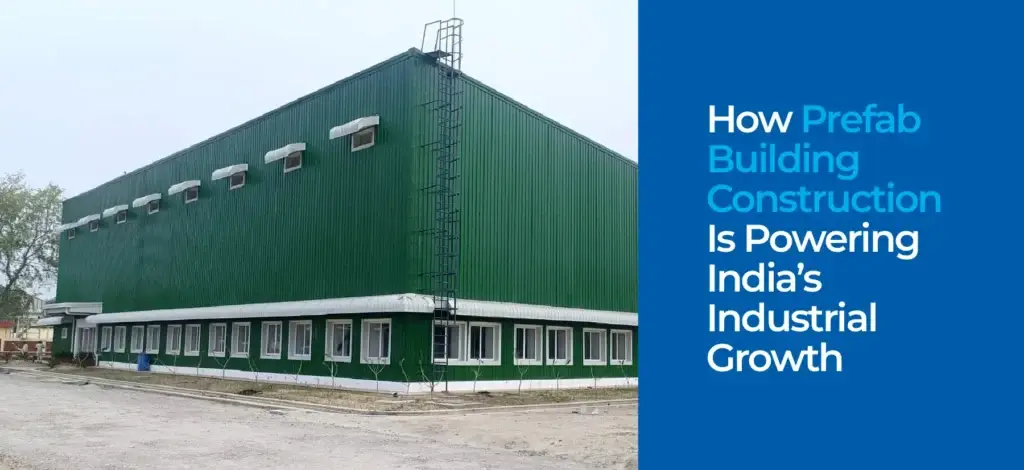
How Prefab Building Construction Is Powering India’s Industrial Growth

India is growing faster than ever. Every day, new factories, warehouses and business parks are coming up. From Delhi to Coimbatore, industrial zones are expanding at a steady pace. But here’s the thing—building all these structures the old way takes too long. It also costs a lot and often creates delays. Now imagine if you could put up an entire factory in just a few months. That’s exactly what Prefab Building Construction is making possible. This modern method is helping India move quickly and wisely. It lets companies save money, speed up work and still get strong and long-lasting buildings. The Indian prefab market is rising. In fact, experts say this industry is growing by around 8% every year. That means more and more companies are switching to prefab construction. They see the value. They see the speed. And most of all, they see a better way forward. What Does Prefab Building Construction Really Mean? Let’s make it simple. Prefab Building Construction means making the parts of a building, like columns, beams and panels, in a factory. These parts are made with machines in a neat, controlled space. Once ready, they are sent to the site. Then, they are put together quickly like building blocks. This way, the work on-site becomes faster and cleaner. You don’t have to deal with piles of sand, cement and bricks everywhere. And since machines are used to make the parts, everything is made with perfect accuracy. No gaps, no errors. People often confuse prefab with weak or temporary buildings. That’s not true. Today’s prefab buildings are just as strong—sometimes even stronger—than traditional ones. How Prefab Building Construction Is Contributing to Industrial Growth Speed That Matches Industrial Demands In business, time is everything. Every day lost in construction is a day of missed production and lost income. With Prefab Building Construction, a building that might take one year to complete can now be ready in just four to six months. This kind of speed is helping India’s industries grow faster. When factories are ready quickly, they can start making goods and generating jobs sooner. This helps both the company and the economy. For example, a logistics hub that needs to be operational before the festive season can be completed well in time using prefab methods. Lower Costs, Higher Savings Building any factory or warehouse costs a lot of money. But Prefab Building Construction reduces many of those costs. When building parts are made in factories, there’s less material waste. Fewer workers are needed on-site. Less time means fewer labor days. All of this adds up to huge savings. A report by McKinsey says that modular construction (like prefab) can reduce building costs by 20% and speed up timelines by 50%. This is a big win for industries that want to grow but also keep their budgets under control. Strong Buildings That Last Longer Some people think prefab buildings are weak or temporary. That is not true. Today’s prefab buildings are just as strong as traditional ones—sometimes even stronger. Prefab Building Construction uses high-quality steel and other strong materials that meet strict safety standards. These buildings can stand tall through heavy rains, strong winds and even earthquakes, depending on their design. This makes them perfect for big factories, storage spaces and even airport terminals. Easy to Expand When You Grow One big benefit of prefab buildings is that they can be expanded easily. Suppose your factory grows and you need more space. Instead of building everything from scratch, you can add new prefab sections to your old building. This saves time and money and avoids stopping your business while the work is happening. Prefab Building Construction gives flexibility, which is very important for growing companies. Building in Remote Areas Made Easy India has many industrial zones in remote places. Bringing materials and workers to those areas is often very tough. But with Prefab Building Construction, most of the work is done in the factory. Only a small team is needed on-site to put the parts together. This makes it easy to build in faraway locations where skilled labor or machines are hard to find. Because of this, even smaller towns can now get top-quality buildings and take part in India’s industrial growth. Cleaner and Greener Prefab is not just smart—it’s clean too. Regular construction creates a lot of dust, noise and waste. This affects people living nearby and harms the environment. But Prefab Building Construction reduces pollution at the site. Since materials are prepared in factories, there’s much less noise and dirt outside. Also, since materials are not wasted, this method is more eco-friendly. With more people caring about sustainability, prefab buildings are becoming the better, greener option for the future. Job Creation and Skill Growth Many people think factory-made buildings mean fewer jobs. That’s not true. Prefab Building Construction is creating new types of jobs. India now needs trained workers in prefab factories, truck drivers to carry the parts and expert fitters to install everything perfectly. These jobs need special skills, so many young people are now getting training in new technologies. This is helping India build a modern and more skilled workforce. Future of Prefab in India India is planning more smart cities, highways and industrial parks. To meet these goals, we need faster and smarter ways to build. That’s why Prefab Building Construction is becoming a key part of our growth story. Big companies are already choosing prefab for their warehouses and offices. Government projects are also moving toward this method. As more people see the benefits—like lower cost, faster work and better quality—the demand will only go up. By 2032, the prefab sector could be a major contributor to India’s infrastructure and job growth. The Way Forward India is growing fast. And to match this speed, our way of building also needs to change. Prefab Building Construction is not just a trend. It is the future. It saves time. It saves money. It builds strong, flexible and eco-friendly structures. From big

Insulated Wall Panels
Pre-Engineered Buildings

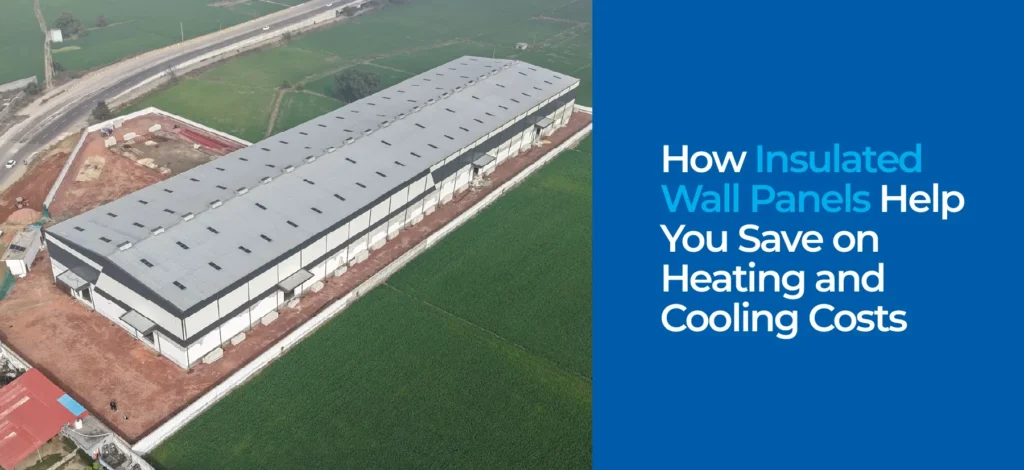
How Insulated Wall Panels Help You Save on Heating and Cooling Costs

Energy costs are rising fast. Business owners are now looking for smart ways to reduce expenses and improve building efficiency. One solution that is becoming popular across industries is Insulated Wall Panels. These panels are not just useful in keeping buildings warm or cool—they also offer real savings in energy bills, better temperature control and a long-lasting structure.In this blog, we will explain what insulated wall panels are, why they are in high demand, and how they help businesses cut heating and cooling costs. We will also explore some real examples and stats to show you the value they bring. What Are Insulated Wall Panels? Insulated Wall Panels are advanced building materials made from layers of insulation sandwiched between outer surfaces like steel or aluminium. The inside core is usually made from polyurethane foam or polystyrene, which stops heat from moving in or out. These panels are used to construct the external and internal walls of buildings. They are strong, lightweight and quick to install. Because they come pre-fabricated, they reduce construction time and make the process faster and cleaner. Most importantly, they provide excellent insulation, which helps control indoor temperatures in both hot and cold seasons. Growing Demand in India and Globally The demand for Insulated Wall Panels is growing fast in India and across the globe. In India, more businesses are switching to pre-engineered buildings and energy-saving construction materials. A report by Research and Markets shows that the global insulated panels market is expected to reach USD 14.4 billion by 2028, growing at a rate of 5.9% per year. In India, this growth is even faster due to the rise of infrastructure projects, warehouses, cold storages and manufacturing units. With the government pushing for green buildings and sustainability, more builders and architects are choosing insulated wall panels over traditional methods. Why Businesses Are Choosing Insulated Wall Panels? There are many reasons why insulated wall panels are becoming the top choice for businesses. Let’s explore the major ones below: 1. Major Reduction in Heating and Cooling Costs Heating and cooling systems can take up to 60% of the total energy consumption in commercial buildings. That’s a big number. If your walls are not insulated properly, indoor temperatures fluctuate easily. As a result, your air conditioners or heaters work harder and longer, which increases electricity bills. Insulated Wall Panels prevent this. They block heat from entering in summer and stop it from escaping in winter. Studies show that using insulated panels can reduce energy bills by up to 30-40% in the long run. That’s a huge saving for factories, retail spaces, offices and warehouses. 2. Helps Meet Green Building Goals Businesses today want to follow sustainability goals. Using Insulated Wall Panels is a great step in that direction. These panels help companies meet green building standards like GRIHA, IGBC and LEED. Less energy usage means fewer carbon emissions. That’s good for both the business and the environment. Also, some states in India offer tax benefits or faster approvals for eco-friendly buildings. So using these panels can help reduce compliance costs and speed up projects. 3. Quick Installation Saves Time and Money Time is money in construction. Traditional brick-and-mortar walls take weeks to complete. Insulated Wall Panels are ready-to-use and can be installed in just a few days. This means less labour, less machinery and fewer delays. Let’s take a simple example. A 50,000 sq ft warehouse with traditional walls may take 60 days to complete. With insulated panels, the same structure can be finished in just 30 days or less, saving both time and money. Some Real-Life Examples Case 1: Food Storage  A food processing company in Haryana needed a 20,000 sq ft cold storage unit. Earlier, they were using RCC (reinforced cement concrete) walls. The building had high power bills and frequent temperature changes. After switching to Insulated Wall Panels, they noticed a 35% drop in monthly electricity bills. The cold storage now maintains a steady internal temperature of 4°C even when the outside temperature touches 45°C. Their HVAC system now runs at lower load, and they saved lakhs of rupees within the first year. Case 2: Manufacturing Unit in Gujarat A textile manufacturing company in Gujarat was looking to expand their plant. They wanted something fast and energy-efficient. They chose insulated wall panels for both external and internal walls. Within 45 days, the entire building was completed. Since then, their air conditioning load has dropped by 28%, and the temperature inside the plant remains stable. This helped improve worker comfort, reduce machine breakdowns and maintain better product quality. Longer Life and Less Maintenance Insulated Wall Panels are also very strong and weather-resistant. They can last over 25 years without major maintenance. Unlike bricks or plaster, they do not crack or absorb moisture. This reduces the chances of dampness, mould, or paint damage. For factories, warehouses and industrial buildings, this means lower repair costs over the years. You get both long-term savings and peace of mind. Fire Resistance and Safety Many panels are made from fire-retardant materials, which makes them safe to use even in high-risk zones. Some panels meet international fire safety standards like FM Approved or ASTM E84. This gives an extra layer of protection in case of emergencies. In high-value facilities like data centres, pharma units or packaging warehouses, fire safety is a top concern. Using fire-resistant Insulated Wall Panels gives building owners more confidence in their safety measures. Custom Design and Aesthetics Today’s insulated wall panels don’t just perform well—they also look good. They are available in different finishes, colours and textures. This helps architects design buildings that are modern, sleek and stylish without compromising on performance. Panels can also be customised for curved walls, hidden joints or special textures. This flexibility makes them ideal for hotels, showrooms, office buildings and public spaces. Conclusion Insulated Wall Panels are no longer an optional feature. They are a smart investment for any business looking to reduce operational costs, speed up construction and meet green building standards.

Pre Engineered Metal Building
Uncategorized

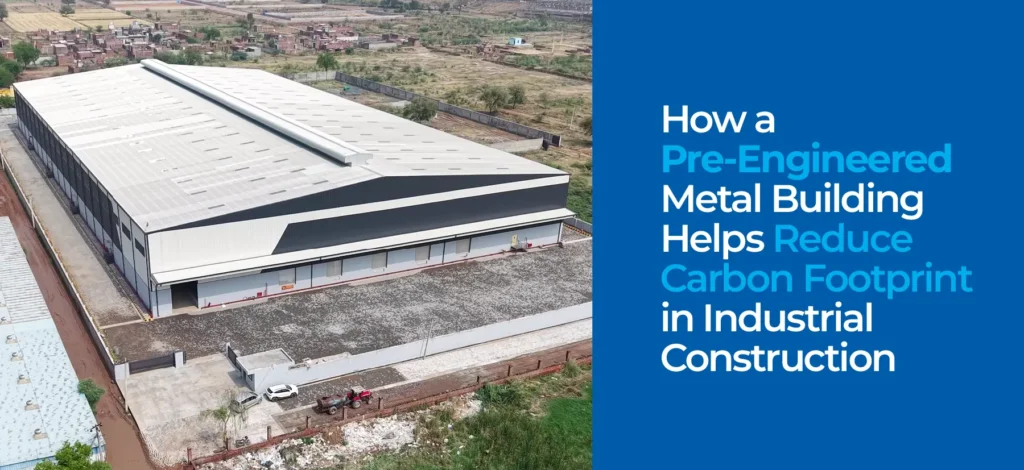
How a Pre Engineered Metal Building Helps Reduce Carbon Footprint in Industrial Construction

The world is waking up to the fact that construction is one of the biggest sources of pollution. According to the Global Alliance for Buildings and Construction, the construction sector is responsible for almost 39% of global energy-related carbon emissions. That’s a big number. And most of it comes from how we build, the materials we use, and the energy wasted during long construction cycles. But things are starting to change. One major step in this direction is the use of Pre Engineered Metal Building structures. These buildings are not only quicker and easier to build, but they also use fewer resources and leave behind a much smaller carbon footprint. They are smart, sustainable, and ready to take over the future of industrial construction. How Pre Engineered Metal Buildings Reduce Carbon Footprint? 1.Smarter Designs Mean Less Waste The design of a Pre Engineered Metal Building is not just about how it looks, but how efficiently it works. Every component is designed using computer software that calculates the exact amount of material needed. That means there is very little or almost no waste created during production. Traditional construction often leads to leftover bricks, cement bags, wooden panels, and other debris. These go straight to landfills. In contrast, PEBs are built with careful planning, where every nut and bolt is part of a pre-decided system. This kind of planning helps reduce overall material usage by up to 30% compared to traditional buildings. Less material used means less energy spent on making, transporting, and disposing of it. 2. Faster Construction Reduces Carbon Emissions Speed is one of the biggest advantages of a Pre Engineered Metal Building. These structures are made in factories and only assembled on-site. This reduces the total construction time by 40 to 60%, depending on the project. Less time spent on construction means machines like cranes, mixers, and trucks run for fewer days. That directly reduces fuel usage and air pollution. For example, a building that takes six months to complete using concrete could be ready in just two or three months using the PEB method. That’s half the emissions from equipment and transport alone.  3. Recycling Steel Lowers Environmental Impact One of the best things about a Pre Engineered Metal Building is the main material—steel. Steel is one of the most recyclable materials in the world. In fact, over 80 million tonnes of steel are recycled every year globally. And unlike other materials, recycled steel keeps its strength. Most PEBs use recycled steel, which means less mining, less processing, and fewer emissions during manufacturing. And even after years of use, the steel parts can be taken down, melted, and used again in new buildings. This reduces the need for new materials and keeps the environment cleaner. 4. Better Energy Efficiency During Use A Pre Engineered Metal Building is not only better during construction—it also performs better once in use. These buildings are designed to allow more natural light and better airflow. They can also be fitted with insulation panels that keep the inside cooler in summer and warmer in winter. This smart design can cut down the need for air conditioners and heaters, reducing electricity consumption by up to 50%. Over time, this saves huge amounts of energy and brings down the building’s carbon emissions for decades. For industrial units that run all day, this kind of saving can make a big difference. 5. Reduced Transportation Pollution Another big source of pollution in construction is the transport of materials. Concrete and bricks need many trips from suppliers to the site. But a Pre Engineered Metal Building is delivered in ready-to-install parts. These are packed carefully and shipped in fewer trips, which cuts down fuel use. Less traffic to the construction site means fewer diesel trucks on the road, fewer emissions, and a smaller carbon footprint. And since all parts are measured in advance, there’s no need for last-minute deliveries or reorders that could add to the carbon load. 6. Safer and Cleaner Work Environment A Pre Engineered Metal Building makes the construction site cleaner and safer. Since most of the fabrication is done off-site, there is less dust, noise, and chemical use at the location. This reduces pollution in nearby areas and creates a healthier place for workers. Dust from cement and concrete can lead to lung diseases. Loud noises from machines can cause hearing loss. But with PEBs, these risks are much lower. This doesn’t just help the planet, but also protects the people building it. 7. Reusable and Easy to Disassemble Unlike traditional buildings that need to be demolished with heavy machines, a Pre Engineered Metal Building can be taken apart and reused. Every part is bolted together, not welded or glued. This makes it easy to shift the building to a new location or sell the materials. This feature reduces construction waste. When an old building is taken down, thousands of tonnes of material often go into landfills. But with a PEB, up to 90% of the material can be reused or recycled. That’s a big saving for the environment. 8. Designed to Last for Years Durability is another strong point of a Pre Engineered Metal Building. These buildings are made to resist wind, rain, heat, and even fire. They do not rust easily and need fewer repairs compared to traditional structures. When a building stays strong for 30 to 50 years without major repairs, it saves the energy and resources that would otherwise go into maintenance. It also avoids the carbon emissions involved in transporting new materials and fixing damaged parts. Final Thoughts The way we build matters more than ever before. Industrial growth is important, but so is protecting our planet. A Pre Engineered Metal Building offers a modern, responsible way to grow without adding to the problem of climate change. From design to delivery and even after years of use, every stage of a Pre Engineered Buildings is built to be efficient, clean, and eco-friendly. These buildings are not just a smart

Uncategorized

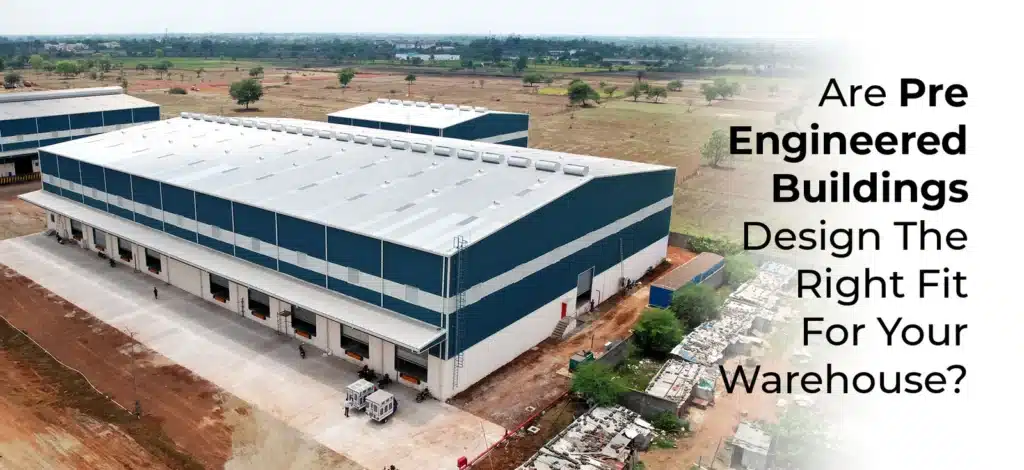
Are Pre Engineered Buildings Design The Right Fit For Your Warehouse?

If you’re planning to build a warehouse, you might be wondering if a pre-engineered building (PEB) is the right choice. PEBs are like giant building kits – the parts are made in a factory and then put together on your land. But are they a good fit for your warehouse needs? Let’s break it down. What is Pre Engineered Buildings Design? Imagine a big Lego set for grown-ups. That’s kind of what a PEB is. Instead of bricks, they use steel pieces that are custom-made in a factory. These pieces fit together perfectly, making the building process much faster than traditional construction. The Upsides of PEBs for Warehouse  Speedy Construction  PEBs are like a fast-track building option. Because the parts are already made, your warehouse can be up and running much quicker than with traditional building methods. This is great if you’re in a hurry to move in or want to minimize disruptions to your business. Budget-Friendly PEBs are often lighter on your wallet than traditional buildings. The factory-made parts cut down on labor costs, and there’s less waste since everything is pre-cut and measured. Flexible Design Pre Engineered Buildings Design might seem basic, but they’re actually pretty flexible. You can customize them to fit your company’s style and needs. Want a modern look with lots of windows? Or maybe you need a big open space for collaboration? PEBs can do it all. Strength and Durability Steel is a tough material. PEBs are built to handle all kinds of weather conditions and can last for many years. So, you can be sure your office will be a safe and sound place to work. Eco-Friendly Pre Engineered Buildings Design are surprisingly kind to the environment. They use less energy to build, and the steel parts can be recycled at the end of the building’s life. Is a Pre Engineered Buildings Design Right for You? The answer depends on your specific needs and priorities. Consider the following: Your Budget: How much are you willing to spend on your new warehouse? PEBs are often a more affordable option. Your Timeline: How quickly do you need your warehouse to be ready? PEBs offer faster construction timelines. Your Design Preferences: Are you looking for a unique design or a more functional space? PEBs might not be the best fit for highly customized designs. Your Environmental Concerns: Are you concerned about the environmental impact of your new warehouse? PEBs are a more sustainable building option. Making the Right Decision Talk to your architect or building contractor. They can help you weigh the pros and cons of PEBs based on your specific needs and goals. They can also help you explore other building options if a PEB isn’t the perfect fit. Moving Ahead… Pre Engineered Buildings Design offer a lot of benefits, including fast construction, affordability, flexibility, and durability. However, they might not be ideal for every warehouse project. Carefully consider your needs and priorities before making a decision. If you value speed, cost-effectiveness, and functional space, a PEB could be the perfect solution for your new warehouse space. Why Choose Willus Infrastructure for Your PEB Office? Willus Infra understand the unique needs of office spaces. Our team has over 25 years of experience in steel construction, and we’re committed to delivering high-quality, cost-effective, and customized pre engineered buildings design that meet your specific requirements. We prioritize using the best-suited products for your project, ensuring a fast execution time while maintaining strict quality control measures. Our focus on value-for-money services and filling the gaps in the PEB industry sets us apart. If you’re considering a PEB for your new warehouse, we encourage you to reach out to us. Let’s discuss how we can create a functional, efficient, and sustainable warehouses that perfectly aligns with your vision and budget. Frequently Asked Questions  How do pre-engineered buildings benefit warehouse construction? PEBs offer several advantages, including faster construction times, cost savings, flexible design options, strength and durability, and environmental friendliness. 2. Are pre-engineered buildings more cost-effective than traditional buildings? Yes, PEBs are generally more budget-friendly due to reduced labor costs, minimal material waste, and faster construction times. 3. Can I customize the design of a Pre Engineered Buildings Design warehouse? Absolutely. PEBs are highly flexible and can be customized to meet specific design preferences and functional requirements, including modern aesthetics and spacious layouts. 4. How long does it take to construct a pre-engineered warehouse? The construction timeline for a PEB is significantly shorter than traditional methods. Depending on the size and complexity of the project, it can take just a few weeks to a few months. 5. Are pre-engineered buildings durable and safe? Yes, PEBs are constructed using high-quality steel, making them extremely durable and capable of withstanding various weather conditions. They are designed to last for many years. 6. Are pre-engineered buildings environmentally friendly? PEBs are eco-friendly as they require less energy to produce, generate minimal waste during construction, and their steel components are recyclable. 7. What factors should I consider when choosing a Pre Engineered Buildings Design for my warehouse? Key considerations include your budget, timeline, design preferences, and environmental concerns. It’s essential to discuss these factors with your architect or contractor.

PEB Design
Uncategorized

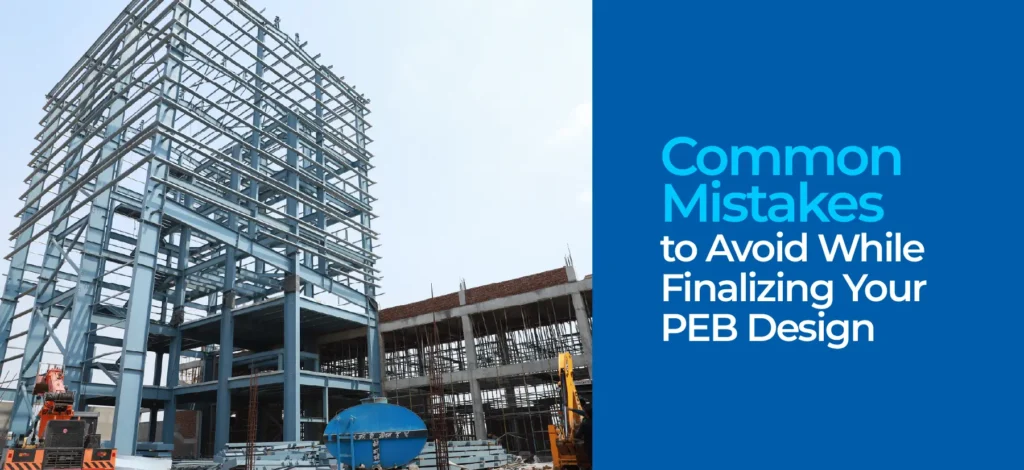
Common Mistakes to Avoid While Finalizing Your PEB Design

Getting your PEB design right is one of the most important steps in building a strong and long-lasting structure. A small mistake in the beginning can lead to big problems later. Many people often ignore the early planning and jump straight into construction. That is where things start to fall apart. A well-planned PEB design can help you save time, money and a lot of stress. So before you sign off on your plan, take a moment to learn from some of the most common mistakes people make. These lessons can help you avoid regret and build something that truly stands the test of time. Mistakes To Avoid When You Finalize PEB Design Not Understanding the Site Conditions Properly Before you even begin the PEB design process, you need to understand the land where your building will stand. Site conditions include things like soil type, wind pressure and whether the location is in an earthquake-prone area. If your building is going to be set up in a high wind zone or near a coastal area, your design will need to be adjusted to take that into account. Many people ignore these factors and go with a standard plan. This leads to problems in stability and structure. You should always ask for a detailed soil test and get expert advice before finalizing your PEB design. The more you understand the ground below, the better your building will stand above. Rushing Through the Design Phase A lot of owners are in a hurry to start building. They want results fast and think they can fix mistakes later. But when it comes to PEB design, the planning phase is the foundation. If you rush this part, your entire structure can suffer. A weak plan will cost you more during construction and may even require redesigns. You must take your time to meet with engineers, discuss every detail and double-check the plan before moving forward. A good PEB design needs time, thought and careful planning. If you feel you are being pushed to approve something too fast, pause and ask questions. Your patience here will save you a lot of problems later. Forgetting About Future Expansion It is easy to think only about the present. You may believe that your current space is enough. But businesses grow. Needs change. If your PEB design does not allow for future expansion, you may face big trouble down the road. What if you want to add more machines or expand your storage? Rebuilding parts of your structure will cost more than just adding space from the beginning. A smart design always keeps the future in mind. Try to include an extra bay or keep some space open for growth. Your PEB design should give you the flexibility to grow without tearing things down later. Adding Too Many Features Without Checking the Load It is natural to want everything in your building. You might want skylights, cranes, solar panels or extra floors. But your structure can only handle so much. Adding too many features without checking if your PEB design supports them can create serious risks. You need to know how much weight your frame can hold and how that weight is spread across the building. Talk to your design team before adding anything heavy. If your structure cannot support it, you need to change the plan or pick lighter materials. A well-balanced PEB design focuses on strength and safety more than fancy extras Not Planning Electrical and Mechanical Systems Early Some people treat things like lights, wiring and air conditioning as afterthoughts. They believe they can be added later. This is a mistake. When you do not include these systems in your PEB design, you might face issues during installation. You may need to cut into walls, change the frame or spend more money to fit everything in. Instead, plan these things from the start. Make sure your electrical and mechanical systems fit into your structure smoothly. A complete PEB design always includes space for wires, ducts and other systems. It keeps your building clean, efficient and ready to use. Choosing the Wrong Roof for the Structure Your roof is more than just a cover. It protects everything below it from rain, heat and dust. Many people choose roofs that look nice or cost less without thinking about how they match the PEB design. A roof that does not suit your design can cause water leaks, rust or structural damage. Your roof must match the local climate and the shape of the building. The slope, materials and drainage should all be planned carefully. Make sure your PEB design includes the right type of roof for the job. This will increase the life of your building and reduce repairs later. Not Following Updated Design Standards Building rules and codes are there to protect people and property. Still, some projects ignore the latest standards while creating their PEB design. This can lead to rejected plans, safety risks or even legal trouble. You must always check for updated building codes and make sure your design follows them. These codes often change based on location, new research or government policy. Using outdated rules can make your design weak or non-compliant. Always stay informed. Review your PEB design with a qualified engineer who understands the latest standards. Not Reviewing Multiple Design Options It is tempting to go with the first layout you get. But there may be better options that are more cost-effective or easier to build. Many people do not ask for other ideas and end up with a PEB design that is not the best fit for their needs. You should always compare different design options before finalizing one. Ask your provider for at least two or three alternatives. Look at cost, strength and space usage. Sometimes a small change in layout can save you a lot of money and make your building work better. A great PEB design is one that fits your goals perfectly, not just one

Scroll to Top