Willus Infra

Author name: dinesh

prefabricated homes
Uncategorized

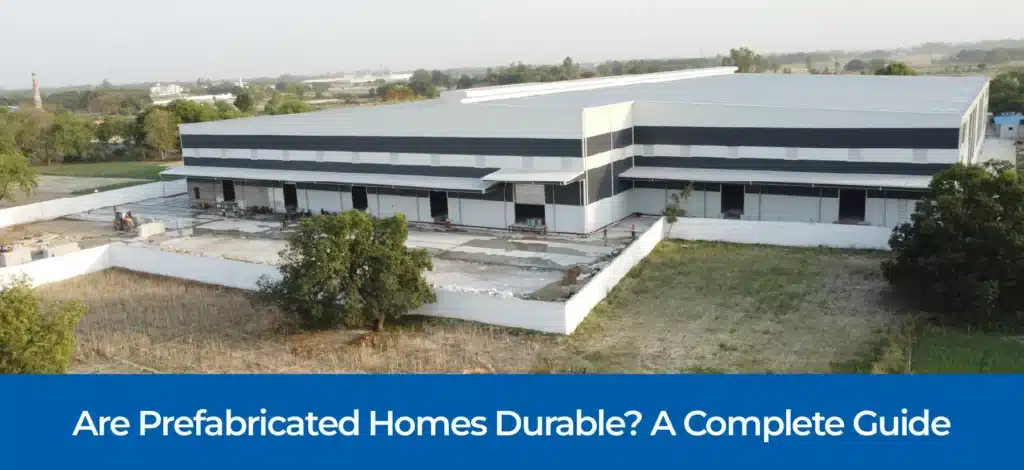
Are Prefabricated Homes Durable? A Complete Guide

Have you heard the saying before “A house is only as strong as the hands that built it”? Well, when it comes to prefabricated homes, that idea takes on a whole new meaning. These homes aren’t just built—they’re engineered with precision, designed to last, and assembled with a level of efficiency that traditional construction often struggles to match. Yet, there’s always that one lingering question: Are prefabricated homes actually durable? Can they withstand the test of time, bad weather, and daily wear and tear like a conventional house? Let’s break it down – how sturdy these homes actually are. What Are Prefabricated Homes? Before we get into durability, let’s clear up any confusion about what prefabricated homes actually are. Instead of being built entirely on-site, these homes are put together in a factory-controlled environment. Think of it like assembling a high-quality car in a plant rather than crafting each part in someone’s backyard. Every component is built with precision, then transported and assembled at the final location. Some people hear “factory-made” and assume these homes are flimsy or temporary. But that couldn’t be further from the truth. In fact, because of the controlled environment in which they’re built, these homes avoid many of the common structural flaws you see in traditional houses. So, Are They Built to Last? Let’s get one thing straight—prefabricated homes aren’t some lightweight, temporary housing solution. They’re made to stand strong, just like any conventional house. Here’s why: 1.Factory-Controlled Precision – Unlike traditional homes that deal with unpredictable weather during construction (think: rain warping wood, dust weakening cement), prefabricated homes are built in a controlled setting. No environmental damage during the building process means stronger materials and a more solid structure from the start. 2.Stronger Materials, Smarter Engineering – Because these homes have to be transported before assembly, they’re actually designed to endure more stress than a regular house. Think about it—if something has to be sturdy enough to survive the journey from factory to final destination, it’s naturally built tougher. 3.Better Weight Distribution – Unlike traditional houses where minor structural inconsistencies can lead to weak points, prefabricated homes are built with even weight distribution. That means fewer structural weaknesses and greater resistance to wear and tear over time. Can They Handle Harsh Weather? One of the biggest concerns people have is whether prefabricated homes can survive extreme weather. Let’s put that worry to rest. These homes are built to meet (and often exceed) the same building codes as site-built houses. Whether it’s scorching summers, relentless monsoons, or even earthquakes, prefabricated structures are designed to hold their ground. Some models are even hurricane-resistant! How? ♦Tightly Sealed Construction – Because these homes are pre-made with exact specifications, they have fewer air leaks or weak spots where moisture and wind can creep in. ♦Earthquake & Wind Resistance – Many modern prefabricated homes are designed to flex rather than crack under pressure, making them surprisingly resilient in high-wind and seismic zones. Maintenance Now, let’s be real—no home, whether prefabricated or traditionally built, will last forever if you don’t take care of it. But here’s where prefabricated homes shine: they’re built with precision, which means fewer surprises. No sudden cracks in the walls. No uneven flooring. No mysterious leaks that pop up out of nowhere. That being said, if you want your home to last for decades, treat it well. Regular maintenance, timely repairs, and a bit of TLC will keep it in top shape. It’s the same principle as owning a car—you wouldn’t expect a vehicle to run smoothly for years without servicing, right? More Than Just Durable—They’re Energy Efficient Too One of the coolest things about prefabricated homes is that they’re often more energy-efficient than traditional homes. Because they’re built with modern technology, they tend to have better insulation, which helps keep indoor temperatures stable. That means lower electricity bills, better climate control, and a more sustainable home. And if you’re someone who cares about the environment (which, let’s be honest, we all should), you’ll love this: these homes generate less construction waste and often use recycled materials. It’s a win-win—strong, efficient, and better for the planet. The Future of Housing? It’s Already Here. Traditional construction methods are slow, expensive, and often wasteful. With rising material costs and increasing demand for affordable yet high-quality housing, prefabricated homes are becoming a game-changer. They’re faster to build, more cost-effective, and, as we’ve now established, just as durable as conventional houses—if not more so. So, are these homes the future? Honestly, they’re not just the future—they’re the present. More and more people are choosing prefabrication over traditional construction, and it’s easy to see why. Final Thoughts If you were on the fence about whether prefabricated homes are durable, hopefully, you’ve got your answer now. These homes aren’t just built to last—they’re built smarter, stronger, and more efficiently than many traditional houses. And if you’re thinking about making the switch, companies like Willus Infra Pre Fabricated Building Manufacturers In India are leading the way, offering high-quality, long-lasting prefabricated solutions. The idea that these homes are “weaker” or “temporary” is just outdated thinking. The future of housing isn’t coming—it’s already here.
exterior wall cladding
Uncategorized

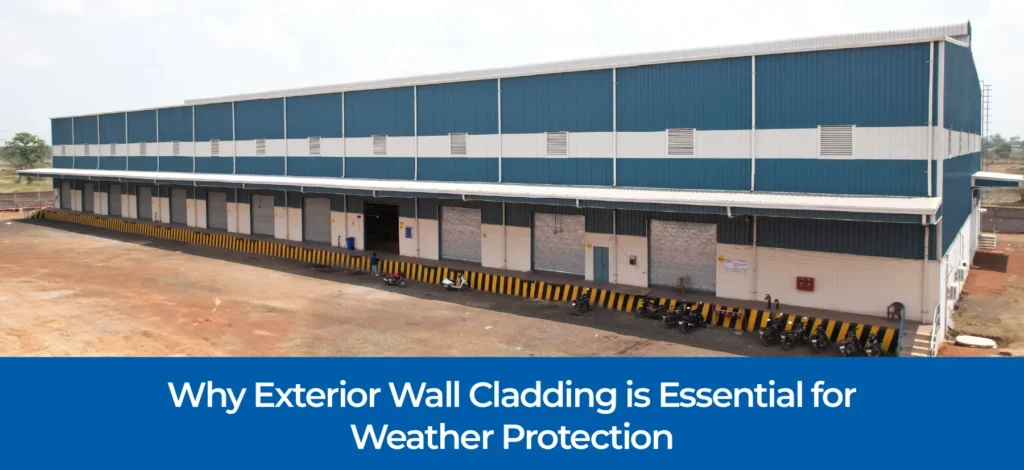
Why Exterior Wall Cladding is Essential for Weather Protection

Have you ever seen a house or a building that looks old before its time? The paint is peeling, cracks are forming, and the walls just seem… tired. Well, that’s what happens when exterior wall cladding isn’t part of the picture. It’s not just about looks—this stuff is a shield, standing strong against rain, wind, and whatever else Mother Nature throws at it. The First Line of Defense Think of exterior wall cladding like a jacket for your building. You wouldn’t step out in a snowstorm without a coat, right? The same logic applies here. Without it, your walls are at the mercy of moisture, heat, and pollution. And let’s be honest, weather isn’t always kind. A good layer of cladding means your structure stays sturdy and fresh-looking for years. Water damage? No worries. Cladding blocks rain from seeping into the walls, preventing mold, damp patches, and ugly stains. Sun beating down? It acts like sunglasses, reducing direct heat impact. Strong winds? It stands firm, keeping the walls underneath safe. Goodbye to Maintenance Hassles Imagine a home that doesn’t demand constant touch-ups. That’s the beauty of exterior wall cladding. Unlike regular painted walls, which need frequent repairs, cladding holds up over time. Less cracking, no flaking paint, and fewer worries about erosion. Plus, it’s a real time-saver. No one enjoys calling up workers every few months to fix weather-related damages. Cladding keeps all that drama at bay.  More Than Just Protection—It’s a Style Statement Let’s not ignore the cool factor. Exterior wall cladding isn’t just functional—it’s a way to give buildings a facelift. Whether it’s sleek modern panels or a rustic brick finish, cladding transforms dull walls into head-turners. And the best part? Options. Loads of them. Wood, metal, stone, fiber cement—you name it. There’s something for every taste, every style. Whether you’re aiming for a trendy look or a classic touch, cladding does the trick. Energy Savings on the Side Now, here’s a bonus: cladding isn’t just about keeping out the bad; it also helps trap the good—like comfortable indoor temperatures. It adds an extra layer of insulation, meaning your home stays cooler in summer and warmer in winter. That’s less reliance on air conditioning and heating, which means lower energy bills. Imagine getting home on a scorching summer day and walking into a naturally cool house. No blasting the AC. No sky-high electricity bills. Just comfort. That’s the power of exterior wall cladding. The Hidden Enemy Have you ever noticed how some buildings develop weird green patches over time? That’s moisture playing tricks. Without exterior wall cladding, rainwater can sneak into the walls, and before you know it, mold and mildew start creeping in. And it’s not just about looks—this kind of damage weakens the structure over time. Walls become brittle, cracks start appearing, and repairs become expensive. Cladding acts like an umbrella, keeping the walls dry and sturdy no matter the season. Imagine getting home on a scorching summer day and walking into a naturally cool house. No blasting the AC. No sky-high electricity bills. Just comfort. That’s the power of exterior wall cladding. Stronger Walls For Longer Life No one builds a house hoping it’ll need major repairs in a few years. The goal is longevity, and that’s exactly what exterior wall cladding offers. It shields against environmental wear and tear, so buildings last longer with fewer headaches. From city skyscrapers to cozy homes, every structure faces its share of weather challenges. But with the right cladding, walls stay intact, standing strong against the elements year after year. And it’s not just about looks—this kind of damage weakens the structure over time. Walls become brittle, cracks start appearing, and repairs become expensive. Cladding acts like an umbrella, keeping the walls dry and sturdy no matter the season. Imagine getting home on a scorching summer day and walking into a naturally cool house. No blasting the AC. No sky-high electricity bills. Just comfort. That’s the power of exterior wall cladding. The Smart Investment No one enjoys spending money on constant fixes. Without exterior wall cladding, maintenance costs pile up. Repainting, fixing cracks, repairing weather damage—it all adds up. Cladding might seem like an upfront investment, but it pays for itself in the long run. Lower repair costs, improved insulation (hello, lower energy bills!), and a fresh-looking building for years? Sounds like a win. Why Settle for Less? Exterior wall cladding isn’t just some fancy extra—it’s essential. It protects, it enhances, and it makes life easier. Whether it’s keeping walls safe from harsh weather, reducing maintenance stress, or adding a stylish edge, cladding does it all. And if you’re wondering where to start, Willus Infra Pre Engineered Buildings Manufacturers in India has got it covered. With top-notch materials and expert craftsmanship, they bring durable, weather-resistant cladding solutions to the table. Because when it comes to keeping your building in top shape, settling for anything less just isn’t an option. Frequently Asked Questions What is exterior wall cladding? Exterior wall cladding is a protective layer installed on the outside of a building to shield it from weather damage, moisture, and temperature changes. It also enhances the structure’s appearance and reduces maintenance needs. Why is exterior wall cladding important for weather protection? Cladding acts as a barrier against rain, heat, wind, and pollution, preventing moisture damage, cracks, and structural weakening. It also helps in maintaining a stable indoor temperature, reducing energy consumption. What materials are commonly used for wall cladding? Popular options include fiber cement, metal, stone, wood, uPVC, and composite panels. Each material has its own benefits, such as durability, insulation properties, and aesthetic appeal. Can wall cladding improve energy efficiency? Yes! Cladding adds an extra insulation layer, keeping interiors cooler in summer and warmer in winter. This reduces the need for excessive heating or air conditioning, lowering energy bills. Does cladding help prevent moisture damage? Absolutely. Without exterior wall cladding, rainwater can seep into the walls, leading to mold, mildew, and structural decay. Cladding prevents this by acting as

PEB Construction
Pre-Engineered Buildings

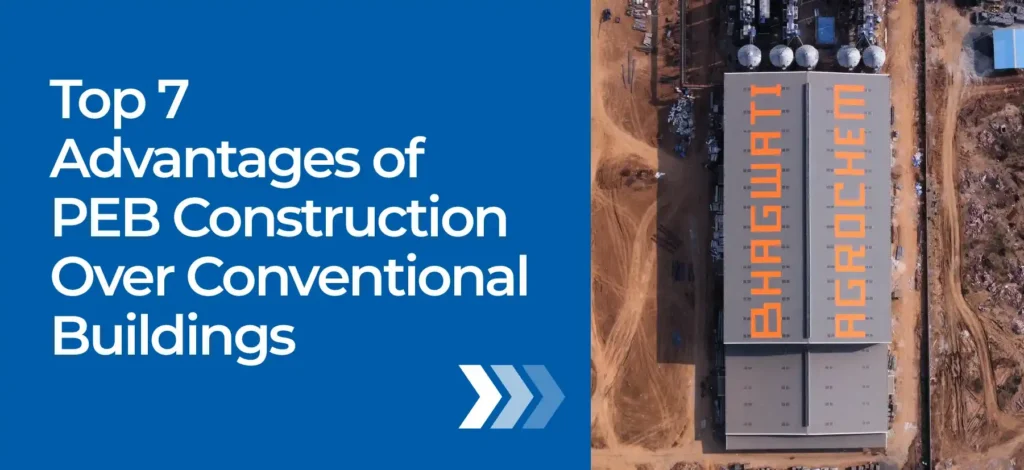
Top 7 Advantages of PEB Construction Over Conventional Buildings

Construction isn’t just about putting up walls—it’s about creating durable, efficient, and cost-effective spaces. That’s where PEB Construction (Pre-Engineered Buildings) steps in, redefining how we build. While conventional methods have stood the test of time, PEB is pushing the boundaries with speed, efficiency, and affordability. If you’re debating between traditional brick-and-mortar structures and PEB Construction, here’s why PEB is the game-changer you need to consider. Why PEB Construction is the Smarter Choice Over Traditional Buildings 1. Faster Construction, No Waiting Around Imagine ordering a custom-built structure and having it ready in just a few months instead of waiting a year. That’s what PEB Construction brings to the table. Since its components are pre-fabricated in a factory, on-site assembly happens at lightning speed—30-50% faster than traditional methods. No weather delays, no on-site fabrication hiccups—just quick, precise construction that gets you operational in no time. 2. Saves Money Without Cutting Corners Construction costs can spiral out of control, but PEB Construction keeps budgets in check. The reason? Minimal material waste, fewer labor requirements, and factory-controlled precision. Unlike conventional buildings—where unexpected delays and inefficiencies drive up expenses—PEB offers predictable pricing with lower overall costs. It’s a financially smart choice that eliminates hidden surprises. 3. Built for Strength, Engineered for Resilience When it comes to durability, steel beats concrete any day. PEB structures use high-grade steel that can withstand heavy loads, extreme weather, and seismic activity better than traditional buildings. While a brick-and-mortar structure might develop cracks over time, a PEB building stays intact with minimal maintenance. Studies show that steel structures outlast conventional ones, offering a more reliable and long-term investment. 4. A Greener and More Sustainable Solution Sustainability is no longer optional—it’s a necessity. Unlike conventional buildings that produce tons of construction waste, PEB generates far less debris and promotes environmentally responsible construction. Plus, steel is 100% recyclable, significantly reducing environmental impact. Want lower energy bills? PEB structures can be fitted with insulated panels, cutting down heating and cooling costs for a smaller carbon footprint. 5. Flexible, Scalable, and Easy to Expand What happens when your business grows and you need more space? With PEB Construction, expansion is effortless. These buildings are modular, meaning you can extend the structure without major demolition or downtime. Traditional buildings? Not so much. PEB gives you the flexibility to adapt, modify, and scale whenever needed—without the headache of extensive renovations. 6. No Deep Foundations, No Extra Hassle One of the biggest challenges with traditional construction is laying deep, expensive foundations. PEB eliminates this issue. Since it’s significantly lighter, it doesn’t require heavy excavation, making it ideal for areas with unstable soil or tough terrains. This reduces installation time and cost, making it an even more attractive option for various projects. 7. Low Maintenance, High Durability Nobody wants a building that constantly demands repairs. Conventional structures need frequent upkeep—cracks, water leaks, repainting, and structural fixes. PEB Construction? Not so much. With corrosion-resistant steel, weather-proof coatings, and robust design, these buildings require minimal maintenance and can last over 50 years without major repairs. The Final Verdict The comparison is clear—PEB Construction outshines conventional buildings in every aspect. It’s faster, more cost-effective, sustainable, and long-lasting—a perfect fit for industries, warehouses, commercial spaces, and beyond. In a world where efficiency matters more than ever, PEB is the future of construction. Willus Infra PEB Building Manufacturer in India specializes in high-quality PEB Construction solutions, ensuring unmatched efficiency, durability, and cost savings. If you’re planning a new project, it’s time to step into the future and make the smart move toward PEB Construction. Frequently Asked Questions  What is PEB Construction, and how is it different from conventional buildings? PEB (Pre-Engineered Building) Construction is a method where building components are pre-fabricated in a factory and then assembled on-site. Unlike traditional buildings that require extensive on-site labor, PEB ensures faster, cost-effective, and more efficient construction with minimal waste and errors. How much faster is PEB Construction compared to traditional methods? PEB structures can be completed 30-50% faster than conventional buildings. Since components are pre-designed and pre-cut, on-site assembly is quicker, reducing dependence on weather conditions and labor delays. Is PEB Construction more cost-effective than traditional buildings? Yes, PEB significantly reduces costs due to lower material wastage, less labor requirement, and shorter project timelines. Unlike conventional methods, which often lead to budget overruns, PEB offers a more predictable and cost-efficient solution. Are PEB buildings durable and strong enough for all weather conditions? Absolutely! PEB buildings use high-grade steel, making them resistant to heavy loads, extreme weather conditions, and even seismic activity. They require minimal maintenance and have a longer lifespan than traditional brick-and-mortar structures. Are PEB buildings environmentally friendly? Yes, PEB Construction is a sustainable choice. Steel is 100% recyclable, and the pre-engineered process generates less construction waste compared to conventional methods. Additionally, PEB structures can be fitted with energy-efficient insulation panels, reducing heating and cooling costs. Can PEB structures be expanded or modified easily? Yes! PEB buildings are modular, making expansion simple. Unlike traditional buildings that require extensive demolition and renovation, PEB structures can be modified with minimal downtime, allowing businesses to scale efficiently. Do PEB buildings require deep foundations like conventional buildings? No, PEB structures are lighter and require less excavation, reducing foundation costs. This makes them ideal for areas with unstable soil conditions or remote locations where deep foundations are challenging. What industries benefit the most from PEB Construction? PEB is widely used in warehouses, factories, commercial spaces, industrial plants, storage facilities, airports, and even residential projects. Its versatility, cost-effectiveness, and durability make it an excellent choice for various industries. How long do PEB buildings last? With proper maintenance, PEB structures can last over 50 years. The steel components are treated to resist corrosion, rust, and weather damage, making them low-maintenance and highly durable. Is PEB suitable for earthquake-prone areas? Yes! PEB buildings are designed to withstand seismic activity due to their flexible and lightweight structure. Steel absorbs shocks better than concrete, making PEB an excellent choice for earthquake-prone regions.

Industrial Shed Construction
Uncategorized

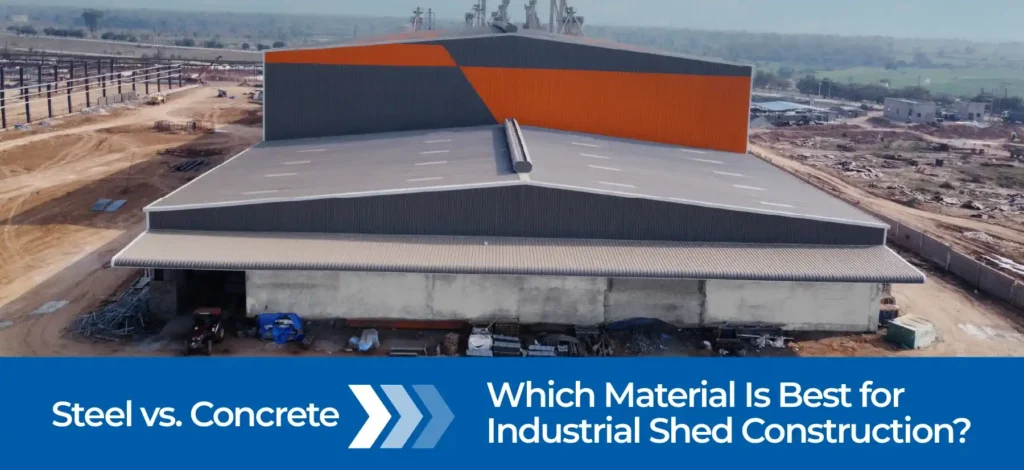
Steel vs. Concrete: Which Material Is Best for Industrial Shed Construction?

If you’re planning industrial shed construction, there’s one big question you can’t ignore—steel or concrete? It’s a choice that shapes not just the shed itself but also your costs, timeline, and long-term maintenance. Now, some folks swear by concrete, claiming it’s rock-solid and unshakable. Others argue steel is king, offering unmatched speed, flexibility, and strength. But when it comes down to practicality, efficiency, and cost-effectiveness, which material really pulls ahead? Let’s dive deep—no fluff just real, honest comparisons to help you make the right call. Which One Lasts Longer? If you’re going for Industrial Shed Construction durability is non-negotiable. You want something that can handle the elements, support heavy machinery, and stand the test of time. Steel: Resilient and Flexible Steel isn’t just strong—it’s also flexible, which is a game-changer in high-wind or earthquake-prone areas. Unlike concrete for Industrial Shed Construction, which cracks under pressure, steel bends but doesn’t break. It’s also naturally resistant to termites, mold, and fire, making it a low-maintenance option for industrial setups. Have you ever seen an old steel warehouse that’s been standing tall for decades? That’s the magic of steel—it weathers storms, temperature fluctuations, and time without losing its integrity. Concrete: Sturdy but Brittle Concrete, on the other hand, is rock-solid—literally. It holds up well against fire and moisture, but there’s a downside: it’s not flexible. Over time, even minor shifts in the ground can lead to cracks and structural damage, which means costly repairs. And once those cracks form, water creeps in, weakening the structure even further. So, which one wins? Steel—hands down. It’s stronger, more adaptable, and stands up better against nature’s unpredictability. How Fast Can You Build? Time is money in the Industrial Shed Construction. The faster your shed is ready, the sooner your operations can kick off. Steel: Pre-Engineered and Quick to Assemble Steel comes pre-engineered, meaning it’s manufactured off-site and assembled on location like a giant Lego set. This dramatically cuts down construction time, often by weeks or even months. Less labor, fewer delays, and a faster return on investment. Ever watched a steel structure go up? It’s almost like magic—one moment, there’s an empty lot, and before you know it, the framework is in place. Concrete: Slow and Labor-Intensive Concrete? A whole different story for Industrial Shed Construction. It requires on-site mixing, curing, and reinforcement, which can stretch the timeline far beyond what you’d expect. And the worst part? Bad weather can delay the process even more. Rain, extreme cold, or moisture issues can slow curing time, adding unnecessary waiting periods. If speed is your priority, steel wins again—no contest. Which One Saves You More Money? The real cost of construction isn’t just about what you spend upfront in Industrial Shed Construction. It’s also about long-term maintenance and hidden expenses. Steel: Higher Initial Cost, But Cheaper Over Time Steel isn’t the cheapest material to buy, but what you pay upfront, you save in the long run. It requires less maintenance, lasts longer, and has fewer repair costs. Think of it this way: You’re paying for peace of mind. No need to worry about cracks, mold, or pest infestations. Once your steel structure is up, it’s good to go for years with minimal upkeep. Concrete: Cheaper Initially, But Costs Add Up At first glance, concrete seems like the budget-friendly choice. But once you factor in repairs, reinforcements, and maintenance costs, it quickly becomes the more expensive option. And if a crack forms in Industrial Shed Construction? Fixing it isn’t cheap. Between labor and material costs, even minor repairs can add up fast. So, if you’re looking at the big picture, steel is the smarter financial choice. Which One is Better for the Environment? With industries pushing toward eco-friendly solutions, construction materials matter. Steel: 100% Recyclable Steel is infinitely recyclable. Old steel buildings? They don’t just go to waste. They get melted down, repurposed, and used again without losing quality. This makes steel one of the most sustainable construction materials on the planet. Concrete: Wasteful and Harder to Recycle Concrete for Industrial Shed Construction? Not so much. Its production generates a lot of CO₂ emissions, and once a concrete structure is demolished, most of it ends up in landfills. While recycling concrete is possible, it’s not nearly as efficient as steel recycling. If sustainability is a priority, steel wins by a mile. Customization and Expansion: Which One Gives You More Flexibility? Industrial sheds aren’t one-size-fits-all. You need something adaptable and expandable as your business grows. Steel: Built for Expansion Need to expand in the future? Steel makes it easy. You can add sections, remove walls, or modify the structure without major headaches. Concrete: Rigid and Hard to Modify Concrete structures for Industrial Shed Construction? Once they’re up, they’re up. Making changes later on is expensive, complicated, and often requires demolition. Steel is the clear choice if you want flexibility and easy expansion. Final Verdict Steel wins in almost every category. Faster to build More durable and flexible Lower long-term costs Eco-friendly Easier to expand Concrete has its place, but for industrial shed construction, it just doesn’t match the speed, strength, and adaptability of steel. That’s why so many industries are making the switch—it’s just the smarter choice. When it comes to high-quality industrial shed construction, Willus Infra industrial shed manufacturers in Delhi NCR specialize in cutting-edge steel structures designed to last. With a commitment to efficiency, durability, and cost-effectiveness, they ensure every project is built to perfection.

Wall Cladding
Uncategorized

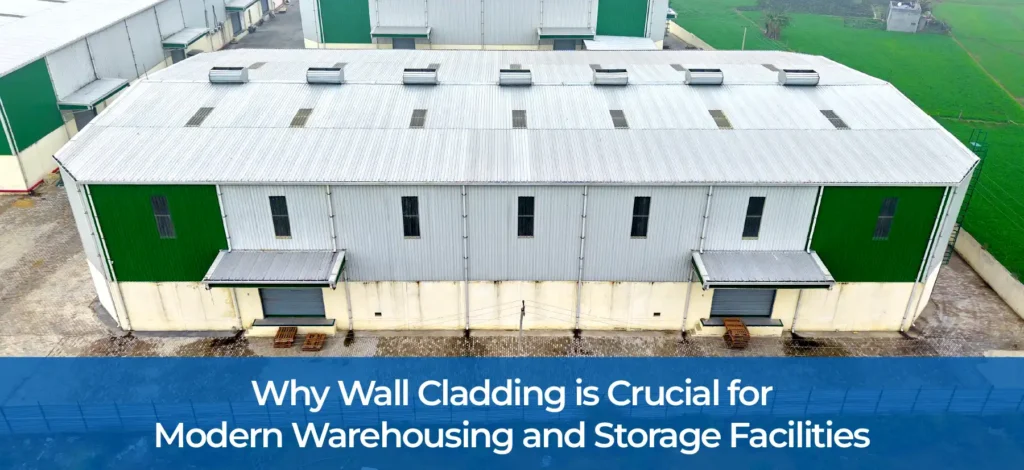
Why Wall Cladding is Crucial for Modern Warehousing and Storage Facilities

Warehousing and storage facilities form the backbone of countless industries, supporting operations that depend on efficiency, durability, and adaptability. In the race to optimize these spaces, one element often overlooked but utterly essential is wall cladding. Not just a functional feature, wall cladding transforms storage buildings into fortified, energy-efficient, and aesthetically pleasing structures. The Role of Wall Cladding Warehouses are exposed to extreme weather—scorching summers, torrential rains, and chilly winters. Without adequate protection, these forces take a toll on the structural integrity of the facility. Wall cladding serves as a shield, safeguarding the walls from deterioration and keeping internal conditions stable. The external layer acts as a barrier, resisting water seepage, corrosion, and even potential pest infestations. Now, think of a scenario where stored goods—whether temperature-sensitive perishables or high-value electronics—are compromised due to fluctuating internal conditions. The financial loss can be staggering. But with the right cladding, temperature and moisture levels remain regulated, ensuring both product safety and peace of mind. Reasons Wall Cladding Is Essential For Moden Warehouse & Storage Facilities  Boosting Energy Efficiency Energy bills can quickly pile up for storage facilities, particularly those housing climate-sensitive items. The solution? Effective wall cladding that enhances thermal insulation. By minimizing heat transfer, cladding reduces the need for excessive heating or cooling, leading to noticeable energy savings. Imagine a warehouse in a sweltering industrial area. Without insulated cladding, air conditioning systems might work overtime, straining operational budgets. But when you opt for high-quality cladding materials like insulated panels or composite sheets, you create a cost-efficient setup. Over time, these savings contribute directly to a better bottom line. Structural Durability: Built to Last Every building has its vulnerabilities. Cracks, chips, and structural damage can crop up faster than you’d think, especially in high-activity zones like warehouses. Wall cladding adds a robust layer of protection that absorbs impact and shields the inner structure from wear and tear. Plus, modern materials such as metal, PVC, and fiber cement make cladding more resilient than ever. For instance, a bustling storage facility with forklifts constantly moving about is prone to accidental bumps and scrapes. Cladding minimizes damage from such incidents, saving you from frequent maintenance costs and extending the facility’s lifespan. Versatility for Every Industry One size does not fit all, especially when it comes to wall cladding. Storage facilities range from cold storage units to industrial stockrooms, each with its own set of requirements. Fortunately, cladding comes in various materials and finishes to cater to diverse needs. For cold storage, insulated panels work wonders in maintaining low temperatures. For industrial spaces, steel or aluminum cladding offers unmatched durability and strength. Additionally, customization options allow facility managers to choose colors and textures that align with their branding or aesthetic preferences. This means cladding doesn’t just serve a practical purpose; it also contributes to creating a cohesive visual identity. Aesthetic Appeal That Works for You Warehouses aren’t typically associated with beauty, but who says they can’t look good? Wall cladding gives storage facilities a polished, professional appearance, which can be a game-changer for businesses entertaining clients or stakeholders on-site. A sleek, modern facade made possible by cladding adds a layer of sophistication that builds trust and credibility. Think of it this way: a clean, well-maintained exterior reflects the organization’s commitment to quality. It’s a small detail that can leave a lasting impression. Sustainability Matters Sustainability is no longer a buzzword these days; it’s a necessity. Many wall cladding materials are now designed with eco-friendliness in mind. Recyclable options such as aluminum and steel reduce the environmental impact, while composite materials often come with certifications for sustainable sourcing. Opting for cladding that supports green building initiatives isn’t just good for the planet; it’s also a savvy business move that resonates with environmentally conscious clients. Low Maintenance, High Rewards Running a warehouse is no small feat. The last thing you want is to deal with constant upkeep. One of the biggest advantages of wall cladding is its low maintenance requirements. Most modern materials are designed to resist dirt, grime, and stains, requiring only occasional cleaning to maintain their look and functionality. This frees up time and resources that can be better spent on core business operations. For example, a facility with metal cladding can benefit from its corrosion-resistant properties, ensuring the walls stay intact and visually appealing for years. Over time, the reduced maintenance effort translates to significant cost savings. Safety Comes First When we talk about warehouses, safety is paramount. Wall cladding can improve fire resistance, offering an additional layer of protection in case of emergencies. Materials such as fiber cement and specific metal alloys are non-combustible, limiting the spread of fire and giving occupants more time to evacuate. In some cases, cladding systems are even designed to meet rigorous fire safety standards, providing peace of mind for facility owners and operators. Adapting to Modern Needs The role of wall cladding in warehouses has evolved alongside advancements in technology and design. Modern cladding solutions integrate seamlessly with smart warehouse systems, accommodating features like sensor placements or embedded wiring without compromising structural integrity. This adaptability ensures that warehouses equipped with cladding remain future-proof, ready to meet the demands of an increasingly digital world. Making the Smart Choice Wall cladding isn’t just an add-on; it’s an investment in the efficiency, durability, and appeal of modern warehousing and storage facilities. From energy savings and safety enhancements to aesthetic improvements and sustainability, the benefits are manifold. By choosing the right cladding materials and systems, businesses can optimize their operations while minimizing long-term costs. Our Willus Infra team understands the critical role that wall cladding and Roof cladding system play in transforming warehouses into high-performing, reliable spaces. Our expertise ensures that your facility meets the demands of today while staying ready for tomorrow. Let’s build smarter, together.

prefabricated warehouse
Uncategorized

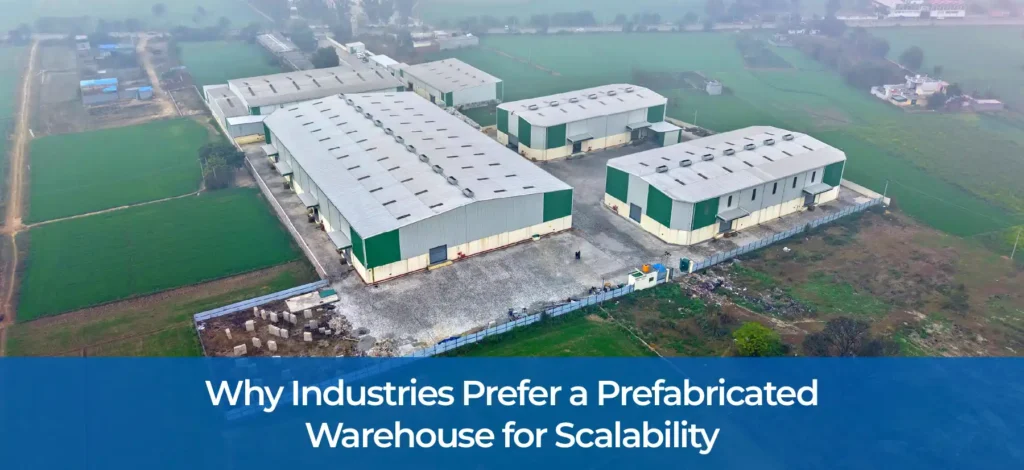
Why Industries Prefer a Prefabricated Warehouse for Scalability

If there’s one thing every industry craves, it’s the ability to grow without hitting roadblocks. Expansion often calls for more space, better infrastructure, and a setup that doesn’t demand endless resources or time. That’s where a prefabricated warehouse swoops in like a hero in disguise, solving scalability challenges with surprising ease. But what exactly makes this approach so irresistible for industries? Let’s explore. Reasons Industries Prefer A Prefabricated Warehouse Quick Installation Because Time is Money Just Imagine that you’re managing a growing business, and orders are pouring in faster than your existing storage can handle. Building a traditional warehouse feels like a snail’s pace solution when you need something yesterday. Enter the prefabricated warehouse, a marvel of modern engineering that significantly slashes construction time. Unlike conventional builds, where materials are brought to the site and assembled over months, prefab structures are manufactured in controlled factory environments and then transported for quick assembly. According to industry data, this method reduces construction timelines by as much as 60%, enabling businesses to get up and running in record time. Think of it like snapping together Lego blocks—each piece is pre-cut and ready to fit perfectly. Before you know it, your warehouse is standing tall, ready to store, sort, or ship whatever your growing operations demand. Cost-Savings Without Compromises It’s no secret that traditional construction can blow through budgets faster than anticipated. One minute you’re planning a simple layout, and the next, you’re paying extra for labor, materials, and delays. Prefabricated warehouses flip the script, offering a much more predictable and cost-effective alternative. Studies show that opting for prefab solutions can cut construction expenses by 15-30%, which is nothing to scoff at. These savings stem from streamlined production processes, reduced labor needs, and lower material wastage. And let’s not forget the hidden costs that prefab eliminates—like the headache of weather delays or the endless back-and-forth with contractors. For businesses trying to grow sustainably, every penny saved can be reinvested into critical areas like technology or workforce development. It’s not just about spending less—it’s about spending smarter. Scaling Without the Stress One of the standout benefits of a prefabricated warehouse is how easily it adapts to your changing needs. Let’s say you’ve outgrown your current space. In a traditional setup, this might mean starting from scratch or enduring costly renovations. But with prefab structures, expansion is a breeze. These warehouses are designed with scalability in mind. Need an extra wing? No problem. Want to add height for vertical storage? That’s doable too. This modular approach ensures that industries can grow organically without the stress of major overhauls. We recently spoke to a logistics manager who described how their prefab warehouse “grew” with their business. Initially built as a modest storage facility, it was later expanded to include a loading dock and cold storage section—all without disrupting operations. That kind of flexibility is priceless. Built to Last (and Then Some) There’s a common misconception that prefab structures are somehow less durable than traditional ones. But nothing could be further from the truth. Prefabricated warehouses are typically made from robust materials like galvanized steel, designed to withstand everything from harsh weather to heavy industrial use. Statistics back this up: steel prefab warehouses can last over 50 years with minimal upkeep. And because they’re built in controlled environments, quality control is a notch above what you’d expect from on-site construction. So, not only do you get a structure that’s quick to build and easy to expand, but you also get something that stands the test of time. It’s a long-term win for businesses aiming for stability and scalability. Sustainability As the world shifts toward more eco-friendly practices, businesses are under pressure to minimize their environmental footprint. Prefabricated warehouses are a step in the right direction. Why? For starters, the manufacturing process generates significantly less waste. Since materials are pre-measured and cut in factories, there’s no room for unnecessary leftovers. Plus, many prefab components are recyclable, adding another layer of sustainability. Construction waste in traditional builds accounts for nearly 30% of landfill material, but prefab methods can cut that by up to 90%. If your business values sustainability—and let’s be real, whose doesn’t these days—then a prefabricated warehouse is a no-brainer. Custom Designs That Work for You Gone are the days when warehouses were one-size-fits-all. Prefab solutions offer incredible customization, ensuring your space fits your operations like a glove. Whether you need specific insulation for temperature-sensitive goods or extra-wide loading docks for efficient logistics, prefab can deliver. A food distribution company I worked with recently opted for a prefabricated warehouse with built-in cold storage and a high-tech conveyor system. They reported not only a smoother workflow but also a 20% boost in productivity, thanks to the tailor-made design. Low Maintenance & High Efficiency Here’s another perk: prefab warehouses are low maintenance. Materials like steel and pre-coated panels resist rust, pests, and general wear and tear. And if something does need fixing? Modular designs make repairs and upgrades straightforward and cost-effective. For businesses, this means fewer operational interruptions and more time focusing on what truly matters—scaling the business. The Bottom Line Industries need solutions that are fast, cost-effective, and scalable. A prefabricated warehouse ticks all these boxes and then some. It’s a smart choice for businesses looking to future-proof their operations without breaking the bank or compromising on quality. Willus Infra is a leader in this space and warehouse manufacturers, and has helped countless businesses embrace the prefab revolution. With their expertise, you’re not just getting a warehouse—you’re investing in a solution that grows with you, adapts to your needs, and sets the stage for long-term success. If scalability is your goal, a prefabricated warehouse is the way to moving ahead.

Prefabricated Structures
Pre-Engineered Buildings

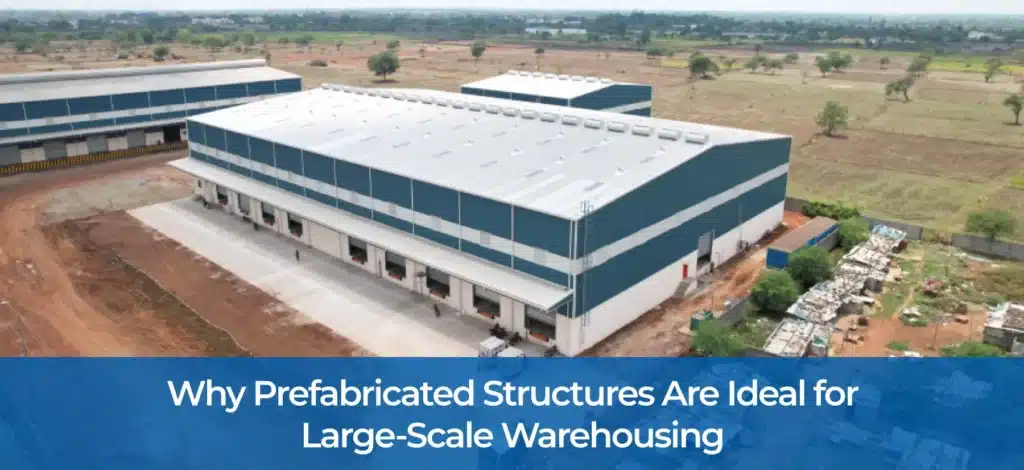
Why Prefabricated Structures Are Ideal for Large-Scale Warehousing

When it comes to large-scale warehousing, it’s no secret that time and efficiency are everything. Businesses can’t afford delays or construction mishaps when their operations depend on moving goods in and out as smoothly as possible. That’s where prefabricated structures step into the spotlight. They’re like the unsung heroes of modern construction—fast, reliable, and incredibly versatile. Now, if you’ve ever wondered why these structures are becoming the go-to choice for warehouses, stick around. We’ll unpack everything you need to know, minus the jargon, with a good mix of practicality and a little storytelling to keep things interesting. Reasons To Choose Prefabricated Structures For Large Size Warehouse A Faster Way to Build Just Imagine that you’ve got a massive piece of land just waiting for a warehouse to pop up. The clock is ticking, and every extra day it takes to finish the construction eats into your productivity and profits. Enter prefabricated structures, where time isn’t just saved—it’s maximized. Unlike traditional builds, which involve hauling materials to the site, cutting them to size, and hoping everything comes together, prefab components are created off-site. Think of it as ordering a pizza with all the toppings already in place. By the time it arrives, it’s ready to serve. This off-site manufacturing process ensures the pieces fit perfectly, and once they’re transported to your location, the assembly happens in record time. No more months of waiting for walls to dry or worrying about rain messing up timelines. Prefab warehouses often go up so quickly that it almost feels like magic—except it’s science and smart engineering working hand in hand. Saving Money Without Sacrificing Quality Building anything big can feel like burning through stacks of cash. But prefabricated structures have this uncanny ability to deliver top-notch quality without the hefty price tag. How do they do it? Well, for starters, there’s way less waste. Everything is pre-measured and precisely crafted, meaning you’re not paying for extra materials that end up in the trash. Then there’s the labor aspect—traditional construction needs an army of workers on-site for weeks, sometimes months. With prefab, a smaller team can handle the job in a fraction of the time. And here’s the cherry on top: prefab structures often come with built-in cost efficiencies like insulation and pre-installed features, which save you money down the road on energy bills and maintenance. It’s like getting a two-for-one deal, only better. Tough Enough to Handle Anything Warehouses are workhorses. They take a beating every day—forklifts zipping around, heavy goods being loaded and unloaded, and weather that doesn’t always play nice. That’s why durability is non-negotiable. The materials used in prefabricated structures are as tough as they come. Steel frames, for example, are built to last, capable of withstanding everything from strong winds to seismic activity. And because these structures are designed with precision, they often outperform traditional builds when it comes to structural integrity. Need to store temperature-sensitive items like food or pharmaceuticals? No problem. Prefab warehouses can be customized with insulated panels to keep the climate just right. It’s like having a fortress for your inventory, ready to take on whatever challenges come its way. Room to Grow If there’s one thing every business owner knows, it’s that needs change. Maybe your operations expand, or you suddenly need extra storage for seasonal goods. Traditional buildings? Not so great at adapting to change. Prefab structures? That’s their bread and butter. Because of their modular nature, prefabricated structures can be expanded or modified without a headache. Want to add a mezzanine for extra storage or extend the floor space for more shelving? It’s as simple as slotting in new sections. This flexibility ensures your warehouse keeps pace with your business, no matter how fast you grow. Greener and Cleaner Sustainability isn’t just a trend—it’s a responsibility. And when you choose prefabricated structures, you’re taking a big step toward greener construction practices. Since most of the work happens in controlled factory environments, there’s less waste and less energy used compared to traditional building methods. Plus, many prefab materials, like steel, are recyclable. That means when the structure eventually reaches the end of its lifecycle (which won’t be anytime soon), the materials can be repurposed instead of ending up in a landfill. For companies with an eye on reducing their carbon footprint, this is a win-win situation. You get a functional, modern warehouse and a cleaner conscience to go with it. Built Just for You One of the biggest myths about prefabricated structures is that they’re one-size-fits-all. That couldn’t be further from the truth. Modern prefab buildings are incredibly customizable, offering tailored solutions for specific needs. Need extra-wide doorways for oversized goods? Done. Want skylights to cut down on electricity costs during the day? Easy. Whether it’s the layout, the design, or even the color, prefab structures are like a blank canvas waiting to be turned into your dream warehouse. Less Chaos, More Control Construction sites can be overwhelming. Between the noise, the dust, and the constant activity, it’s not exactly a zen environment. But with the construction of prefabricated structures, most of the chaos is taken out of the equation. Since the components are built off-site, the actual assembly process is smooth and relatively quiet. It’s the kind of efficiency that makes life easier for everyone involved, from project managers to neighbors who don’t want to deal with months of disruption. The Perfect Fit for Warehousing Large-scale warehousing demands spaces that are functional, durable, and cost-effective. With prefabricated structures, you get all that and more. These buildings are designed to optimize operations, from high ceilings that accommodate stacking to wide-open layouts for smooth workflows. They’re not just spaces to store goods—they’re carefully crafted hubs that keep businesses running like well-oiled machines. Wrapping Things Up  If you’re in the market for a warehousing solution that ticks all the boxes, prefabrication is the way to go. It’s fast, flexible, and designed to meet the demands of large-scale operations. And when you partner with experts who understand

peb shed design
Pre-Engineered Buildings

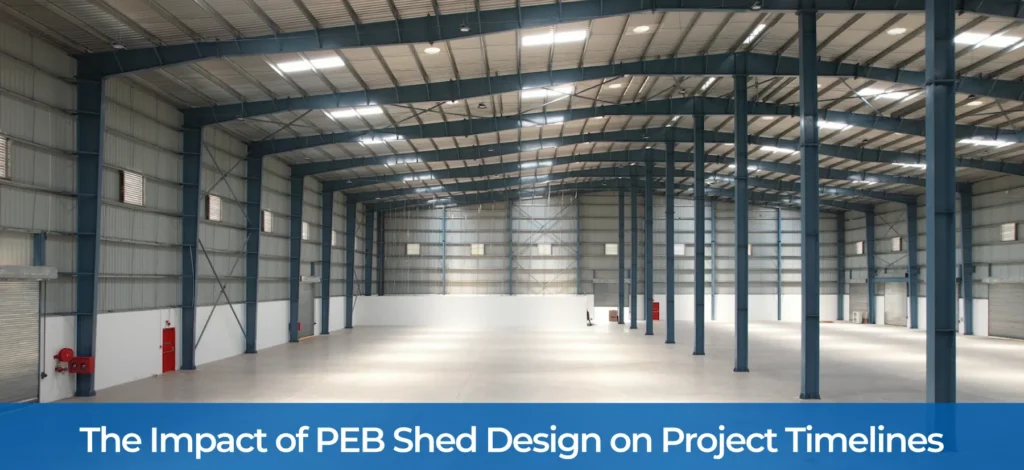
The Impact of PEB Shed Design on Project Timelines

  When it comes to construction, timelines can feel like a race against the clock. Whether you’re building a warehouse, factory, or any commercial structure, the design phase can set the tone for how quickly things progress. Pre-engineered building (PEB) sheds have revolutionized this process, offering not only efficiency but also flexibility. Yet, one factor that often gets overlooked is how PEB shed design directly influences project timelines. From the layout to the materials used, every decision in the design phase ripples through the entire project. Let’s break this down and understand why this matters so much. Impact Of PEB Shed Design On Project Timelines Modular and Customizable Design One of the biggest perks of PEB shed design is its modular nature. These sheds are pre-engineered, meaning the components are manufactured off-site and then assembled on-site like a giant Lego set. Sounds easy, right? Well, that’s the beauty of it. A well-thought-out design can drastically cut down the time spent on the ground. For instance, consider traditional construction. You’re looking at months, sometimes years, of groundwork and structural assembly. With PEB sheds, a custom design can shave off 40% to 60% of that time. That’s because the framework is pre-designed to fit together seamlessly, minimizing delays due to errors or material shortages. But here’s the catch: if the design isn’t right from the start, the whole project could hit a snag. In fact, studies show that improper planning in the design phase can lead to delays of up to 25% in industrial projects. Efficient Material Utilization PEB sheds are a marvel of efficiency—not just in assembly but in the use of materials. With a carefully optimized PEB shed design, waste is reduced significantly. This isn’t just good for the environment; it’s great for the timeline. Why? Because fewer materials mean fewer logistical headaches. Think about it: when your design includes only the materials you need, deliveries are quicker, storage on-site is easier, and there’s less room for error. For example, steel, the backbone of most PEB sheds, is cut and fabricated to exact specifications during the design phase. No need for last-minute adjustments or reworks, which are common time-killers in traditional construction. Streamlined Approvals and Compliance Here’s something that often flies under the radar: the design of your PEB shed can impact how quickly you get regulatory approvals. A design that complies with local building codes and standards right off the bat is less likely to hit roadblocks during inspections. For instance, in India, construction delays caused by compliance issues can extend timelines by 20%-30%. With a PEB shed design that anticipates these requirements, the approval process becomes a breeze. No red tape, no extra weeks wasted waiting for the green light. Simplified Installation Process Just imagine that you’ve got your design ready, the components are delivered on-site, and it’s time to assemble. A good PEB shed design ensures that this phase is as straightforward as possible. Pre-marked beams, pre-drilled holes, and prefabricated panels all come together in a smooth assembly process. Compare this to traditional construction, where workers are often left to figure things out on the fly. Poor planning in those cases can lead to errors, which means tearing things down and starting over—a nightmare for timelines. With PEB sheds, the design eliminates such guesswork. In one case study, a manufacturing facility in Chennai saw its construction timeline slashed from 10 months to just 4 months thanks to an efficient PEB shed design. That’s the kind of impact we’re talking about. Weather-Proofing for Unpredictable Delays Weather is one of those wild cards that can wreak havoc on construction timelines. Traditional buildings are especially vulnerable because much of the work is done on-site, exposed to the elements. PEB sheds, however, are designed with this in mind. A solid PEB shed design incorporates weather-resistant materials and features that make on-site assembly faster, even in less-than-ideal conditions. For instance, galvanized steel structures can be erected during the rainy season without compromising the quality of the build. This adaptability can mean the difference between meeting your deadline or missing it by weeks. Cost-Effectiveness That Saves Time Time is money, as the saying goes, and PEB shed design proves it. The cost-effectiveness of PEB sheds doesn’t just come from cheaper materials or reduced labor costs—it’s also about the time saved. Faster timelines mean lower project overheads, fewer days paying for labor, and quicker ROI for businesses. Take this stat for example: According to industry reports, projects using PEB sheds save up to 30% in overall costs compared to traditional construction. Now think about the time saved when the design eliminates unnecessary complexities. It’s a win-win. Customization Without Complications Every project is unique, and that’s where customization in PEB shed design shines. Whether you need additional ventilation, specific load-bearing capacities, or unique dimensions, PEB sheds can accommodate without adding months to the timeline. However, customization has its challenges. Poorly executed designs can lead to delays during manufacturing or assembly. That’s why the design phase requires collaboration between architects, engineers, and clients. A seamless workflow ensures that customization doesn’t compromise the timeline. Avoiding Common Pitfalls Even the best designs can fall short if not implemented correctly. Miscommunication between teams, lack of clarity in design specifications, or delays in manufacturing can throw a wrench into the works. That’s why attention to detail is crucial in the design phase. Investing in advanced design tools like Building Information Modeling (BIM) can make a huge difference. These tools allow teams to visualize the project before a single beam is assembled, identifying potential issues early on. This proactive approach can cut project timelines by up to 20%, according to industry data. Final Thoughts The impact of PEB shed design on project timelines is undeniable. From reducing material waste to streamlining approvals and speeding up installation, a well-executed design lays the groundwork for success. It’s not just about saving time; it’s about ensuring that time is used wisely. For businesses looking to stay competitive, PEB sheds and Pre engineered building

Wall Cladding
Uncategorized

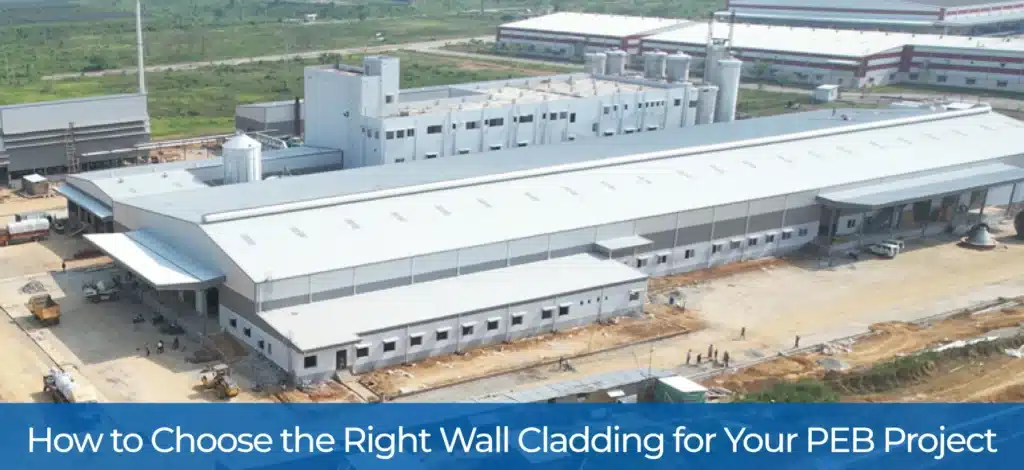
How to Choose the Right Wall Cladding for Your PEB Project

When it comes to designing a Pre-Engineered Building (PEB), the devil is truly in the details. While the framework and structure might steal the show, the finishing touches, like wall cladding, often play an equally critical role. From protecting your building to enhancing its aesthetic appeal, wall cladding is more than just a decorative layer—it’s a functional necessity. Choosing the right cladding for your PEB project can feel overwhelming, but with a bit of guidance, it doesn’t have to be. If you’re wondering how to make the best choice, let’s dive into some key factors and options to help you find the perfect fit. Points To Consider While Choosing Right Wall Cladding 1. Understand Your Project’s Purpose Every PEB project has its unique set of requirements. Are you designing a warehouse, a retail space, or an industrial facility? The purpose of your building should guide your choice of wall cladding. For instance, warehouses might prioritize durability and insulation, while retail spaces might lean toward sleek finishes that attract customers. Think about what your project demands—functionality, aesthetics, or a mix of both—and let that shape your decisions. The right cladding will align seamlessly with your building’s purpose, adding value without compromise. 2. Consider Weather Conditions No two locations are the same when it comes to climate, and that’s where the right wall cladding makes a world of difference. If your PEB is in a region prone to heavy rains or extreme heat, you’ll want cladding that can withstand those conditions. Materials like metal or high-quality composite panels are great for durability, while insulated panels work wonders in areas with fluctuating temperatures. By factoring in the local climate, you’ll ensure your building stays protected and efficient year-round. 3. Evaluate Aesthetic Appeal First impressions matter, even for buildings. Your choice of wall cladding can define the overall look of your PEB. Whether you want a bold, modern facade or a more subtle, timeless design, cladding comes in various materials, colors, and finishes to suit your vision. Metal panels offer a sleek, industrial vibe, while textured finishes or wood-like panels can create a warm, inviting appearance. Don’t be afraid to mix and match to achieve a unique aesthetic that reflects your brand or purpose. 4. Think About Maintenance Nobody likes spending endless hours or resources on maintenance, and that’s especially true for commercial or industrial buildings. Some types of wall cladding require regular upkeep, while others are virtually maintenance-free. For example, metal cladding is low-maintenance and easy to clean, making it ideal for busy facilities. On the other hand, natural materials like wood might need periodic treatments to prevent wear and tear. Consider how much time and effort you’re willing to invest in maintaining the cladding over its lifespan. 5. Assess Thermal Insulation Needs Energy efficiency is more than just a buzzword—it’s a necessity for modern buildings. The right wall cladding can significantly impact your PEB’s thermal performance, keeping it cool in summer and warm in winter. Insulated panels or composite materials with thermal breaks can help reduce energy costs and maintain a comfortable indoor environment. If your building houses temperature-sensitive operations or products, this factor becomes even more critical. 6. Prioritize Durability and Longevity A PEB is an investment, and the last thing you want is cladding that doesn’t hold up over time. Durability should be at the top of your checklist when choosing wall cladding. Look for materials that resist corrosion, dents, and environmental wear. Steel and aluminum are popular for their strength, but newer options like fiber cement or high-density composites can also offer excellent longevity. By selecting robust cladding, you’ll save on repairs and replacements in the long run. 7. Factor in Budget Let’s not forget the budget. While it’s tempting to go all out for premium finishes, it’s important to strike a balance between quality and affordability. Wall cladding options range from cost-effective to high-end, so there’s something for every budget. Metal cladding, for instance, offers a great mix of durability and affordability, while high-end materials like stone veneer might stretch your budget but provide unmatched aesthetics. Decide what you’re willing to spend and look for options that deliver the best value for your money. Types of Wall Cladding Materials to Explore Once you’ve nailed down your priorities, it’s time to explore your options. Here’s a quick look at some popular materials for wall cladding: Metal Panels: Durable, lightweight, and versatile, these are great for industrial and commercial projects. Fiber Cement Panels: Resistant to fire, moisture, and pests, offering a clean, modern look. Wooden Panels: Perfect for creating a warm, natural aesthetic, though they require more maintenance. Insulated Panels: Ideal for energy efficiency and thermal insulation. Vinyl Cladding: A budget-friendly option that comes in various colors and textures. Each material has its pros and cons, so weigh them carefully against your project’s needs. Final Thoughts Choosing the right wall cladding for your PEB project isn’t just about picking what looks good—it’s about finding a solution that aligns with your building’s purpose, climate, and long-term goals. From weather resistance to aesthetics, there’s a lot to consider. Take your time to evaluate your options, and don’t shy away from consulting professionals who can guide you toward the best decision. Willus Infra understands how crucial every detail is in a PEB project especially when it comes to Roof cladding System, and we’re here to help you bring your vision to life. Whether you’re prioritizing durability, aesthetics, or energy efficiency, our expertise ensures your building stands out for all the right reasons.

Uncategorized

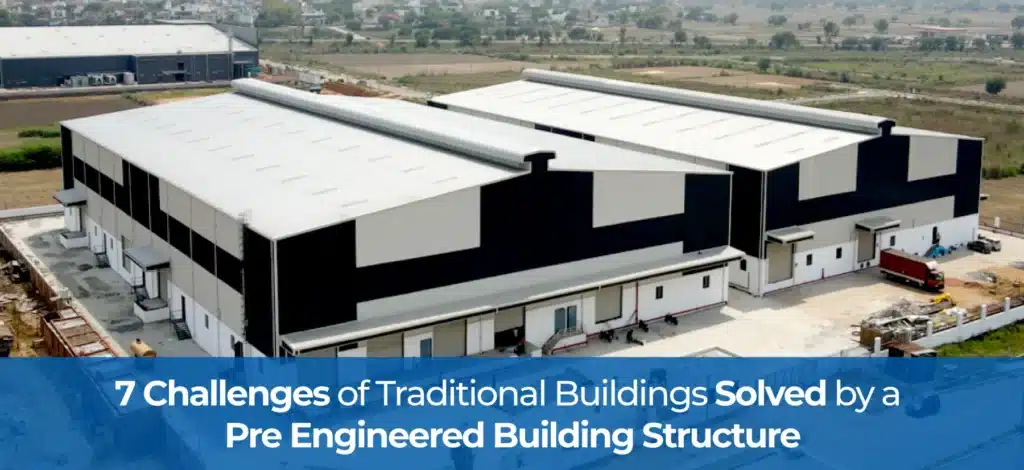
7 Challenges of Traditional Buildings Solved by a Pre Engineered Building Structure

For as long as humans have been constructing shelters, traditional buildings have been the backbone of our architectural world. From ancient temples to modern homes, they’ve served us well—but let’s be honest, they come with their fair share of headaches. As times change, people are starting to ask for more. They want structures that go up faster, cost less, and don’t come with a laundry list of compromises. That’s where Pre Engineered Building Structures (PEBs) come into the picture. It’s not just a shift in technology; it’s a smarter way of thinking about construction. So, what are the struggles that PEBs solve? Here’s a breakdown of the challenges traditional buildings bring—and how PEBs sweep in to save the day. 1. Construction That Drags On (and On) Let’s start with the elephant in the room—timelines. Traditional buildings can take what feels like an eternity to complete. Between laying the groundwork, sourcing materials, and waiting for the weather to cooperate, delays are almost guaranteed. Anyone who’s been through a long construction process knows how draining it can be. Now imagine skipping all that waiting. With a Pre Engineered Building Structure, most of the work is done off-site. Walls, beams, and other components are manufactured in a controlled environment, then shipped out and assembled like pieces of a giant puzzle. You save time, money, and quite a few sleepless nights wondering when your project will finally be done. 2. Costs That Keep Adding Up Ever noticed how budgets for traditional buildings almost always go overboard? It’s not just about labor and materials. There are hidden costs—wastage, inefficiencies, and surprise expenses that rear their heads halfway through the process. Let’s not even talk about what happens if a contractor makes a mistake or Mother Nature decides to throw a tantrum. Here’s the beauty of PEBs: they’re predictable. Because a Pre Engineered Building Structure is designed and manufactured with precision, there’s less guesswork involved. Everything is calculated beforehand, from the number of bolts to the size of beams. That kind of efficiency isn’t just convenient—it’s budget-friendly. 3. Stuck in a Box with Design Limitations Traditional construction isn’t exactly known for being adaptable. Once you’ve started pouring concrete or putting up walls, changes are a nightmare. You either stick with the original plan or prepare to pay a hefty price for modifications. PEBs flip that script. Since the design phase happens digitally, you can make adjustments early on. Want an extra floor? Need wider spaces for machinery? No problem. A Pre Engineered Building Structure gives you the flexibility to adapt, making it ideal for businesses or individuals with evolving needs. 4. Not the Greenest Choice Traditional construction isn’t exactly a friend to the planet. From massive amounts of raw materials to piles of waste on job sites, it’s not hard to see the environmental toll. And energy efficiency? That’s often an afterthought. A Pre Engineered Building Structure, however, starts with sustainability in mind. Many PEB manufacturers use recyclable materials like steel, and the streamlined construction process reduces waste significantly. Plus, these buildings are designed to be energy-efficient, helping you shrink your carbon footprint while saving on energy bills. 5. Built Tough, but Not Tough Enough Traditional buildings are solid, no doubt, but they have their limits. Heavy rains, strong winds, and earthquakes can take their toll, especially if the construction isn’t top-notch. Retrofitting older structures to meet modern safety standards is another costly hurdle. With PEBs, safety is baked into the design. These buildings are engineered to withstand harsh conditions, from intense storms to seismic activity. It’s all in the materials and precision engineering. A Pre Engineered Building Structure isn’t just built to last—it’s built to endure. 6. Space Goes to Waste You know what’s frustrating? Realizing that a big chunk of your building is taken up by thick walls and bulky columns. Traditional designs often sacrifice usable space in favor of structural stability, which can be a dealbreaker for industries that need every square inch. PEBs solve this problem beautifully. Their lightweight steel frames allow for expansive, open layouts without sacrificing strength. With a Pre Engineered Building Structure, you can make better use of your space, whether it’s a sprawling warehouse or a bustling factory floor. 7. Upkeep That’s a Constant Chore Over time, traditional buildings start to show their age. Cracks, leaks, and general wear and tear can be a pain to deal with—not to mention the costs of routine maintenance. If you’re not careful, those little fixes can add up quickly. A Pre Engineered Building Structure is practically the opposite. Built with durable materials like corrosion-resistant steel, PEBs require minimal upkeep. They’re designed to handle the elements without constant repairs, which means less stress and more savings for you in the long run. The Future of Construction, Here Today If you’ve been holding onto the idea that traditional buildings are the only way to go, it’s time to think again. Pre Engineered Building Structures aren’t just about building faster or cheaper—they’re about building smarter. Whether you’re planning an industrial facility, a retail space, or even a community center, PEBs bring flexibility, sustainability, and peace of mind to the table. Willus Infra team is passionate about transforming the way people think about construction through Pre Engineered Buildings and constructions. With years of expertise and a commitment to quality, we’re one of the leading Pre Engineered Building Manufacturers in India. When you’re ready to build better, we’re just a call away.

Scroll to Top