Willus Infra

Author name: dinesh

Pre-Engineered Buildings

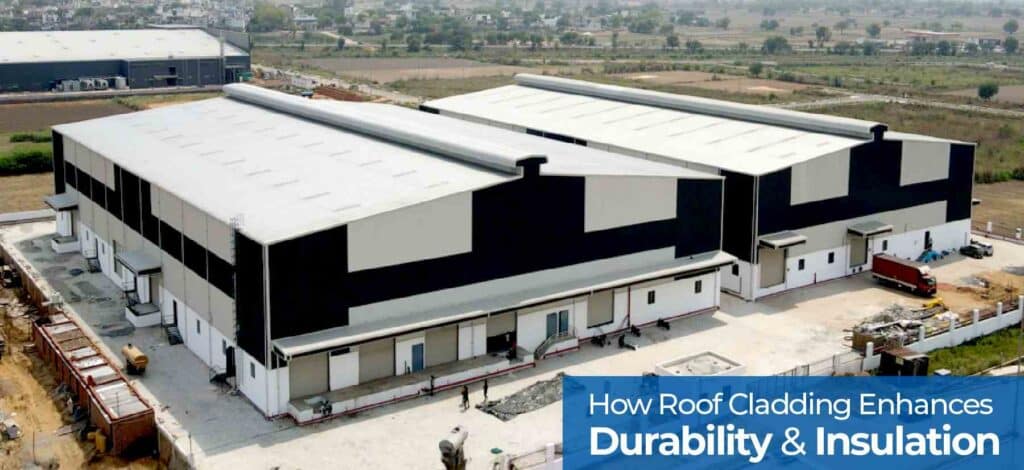
How Roof Cladding Enhances Durability and Insulation

A strong roof is the backbone of any building, protecting it from nature’s unpredictable elements. Adding roof cladding, a sturdy outer layer, enhances this protection, making the roof more durable and energy-efficient. Whether it’s a home, warehouse, or office, roof cladding is very important for both durability and insulation. Let’s explore how it achieves this. What is Roof Cladding? Roof cladding refers to the outermost covering of a roof, designed to shield it from damage caused by weather and wear. This additional layer, crafted from materials like metal, tiles, or fiber cement, fortifies the roof against external forces. It’s like the armor of a structure, standing tall against heat, rain, and wind.In areas prone to extreme conditions, roof cladding is not just an option; it’s a necessity. It prolongs the life of the roof, ensuring it remains sturdy and functional for decades. Boosting Durability Through Roof Cladding The resilience of a building is often tied to how well its roof handles wear and tear. Roof cladding serves as the first line of defense, protecting the roof from cracking, peeling, and weather-related damage. Materials such as galvanized steel and aluminum are particularly effective for their ability to withstand corrosion. Take metal cladding, for example. This robust material resists the toughest of conditions while also minimizing the risk of leaks, one of the leading causes of structural problems. With roof cladding, the roof’s maintenance needs drop significantly, allowing homeowners or business owners to save on repairs over time. Insulating Your Space with Roof Cladding Temperature control is another key benefit of roof cladding. This layer acts as a thermal barrier, keeping the building cooler in summer and warmer in winter. Metal cladding with insulation cores and tiled options are especially effective in maintaining comfortable indoor temperatures. With better insulation, the reliance on air conditioning or heating systems decreases, leading to significant energy savings. This makes roof cladding not only a practical addition but also an eco-friendly choice for modern construction. Keeping Water Damage at Bay Water intrusion can spell disaster for any building. Leaks and moisture can lead to mold, structural weakening, and even health hazards. Roof cladding forms a watertight barrier that prevents water from seeping through. For regions with heavy rainfall or snowfall, materials like PVC-coated steel or composite cladding work wonders. These options offer exceptional waterproofing, ensuring that your building stays dry and free from the harmful effects of moisture. Cutting Down Noise Pollution Roof cladding doesn’t just protect the building from physical damage; it also improves its acoustic performance. In noisy urban settings, it acts as a sound shield, dampening outside noise for a quieter indoor environment. For instance, insulated metal panels are highly effective at blocking noise, making them ideal for offices, homes, and schools. Choosing the right roof cladding can dramatically enhance the comfort of your living or working space. Eco-Friendly and Sustainable As sustainability becomes a top priority, roof cladding materials are evolving to meet these demands. Many options, like metal and polycarbonate, are fully recyclable. Additionally, some roof cladding designs are compatible with solar panels, further boosting energy efficiency. By selecting recyclable or renewable materials, builders can reduce the environmental impact of their projects while still reaping the benefits of a durable and insulated roof. Aesthetic Appeal and Customization Gone are the days when roofs were only about functionality. Today, roof cladding offers endless design possibilities, allowing buildings to stand out in style. Whether you prefer the sleek look of standing seam metal or the rustic charm of clay tiles, there’s a roof cladding option to fit every aesthetic. This versatility is especially beneficial for architects aiming to blend form with function. The right roof cladding can elevate a building’s appearance while still delivering on performance. Long-Term Value Although the upfront cost of roof cladding might seem significant, its long-term advantages make it a worthwhile investment. By reducing energy consumption, preventing damage, and minimizing repair costs, roof cladding pays for itself over time. Additionally, durable roof cladding materials often come with extended warranties, offering extra peace of mind to property owners. It’s a decision that ensures both financial and structural security. How to Choose the Best Roof Cladding Selecting the perfect roof cladding depends on various factors, such as your building’s location, climate, and intended use. Materials like metal are ideal for industrial buildings, while tiles may suit residential properties better. Consulting with experts ensures you choose a solution tailored to your needs. Conclusion Roof cladding is more than just a protective layer—it’s a vital component of a building’s structure. It ensures durability, improves insulation, and even enhances aesthetic appeal. By investing in quality roof cladding, you’re safeguarding your property against weather extremes while reducing energy costs and increasing comfort. At Willus Infra, we specialize in providing high-quality solutions tailored to your construction needs & Pre engineered building design. With a commitment to innovation and excellence, we help clients create buildings that are durable, energy-efficient, and built to last. Whether you’re constructing a new facility or upgrading an existing one, trust us to guide you toward the ideal roof cladding for your project.

Pre-Engineered Buildings

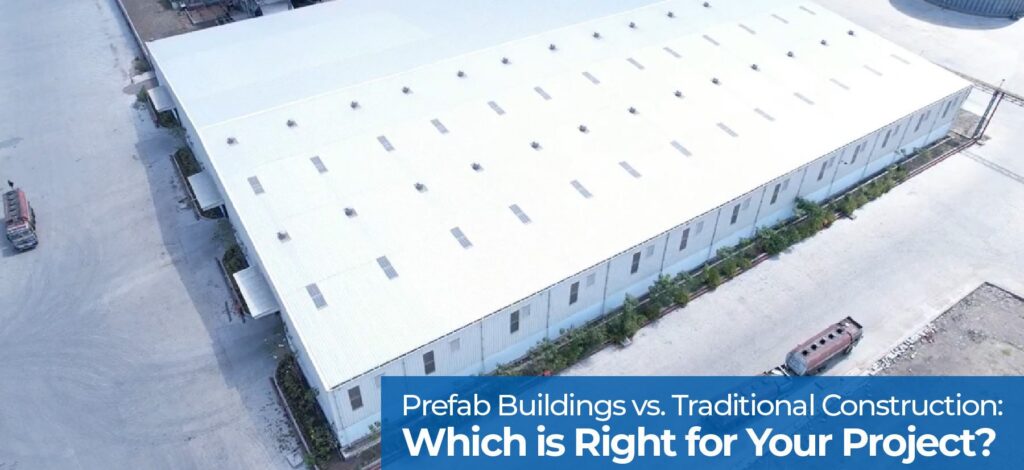
Prefab Buildings vs. Traditional Construction: Which is Right for Your Project?

When it comes to starting a construction project, you’re immediately hit with the big question: prefab buildings or traditional construction? Both have their own charm and set of advantages, but they also come with unique challenges. Whether you’re looking to speed up the process, cut costs, or just go for an environmentally friendly option, choosing the right method could make all the difference in bringing your project vision to life. What Is Prefab Buildings Let’s start with prefab buildings. Prefabricated, or prefab, buildings are constructed off-site, usually in a factory, and then transported to the location for assembly. It’s like building a puzzle but with bigger pieces. This method includes several styles, like modular buildings, panelized structures, and even full-blown container buildings. In prefab construction, the components are crafted in a controlled environment. This setup cuts down on a lot of the variability that comes with outdoor construction sites, like weather delays or labor shortages. Plus, since it’s factory-based, the process is efficient, standardized, and less prone to errors. So if you’re looking for something straightforward, reliable, and cost-effective, prefab buildings might just tick those boxes. Traditional Construction – The Tried and True Path Traditional construction, on the other hand, involves building everything from scratch right there on the site. It’s a process that has been around forever, allowing for a lot of flexibility and customization. Every brick, every beam, every layer of paint gets placed right where it needs to be, tailored specifically to the site’s unique landscape and requirements. It’s hands-on, a little unpredictable at times, and often a labor-intensive affair, but it allows for a level of customization that prefab buildings can struggle to match. With traditional construction, you get the freedom to create exactly what you envision. There’s a charm to seeing something go up piece by piece. You also don’t need to transport large sections to the site, which can save on logistical headaches. But here’s the thing – with all that customization comes potential delays. Weather, supply chain issues, and labor demands can push back timelines and increase costs. It’s like running a marathon versus a sprint – you need endurance, but the results can be worth it. Comparing Costs – Which One Saves More? When it comes to costs, prefab buildings often win hands down. Why? Well, when you’re building parts in a factory, everything is streamlined. Materials are purchased in bulk, reducing waste, and everything is manufactured with efficiency in mind. Plus, since these buildings are pre-designed and assembled on-site, labor costs drop significantly. No one’s stuck on the job for months on end, meaning fewer wages to pay and fewer surprises that come with extended timelines. Traditional construction, however, tends to be more unpredictable in terms of budget. While you might have a plan, unexpected issues can throw it off course. One delay leads to another, and soon enough, you’re looking at a hefty bill. The advantage, though, is the customization factor. If you’re not on a tight budget and want something unique and tailored to your exact specifications, then traditional might still make sense, even if it means spending a bit more. Time – How Much Do You Value It? If time is of the essence, prefab buildings are generally your best bet. Since much of the construction takes place in a factory, the process isn’t disrupted by weather or other on-site issues. This means a much shorter timeline from start to finish. You could have your building up and running in weeks rather than months, which is a huge win if you’re racing against a deadline. In contrast, traditional construction is usually a slower, more drawn-out process. Every step has to be carefully managed, from digging the foundation to setting up utilities. This can be great if you’re building something intricate and have the luxury of time, but for projects where you need speed, it can feel like watching paint dry. Waiting months for the final result can be a bit of a test in patience. Sustainability and Environmental Impact For those who care about sustainability, prefab buildings can often be a greener option. Constructing the components in a controlled environment minimizes waste, as materials are measured and cut precisely, reducing the amount of excess that ends up in a landfill. Plus, many prefab companies use recycled or eco-friendly materials, which helps lower the building’s carbon footprint. Not to mention, since construction takes less time, there’s less overall disturbance to the site and surrounding environment. Traditional construction, on the other hand, tends to produce a bit more waste. It requires transporting materials to the site, and the unpredictable nature of on-site work means materials aren’t always used as efficiently. That said, if sustainability is a big deal, traditional methods can be made greener through careful planning and the use of sustainable materials, but it usually requires a bit more thought and effort. Flexibility and Aesthetic Appeal Let’s be real: prefab buildings often come with a reputation of looking a bit… standardized. While there have been great strides in prefab aesthetics, and you can find plenty of unique, beautiful designs, traditional construction still holds the upper hand in customization. There’s an artistry in traditional methods that prefab can’t always replicate, especially if you’re aiming for a look that’s more organic or tailored to a unique architectural style. That being said, prefab buildings have come a long way. Modular designs today can look sleek, modern, and even luxurious, which is far from the cookie-cutter stereotype that used to define the industry. Still, if you have a really specific vision, traditional might offer a better canvas for creativity. So, Which One is Right for You? The choice between prefab buildings and traditional construction boils down to a mix of factors: budget, timeline, environmental impact, and the level of customization you’re after. If you’re looking for something efficient, cost-effective, and quick to assemble, prefab buildings make a lot of sense. They offer a streamlined process and are ideal for projects that need

Pre-Engineered Buildings

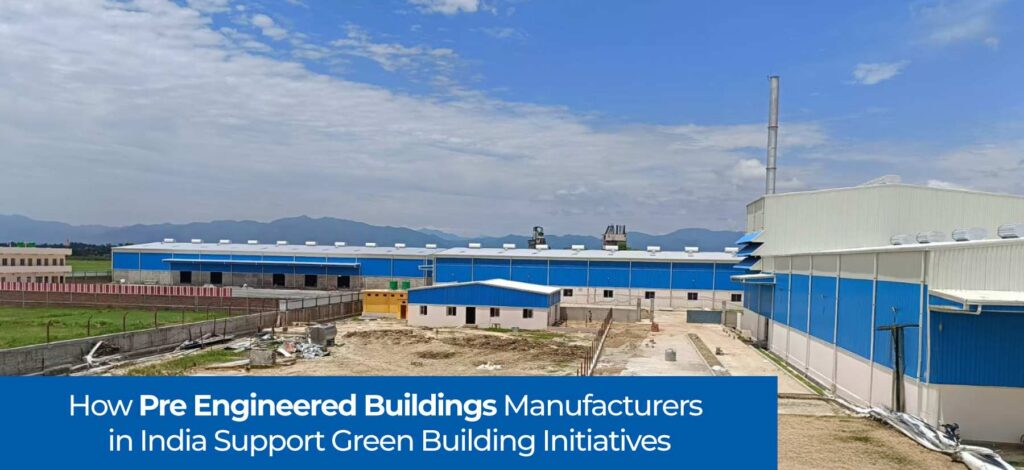
How Pre Engineered Buildings Manufacturers in India Support Green Building Initiatives

When you think of “green buildings,” gleaming glass skyscrapers or futuristic eco-homes might come to mind. But did you know that pre-engineered buildings (PEBs) play a key role in sustainable construction? With construction needs soaring, especially in a rapidly developing country like India, finding a green alternative to traditional methods is no longer a luxury—it’s a necessity. And that’s where pre engineered buildings manufacturers in India step in. What Makes PEBs Different in the Green Arena? Here’s the deal: traditional building methods can be wasteful, from energy-intensive processes to excessive raw material usage. Pre engineered buildings manufacturers in India, however, focus on efficient, modular designs that use fewer resources and leave a lighter footprint. Instead of starting from scratch at the construction site, manufacturers work with pre-fabricated parts, cut precisely to order. The steel, structural components, and other parts arrive ready to be assembled, reducing onsite work, waste, and energy use. It’s like comparing a handcrafted sculpture to a puzzle with each piece pre-cut to fit perfectly. One major benefit here is reduced construction time, which minimizes the environmental impact in terms of noise pollution, dust, and waste at the construction site. The faster a building goes up, the fewer disturbances to the surrounding area, which is a big win for the environment. Plus, the overall efficiency results in savings for clients and a more sustainable process for the planet. A Sustainable Choice for Building Material Pre engineered buildings manufacturers in India often choose steel as their primary material. But here’s why that’s good news for green building initiatives: steel is highly recyclable. When you construct a PEB, you’re using a material that can be melted down and reused, practically indefinitely. This circular nature of steel makes it a favorite in the world of green building. Unlike concrete, which is limited in recyclability, steel can be salvaged, reprocessed, and returned to the building industry again and again, helping India’s green initiatives flourish. Not to mention, the steel industry in India has been making strides in reducing energy consumption and CO2 emissions, aligning with global sustainability goals. By partnering with pre engineered buildings manufacturers in India, companies not only get robust structures but also contribute to reducing their carbon footprint. Smart Insulation and Ventilation Another aspect that makes PEBs a hit in the green building scene is their potential for energy efficiency. Since these buildings are designed with precision, manufacturers can incorporate energy-saving features right from the blueprint stage. Pre engineered buildings manufacturers in India are increasingly integrating smart insulation and ventilation systems. What this means is simple: once constructed, PEBs can maintain a comfortable indoor temperature without the need for excessive heating or cooling. This doesn’t just make PEBs great for the wallet—it’s a win for the environment, too. Energy-efficient insulation and ventilation mean less reliance on artificial climate control, which can significantly cut down on energy consumption and reduce the building’s carbon footprint. Less Waste, More Reuse Traditional construction often results in material wastage, from leftover bricks to unused concrete, which is either disposed of irresponsibly or recycled with high energy costs. By contrast, pre engineered buildings manufacturers in India work with exact measurements. Every beam, plate, and panel is pre-cut to precise specifications, leaving little to no material waste. Even if there’s extra material, it’s typically stored and reused rather than thrown away, which aligns with the zero-waste goals of green initiatives. Moreover, because PEBs can be easily disassembled, they offer flexibility for future use. If there’s a need to move or redesign the building, its components can be reused elsewhere rather than demolished, an option nearly impossible with traditional brick-and-mortar constructions. Water Conservation Construction processes require a significant amount of water, especially when concrete is involved. But pre engineered buildings manufacturers in India are moving away from the wet construction methods that guzzle up water. Since PEBs are fabricated off-site and primarily use steel, they require far less water. That means these structures aren’t just saving on energy—they’re conserving water resources, too. This water efficiency adds yet another layer to the green profile of PEBs, making them a practical choice in regions facing water shortages. Plus, by reducing dependency on water-intensive methods, manufacturers help lessen strain on India’s water resources, a crucial element in any sustainable initiative. India’s Green Future India has ambitious sustainability goals, and the construction industry is no small part of the equation. By partnering with pre engineered buildings manufacturers in India, businesses across industries are contributing to a greener future. Whether it’s a warehouse, an office, or an educational institution, PEBs support the shift toward greener cities, where resource efficiency and eco-friendliness become the norm rather than the exception. And let’s be real—green is not just about aesthetics or “doing good.” Sustainability is quickly becoming a business imperative. Organizations adopting green building practices, especially those involving PEBs, are likely to enjoy enhanced brand reputation, better customer loyalty, and even government incentives. It’s a win-win all around. The Role of Technology in Green PEBs Technology is another ally here. With advances in design software, pre engineered buildings manufacturers in India can simulate structures before construction, predicting and optimizing energy consumption, materials, and costs. This level of precision not only reduces waste but also results in structures that perform efficiently over their lifespan. Innovative software also allows manufacturers to experiment with different sustainable materials, improved insulation solutions, and solar-ready designs. Yes, PEBs can even incorporate renewable energy systems like solar panels, pushing their green credentials even higher. With the right tech, manufacturers can craft buildings that go beyond basic sustainability to create self-sustaining or even energy-positive structures. PEBs as a Green Solution for All Industries From warehousing to retail, hospitals to educational institutions, pre engineered buildings manufacturers in India are making it clear that green isn’t just a trend—it’s here to stay. And with the versatility of PEBs, they’re positioning themselves as a sustainable solution that’s both scalable and adaptable. If you think about it, this shift isn’t just beneficial for the environment; it’s

steel structure design manufacturers
Pre-Engineered Buildings

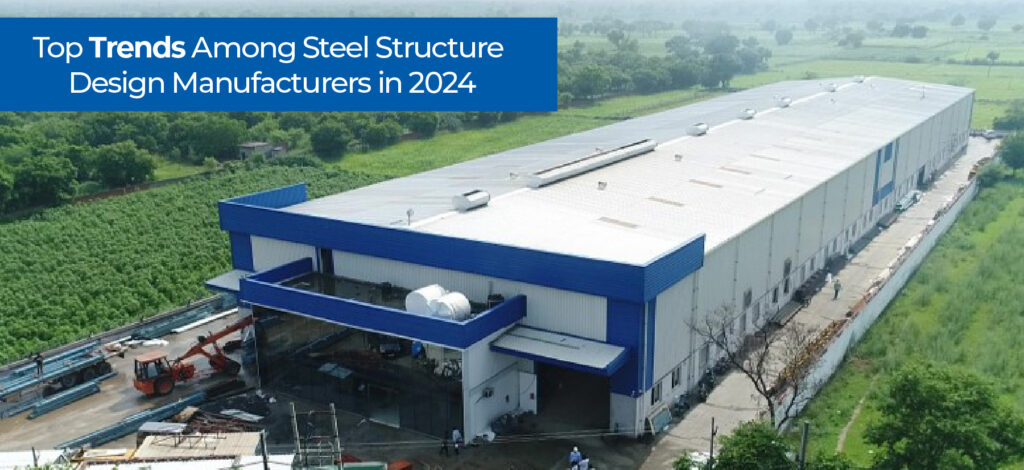
Top Trends Among Steel Structure Design Manufacturers in 2024

Steel structures are becoming increasingly popular across industries, and 2024 is shaping up to be a year full of innovation in this space. From cutting-edge materials to enhanced design techniques, steel structure design manufacturers are accepting new trends that promise faster construction, greater sustainability, and smarter buildings. These trends are not only about building better structures but also about adapting to a world that demands efficiency, durability, and environmental responsibility. Top Trends Of Steel Structure Designs In 2024 1. A Time-Saving Revolution One of the biggest trends among steel structure design manufacturers is the growing use of modular construction and prefabrication. Modular designs allow for parts of a building to be fabricated off-site, in controlled environments, and then transported to the site for assembly. This method significantly reduces construction time and minimizes disruptions, especially in urban areas where space is tight and delays are costly. In 2024, this trend continues to accelerate as manufacturers look for ways to streamline projects without sacrificing quality or precision. Prefabricated steel structures are not just about speed; they also promote sustainability. Since the materials are pre-cut and fabricated in factories, there’s less waste on-site, and transport emissions are reduced. This move towards greener practices is becoming a key priority for steel structure design manufacturers as environmental concerns shape customer preferences. 2. Sustainable and Eco-Friendly Designs Sustainability isn’t a trend that’s going away anytime soon. In fact, it’s a driving force behind many innovations in the industry. One major development is the increased use of recyclable materials in steel structures. Steel, by nature, is one of the most recycled materials on the planet, and manufacturers are leveraging this to meet the growing demand for eco-friendly building solutions. Steel structure design manufacturers are focusing on energy-efficient designs that minimize the environmental impact throughout the building’s lifecycle. Whether it’s through optimizing building insulation, incorporating renewable energy sources, or designing for natural light, the goal is to create structures that consume fewer resources while maintaining high performance. It’s not just about going green—it’s about future-proofing buildings in a way that aligns with regulatory standards and public expectations. 3. Advanced Software and Digital Twins The advent of advanced technology continues to disrupt the industry. In 2024, steel structure design manufacturers are increasingly using digital tools like Building Information Modeling (BIM) and digital twin technology. BIM allows for the creation of detailed 3D models that integrate all aspects of the project—from design to construction and beyond. This comprehensive modeling improves communication between stakeholders, reduces errors, and leads to more efficient project timelines. Digital twins are the next step in this evolution. They are virtual replicas of physical buildings that allow manufacturers and engineers to simulate performance, test designs, and predict potential issues before construction even begins. This technology is enabling steel structure design manufacturers to create smarter buildings that can be maintained more efficiently throughout their lifespans. Imagine being able to tweak a structure’s performance with real-time data insights—this is becoming a reality in 2024. 4. High-Strength, Low-Weight Steel Alloys The materials themselves are also evolving. In response to the need for more durable yet lightweight structures, manufacturers are developing high-strength, low-weight steel alloys that maintain structural integrity without the bulk. These new materials are being used in everything from skyscrapers to bridges, where reducing the overall weight can significantly lower construction costs and allow for greater architectural flexibility. For steel structure design manufacturers, these new alloys offer exciting opportunities. Lighter steel doesn’t just mean easier transportation and installation—it also opens up new design possibilities. Architects can push the boundaries of traditional design, creating more innovative and aesthetically striking structures that were previously not feasible with older, heavier materials.  5. Resilience in the Face of Climate Change Climate change is no longer a distant concern—it’s something that steel structure design manufacturers must consider with every project. With extreme weather events becoming more frequent, buildings need to be designed to withstand a vari Manufacturers are focusing on creating structures that can endure hurricanes, floods, and earthquakes. Steel, known for its strength and flexibility, is perfectly suited for such conditions, and manufacturers are refining techniques to enhance this natural resilience. From elevated foundations in flood-prone areas to wind-resistant designs, steel structure design manufacturers are on the front lines of creating safer, more durable buildings in an unpredictable world. 6. Integration of Smart Technologies Smart buildings are not just a futuristic concept—they are becoming the standard. In 2024, steel structure design manufacturers are incorporating more smart technologies into their designs. From integrated sensor systems that monitor structural integrity to energy management systems that optimize usage, these buildings are designed to be more intuitive and efficient. One of the most exciting developments is the use of smart coatings on steel structures. These coatings can detect stress, corrosion, or damage, and alert maintenance teams in real-time. This kind of proactive monitoring could significantly extend the lifespan of steel structures and reduce long-term maintenance costs. 7. 3D Printing of Steel Components 3D printing has made waves in many industries, and now it’s gaining traction in the world of steel structure design. While still in its early stages, 3D printing is expected to become more mainstream in 2024. The ability to print steel components on-demand offers significant advantages for manufacturers. It allows for the production of complex shapes that would be difficult or impossible to create using traditional methods. For steel structure design manufacturers, this opens up new design possibilities and reduces the need for large inventories of parts. On-site printing could soon become a reality, drastically reducing transportation costs and lead times. As the technology advances, it will be exciting to see how manufacturers integrate 3D printing into their workflows. 8. Hybrid Structures Finally, one trend that’s picking up steam in 2024 is the use of hybrid structures. Rather than relying solely on steel, manufacturers are increasingly combining steel with other materials like wood, concrete, and even glass. These hybrid designs allow for more flexibility in terms of aesthetics and functionality, offering the best of

Uncategorized

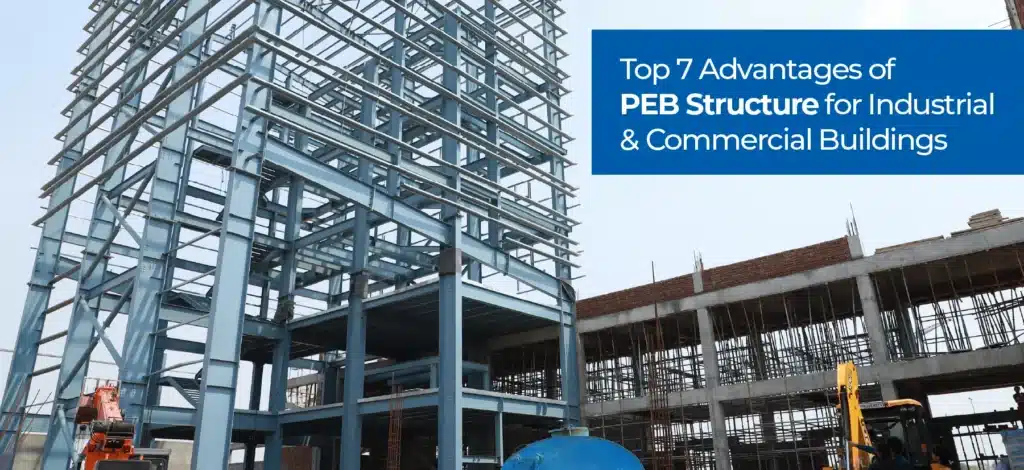
Top 7 Advantages of PEB Structure for Industrial and Commercial Buildings

Nowadays time is money, and industries and businesses are always on the lookout for faster, more efficient building solutions. Pre-engineered buildings have risen to the top as a favorite among both industrial and commercial sectors. Whether you’re setting up a factory or planning a commercial complex, the advantages of using a PEB structure can’t be overstated. Let’s dive into why this modern construction method is winning the hearts of builders and investors alike. Reasons To Choose PEB Structure For Industrial and Commercial Needs  1. Cut the Costs, Not the Quality The first thing any business considers when building is the budget, and this is where PEB structures shine. Traditional construction methods often come with unpredictable expenses—rising costs of raw materials, delays in labor, and unexpected changes. With PEB buildings, you’re looking at a more streamlined process that cuts down on many of these extra expenses. Materials are pre-engineered and fabricated off-site, which means you can avoid on-site wastage and reduce labor costs. Moreover, the components of Pre Engineered Buildings are usually sourced in bulk, leading to further savings. While cost-saving might sound like you’re cutting corners, that’s not the case here. PEB is designed with precision, ensuring quality is never sacrificed. 2. Speedy Construction Another significant advantage of using a PEB structure is the sheer speed of construction. Timeframes that used to take months can now be reduced to mere weeks. Why? Well, everything is designed and manufactured in a controlled factory environment before it’s shipped to the construction site. Once on-site, the structure is quickly assembled, minimizing downtime and delays. For industries and businesses, this speedy construction timeline means faster operational timelines. You can get your production line or your commercial space up and running much sooner than with conventional methods. And in the world of business, every day saved translates to potential profit. 3. Design Flexibility Many people assume PEB structures are rigid in terms of design. That couldn’t be further from the truth! One of the best-kept secrets about PEB is its immense design flexibility. Whether you need wide spans for factory floors, multi-level office spaces, or custom layouts for commercial complexes, a PEB Building can be adapted to suit your needs. Architects and engineers work closely to create designs that balance function and aesthetics, making sure the building is not only practical but visually appealing too. With modern technology, the scope for creativity is endless, allowing for customizations in shape, size, and finishes, all within the PEB framework. 4. Durability and Strength Just because PEBs are quicker to assemble doesn’t mean they compromise on durability. In fact, these buildings are often stronger and more resilient than traditionally built structures. They are engineered to withstand harsh environmental conditions, whether it’s extreme weather, heavy snow loads, or seismic activities. PEB structures are crafted from high-quality steel, which ensures longevity and minimal maintenance. This makes them an excellent choice for industrial setups that require robust buildings capable of handling the wear and tear of heavy machinery, equipment, and constant activity. You get a building that’s built to last, with a reduced risk of structural damage over time. 5. Go Green, Save Green In a world where sustainability is becoming increasingly important, PEB structures offer an eco-friendly solution. The materials used in PEB, primarily steel, are recyclable. This reduces the environmental footprint of the construction process. Additionally, since PEB structures are manufactured with precision, there is less material wastage compared to conventional methods, making them more sustainable. What’s more, PEB buildings can be designed to accommodate energy-efficient systems such as solar panels, rainwater harvesting, and better insulation, reducing energy consumption in the long run. For businesses looking to lower their carbon footprint, a PEB structure is a step in the right direction. 6. A Hassle-Free Choice One of the biggest headaches with traditional buildings is the ongoing maintenance. Over time, buildings can develop cracks, leaks, or structural issues that require constant attention and repair. However, a PEB structure is largely maintenance-free. Steel structures are resistant to termites, mold, and other pests that commonly plague conventional buildings. In addition to being pest-resistant, these buildings are also less prone to rust or corrosion, especially when treated with protective coatings. This means that once your PEB is up, you can rest easy knowing that it will require minimal upkeep over its lifetime, saving you both time and money. 7. Future Expansion Businesses and industries evolve, and so do their space requirements. The beauty of a PEB structure is its adaptability for future expansion. Need to extend your warehouse or add an extra floor to your office space? With a Pre-engineered buildings, expanding is as simple as unbolting some sections and adding new ones. This flexibility in design allows for seamless future modifications, ensuring that as your business grows, your space can grow with it. Whether you’re scaling up your operations or simply need more room, a PEB structure can accommodate your evolving needs without major disruptions. Why PEB Structures Are the Way Forward In conclusion, the advantages of opting for PEBs are too significant to ignore. From cost savings and speedy construction to sustainability and design flexibility, these buildings offer a future-forward solution for industries and businesses looking to optimize their space. If you’re planning to build, whether it’s an industrial setup or a commercial complex, a PEB structure should be at the top of your list. Not only does it check all the practical boxes, but it also ensures that you’re building something that’s strong, durable, and adaptable to the future. With PEB construction, you’re not just constructing a building—you’re investing in the future of your business. If you are seeking a new project to start with consider Willus Infra as PEB Manufacturers. It’s the future of construction and also very durable. We have a team of experts who understand all your needs before starting any project. With 25+ years of great experience. We keep working and providing the best solutions to everyone.

Pre-Engineered Buildings

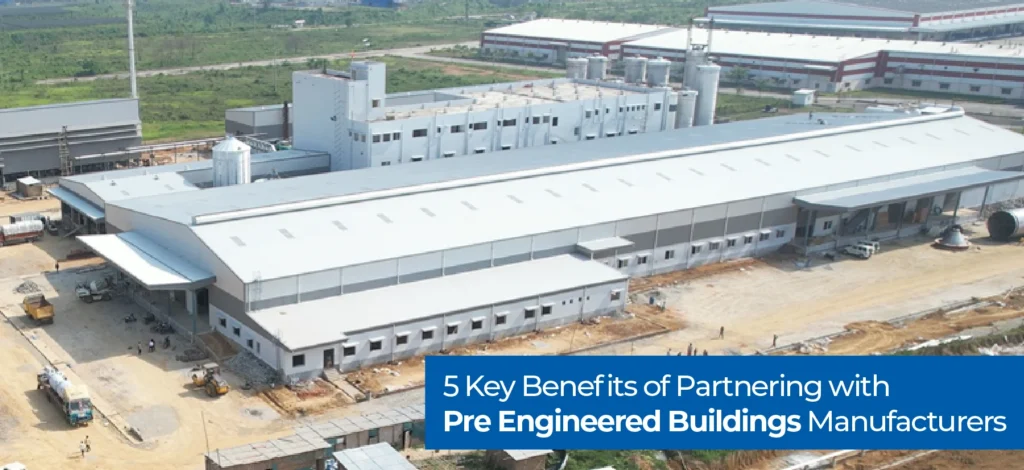
5 Key Benefits of Partnering with Pre-Engineered Buildings Manufacturers

When it comes to constructing industrial or commercial spaces, there’s a growing trend that’s sweeping the market: pre-engineered buildings (PEBs). Pre engineered buildings manufacturers are reshaping the construction landscape with efficient, cost-effective, and versatile solutions. And if you’re thinking about a large-scale project, working with these manufacturers might be one of the best decisions you make. But what exactly makes it such a smart move? Let’s break it down with five key benefits of working with pre engineered buildings manufacturers. Advantage To Work With PEB Manufacturers 1. Faster Construction Time One of the biggest selling points of working with pre engineered buildings manufacturers is the speed of construction. Think about it—time is money, and nobody likes projects dragging on for months, or even years. When you partner with a pre-engineered building manufacturer, you’re shaving off significant time from the construction process. How? Because these structures are largely fabricated off-site, in controlled factory environments. Once all components are made, they’re shipped to the site and quickly assembled like a giant puzzle. No one’s standing around waiting for cement to dry, or for weather conditions to cooperate. The precision with which these buildings are engineered means you get faster assembly, with far fewer delays than traditional construction methods. And, of course, faster completion means you can start using your space sooner, whether it’s a warehouse, retail outlet, or manufacturing plant. It’s all about getting down to business without the headache of drawn-out timelines. 2. Cost Efficiency Money talks, right? And pre engineered buildings manufacturers have mastered the art of saving you cash. Traditional buildings often rack up costs that seem to come out of nowhere: labor, material waste, unexpected delays—the list goes on. Pre-engineered buildings, however, minimize those unexpected expenses. Why? Because everything is planned down to the tiniest bolt. The precise engineering ensures that material waste is cut down significantly, meaning you’re paying only for what you really need. On top of that, because the labor required on-site is much less intense, your labor costs drop significantly. The manufacturer does most of the work in their factory, so your construction crew isn’t stuck on-site for weeks on end, bleeding your budget dry. And don’t even get me started on long-term savings. Pre-engineered buildings are typically more energy-efficient than traditional structures, thanks to modern insulation methods and sustainable designs. You’ll see savings on your utility bills for years to come. 3. Design Flexibility If you think pre-engineered buildings are all cookie-cutter warehouses with no personality, think again. The reality is that working with pre engineered buildings manufacturers offers you surprising levels of design flexibility. Whether you’re building an expansive industrial space or a sleek commercial office, these manufacturers can tailor the structure to suit your needs. Sure, the skeleton might be pre-designed for efficiency, but when it comes to layout, dimensions, and even aesthetics, you have plenty of options. Need clear spans for large open areas? Done. Want specific roof designs or different elevations? No problem. Pre engineered buildings manufacturers can customize everything from the facade to the finishing touches. They can even integrate your branding into the design, so your building doesn’t just function well—it looks the part too. So if you thought PEBs were just basic, utilitarian structures, think again. They offer all the functionality with the design flexibility you need to make your vision come to life. 4. Durability and Strength Now, let’s talk about strength. When you work with pre engineered buildings manufacturers, you’re not just getting speed and cost savings—you’re also getting a structure that’s built to last. These buildings are engineered with precision to meet the specific demands of your location. Whether it’s wind loads, seismic activity, or heavy snowfall, PEBs are designed to withstand environmental challenges. The steel used in pre-engineered buildings is incredibly durable and can outlast many traditional construction materials. And because these manufacturers adhere to strict quality standards, you can be confident that your building will remain solid and sturdy for decades. Additionally, because of the controlled manufacturing environment, the quality of materials is consistent and reliable. You won’t be dealing with the inconsistencies that sometimes pop up in traditional builds, like materials reacting unpredictably to weather or other external factors. It’s all about ensuring that your investment stands the test of time—something every business can appreciate. 5. Sustainability and Eco-Friendliness Let’s face it—the world is moving toward greener, more sustainable practices in every industry, and construction is no exception. By partnering with pre engineered buildings manufacturers, you’re aligning yourself with a more eco-conscious way of building. These manufacturers typically use steel, which is not only strong but also recyclable. Once a steel building has lived out its lifespan, the materials can be recycled and repurposed, reducing waste. On top of that, pre-engineered buildings tend to be more energy-efficient. The manufacturers can incorporate energy-saving features like insulated panels, energy-efficient windows, and even solar-ready roofing. This means that over time, your building won’t just save you money—it’ll also reduce your carbon footprint. Plus, because the materials are manufactured off-site and precisely calculated, you cut down on waste during the construction process. No excess materials, no unnecessary environmental damage. It’s a win-win for your budget and the planet. Why Pre Engineered Buildings Manufacturers Are the Future Pre engineered buildings manufacturers have figured out how to blend efficiency, cost-effectiveness, and durability in a way that’s reshaping the construction world. Whether you’re after quicker construction times, long-term savings, or a more eco-friendly building process, working with these manufacturers just makes sense. They’ve got the know-how, the tech, and the experience to turn your vision into a reality, without the usual headaches that come with traditional construction. If you are choosing the PEB construction this time choose Willus Infra. We have 25 years of expertise in PEB and we are here to provide a comprehensive solution. pre engineered buildings in India are booming these days and these are something which is sustainable, cost-effective, and offer you many benefits. So, the next time you’re planning a large-scale

roof cladding
Uncategorized

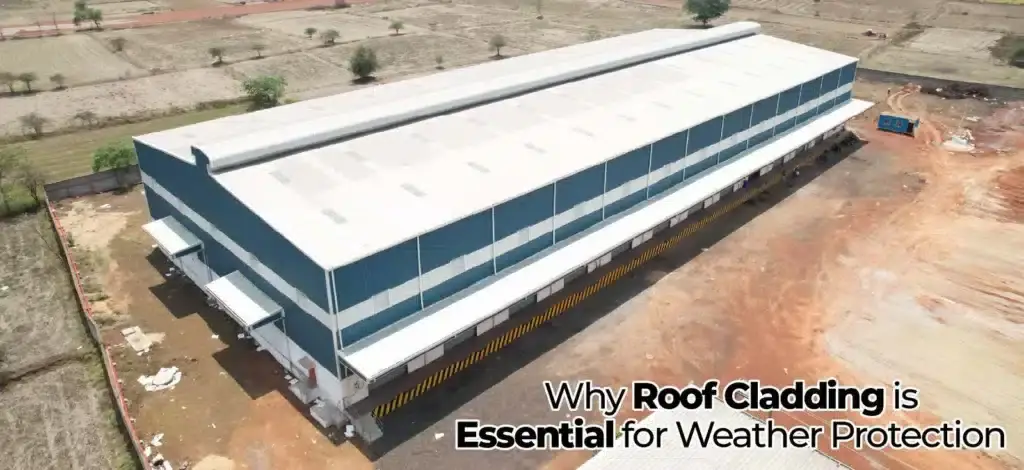
Why Roof Cladding is Essential for Weather Protection

Roof cladding might sound like a technical term, but it plays an important role in keeping our homes and buildings safe from the elements. Whether you’re building a new home, renovating an old one, or simply curious about how buildings stay safe in extreme weather, roof cladding is a topic worth exploring. In this article, we’ll take a closer look at why cladding is essential for weather protection, how it works, and the different types of cladding available. What is Roof Cladding? Roof cladding refers to the outer layer or covering of a roof. It’s the material that forms the surface of the roof, shielding the underlying structure from rain, snow, wind, and sun. This top layer can be made from a variety of materials such as metal, tiles, slate, or even plastic. cladding serves as the first line of defense between your home and the weather outside, making it an essential component of any building. Why is Roof Cladding Important for Weather Protection? Protection from Rain and Moisture One of the primary reasons why cladding is essential is its ability to protect buildings from rain and moisture. Water is a building’s worst enemy. When moisture gets into the walls and roof structure, it can cause mold, rot, and other forms of damage. Good roof cladding acts as a waterproof barrier, preventing rainwater from seeping into the house. Without proper cladding, water can infiltrate the roofing system, leading to leaks and, eventually, structural damage. Over time, untreated leaks can cause significant issues, such as weakening the roof’s structure, damaging insulation, or even affecting the foundations of the building. Shield from Wind and Storms Wind can be another big concern when it comes to weather-related roof damage. During storms or strong winds, cladding helps prevent damage by providing a durable shield against gusts that might otherwise rip apart the roof. Certain materials, like metal cladding, are particularly well-suited to withstand strong winds. Properly installed roof cladding ensures that the building remains structurally intact during bad weather conditions, protecting the occupants inside from falling debris or roof collapse. In areas prone to hurricanes or high winds, choosing the right cladding is crucial for safety. If your roof isn’t properly cladded or sealed, it can be lifted or torn apart by strong winds, leaving your home vulnerable to further damage. Defense Against Extreme Temperatures Roof cladding also plays an important role in temperature regulation. During extreme heat or cold, the right kind of cladding can help insulate your home, maintaining a comfortable indoor temperature and lowering energy costs. For example, metal cladding reflects sunlight, keeping the house cooler in hot climates. On the other hand, materials like tiles or shingles are good at retaining warmth, making them suitable for colder regions. Additionally, cladding provides a buffer against sudden temperature changes, which can cause expansion and contraction of roofing materials. This movement can lead to cracks or other structural issues if the roof is not properly protected. UV Radiation Protection Prolonged exposure to the sun’s UV rays can be damaging to roofing materials. Over time, UV radiation can cause some materials to degrade, crack, or lose their protective properties. Roof cladding helps to shield your roof from these harmful rays. Materials such as metal and certain types of tiles are resistant to UV damage, ensuring that the roof remains durable and intact for many years. Fire Resistance In some areas, especially in regions prone to wildfires, roof cladding can offer an added layer of fire protection. Fire-resistant materials like metal, clay tiles, and certain types of composite shingles can prevent or slow down the spread of fire. By choosing a fire-resistant cladding, homeowners can reduce the risk of their homes catching fire during a wildfire or an accidental fire. Aesthetic Appeal and Durability While the primary function of cladding is to protect your home from the weather, it also serves an aesthetic purpose. Roof cladding comes in a variety of materials, colors, and designs, allowing homeowners to choose a style that complements the look of their home. Whether you prefer the sleek look of metal, the classic appeal of tiles, or the natural charm of slate, cladding can enhance the overall appearance of a building. In addition to looking good, cladding is designed to be durable. High-quality cladding materials can last for decades with minimal maintenance, providing long-term protection and peace of mind for homeowners. Types of Roof Cladding Materials When choosing cladding, it’s important to select a material that suits your climate and aesthetic preferences. Here are some common types of roof cladding materials: Metal Roof Cladding Metal roof cladding, made from steel, aluminum, or copper, is known for its durability and resistance to harsh weather. It is particularly effective in areas with high winds, heavy rains, or snow. Tile Roof Cladding Tiles, often made from clay or concrete, are highly resistant to fire and can withstand extreme weather conditions. They are commonly used in warmer climates, but can be suitable for colder regions as well. Slate Roof Cladding Slate is a natural stone material that offers excellent weather resistance and an elegant appearance. It’s a long-lasting option but tends to be more expensive than other materials. Shingle Roof Cladding Asphalt shingles are a popular choice due to their affordability and versatility. They come in various styles and colors and provide reliable protection against the elements. Composite Roof Cladding Composite cladding combines different materials, such as recycled plastics and wood fibers, to create a strong and weather-resistant option. It is also eco-friendly and can be designed to mimic other materials like wood or stone. Maintaining Your Roof Cladding Regular maintenance is key to ensuring your roof cladding continues to protect your home. Here are some tips for keeping your roof in good condition: Inspect regularly: Check for any signs of damage or wear, especially after a storm or extreme weather. Clean gutters: Blocked gutters can cause water to back up onto the roof, leading to leaks or damage. Repair promptly: If you

Uncategorized

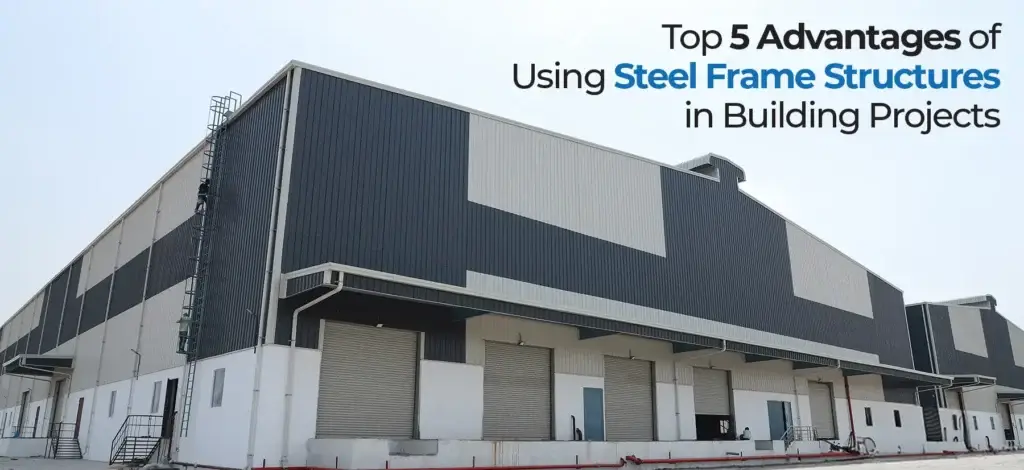
Top 5 Advantages of Using Steel Frame Structures in Building Projects

Builders and architects are always on the lookout for materials that provide strength, flexibility, and cost-effectiveness. Among the various options, steel frame structures have emerged as a popular choice for building projects. But why exactly are they so favored? Let’s explore the top five advantages of using steel frame structures in construction. Benefits Of Using Steel Frame Structures In New Construction 1. Durability and Strength One of the most significant advantages of using a steel frame structure is its incredible durability and strength. Unlike wood or concrete, steel does not warp, twist, or shrink, ensuring that the structure remains stable for many years. Steel frames are also resistant to pests like termites, which can cause severe damage to wooden structures. According to the American Institute of Steel Construction, steel has the highest strength-to-weight ratio of any building material. This means that while it is strong, it is also lightweight, reducing the overall load on the foundation and making it ideal for high-rise buildings and structures in seismic zones. 2. Cost-Effectiveness Building with steel frame structures can lead to significant cost savings. The use of prefabricated steel components reduces the amount of time required for on-site construction, which, in turn, cuts down on labor costs. Furthermore, steel is recyclable, and using recycled steel in construction can reduce material costs. A study by the World Steel Association found that steel-framed buildings can save up to 10% in construction costs compared to traditional building materials. This cost-effectiveness, combined with the longevity of steel, makes it an attractive option for builders looking to maximize their return on investment. 3. Flexibility in Design Another key advantage of steel frame structures is their flexibility in design. Steel can be molded into various shapes and sizes, allowing architects and designers to create more innovative and modern structures. The malleability of steel means that it can accommodate large open spaces without the need for internal load-bearing walls. This flexibility is particularly useful for commercial buildings, such as offices or retail spaces, where an open floor plan is often preferred. Additionally, the adaptability of steel allows for easy modifications and extensions to the structure in the future, providing long-term value for building owners. 4. Speed of Construction Time is a crucial factor in any building project, and steel frame structures offer a significant advantage in this regard. Steel components are typically manufactured off-site in a controlled environment and then transported to the construction site for assembly. This method, known as prefabrication, reduces construction time by up to 50% compared to traditional building methods. A report by the National Institute of Building Sciences states that prefabricated steel structures can reduce project timelines by 30% to 50%. The faster completion of projects not only saves money but also allows businesses to begin operations sooner, making steel an efficient choice for time-sensitive projects. 5. Environmental Sustainability Sustainability is a growing concern in the construction industry, and steel frame structures are an environmentally friendly option. Steel is 100% recyclable, and the recycling process does not degrade its quality, meaning it can be reused multiple times without losing strength. In fact, according to the Steel Recycling Institute, over 80 million tons of steel are recycled each year in North America alone. Additionally, using steel frames reduces the need for other materials that have a more significant environmental impact, such as concrete or wood. Steel also contributes to energy efficiency in buildings. Its high strength allows for thinner walls and larger windows, providing more natural light and reducing the need for artificial lighting during the day. Conclusion The use of steel frame structures in building projects offers several significant advantages. From durability and strength to cost-effectiveness, flexibility in design, speed of construction, and environmental sustainability, steel proves to be a superior material for modern construction needs. With increasing awareness of sustainability and the need for efficient building practices, steel frame structures are set to become even more popular in the coming years. Understanding these benefits of Structural Steel Framing, builders, architects, and property developers can make informed decisions and can help in choosing best steel structure manufacturers and the related materials that not only meet their immediate needs but also provide long-term value and sustainability.

pre engineered building manufacturers
Uncategorized

How Pre Engineered Building Manufacturers in India Are Shaping Modern Infrastructure

Pre-engineered buildings (PEBs) are transforming India’s construction scene. These are constructions that are developed and constructed in a factory and then erected on the construction site. PEBs, with their speed, flexibility, and cost-effectiveness, are transforming modern infrastructure. Let’s explore how pre engineered building manufacturers in india are shaping the future of infrastructure in a big way. 1. Speeding Up Construction One of the biggest advantages of pre-engineered buildings is the speed of construction. Traditional construction methods can take months or even years, but PEBs can be assembled much faster. According to a report by ResearchAndMarkets.com, the use of PEBs can reduce construction time by up to 50%. This is because most components are pre-manufactured in a controlled environment, reducing the time spent on-site. Faster construction is particularly beneficial for industries that need to start operations quickly, such as logistics, warehousing, and retail. For example, when Amazon planned to expand its warehouse facilities in India, it opted for pre engineered building manufacturers in india to meet tight deadlines. The speed of construction allowed Amazon to begin operations sooner, saving both time and money. 2. Enhancing Cost-Effectiveness Cost is always a significant factor in construction projects, and this is another area where pre-engineered buildings excel. Traditional construction often involves unexpected costs due to delays, weather conditions, and fluctuating material prices. In contrast, PEBs are pre-manufactured in a controlled environment, reducing the risk of unexpected expenses. A study by PwC India found that using pre-engineered buildings can reduce overall project costs by 20-30%. This cost-saving comes from reduced labor costs, minimized material waste, and faster construction times. For businesses looking to build new facilities or expand existing ones, these savings can be substantial. 3. Promoting Sustainability Sustainability is becoming a critical concern in the construction industry. Pre-engineered buildings are more sustainable than traditional buildings in several ways. First, they use fewer materials and generate less waste. Since components are manufactured in factories, there is less cutting and trimming at the construction site, which means less waste. Second, pre engineered building manufacturers in india often use recycled materials like steel, which is highly sustainable. According to the World Steel Association, around 98% of structural steel used in construction can be recycled, making it one of the most environmentally friendly building materials available. Moreover, PEBs are energy-efficient. Their design allows for better insulation and natural lighting, which can reduce energy consumption by up to 30%, according to a report by Green Building Council of India. This makes PEBs a smart choice for businesses aiming to lower their carbon footprint. 4. Offering Flexibility and Customization Pre-engineered buildings provide a high degree of flexibility and customization, making them ideal for various industries, including warehouses, factories, schools, and sports arenas. Unlike traditional buildings, which often have rigid designs, PEBs can be easily modified and expanded to meet changing needs. For instance, a company may initially need a small warehouse but later decide to expand as business grows. With pre engineered building manufacturers in india, such modifications can be made quickly and without significant disruption. This adaptability is particularly valuable in a rapidly changing business environment where companies must respond to market demands swiftly. 5. Improving Safety Standards Safety is another area where pre-engineered buildings have an edge. Since most of the construction occurs in a controlled factory environment, there are fewer risks associated with on-site construction activities. This reduces the chances of accidents and ensures a safer working environment for construction workers. Furthermore, pre engineered building manufacturers in india are designed to meet stringent safety standards. The materials used are often fire-resistant, and the buildings can be engineered to withstand natural disasters like earthquakes. According to the National Institute of Disaster Management, buildings in India must now comply with new earthquake-resistant design standards, and PEBs are well-suited to meet these requirements. 6. Supporting Urbanization and Industrialization India is urbanizing rapidly, with the United Nations predicting that by 2050, 60% of India’s population will live in cities. To accommodate this growing urban population, India needs to build new infrastructure quickly and efficiently. Pre-engineered buildings offer a solution that meets these needs. Pre engineered building manufacturers in india are already being used extensively in the construction of airports, metro stations, shopping malls, and industrial facilities. For example, the Delhi Metro Rail Corporation used pre-engineered steel structures for the construction of some of its metro stations. This not only sped up the construction process but also minimized the impact on the surrounding environment. 7. Boosting Local Economy and Employment The growing demand for pre-engineered buildings in India is also boosting the local economy. The PEB industry has created numerous job opportunities in design, engineering, manufacturing, and construction. According to a report by IBEF, the PEB sector in India is expected to grow at a compound annual growth rate (CAGR) of 11.6% between 2022 and 2027, leading to more jobs and economic growth. Local manufacturers are investing in advanced technologies and innovations to stay competitive. This not only benefits the industry but also contributes to the overall development of India’s manufacturing sector. 8. Encouraging Innovation and Technology Adoption Pre engineered building manufacturers in india in India are at the forefront of adopting new technologies and innovations. They use computer-aided design (CAD) software, Building Information Modeling (BIM), and advanced robotics to manufacture and assemble components with precision. These technological advancements allow for better quality control, reduced errors, and improved efficiency. For example, using BIM technology, manufacturers can create a 3D model of the building before construction begins, allowing for more accurate planning and reduced material waste. According to a study by Deloitte India, companies that adopt such technologies can reduce project costs by up to 10%. Conclusion Pre engineered building manufacturers are playing a pivotal role in shaping the country’s modern infrastructure. With their ability to speed up construction, reduce costs, promote sustainability, and offer flexibility, PEBs are increasingly becoming the preferred choice for various sectors. As urbanization and industrialization continue to accelerate, the demand for PEBs is set to grow, driving

pre engineered building manufacturers in india
Uncategorized

How Prefabricated House Manufacturers in India Are Redefining Housing

India has seen a significant change in how homes are built. One of the most exciting developments in this field is the rise of prefabricated houses. Prefabricated, or “prefab,” houses are built using factory-made components, which are then assembled on-site. This method offers many advantages over traditional construction, and it’s becoming a popular choice among homebuyers and builders in India. Let’s explore how prefabricated house manufacturers in India are redefining housing in India. 1. Speed and Efficiency One of the biggest advantages of prefabricated houses is the speed at which they can be constructed. Unlike traditional homes that can take several months or even years to build, prefabricated houses can be completed in a matter of weeks. This is because most of the construction work happens in a controlled factory environment. The walls, roof, and other parts are made with precision and are ready to be put together like a puzzle at the building site. This saves a lot of time and reduces delays caused by weather or labor shortages. For example, a traditional brick-and-mortar house might take up to 12-18 months to complete, while a prefabricated house can be built in just 2-3 months. This quick turnaround is particularly beneficial for people who need a home quickly, such as those moving to a new city for work or those affected by natural disasters. 2. Cost-Effective and Affordable Prefabricated houses are also more cost-effective compared to conventional homes. Since the parts are made in a factory, prefabricated house manufacturers in India can buy materials in bulk, reducing costs. Additionally, less labor is required on-site, which further cuts down expenses. The savings from these efficiencies are often passed on to the buyer, making prefabricated homes a more affordable option. Moreover, prefabricated houses help avoid hidden costs that often arise in traditional construction projects, like extra labor charges or material wastage. With fixed pricing, buyers know exactly how much they will spend, which is a significant advantage for people on a budget. 3. Sustainable and Environmentally Friendly With growing concerns about the environment, many people are looking for greener housing options. Prefabricated homes are much more sustainable compared to traditional homes. The factory-controlled setting ensures precise measurement of materials, which means less waste. Additionally, these factories often recycle leftover materials, further reducing the impact on the environment. Prefabricated houses also tend to be more energy-efficient. Many prefabricated house manufacturers in India incorporate eco-friendly features such as solar panels, rainwater harvesting systems, and energy-efficient windows into their designs. These features not only reduce the carbon footprint but also help homeowners save on energy bills in the long run. 4. High-Quality Construction One might think that prefabricated houses are less durable or of lower quality than traditional houses, but this is far from the truth. In fact, the factory-made components of prefab homes are usually made under strict quality control, which can result in a better and more consistent finish. The materials used are often tested for durability and strength, ensuring they can withstand harsh weather conditions. Moreover, since the parts are built in a controlled environment, they are less likely to suffer from defects caused by external factors such as rain, heat, or cold. This level of quality control is challenging to achieve in traditional on-site construction, where many variables can affect the quality of work. 5. Flexibility in Design Another benefit of prefabricated houses is their flexibility in design. Prefabricated house manufacturers in India offer a wide range of styles and sizes to suit different needs and preferences. Whether you want a small cottage or a large family home, there are plenty of options available. Many prefabricated house manufacturers in India also allow for customization, meaning you can work with them to create a home that perfectly matches your vision. This flexibility extends beyond just aesthetics. Because prefab homes are made of separate modules, they can be easily expanded in the future if needed. This makes them ideal for growing families or people who may want to add more space later on. 6. Solving Housing Shortages India faces a significant challenge in providing affordable housing to its growing population. Prefabricated houses could be a solution to this problem. Because they are faster and cheaper to build, they can help address the country’s housing shortage more effectively than traditional methods. Governments and private organizations are increasingly looking at prefab homes as a viable option for providing low-cost housing to people in need. Conclusion  Prefabricated house manufacturers in India are transforming the housing industry by offering faster, cheaper, and more sustainable alternatives to traditional homes. With their many benefits—speed, affordability, quality, and flexibility—prefabricated houses are quickly becoming a popular choice for many Indians. If you are the one who loves to construct a house with the help of Prefabricated- Willus Infra pre fabricated building manufacturers helps you with that, we have 25 years of expertise. As more people recognize these advantages, the demand for prefab homes is expected to grow, helping to redefine housing in India for the better. Whether you are looking for an affordable home or an eco-friendly option, prefabricated houses offer a modern solution to meet your needs.

Scroll to Top