Willus Infra

Author name: dinesh

Uncategorized

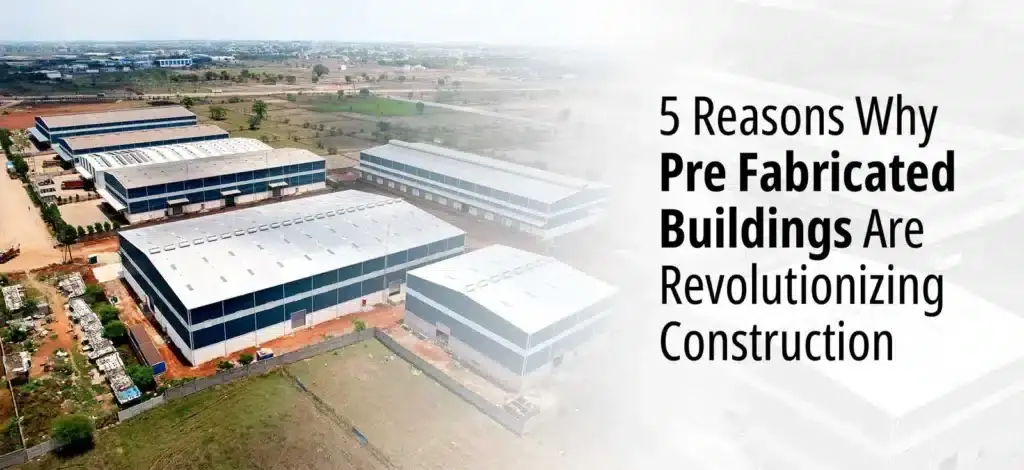
5 Reasons Why Pre fabricated Building Are Revolutionizing Construction

Imagine a world where building a house is as simple as assembling furniture. Pre fabricated construction, also known as modular construction, is turning this vision into reality. It’s a revolutionary approach that’s poised to reshape the construction industry, offering a faster, more efficient, and sustainable way to build. But what exactly is prefab construction, and why is it the future? Here are five key reasons why pre fabricated building are gaining traction around the world Reasons Why Pre fabricated Building is Future 1. Speed and Efficiency Traditional construction can be a slow and laborious process, often plagued by delays due to weather conditions, material shortages, or skilled labor gaps. Pre fabricated building offers a significant advantage in terms of speed. Building components are manufactured off-site in a controlled environment, ensuring consistent quality and eliminating weather-related delays. Studies show that Pre fabricated Building can reduce project timelines by a whopping 30-50% compared to traditional methods. This translates to faster project completion, quicker occupancy, and ultimately, faster returns on investment. For instance, a conventionally built school might take a year to complete, whereas a modular school building can be assembled on-site in a matter of weeks. This not only benefits businesses looking to expand their operations quickly but also fulfills the urgent need for essential structures like schools and hospitals in communities with rapid population growth. 2. Saving Money While Building Better Prefabrication isn’t just about speed; it’s also about cost savings. Here’s how: Reduced Waste: Prefabricated components are meticulously designed and manufactured in factories, minimizing material waste on-site. This translates to lower material costs and a smaller environmental footprint. Optimized Labor: With skilled labor often in short supply and at a premium, prefab construction requires fewer workers on-site. This translates to reduced labor costs for the project. Predictable Pricing: Pre fabricated construction offers a more predictable pricing structure. With most of the construction happening in a controlled environment, fewer unforeseen circumstances can lead to cost overruns during the on-site assembly stage. A study by McKinsey & Company suggests that prefab construction can result in cost savings of up to 20% compared to traditional methods. This makes prefab a compelling option for budget-conscious projects, from affordable housing initiatives to disaster relief shelters. 3. Building a Solid Foundation Traditional construction sites can be chaotic environments, with various teams working on different aspects of the project. This can sometimes lead to inconsistencies in quality. Pre fabricated construction offers a significant advantage in this regard. Since the building components are manufactured in a controlled factory setting, quality control measures are much more stringent. Every component is inspected thoroughly before being shipped to the construction site, ensuring a higher level of consistency and overall quality of the finished structure. This translates to buildings that are not only aesthetically pleasing but also structurally sound and more resistant to damage from natural elements. 4. Sustainable Solutions for a Better Future The construction industry is a major contributor to global waste. Pre fabricated building offers a more sustainable approach to building. Here’s how: Reduced Material Waste: As mentioned earlier, prefab construction minimizes on-site material waste. Recycled Materials: Prefabricated structures can often be built using recycled materials, further reducing their environmental impact. Energy Efficiency: Prefabricated components can be designed to be energy-efficient, with features like superior insulation and high-performance windows. This translates to lower energy consumption for the building’s occupants. Prefabrication also promotes a more sustainable construction process by reducing the need for heavy machinery and minimizing noise and dust pollution at the building site. 5. Design Flexibility and Innovation A common misconception about pre fabricated building is that they are all boxy and lack architectural appeal. This is simply not true. Prefabricated construction offers a high degree of design flexibility. Architects can create modular components that can be combined in various ways to create unique and aesthetically pleasing structures. Prefabrication also allows for the integration of innovative building technologies, such as smart home systems and renewable energy sources. This level of design flexibility makes prefab construction suitable for a wide range of projects, from residential homes and commercial buildings to schools, hospitals, and even disaster-resilient structures. Why Choose Willus Infra for Pre fabricated Building? Willus Infra is at the forefront of the Pre fabricated Building revolution in India. We offer a complete end-to-end solution, from design and manufacturing to on-site assembly and after-sales support. Here’s what sets us apart: Experienced Team: Our team of skilled professionals has extensive experience in prefab construction, ensuring the highest quality standards in every project. Commitment to Innovation: We are constantly innovating and exploring new technologies to improve our prefab building systems. Client Focus: We believe in building strong relationships with our clients and working collaboratively to achieve their vision. Sustainable Practices: We are committed to sustainable building practices and minimizing our environmental impact. The Future of Construction is Pre fabricated Building The construction industry is on the cusp of a transformation. Prefabricated construction offers a compelling alternative to traditional methods, with its advantages in speed, cost-effectiveness, quality control, sustainability, and design flexibility. As technology advancements continue and public awareness grows, prefab construction is poised to become the mainstream approach for building a better future. Frequently Asked Questions How much faster can I build with prefabricated construction? Prefabricated construction can reduce project timelines by 30-50% compared to traditional methods. How much can I save on costs with prefab construction? Prefabrication can result in cost savings of up to 20% compared to traditional building methods. This is due to reduced waste, optimized labor costs, and predictable pricing. Are prefabricated buildings high quality? Yes, prefabricated buildings can be of very high quality. Since the components are manufactured in a controlled factory setting, quality control measures are more stringent. This leads to consistent quality and structurally sound buildings. Are prefabricated buildings sustainable? Prefabricated construction offers several sustainability benefits: Reduced material waste Ability to use recycled materials Improved energy efficiency Does Willus Infra offer design services for prefabricated buildings? Yes, Willus Infra offers a complete end-to-end solution,

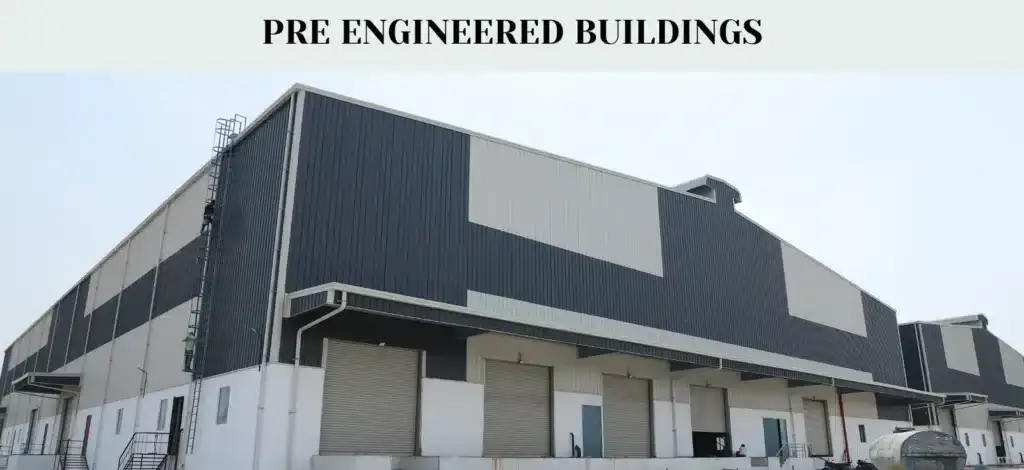
Pre Engineered Buildings
Uncategorized

Top Pre- Engineered Buildings – Know More about PEBs Structure – Willus Infrastructure

Welcome to the world of Pre-Engineered Buildings (PEBs) – an innovative and cost-effective solution that is revolutionizing the construction industry. If you are looking for a durable, efficient, and customised building option, then Willus Infrastructure PEBs should definitely be on your radar. In this blog post, we will delve into the fascinating world of Pre Engineered Buildings and explore why they are becoming the top choice for builders and architects across the globe. So sit back, relax, and let’s embark on this exciting journey together! Know About Pre Engineered Buildings Pre Engineered Buildings, also known as PEBs, are a modern construction method that involves the fabrication of building components off-site and their assembly on-site. Unlike traditional construction methods where each component is individually designed and fabricated, PEBs follow a standardized process which allows for faster construction times and cost savings. One of the key elements of Pre Engineered Buildings is the primary member, often referred to as “the backbone” of the structure. These members include columns, rafters, and beams that bear the majority of the load in a building. They are usually made from high-quality steel or other structural materials to provide strength and stability. In addition to primary members, secondary members play a crucial role in supporting the roof and walls. These components include purlins, girts, eave struts, and bracing systems. Secondary members work together with primary members to distribute loads evenly throughout the structure. Bracing system plays a very important role in building stability. When it comes to selecting cladding for roofing and wall panels for pre-engineered metal buildings, you’ll find no shortage of options. From single-skin metal panels to insulated sandwich panels with varying thicknesses – builders have a range of choices depending on their specific needs for insulation value or aesthetics. To complete the structure’s functionality and appearance, various accessories such as doors, windows, louvers, ventilators are incorporated into Pre Engineered Buildings design. These accessories not only enhance usability but also improve airflow circulation within buildings while allowing natural light sources. The beauty of Pre Engineered Buildings lies in its cost-effective nature without compromising durability or quality. By utilizing factory-made components manufactured with precision engineering techniques, PEBs minimize material wastage while maintaining structural integrity. Moreover, the shorter construction time compared to traditional buildings translates into reduced labour costs, making PEBs an attractive option for economical and fast track projects. From warehouses to factories, industrial facilities to commercial structures, Pre Engineered Buildings offer numerous benefits over conventional constructions. Their versatility allows architects more creative freedom in design, while their flexibility enables easy expansion and modification with the ability Primary Member: The Backbone of Pre Engineered Buildings In pre-engineered metal buildings, the primary member is the main structural component and serves as the backbone, or the very core, of the entire steel structure. It plays a crucial role in providing stability, strength, and support to the building. Made from high-quality steel, these primary members are designed to withstand various external forces such as wind loads, seismic activities, and heavy snowfall. The primary member in pre-engineered steel structures consists of columns and rafters connected together using bolts or welding, forming the solid building structure. These components are carefully engineered and fabricated off-site according to specific design requirements. This not only ensures precision but also reduces construction time significantly. One of the key advantages of using primary members in PEBs is their versatility in terms of design flexibility. They can be easily customized to meet different architectural requirements without compromising on structural integrity. Whether it’s a commercial warehouse or an industrial facility, these primary members can be tailored for any type of building application. Moreover, due to their lightweight nature compared to traditional building materials like concrete or wood, PEBs with primary members offer faster installation times and reduced labour costs. The use of steel also makes them highly durable and resistant to corrosion, ensuring long-term performance even in harsh environmental conditions. The primary member forms the core foundation of pre-engineered buildings by providing strength, stability, and customization options. Its efficient design allows for quicker construction timelines while maintaining durability and cost-effectiveness – making it an ideal choice for a wide range of building applications. Secondary Member: The Supporting Structure of Pre Engineered Buildings In the context of erecting pre-engineered steel buildings, the secondary member plays a crucial role in providing structural support and stability. These members work hand in hand with the primary members to ensure the overall strength and integrity of the building. The secondary members, also known as purlins and girts, are typically made from cold-formed steel sections. They are installed horizontally along the length of the building to provide additional support for roof panels, wall panels, and other components. In addition to their structural function, these secondary members also serve as a platform for attaching various accessories such as insulation systems, lighting fixtures, and ventilation equipment. This flexibility allows PEBs to be customized according to specific requirements and enhances their functionality. One key advantage of using secondary members in PEBs is that they can be easily designed and fabricated offsite before being transported for installation. This not only saves time but also ensures precision in manufacturing, leading to faster construction timelines. Moreover, due to their lightweight nature compared to conventional structures, these secondary members contribute significantly towards reducing material costs without compromising on strength or durability. Additionally, their low maintenance requirements make them an attractive choice for long-term cost savings. Understanding the importance of secondary members in the construction of metal buildings is essential considering this modern alternative to traditional construction. Their contribution goes beyond just supporting structures; they offer versatility while maintaining affordability – making PEBs an increasingly popular choice among architects and builders alike! Roof and Wall Panels Roof and wall panels are integral components of pre-engineered buildings (PEBs) that provide structural support, insulation, and aesthetic appeal. These cladding panels play a crucial role in maintaining the energy efficiency of a pre-engineered steel building (PEB), thus adding to the overall stability of the

Uncategorized

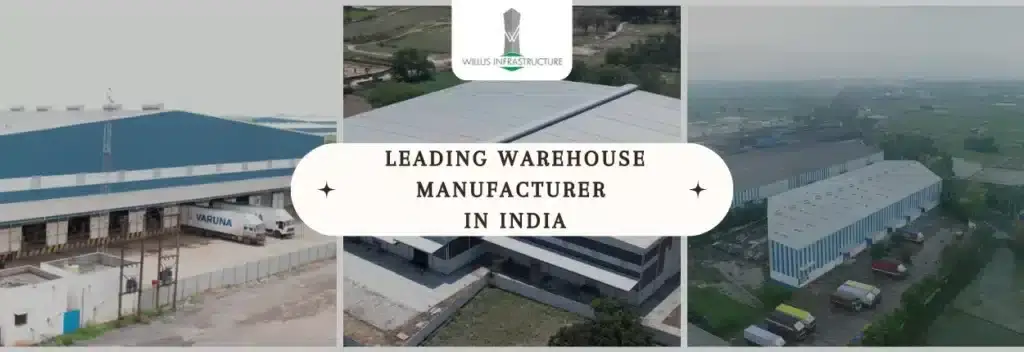
Why Willus Infrastructure stands out among the leading warehouse manufacturers in India

Introduction to Willus Infrastructure Welcome to the warehousing world, where efficient logistics and streamlined operations are the keys to success. In India’s rapidly growing economy, the demand for warehouses is skyrocketing, with businesses across industries seeking reliable solutions to store and distribute their goods effectively. Amidst this soaring demand, one name stands out among all the leading warehouse manufacturers in India – Willus Infrastructure.With a reputation for excellence and innovation, Willus Infrastructure has revolutionised warehouse design and construction. From cutting-edge technology to competitive pricing and timely delivery, they offer a comprehensive range of services that cater to the diverse needs of businesses nationwide.In this blog post, we will explore why Willus Infra is hailed as the top choice regarding warehouse solutions in India. So buckle up as we explore their unique approach towards warehouse design and construction, the advanced technologies they employ, and how they consistently deliver outstanding results while meeting tight deadlines. Get ready to discover why Willus Infrastructure truly stands out from its competitors in an ever-evolving industry! The Growing Demand for Warehouses in India The demand for warehouses in India has steadily increased over the years, driven by factors such as e-commerce growth, expanding manufacturing sector, and changing consumer behaviour, with the rise of e-commerce, logistics upgradation Infrastructural boom, etc. With the need for efficient supply chain management, companies are now more than ever relying on well-designed warehouses to meet the growing demands of their customers.One of the key drivers behind this surge in demand is the rapid growth of e-commerce in India. As more people turn to online shopping for convenience and a wider range of products, companies need larger warehouse spaces to store inventory and fulfil orders quickly. This has led to an increased investment in warehouse infrastructure across major cities in India. Adding to this, lots of Perishable and Non-perishable food items require good storage for a longer time, leading to an increase in the demand for warehouses in India.Moreover, with initiatives like “Make in India” promoting domestic manufacturing, there is a growing need for storage facilities to accommodate raw materials and finished goods. Manufacturers are looking for strategically located warehouses that can help them streamline their operations and reduce transportation costs.Additionally, changes in consumer behaviour have also contributed to increased demand for warehouses. Consumers now expect faster delivery times and hassle-free returns when they shop online. To meet these expectations, companies require well-equipped fulfilment centres that efficiently manage inventory and enable quick order processing.As the demand for warehousing solutions continues to grow rapidly in India, it becomes crucial for businesses to partner with reliable warehouse manufacturers who can provide innovative design solutions tailored to their specific needs. Willus Infrastructure stands out among its competitors by offering unique warehouse design and construction approaches that maximise space utilisation while ensuring operational efficiency. Willus Infrastructure’s Unique Approach to Warehouse Design and Construction Willus Infrastructure sets itself apart from other Warehouse Manufacturers in India with its unique approach to design and construction. They understand that each client has specific requirements and tailor their solutions accordingly.One key factor that makes Willus Infrastructure stand out is its emphasis on sustainability. They incorporate eco-friendly materials and practices into their warehouse designs, ensuring a reduced environmental impact. This benefits the planet and helps clients save on energy costs in the long run.Another aspect of Willus Infrastructure’s approach is its focus on flexibility. They understand that businesses evolve, so they design warehouses that can easily adapt to changing needs. Whether expanding storage capacity or incorporating new technologies, Willus ensures their warehouses are future-proof.In addition to flexibility, Willus Infrastructure places great importance on optimising space utilisation. Their expert technical team carefully analyses client requirements and designs layouts that maximise storage capacity while maintaining efficient workflows. This means clients get more value for their investment by effectively utilising every inch of available space.Furthermore, safety is a top priority for Willus Infrastructure regarding warehouse design and construction. They adhere to stringent safety standards throughout the process, ensuring a secure working environment for employees and safeguarding valuable inventory.Willus Infrastructure’s unique approach combines sustainability, flexibility, optimised space utilisation, and safety to deliver unparalleled warehouse solutions in India. Cutting-Edge Technology Used by Willus Infrastructure At Willus, staying ahead of the curve is crucial in today’s fast-paced world. That’s why we constantly invest in cutting-edge technology to enhance our warehouse design and construction process. By leveraging the power of innovation, we can deliver state-of-the-art warehouses that meet and exceed our clients’ expectations.One of the key technologies we utilise is advanced 3D modelling software. This allows us to create highly accurate virtual representations of our warehouse designs, enabling clients to visualise their project before it begins. This precision ensures that every aspect is carefully planned and executed, resulting in a seamless construction process.In addition, we employ automated systems for various tasks throughout the warehouse construction process. Moreover, at Willus, we understand the importance of sustainability in today’s environmentally conscious world. That’s why we integrate eco-friendly technologies into our warehouses wherever possible. From solar panels for energy generation to rainwater harvesting systems for water conservation, our commitment to sustainable practices sets us apart from other manufacturers.By embracing cutting-edge technology and incorporating sustainable solutions into our designs, Willus Infrastructure remains at the forefront of warehouse manufacturing in India. We strive to continually push boundaries and provide innovative solutions that cater to Competitive Pricing and Timely Delivery Regarding warehouse manufacturers in India, competitive pricing and timely delivery are two factors that can make or break a company’s reputation. Willus understands the importance of offering cost-effective solutions without compromising quality and ensuring that projects are completed within the agreed-upon timeframe.One of the reasons why Willus Infrastructure stands out among its competitors is its ability to provide customised design and competitive pricing for its warehouse construction services. The company has developed efficient processes and streamlined operations to minimise costs while maintaining high-quality standards. By optimising resources and leveraging economies of scale, Willus Infra can offer affordable rates to its clients.In addition to competitive pricing,

Uncategorized

Pre-engineered buildings: Components and Advantages

Pre-engineered buildings: Components and Advantages Pre-engineered buildings (PEBs) are a type of steel building that are designed, fabricated, and assembled in a factory before being shipped to a construction site for installation. PEBs have gained significant popularity in recent years due to their cost-effectiveness, efficiency, and quality control. Below are the primary components of a pre engineered building: Primary Framing: Primary framing is also known as the main frame or rigid frame. This is the backbone of the building, providing structural integrity. The primary framing usually comprises the columns and the rafters, which are connected to form an ‘I’ shape. Secondary Framing: Secondary framing consists of elements such as purlins, girts, and eave struts. These are cold-formed shapes used as a supporting structure for the building’s envelope, increasing rigidity and providing a framework for the cladding or walls to attach to. Roof and Wall Panels: These are the skin of the building and are usually made of steel. These panels can come in a variety of profiles and colors, and they provide a waterproof and weather-resistant surface for the building. End Wall Framing: If the end walls are not part of the main frame, they will be constructed separately. This can be composed of columns, rafter beams, and other structural elements. Roof and Wall Sheeting Braces: Braces are used to stiffen the roof and wall sheeting to prevent lateral movement, which could cause instability in the structure. Crane System: If the building design includes the use of cranes, crane runway beams and brackets will be integrated into the design and pre-engineered accordingly. Mezzanine System: If the building design includes a mezzanine or intermediate floor, the system will be pre-engineered and installed along with the main building frame. Accessories: This could include a variety of components such as windows, doors, skylights, ventilators, downspouts, and other fittings. Insulation: Insulation material can be installed in the roof and walls to prevent heat transfer and enhance energy efficiency. Fasteners: Bolts, screws, and other fastening elements are used to connect the various components of the pre-engineered building. High-strength bolts are often used for primary framing connections. Each of these components is typically designed and engineered to fit together seamlessly, which simplifies the construction process and reduces the time and labor involved. Pre-Engineered Buildings: Benefits Pre-engineered buildings (PEBs) offer numerous benefits that have led to their widespread adoption across various sectors, from warehouses and factories to retail outlets and office buildings. Here are some of the key advantages: Speed of Construction: Since PEBs are manufactured off-site and only assembled on-site, the time taken for construction can be reduced by up to 50% compared to traditional construction methods. This allows projects to be completed faster, reducing the associated labor costs and allowing the building to be occupied sooner. Lower Costs: The production process of PEBs in a controlled factory environment reduces waste, lowers construction costs, and results in a more efficient build process. It also allows for bulk purchasing of materials, which can further reduce costs. Flexibility and Customization: PEBs are highly customizable and can be tailored to meet a wide range of architectural designs and requirements. They can also be expanded easily in the future if more space is needed. Durability and Quality Control: Since PEBs are fabricated in a controlled environment, the quality of construction is consistently high. The use of steel also gives the buildings durability, with excellent resistance to environmental stresses such as wind, rain, snow, and seismic activity. Sustainability: Steel, the primary material used in PEBs, is recyclable and thus has a lower environmental impact compared to many other construction materials. In addition, PEBs can be designed to accommodate a range of energy-efficient features, such as high-quality insulation and solar panels. Low Maintenance: PEBs generally require less maintenance than traditional buildings. The use of long-lasting, corrosion-resistant materials helps to minimize ongoing repair and maintenance costs. Design Efficiency: PEBs are designed using advanced computer-aided design systems, allowing for precision and efficiency in the design process. This results in buildings that are well-integrated and optimized for their intended use. In summary, PEBs offer a range of benefits that make them an attractive option for many types of construction projects. They offer a modern, efficient, and flexible solution that can deliver high-quality buildings quickly and cost-effectively. Why are Pre-Engineered Buildings a game-changer for the construction industry? Pre-engineered buildings (PEBs) have revolutionized the construction industry in several ways, addressing many of the challenges that have traditionally plagued the sector. Here’s how: Efficiency and Speed: PEBs significantly shorten the construction timeline because they’re designed and fabricated off-site, then assembled on-site. This reduces labor costs and project complexity, leading to faster project completion and quicker return on investment. Cost Effectiveness: PEBs often have lower overall costs when compared to conventional construction methods. This is because they use standard components which can be mass-produced, reducing waste and making efficient use of materials. Labor costs are also lower due to the speed and ease of assembly. Flexibility: PEBs offer a high degree of flexibility in terms of design and adaptation. They can be easily expanded, modified, or relocated, and can be tailored to a wide range of uses, from warehouses and factories to commercial outlets and office buildings. Quality Control and Consistency: With PEBs, a significant portion of the construction is done in a controlled factory environment, which leads to high-quality outcomes and consistency across different structures. This level of control reduces errors and defects that can occur in conventional construction. Sustainability: Steel, which is the primary material in PEBs, is recyclable and PEBs are designed to minimize waste. These factors, coupled with the ability to integrate energy-efficient design elements like insulation and solar panels, make PEBs a more sustainable choice in the construction industry. Reduced Dependency on Skilled Labor: The construction industry often faces challenges with labor shortages and the need for highly skilled workers. PEBs, due to their easy assembly process, reduce the dependency on skilled labor, mitigating these challenges. In conclusion, PEBs can drastically alter the landscape of the construction

Uncategorized

PEB Vs On Site Fabrication

Pre-Engineered Buildings (PEB) have gained popularity due to several advantages they offer over traditional on-site fabrication methods. Here are six facts that highlight why PEB is often considered a better choice over Site Fabrication. 1. Time Efficiency: Structures are designed and fabricated off-site in controlled factory conditions, allowing simultaneous work to progress at the construction site. This reduces the overall construction time significantly compared to on-site fabrication, where weather conditions, labor availability, and other factors can cause delays. 2. Cost-effectiveness: Structures are cost-effective due to streamlined fabrication processes, reduced labor requirements, efficient material usage, and effective planning. The controlled factory environment ensures minimal material wastage, precise cutting, and accurate assembly, resulting in lower overall project costs. 3. Quality Control: Structures undergo rigorous quality control measures during the fabrication process. Factory-controlled conditions enable strict adherence to design specifications and industry standards. Structural components are precision-engineered using advanced machinery, resulting in superior quality and increased durability compared to on-site fabrication. 4. Flexibility in Design: PEB offers a wide range of design possibilities to suit various architectural requirements. The use of advanced computer-aided design (CAD) STAAD and other software including automation in the manufacturing process enables customization and flexibility. PEB structures can be easily modified, expanded, or relocated, making them adaptable to changing needs. 5. Enhanced Safety: Fabrication is carried out in a controlled environment, minimizing risks associated with on-site construction. Factory-controlled processes ensure compliance with safety regulations, leading to improved worker safety. 6. Sustainability: Structures promote sustainable construction practices. The controlled factory environment reduces energy consumption, optimizes material usage, and minimizes waste generation. Additionally, PEB structures are designed for energy efficiency, incorporating insulation, natural lighting, and other green building features. PEB offers numerous benefits that make it a preferred choice for many construction projects. The time efficiency, cost-effectiveness, quality control, design flexibility, enhanced safety, and sustainability associated with PEB structures contribute to its growing popularity in the construction industry.

Uncategorized

What is the importance of pre-engineered buildings?

Pre-engineered buildings are used across various industries with multiple applications including warehouses, commercial buildings, cold storage, factories, power plants, and many more. Pre-engineered buildings (PEBs) hold significant importance of buildings in the construction industry due to several reasons as mentioned below. Cost-effective: PEBs are designed and fabricated off-site in a controlled environment which reduces construction time and labor costs. The use of standardized components and efficient manufacturing processes helps in achieving economies of scale, making PEBs a cost-effective solution compared to conventional construction methods. Speed of construction: PEBs are prefabricated in factories, allowing simultaneous site preparation and off-site manufacturing. This results in faster construction times compared to conventional buildings. The quick assembly of pre-engineered components reduces project timelines significantly. Design flexibility: PEBs offer great flexibility in terms of design and customization. They can be tailored to meet specific requirements, including clear spans, building dimensions, roof slopes, and various architectural finishes. The versatility of PEBs makes them suitable for a wide range of applications, from warehouses and industrial buildings to commercial spaces and recreational facilities. Structural efficiency: PEBs are engineered to optimize structural performance and material usage. Advanced computer-aided design (CAD) software, STAAD, and engineering techniques help in producing structurally sound buildings with optimal use of steel or other materials. This leads to lighter yet stronger structures that can withstand heavy loads and adverse weather conditions. Durability and low maintenance: PEBs are built using high-quality materials and undergo rigorous quality control measures during fabrication. The materials used, such as steel, are known for their strength, durability, and resistance to fire, and corrosion. As a result, PEBs require less maintenance over their lifespan compared to conventional buildings, reducing long-term operational costs. Sustainability: PEBs can contribute to sustainable construction practices. The use of steel in PEBs promotes recycling and reduces the environmental impact associated with new material extraction. Additionally, the efficient design and construction process minimizes waste generation, energy consumption, and carbon emissions. Relocation and expansion: PEBs are designed with the flexibility to be disassembled and relocated if needed. This feature makes them suitable for temporary or portable structures, as well as for businesses that anticipate future expansion. The ability to expand or modify PEBs quickly and cost-effectively allows for adaptive and scalable construction solutions.

Uncategorized

5 Common Mistakes that Might Drive Up the Price of Pre-engineered Buildings

Pre-engineered buildings : Pre-engineered buildings have gained immense popularity in the construction industry due to their cost-effectiveness, versatility, and faster construction time. These structures are designed and fabricated off site under controlled environment allowing for faster installation and reduced labor costs. However, despite their inherent advantages, certain mistakes during the planning, design, and construction phases can significantly increase the price of pre-engineered buildings. In this blog, we will explore five common mistakes that can drive up the price of these structures and discuss how to avoid them. Inadequate Planning and Design: One of the most common mistakes that can lead to increased costs is inadequate planning and design. Insufficient attention to detail during the initial stages can result in modifications and changes during the construction phase, leading to delays and additional expenses. To avoid this, it is crucial to invest sufficient time and effort in the planning and design process. Engage with experienced architects and structural engineers who specialize in pre-engineered buildings to ensure that all aspects, including dimensions, load requirements, and site conditions, are accurately assessed and incorporated into the design. Incorrect Site Assessment: Another mistake that can escalate the price of pre-engineered buildings is an incorrect site assessment. If civil contractor or client is failing to consider the geological, topographical, and soil conditions of the site, this can lead to complications during construction. and increased foundation costs and ultimately the total building cost. It is essential to conduct a thorough site analysis to identify potential challenges and design the building accordingly. Assessing the soil conditions, water table, wind loads, and seismic activity in the area will help determine the appropriate foundation system and structural design, preventing costly modifications later. As a PEB manufacturer, one should ensure the collect all this information from client before designing the Pre- Engineered Buildings. Lack of Clear Communication: Clear communication among all stakeholders is vital for the success of any construction project, including pre-engineered buildings. Miscommunication or a lack of coordination can result in errors, rework, and additional expenses. Ensure that there is effective communication  between the design team, contractors, suppliers, and project managers. Regular meetings and documentation of decisions and instructions are essential to maintain clarity and avoid costly misunderstandings. Inadequate Material Selection: Choosing the wrong materials or compromising on quality can have a significant impact on the cost of pre-engineered buildings. While it may be tempting to opt for cheaper alternatives, substandard materials can lead to structural issues and higher maintenance costs in the long run. It is crucial to work closely with reputable and suppliers and manufacturers who understand the tech know-how of PEB and provide high-quality materials that meet the design specifications and relevant industry standards. Investing in durable and reliable components will help avoid costly repairs or replacements down the line. Ignoring Local Building Codes and Regulations: Pre-engineered buildings must comply with the applicable codes, including zoning regulations, fire safety requirements, and structural guidelines. Consulting with local authorities and engaging professionals who are well-versed in the local building regulations is crucial to ensure compliance from the design phase through to completion. This proactive approach will help avoid costly rework and legal complications. Conclusion: Pre-engineered buildings offer a range of benefits, including cost savings and faster construction timelines. However, it is essential to avoid common mistakes that can drive up the price of these structures. Adequate planning and design, accurate site assessment, clear communication, appropriate material selection, and adherence to local building codes are key factors in preventing cost overruns. By prioritizing these aspects and working with experienced professionals, you can ensure that your pre-engineered building project remains within budget while delivering a high-quality, efficient and long-lasting structure.

Uncategorized

5 Ways To Reduce The Cost Of Your Prefabricated Building

5 Ways To Reduce The Cost Of Your Prefabricated Building Prefabricated buildings: Prefabricated buildings have gained significant popularity in recent years due to their numerous advantages such as cost-effectiveness, faster construction time, aesthetics and sustainability. However, even though prefabricated buildings are generally more affordable than conventional construction methods, there are still ways to reduce costs further without compromising quality or functionality. In this blog post, we will explore five effective strategies to help you minimize the expenses associated with your prefabricated building project. Plan and Design Efficiently: Efficient planning and optimized and accurate design are crucial for cost reduction in any construction project, and prefabricated buildings are no exception. Take the time to thoroughly analyze and define your requirements to avoid unnecessary modifications or additions during the construction process. Consider factors such as the building’s purpose, size, layout, and required features. By eliminating design changes or alterations during the construction phase, you can avoid costly delays and ensure efficient utilization of materials. Collaborating closely with an experienced architect, structural consultant or prefabricated building supplier can also help optimize the design. Their expertise will assist in selecting the correct layout, and cost-effective materials and identifying the most efficient manufacturing and assembly methods, reducing both time and expenses. Standardize Components and Modules: Standardization plays a vital role in minimizing costs during the manufacturing and assembly processes of prefabricated buildings. By adopting a standardized approach, you can significantly reduce material waste, improve efficiency, and lower expenses. Standardizing components and modules allows for bulk ordering, which often leads to discounts from suppliers. It also simplifies the manufacturing process. Additionally, standardized designs allow for greater flexibility in sourcing materials, enabling you to explore multiple suppliers to find the most cost-effective options. Optimize Transportation and Logistics: Transportation costs can form a significant portion of the overall expenses in a prefabricated building project. To reduce these costs, it’s crucial to optimize transportation and logistics. Consider the size and weight of prefabricated structures and components during the design phase to ensure they can be efficiently transported. Furthermore, proximity to the construction site and transportation routes should be considered when selecting a prefabricated building supplier. Working with a local manufacturer can help minimize transportation costs, as well as reduce the risk of damage during transit. Implement Lean Construction Principles: Lean construction principles focus on eliminating waste and maximizing value throughout the construction process. By adopting these principles, you can effectively reduce costs and improve overall efficiency in your prefabricated building project. One key aspect of lean construction is optimizing the construction timeline. Prefabricated buildings already benefit from shorter construction periods, but further improvements can be made by streamlining assembly and installation processes. Implementing just-in-time delivery of components and modules ensures that materials arrive at the construction site precisely when needed, minimizing storage costs and reducing the risk of damage or theft. Another aspect of lean construction is continuous improvement and learning from each project. Analyse feedback, collect data, and document best practices to enhance future projects and drive down costs even further. Explore Financing and Incentive Options: Reducing the cost of your prefabricated building project can also involve exploring various financing and incentive options. These can help offset expenses or provide financial benefits in the long run. Research grants, subsidies, or tax incentives offered by local or national authorities to promote sustainable construction or energy-efficient buildings. These incentives can significantly reduce costs associated with specific design features or technologies. Additionally, explore financing options such as low-interest loans or lease-to-own arrangements, which can help spread out the cost of the project over an extended period. Conclusion: Reducing the cost of your prefabricated building project requires a comprehensive approach

Uncategorized

Advantages of Pre-Engineered Buildings

Pre-engineered buildings, also known as pre-fabricated buildings or prefabs, are a type of construction that is gaining popularity in the building industry. The term “pre-engineered” refers to the fact that the building is designed and fabricated off-site, according to specific measurements and specifications, before being assembled on-site. This method of construction is becoming increasingly popular because it is faster, more cost-effective, and more efficient than traditional construction methods. In this blog post, we will discuss the advantages of pre-engineered buildings, the fabrication process, industrial sheds, and steel structures. Advantages of Pre-Engineered Buildings Pre-engineered buildings have several advantages over traditional construction methods. Here are some of the main benefits: Speed of Construction One of the main advantages of pre-engineered buildings is the speed of construction. Because the components are designed and fabricated off-site, the assembly process is much faster than traditional construction methods. This means that pre-engineered buildings can be completed in much lesser time than it takes to build a traditional or conventional building. Cost-Effective Pre-engineered buildings are also more cost effective than traditional construction methods. Because the components are manufactured off-site, the labor costs are lower. Additionally, the fabrication process ensures consistent quality, reducing the risk of errors or defects during construction. This means that pre-engineered buildings are less likely to require costly repairs or modifications after they are built. Flexibility Pre-engineered buildings are also more flexible than traditional construction methods. The components can be customized to meet specific needs, and the buildings can be easily expanded or modified as needed. This means that pre-engineered buildings are a good option for companies that need to accommodate growth or changes in their operations. Durable and Strong Pre-engineered buildings are typically made from steel, which is a strong and durable material. This means that pre-engineered buildings are less susceptible to damage from natural disasters, such as earthquakes or hurricanes, than traditional buildings made from wood or brick. Environmentally Friendly Pre-engineered buildings are also more sustainable and environment friendly than traditional construction methods. The components are manufactured in a controlled environment, which means that waste is minimized. Additionally, the steel used in pre-engineered buildings is often made from recycled materials. Fabrication Process The fabrication process for pre-engineered buildings is highly efficient and controlled. The process begins with the design phase, during which the building is designed using computer-aided design (CAD) software. The design is then sent to the fabrication facility, where the components are manufactured using specialized equipment. The components are typically made from steel, which is cut, drilled, and welded to the required specifications under strict quality control. Once the components are completed, they are shipped to the construction site for assembly. The fabrication process for pre-engineered buildings is highly automated, which means that the components are produced with consistent quality and accuracy. Additionally, because the components are manufactured off-site, the fabrication process is not affected by weather conditions or other on-site factors.

Uncategorized

Consider these 4 things when choosing top PEB company in India

Over the past few years, the engineering and construction industry has evolved a lot. To deliver more construction projects in less time, the use of pre-engineered buildings has started. It is a boon for various industries that require quick and reliable infrastructure. The increase in the demand for pre-engineered buildings has also increased the number of PEB companies in India. But for an advanced level and durable infrastructure, one must always go with the Top PEB company in India. Due to the ongoing competition among PEB companies in India, finding the best one is not easy. But with the help of this blog, you will be able to find the right one matching your needs. We are sharing a few things that one must consider when choosing a Top PEB company in India. Verify the certification The first and foremost important thing to check is the certification for constructing pre-engineered buildings. The certification is provided to only those companies that match all the PEB standards and ensure safe and reliable construction. Such PEB companies are trustworthy and one can rely on them for ideal PEB constructions. Look for tailor-made construction solutions According to the varied industries, one can have a variety of PEB requirements. Most companies do provide standard pre-engineered buildings for different industries. But, if you have specific needs, go for the PEB companies that offer customized construction solutions. Check with them in advance by sharing your requirement and budget to get the desired PEB unit. Check the technical competency To choose the Top PEB company in India, it is advisable to know about their technical expertise. Ask them which technology they are using and whether it is the latest technology or not. Also, check if they have experienced engineers who can cater to multiple PEB needs or not. To get durable and technologically sound pre-engineered buildings, advancement in the construction process is a must. Project price of the PEB companies After considering all the above-mentioned things, do ask for the project price from the PEB companies. One must be aware of it beforehand to avoid any problems later on. Know the comprehensive price, so that you can know if it matches your budget or not. Many PEB companies offer customized solutions to help you get the required PEB unit within your budget. Get the desired PEB unit with the help of a top PEB company in India To fulfill your variety of PEB unit requirements, you should connect with the Top PEB company in India, that is Willus Infrastructure Pvt. Ltd. From pre-fabricated industrial sheds to pre-fabricated warehouses, get a wide range of PEB units with them. Get all your requirements fulfilled at a given time and competitive prices.

Scroll to Top