Willus Infra

Author name: Sachin.admin

benefits of steel structure buildings
Uncategorized

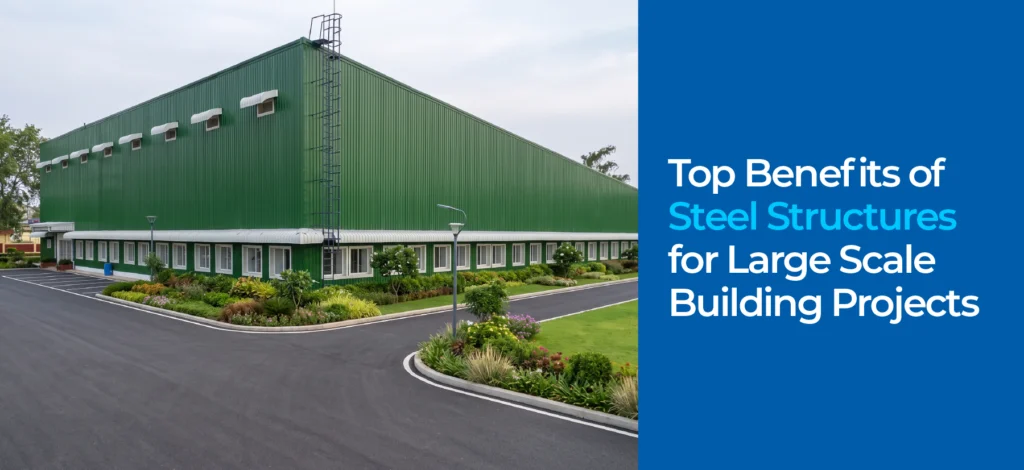
Top Benefits of Steel Structures for Large Scale Building Projects

Large building projects need strong planning, reliable materials and a construction method that can handle heavy use. Whether the project is a warehouse, factory, shopping centre or industrial unit the structure must remain safe for years. The Benefits of Steel Structures make steel a practical choice because it offers strength, speed, flexibility and better use of space. It also helps project owners manage future expansion, reduce construction difficulties and create buildings that can meet changing industrial and commercial needs over time. Key Benefits of Steel Structures for Large Scale Construction Projects High Strength for Heavy Loads One of the main Benefits of Steel Structures is their ability to carry heavy loads without needing very thick walls or large supports. Steel has a high strength to weight ratio, which means it can provide strong support while keeping the complete structure lighter. This is useful for factories, warehouses, bridges and multi storey buildings where heavy equipment may be placed inside. A lighter frame can also reduce pressure on the foundation. When properly designed, steel can handle wind, movement and other forces that may affect a large building. Faster Construction Process Time is a major concern in any large building project. Delays can raise labour costs and affect business plans. Another of the Benefits of Steel Structures is that many parts can be made in a controlled factory before reaching the site. Once the parts arrive, workers can join and install them quickly. This reduces cutting, shaping and wet work at the construction site. The process becomes more organised, with fewer delays. Faster construction also allows the owner to start using the building earlier. Better Use of Open Space Large industrial and commercial buildings often need wide, open areas. Too many columns can block movement, limit storage and make it difficult to install machines. The Benefits of Steel Structures include the ability to create long spans with fewer internal supports. This gives planners more freedom to design open floor areas. Warehouses can store more goods, factories can arrange machines easily and event spaces can hold larger crowds. It also becomes simpler to move forklifts, vehicles and equipment inside the building. Flexible Design Options Every project has different needs. Some buildings need tall ceilings, while others require extra floors, loading bays, cranes or special roofing. The Benefits of Steel Structures also include greater design flexibility. Steel can be shaped and connected in many ways. It supports simple, modern or complex building designs. Extra sections can often be added later if the business grows. Walls, floors and roof systems may also be changed more easily than in many traditional buildings. Long Term Durability A large building is a major investment, so it must remain strong for a long time. Steel does not crack, shrink or twist in the same way as some other materials. With proper coating, painting and regular care, it can resist moisture, rust, pests and harsh weather. Steel frames can support a building for many years when inspections and maintenance are completed on time. They are also not damaged by termites, which can be a serious problem in buildings that use a large amount of wood. Lower Construction Waste Large projects can create a great deal of waste. Extra material, broken pieces and site errors may increase costs and make the work area harder to manage. Steel parts are usually produced according to exact measurements, reducing unnecessary cutting. One of the practical Benefits of Steel Structures is that leftover steel can often be reused or recycled. Factory production also improves accuracy. Fewer mistakes mean less material is thrown away. This keeps the site cleaner and helps the construction team use resources carefully. Easier Maintenance and Future Changes Business needs rarely stay the same forever. A warehouse may need more storage or a factory may add a new production line. Steel buildings can often be extended or changed without pulling down the complete structure. The Benefits of Steel Structures include easier repair, replacement and expansion. Damaged parts can often be checked and replaced separately. New floors, doors, wall panels or roof sections may also be added with proper planning. This can save time and money when the building needs to grow. Improved Cost Control The starting price of steel may change with the market but the complete project cost depends on more than the material price. Faster assembly, lower labour needs, less waste, lighter foundations and shorter timelines can support better cost control. Steel also offers more predictable quality because many parts are made under controlled conditions. This reduces sudden changes at the site. For large projects, careful planning can stop small problems from becoming expensive delays. Suitable for Different Projects Steel can meet the needs of many industries. It works well for warehouses, manufacturing plants, cold storage units, aircraft hangars, sports halls, commercial centres and transport buildings. It can support large doors, heavy cranes, high roofs and wide open areas. Different wall and roof systems can be added based on insulation, ventilation and weather needs. This makes steel a dependable choice for simple and specialised projects. Careful planning also helps the building meet present needs while leaving enough room for future changes, equipment and business growth. Conclusion The Benefits of Steel Structures go far beyond basic strength. Steel supports faster construction, open spaces, flexible designs, easier expansion, lower waste and long term value. For businesses planning large industrial or commercial projects, choosing the right construction partner is just as important as choosing the material. A carefully designed steel building can support daily operations, future growth and better space use while helping the project remain practical, dependable and easier to manage. Willus Infrastructure provides practical solutions for prefab steel buildings, helping clients create strong, efficient and future ready spaces.
steel roofing benefits
Uncategorized

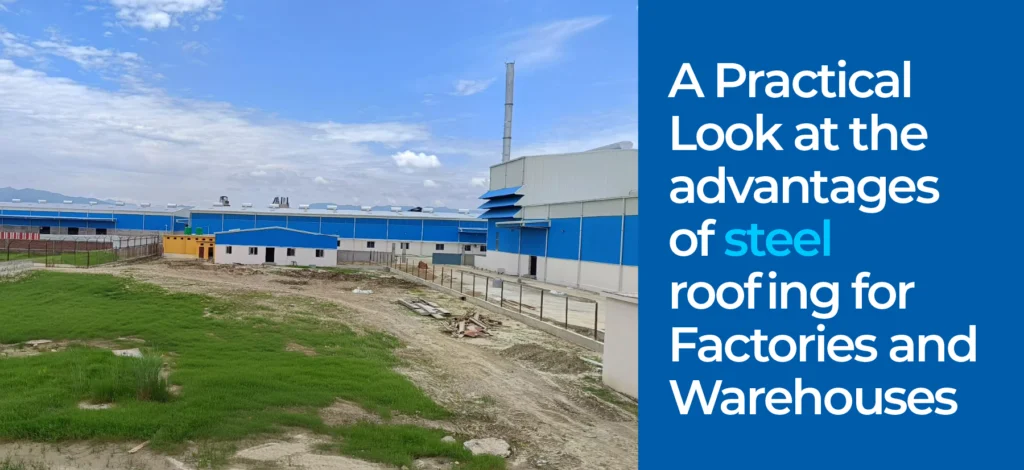
A Practical Look at the advantages of steel roofing for Factories and Warehouses

Factories and warehouses need roofs that can handle daily pressure. These buildings deal with heat, dust, machines, loading work and changing weather. A weak roof can create leaks, repair costs, safety risks and work delays. That is why many business owners look closely at the advantages of steel roofing before planning an industrial building. Steel roofing is strong, clean and practical. It suits large spaces where long life and low maintenance matter. It also works well with modern PEB and steel structure systems. Let us understand why it is becoming a common choice for factories, warehouses, workshops and storage units. Key Advantages of Steel Roofing for Factories and Warehouses Strong Protection for Large Buildings One of the main advantages of steel roofing is strength. Industrial buildings need a roof that can stay firm during rain, wind, heat and regular wear. Steel roofing gives steady cover over large spaces without putting too much load on the structure. In factories, machines may create vibration and heat. In warehouses, goods may need dry and safe storage. A strong roof protects the building the people inside and the materials stored there. It may sound simple but a reliable roof can save a business from many headaches. Long Life with Less Trouble Every business wants a roof that lasts. No one wants to stop work again and again because of leakage or damage. Steel roofing is known for its long service life when it is designed, installed and maintained properly. This is one of the practical advantages of steel roofing because it reduces frequent replacement. For a factory or warehouse even a small repair can disturb work. If workers need to move stock or stop machines because of roof issues, time and money both get wasted. Faster Installation for Industrial Projects Time is a big factor in industrial construction. A delayed building means delayed production, delayed storage and delayed business plans. Steel roofing can be installed faster than many traditional roofing options because the panels are usually pre made and easier to fit on site. This speed is one of the useful advantages of steel roofing for factories and warehouses. It supports quicker project completion, especially when used with pre engineered building systems. Faster work does not mean careless work, though. Correct measurement, skilled labour and proper fixing still matter. Better Safety for Stored Goods Warehouses often store products that must stay dry and protected. These may include raw materials, packed goods, machinery parts or finished products. A leaking roof can spoil stock and create losses that are hard to ignore. Among the advantages of steel roofing, weather protection is a major one. Good quality steel roofing can resist rain, sunlight and changing weather conditions. With proper insulation, ventilation and drainage, it can also help maintain a better indoor environment. This makes the space safer for long term storage. Low Maintenance for Busy Operations Factory and warehouse owners already have many things to handle. They have workers, machines, stock, transport, safety rules and daily targets. Roof maintenance should not become a regular headache. Steel roofing needs simple care compared to many other materials. Regular checking, cleaning gutters, checking fasteners and fixing minor scratches on time can keep the roof in good shape. This is one of the most valued advantages of steel roofing because it gives peace of mind. It does not ask for too much attention if basic care is done properly. Better Indoor Comfort Industrial buildings can become very hot, especially in Indian weather. Heat inside a factory affects workers, machines and stored goods. Steel roofing can be planned with insulation, reflective coating, skylights and proper ventilation to improve comfort. A smart roof design can support better temperature control. The result depends on the building design, location, insulation and usage. Still, with the right setup the inside space can feel more workable. Clean Look and Flexible Design A factory or warehouse should not only be strong. It should also look organised and professional. Steel roofing gives a neat and modern appearance. It can match different building sizes, slopes, spans and industrial needs. This flexibility is one of the clear advantages of steel roofing for growing businesses. If the building needs future expansion, steel systems can often be planned in a way that supports changes. For companies that may add more storage or production space later, this matters a lot. Cost Value Over Time At first, some people look only at the starting cost. But industrial roofing should be judged by long term value. A cheaper roof may cost more later if it needs frequent repairs, causes water damage or reduces working comfort. The real advantages of steel roofing become clear when we look at durability, speed, safety, low maintenance and design flexibility together. It is not just a roofing material. It is part of the full building system. For factories and warehouses, that makes a big difference. Things to Keep in Mind Before Choosing Steel Roofing Steel roofing works best when the planning is correct. The roof slope, drainage, insulation, sheet thickness, coating, fasteners and wind load design should be chosen carefully. A small mistake in design or fitting can create trouble later. Business owners should work with experienced professionals who understand industrial buildings. The goal is not only to put sheets on top. The goal is to create a safe, lasting and practical roof that supports daily operations. Conclusion For factories and warehouses, a roof is more than a cover. It protects people, goods, machines and business flow. Steel roofing is a strong choice for businesses that want durability, speed, safety, low maintenance and flexible design. With the right planning, it can support safer and smoother industrial operations. Willus Infrastructure helps businesses build reliable steel based industrial spaces with practical design, quality execution and the support expected from experienced Steel Structure Manufacturers.

prefab building manufacturer
Uncategorized

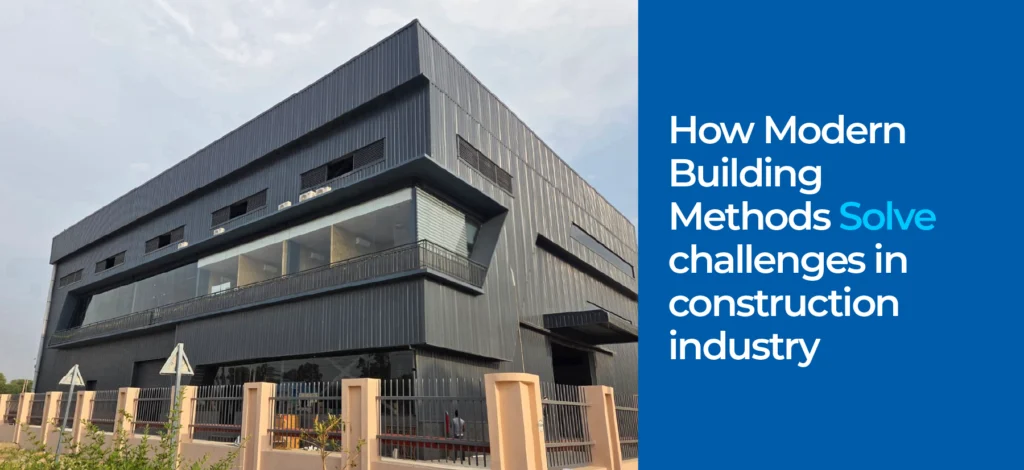
How Modern Building Methods Solve Challenges in the Construction Industry

The construction sector is growing fast. New factories, warehouses, offices, sheds and industrial spaces are being built in many places. But construction work is not always easy. Many projects face delays, high costs, labour issues, material waste and poor planning. These are some common challenges in the construction industry today. Businesses want buildings that are strong, fast to build and easy to manage. Old methods are still used but they may take more time in many projects. Modern building methods help solve many of these problems. They make construction more planned, faster and cleaner. They also help businesses save time and reduce stress during the project. What Are Modern Building Methods? Modern building methods use better planning, better designs, machines and ready made building parts. These methods are used to build factories, warehouses, sheds, storage units and commercial buildings. In old methods, most work is done at the site. This can take more time. In modern methods, many parts are made before they reach the site. Then these parts are taken to the site and fixed together. This helps solve many challenges in construction industry because the work becomes more organised and less confusing. How Modern Building Methods Help Overcome Construction Industry Challenges Faster Project Completion Delay is one of the biggest problems in construction. When a project is late the business also gets affected. A factory may not start on time. A warehouse may not be ready to store goods. A company may lose money because the building is still not complete. Modern building methods help reduce delay. Ready made parts, clear designs and planned work help speed up the project. This is very helpful for business buildings. When the building is ready faster, work can also start sooner. Better Planning from the Start Poor planning can create many problems. Wrong measurements, unclear drawings, late material delivery and design changes can slow down the work. Modern methods focus on planning before the project starts. The size, structure, material, roof, walls and work steps are decided early. This reduces confusion at the site. It also reduces last minute changes. Better planning helps manage challenges in construction industry because everyone knows what needs to be done. Less Material Waste Material waste is a common issue in construction. Cement, steel, bricks, sheets and other materials can be wasted due to wrong cutting, poor storage or poor planning. Modern methods help reduce waste. Many parts are made with proper sizes. This means less cutting and fewer mistakes at the site. Less waste means less extra cost. It also keeps the site cleaner and safer. This is good for both the business and the workers. Better Cost Control Construction cost can increase quickly. Labour cost, material cost, transport cost, repair cost and delay cost can all affect the budget. Modern building methods help control cost. When the design is clear the material need is clear too. This helps avoid extra buying and unwanted spending. Cost control is one of the main challenges in construction industry. Modern methods make the project easier to plan and manage. Less Dependence on Labour Labour shortage can delay construction. Sometimes skilled workers are not available on time. Sometimes labour cost becomes high. Sometimes too many workers at one site can create confusion. Modern building methods reduce this problem. Since many parts are already made, less manual work is needed at the site. Workers can focus on placing, fixing, checking and finishing. This helps save time and makes labour use more organised. Stronger and Safer Buildings A building must be strong and safe. Industrial and commercial buildings must support machines, workers, goods and daily movement. They must also handle weather and regular use. Modern methods use planned designs and good materials. Steel structures and prefabricated parts can make buildings strong and stable. This helps solve challenges in construction industry related to safety and quality. A strong building is useful for many years. Better Use of Space Space is very important in business buildings. Factories and warehouses need open areas, proper height, loading space, storage space and easy movement. Modern building methods allow better space planning. Buildings can be designed as per business needs. Wide spaces and proper layouts can make daily work easier. This helps businesses use land better. A good layout can also save time every day. Easier Future Expansion Many businesses grow with time. A small warehouse may need more storage later. A factory may need another section. A commercial unit may need more work area. Traditional buildings can be hard to expand. Modern systems can be planned for future growth. In many cases, extra sections can be added later. This helps reduce future challenges in construction industry because the building can support business growth. Better Site Safety Construction sites can be risky. There can be open material, sharp tools, dust, waste and heavy movement. If the site is not organised, accidents can happen. Modern methods make the site cleaner. Since many parts are already prepared there is less cutting, less waste and less crowding. This helps improve safety for workers. It also makes the site easier to manage. Better Quality Control Poor quality can create problems later. Weak joints, wrong measurements, bad finishing and poor material use can lead to repair costs. Modern construction gives better quality control. Many parts are made in a controlled setup before reaching the site. This helps keep the size, shape and quality more accurate. Better quality control helps reduce challenges in construction industry linked to repair, rework and long term building problems. Why Businesses Prefer Modern Building Methods Businesses want buildings that are strong, fast, safe and cost effective. They do not want long delays and unclear expenses. Modern methods support these needs. They make construction more planned and easier to manage. They also help reduce waste and save time. For factories, warehouses, industrial sheds and commercial buildings these methods offer many benefits. They give speed, strength and flexibility together. Conclusion Modern building methods are helping solve many challenges in

PEB Building Manufacturer
Uncategorized

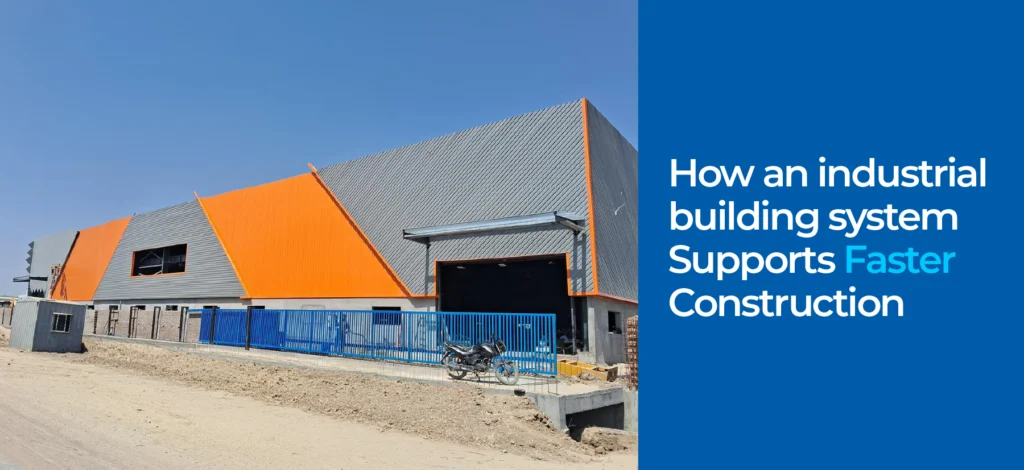
How an industrial building system Supports Faster Construction

Construction speed is very important for industrial projects. A factory, warehouse, storage unit or workshop cannot wait for too long. When construction is delayed, business work also gets delayed. Machines cannot be placed. Goods cannot be stored. Workers cannot start work on time. An industrial building system helps complete construction faster. It uses a planned method. Many parts of the building are made before they reach the site. These parts are then brought to the site and joined together. This saves time. It also makes the work more organised. For businesses, faster construction means work can start sooner. What Is an Industrial Building System? An industrial building system is a planned way to build industrial spaces. It uses steel frames, columns, beams, roof panels, wall panels and other building parts. Many of these parts are made in advance. They are made as per the design and size of the project. After that, they are sent to the construction site. At the site, workers join these parts together. This makes construction faster and cleaner. This method is used for factories, warehouses, sheds, workshops, cold storage spaces and logistics buildings. How an Industrial Building System Helps Speed Up Construction Better Planning from the Start Good planning helps save time. If the plan is not clear, the work becomes slow. Workers may wait for materials. Designs may change again and again. Extra work may increase the project time. An industrial building system helps because the plan is made before the site work starts. The size, height, structure, roof, walls and entry points are decided early. This helps everyone understand the work clearly. The team knows what to do and when to do it. This reduces confusion and helps the project move faster. Pre Made Parts Save Time One big reason for faster construction is the use of pre made parts. In normal construction, many things are made slowly at the site. This takes more time and more labour. In this system, many parts are already made before they come to the site. Steel frames, beams, columns, roof panels and wall panels can be prepared in advance. This is why an industrial building system saves time. Workers do not need to make everything from the beginning at the site. They can start fixing the parts as per the plan. Less Work at the Site Site work can face many problems. Bad weather, labour shortage, material delay and poor planning can slow down construction. An industrial building system reduces these problems. Most parts are already ready before reaching the site. The site team mainly needs to place, fix and join the parts. This makes the work simple. It also reduces mistakes. When site work is less, the project can move faster. Easy Installation Process Industrial buildings are often large. They need strong structures. If everything is built from the start at the site, it can take a lot of time. With a planned system, installation becomes easier. The parts are made to fit together. Workers follow the design and join each part step by step. An industrial building system helps because the parts come with proper sizes. Workers do not need to spend too much time cutting, changing or adjusting parts at the site. This makes installation faster and smoother. Better Use of Labour Labour plays a big role in construction. But labour should be used in the right way. If workers do not know their tasks clearly, work becomes slow. With a planned system, each team knows its work. Some workers unload materials. Some fix columns. Some install roof panels. Some complete finishing work. An industrial building system helps divide the work clearly. This saves time. It also helps workers do their jobs better. When the labour is used properly, the project becomes faster and more organised. Less Material Waste Material waste can create delays. If material is cut wrongly, new material may be needed. If material is not enough, work may stop. If too much material is wasted, cost also increases. This system helps reduce waste. The parts are made with proper measurements. The material is used as per the design. This keeps the site cleaner. It also reduces mistakes. Less waste means less delay and better project control. Strong Building in Less Time Fast construction should not mean weak construction. A business building must be strong. It should support machines, goods, workers and daily work. An industrial building system gives both speed and strength. Steel structures are strong. They can be used for large spaces and heavy work. This is helpful for factories and warehouses. These buildings need strength but they also need fast completion. Useful for Future Growth Many businesses grow with time. A factory may need more production space. A warehouse may need more storage. A logistics business may need more loading area. A good building system can support future changes. Extra space can be planned from the beginning. In many cases, new sections can be added later. An industrial building system is useful not only for current needs. It can also help the business grow in the future. Better Project Control Every business wants control over time and cost. A delayed project can create stress and extra expense. A planned building system gives better control. The design, material, delivery and installation are managed step by step. This helps the business owner understand the project progress. It also reduces sudden problems. With better control, construction becomes faster and smoother. Conclusion An industrial building system supports faster construction by improving planning, using pre made parts, reducing site work, saving labour time and lowering material waste. It helps businesses build factories, warehouses, sheds and industrial spaces in less time. It also supports future growth and better project control. Businesses looking for a trusted PEB Building Manufacturer in India can choose Willus Infrastructure for strong, fast and well planned industrial building solutions. Frequently Asked Questions 1. What is an industrial building system? An industrial building system is a planned way to build

pre engineered building manufacturer
Uncategorized

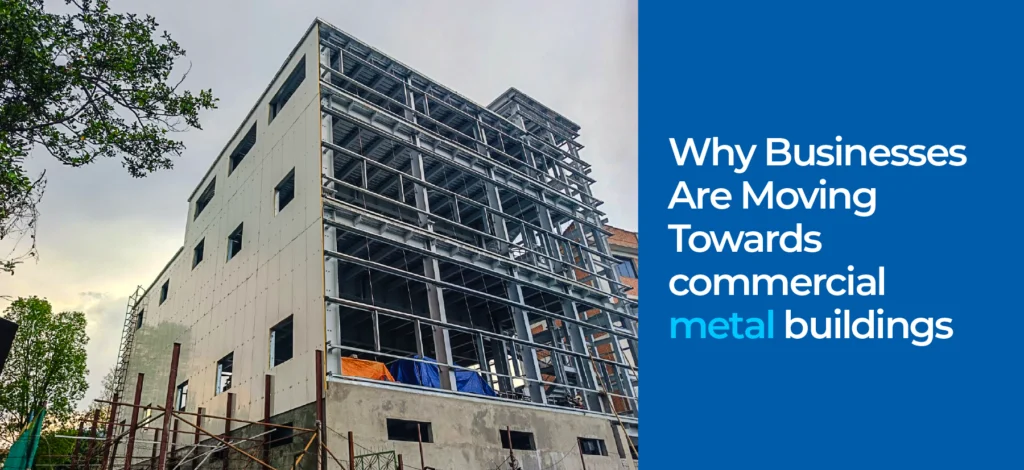
Why Businesses Are Moving Towards Commercial Metal Buildings

Business buildings are changing. Earlier, many companies used brick, cement and concrete for factories, warehouses and offices. These methods are still used. But they can take more time, more labour and more planning. Today, many businesses want faster and stronger buildings. They also want buildings that can be changed when the business grows. This is one main reason why commercial metal buildings are becoming popular. These buildings are used for factories, warehouses, storage units, showrooms, workshops and logistics spaces. They are strong, simple and useful for many business needs. What Are Commercial Metal Buildings? Commercial metal buildings are buildings made mainly with steel or metal frames. Many parts are made before they reach the site. Then these parts are taken to the site and fixed together. This makes the construction process faster and more organised. The building can be made as per business needs. It can be small or large. It can be simple or modern. These buildings can be used for storage, production, office work, retail space, cold storage and many other uses. This makes them a practical choice for many businesses. Why More Businesses Are Choosing Commercial Metal Buildings Faster Construction Saves Time Time is very important for every business. If construction is delayed the business work also gets delayed. A factory may not start on time. A warehouse may not be ready for goods. This can affect money and planning. Commercial metal buildings can be built faster because many parts are prepared in advance. Once the parts reach the site, workers can put them together in a planned way. This helps the business start work sooner. It also reduces long waiting time. For business owners, faster construction means better control over time and cost. Strong and Long Lasting Buildings A business building must be strong. It should support machines, goods, workers and daily movement. It should also handle weather and regular use. Steel is known for strength. It can support large spaces and heavy use. This is why commercial metal buildings are useful for factories, warehouses and industrial units. These buildings can also be made with fewer columns inside. This gives more open space. It helps in moving goods, placing machines and using the area better. Flexible Design for Business Growth A business may grow with time. It may need more space later. A factory may need more production area. A warehouse may need more storage. A showroom may need a bigger display area. Commercial metal buildings can be planned with future growth in mind. In many cases, extra sections can be added later. The layout can also be made according to the work need. This makes these buildings helpful for growing businesses. They do not feel fixed or limited. They give more freedom for future plans. Better Use of Space Space is very important in commercial projects. Every area should be useful. A badly planned building can waste space and make work slow. Metal buildings can give wide and open spaces. This helps workers move easily. It also helps in keeping goods, machines and tools in the right way. Many businesses choose commercial metal buildings because they help use space better. The building can be planned for storage, loading, production, office or service areas. This makes daily work smoother. Better Control on Cost Construction cost is a major concern for every business. Owners want a strong building but they also want to control the budget. Traditional construction can sometimes lead to extra material waste and labour cost. Metal buildings are planned with proper measurements. Many parts are made as per design. This reduces waste and errors. Commercial metal buildings can also help reduce long term repair costs when good materials are used. A strong structure needs less repair. This is good for business planning. Low Maintenance A business building should not need repair again and again. Regular cracks, leaks and damage can become costly. They can also disturb work. Metal buildings are easier to maintain when they are built properly. Good roofing, wall panels, coating and insulation can help protect the structure. This does not mean there is no maintenance at all. Every building needs care. But metal buildings are usually easier to manage. This is useful for busy business owners. Useful for Many Industries Metal buildings are not only for factories. They can be used in many industries. They are useful for warehouses, cold storage units, workshops, retail spaces, offices, logistics centres and production units. A food company, auto company, textile company, e commerce brand or storage business can use them. The design can change as per the work. This is why commercial metal buildings are becoming a common choice. They are not limited to one type of business. They can support many different needs. Better Planning and Safety Safety is very important in every business space. A building should be strong, stable and safe for workers. It should have proper entry, exit, height, light, air and movement space. Metal buildings can be planned properly before construction starts. The roof height, loading area, doors, windows and inside layout can be decided in advance. This makes the project more organised. It also helps create a safer and better working space for people. Good Choice for Modern Business Modern businesses need speed, strength and flexibility. They need buildings that can support work today and growth tomorrow. A company may need a warehouse now. Later, it may need more storage or production space. A metal building can support such changes better than many fixed structures. That is why commercial metal buildings are now seen as a smart option. They are simple, strong and useful for business growth. Conclusion Businesses are moving towards metal buildings because they are fast to build, strong, flexible and useful for many industries. They help save time, use space better, reduce waste and support future growth. For factories, warehouses, commercial units and industrial projects they offer real value. Companies looking for trusted support from Pre Engineered Buildings Manufacturers in India can choose Willus

Willus Infra insulated sandwich panels
Uncategorized

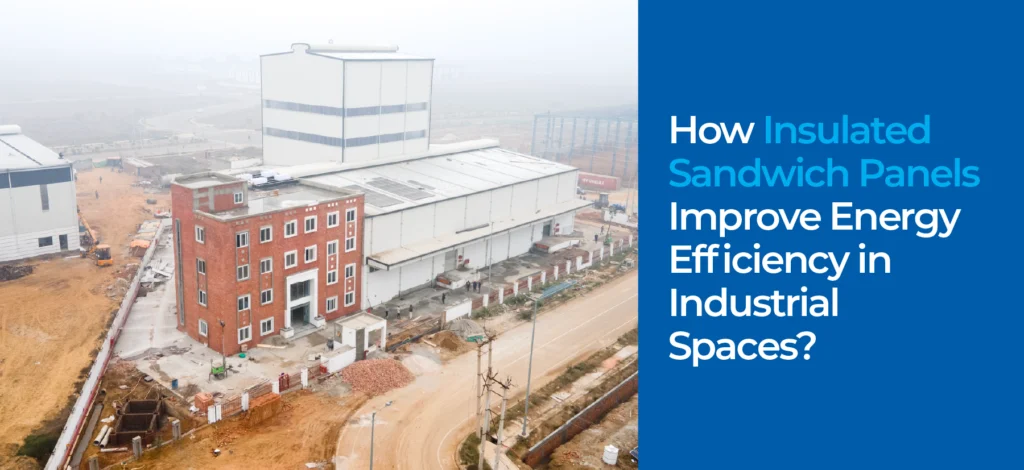
How Insulated Sandwich Panels Improve Energy Efficiency in Industrial Spaces

Industrial buildings need good insulation to control heat inside. Factories, warehouses and storage units often face heat from outside. This increases energy use and cost. Insulated Sandwich Panels help solve this problem simply. These panels reduce heat movement between inside and outside. With Insulated Sandwich Panels, buildings stay cooler in summer and warmer in winter. This reduces the need for heavy cooling and heating systems. It also helps in saving electricity and managing energy better. Proper insulation makes buildings more efficient and easy to manage. How Insulated Sandwich Panels Help Save Energy in Industrial Spaces Strong Thermal Insulation The main benefit of Insulated Sandwich Panels is strong insulation. These panels are made in layers that stop heat from passing through easily. This keeps the indoor temperature stable for a longer time. Industrial spaces need stable temperature for machines and stored goods. Insulated Sandwich Panels help in reducing the effect of outside weather. This means less energy is needed to keep the space at the right temperature. It also protects materials and equipment from damage caused by heat changes. Lower Energy Consumption Energy cost is very important for any industry. Buildings without insulation use more electricity for cooling and heating. Insulated Sandwich Panels help in reducing this energy use. They stop extra heat from entering and prevent heat from escaping. This reduces the load on cooling and heating systems. With Insulated Sandwich Panels, machines run less and save power. This helps in lowering electricity bills and improving energy efficiency over time. Faster Temperature Control Many industrial processes need quick temperature control. Insulated Sandwich Panels help in reaching the desired temperature faster. Since heat transfer is low, cooling and heating systems work more quickly.  This helps in saving time and energy. With Insulated Sandwich Panels, buildings can maintain steady temperature without extra effort.  This improves work flow and supports smooth daily operations in industrial spaces. Reduced Heat Loss and Heat Gain Heat loss in winter and heat gain in summer increase energy use. Insulated Sandwich Panels help in reducing both problems. These panels act like a barrier between inside and outside. They block unwanted heat movement. With Insulated Sandwich Panels, buildings stay more stable in all weather conditions. This helps in reducing energy use and keeping indoor conditions better throughout the year. Useful for Cold Storage and Controlled Areas Many industries need spaces where temperature must stay fixed. Insulated Sandwich Panels are useful for such areas like cold storage and food units. They help in keeping low temperature for storing products safely. A single Sandwich Panel gives strong insulation and tight sealing. With Insulated Sandwich Panels, cooling systems work better and use less energy. This helps in keeping goods safe for a longer time. Improves Indoor Working Conditions Temperature inside a building affects workers. Too much heat or cold can reduce work quality. Insulated Sandwich Panels help in creating a better working environment. They keep indoor temperature stable and comfortable. Workers can focus better and work safely. Insulated Sandwich Panels also reduce outside noise to some level. This makes the space quieter and more suitable for daily work activities. Long Term Cost Benefits The cost of installing insulation may feel high at first. But it helps in saving money later. Insulated Sandwich Panels reduce energy bills and repair costs. Buildings without proper insulation need more maintenance and energy use. With Insulated Sandwich Panels, these costs are reduced. Over time, businesses save money and improve performance. It also helps in better planning of expenses and reduces unexpected losses. Easy Installation and Low Maintenance Industrial projects need fast construction. Insulated Sandwich Panels are easy to install and save time. They come ready for use, which makes installation simple. Insulated Sandwich Panels also need less maintenance because they are strong and durable. This reduces repair work after construction. It helps businesses save time and effort in both building and maintenance stages. Suitable for Modern Industrial Construction Modern industries need smart and simple building solutions. Insulated Sandwich Panels meet these needs by offering insulation and strength together. They are used in factories, warehouses and storage buildings. Insulated Sandwich Panels help in saving energy and improving building performance. They are a good choice for industries that want efficient and long lasting structures for their operations. Conclusion Energy saving is very important for industrial buildings. Insulated Sandwich Panels help in reducing energy use and keeping temperature under control. They improve building performance and support better daily operations. For strong and efficient structures, working with a trusted PEB Building Manufacturer in India is important. Willus Infrastructure can provide reliable industrial solutions using insulated panels for better energy efficiency and long term use. Frequently Asked Questions  What are Insulated Sandwich Panels used for? Insulated Sandwich Panels are used for walls and roofs in industrial buildings. They help control temperature inside and protect the structure from heat, cold and outside weather conditions. How do Insulated Sandwich Panels save energy? Insulated Sandwich Panels reduce heat transfer between inside and outside. This helps cooling and heating systems work less, which lowers electricity use and improves overall energy efficiency in buildings. Are Insulated Sandwich Panels suitable for all industries? Yes, Insulated Sandwich Panels are used in factories, warehouses, cold storage and food processing units. They are useful in any space where temperature control and insulation are required. Do Insulated Sandwich Panels require high maintenance? No, Insulated Sandwich Panels need very little maintenance. They are strong, durable and designed to last long, which reduces repair costs and effort over time. Why are Insulated Sandwich Panels better than traditional materials? Insulated Sandwich Panels provide better insulation, faster installation and lower energy use compared to traditional materials. They help improve building performance and reduce long term operational costs.

Cold Storage Facilities
Uncategorized

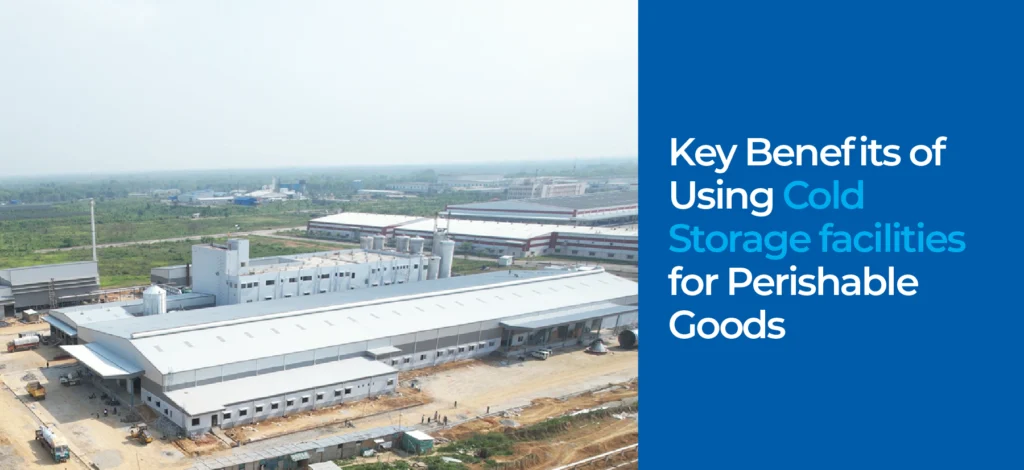
Key Benefits of Using Cold Storage Facilities for Perishable Goods

Perishable goods need safe and proper storage. Items like fruits, vegetables, milk products, meat and medicines can spoil very fast if they are not kept at the right temperature. This is why Cold Storage facilities are very important today. Many industries now depend on Cold Storage facilities to keep their goods fresh and safe. These storage systems help in slowing down spoilage.  They also help in better planning of supply and demand. Good storage is not only about safety. It also helps in smooth business operations and better control of stock. It makes handling of goods easier at every stage. How Cold Storage Facilities Help Preserve Perishable Goods? Longer Shelf Life of Products One key benefit of Cold Storage facilities is longer shelf life. When goods are stored at the correct temperature they stay fresh for more time. This helps in keeping products usable for a longer period. For example, fruits and vegetables can stay fresh for many days when stored well. Without Cold Storage facilities these items can spoil quickly. This leads to loss for farmers and sellers. With proper storage, businesses can sell goods at the right time. It also helps in better use of stock without hurry. Reduction in Food Waste Food waste is a big problem. Many food items get damaged before reaching the market. Cold Storage facilities help in reducing this waste by keeping goods safe. They allow farmers and suppliers to store extra goods during high production time. These goods can be sold later when needed. With the help of Cold Storage facilities, less food gets wasted. This also helps in saving money and improving supply. It supports better use of resources and reduces loss at different levels. Maintains Product Quality Quality is very important for all products. Cold Storage facilities help in keeping the quality of goods the same for a longer time. Correct temperature keeps the taste, texture and nutrients of food safe. Medicines also stay effective when stored properly. Without Cold Storage facilities, products can lose their quality very fast. This can lead to damage, rejection and loss of trust. Good storage helps businesses deliver safe and fresh products every time. Supports Efficient Supply Chain A strong supply chain needs good storage support. Cold Storage facilities help in storing goods until they are ready for transport or sale. This is helpful when there are delays in delivery or changes in demand. With Cold Storage facilities, goods can stay safe until they are needed. This helps in smooth movement of products from one place to another. It also improves coordination between suppliers and sellers and reduces pressure during busy times. Availability of Seasonal Products Some products are only available in certain seasons. But people need them throughout the year. Cold Storage facilities help in storing these goods for later use. Farmers can store their crops after harvest and sell them slowly in the market. This ensures steady supply. Cold Storage facilities also help in keeping prices stable. It prevents sudden drops in price during high supply and avoids shortage when production is low. This helps both farmers and buyers. Cost Efficiency Over Time Setting up storage may need investment at the start. But it helps in saving money over time. Businesses face less loss and manage stock better. Modern Cold Storage Construction uses better materials and systems that save energy. This reduces running costs. With proper use, Cold Storage facilities help in long term savings. It also reduces the need to buy goods again due to spoilage. This improves overall business profit and reduces unwanted expenses. Useful for Multiple Industries Many industries use Cold Storage facilities for safe storage of goods. These systems are useful in different sectors where temperature control is needed. Agriculture uses them for fruits and vegetables Dairy uses them for milk and products Pharma uses them for medicines Seafood uses them for storage and transport This shows that Cold Storage facilities are important for many businesses. They help in safe storage and smooth supply across industries of different sizes. Supports Business Growth Businesses that use proper storage systems can grow easily. Cold Storage facilities help in handling large amounts of goods without damage. They also help businesses enter new markets. Goods can be stored and transported safely over long distances. With Cold Storage facilities, businesses can plan better and grow with confidence. It also helps in building strong customer trust and improving service quality over time. Ensures Safety and Compliance There are rules for storing food and medical products. Cold Storage facilities help businesses follow these rules easily. They provide safe and controlled storage conditions. This reduces the risk of damage and contamination. Proper use of Cold Storage facilities ensures that products meet safety standards. It also helps during inspections and builds trust with customers and authorities. Safe storage is important for long term success. Conclusion The need for proper storage is increasing every day. Cold Storage facilities help in reducing waste, keeping quality and supporting smooth supply. They are important for all businesses that deal with perishable goods. For strong and reliable storage systems, working with a trusted PEB Building Manufacturer in India is important.  Our team at Willus Infrastructure can support the development of modern and efficient cold storage solutions for different business needs with the right planning and design. Frequently Asked Questions  What are Cold Storage facilities used for? Cold Storage facilities are used to store perishable goods like fruits, vegetables, dairy, meat and medicines. They keep products at low temperatures to prevent spoilage and maintain quality longer. How do Cold Storage facilities help reduce food waste? Cold Storage facilities slow down spoilage by controlling temperature. This helps store excess food safely and allows businesses to sell products later instead of losing them due to damage. Which industries need Cold Storage facilities the most? Industries like agriculture, dairy, pharmaceuticals, seafood and food processing need Cold Storage facilities. These industries handle perishable goods that require proper temperature control to maintain safety and quality. Are Cold

Willus Infra PEB
Uncategorized

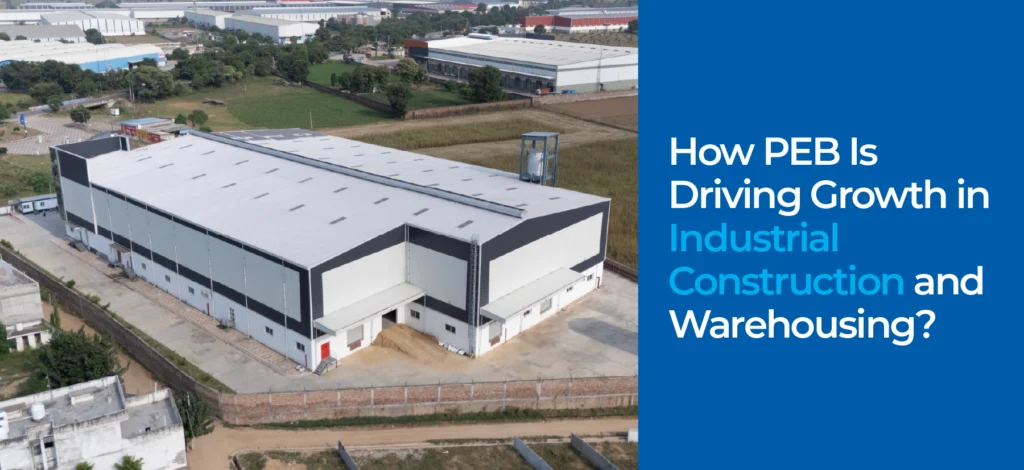
How PEB Is Driving Growth in Industrial Construction and Warehousing

Industries need buildings that can be made quickly and used without delay. Many companies need storage units, factories and work spaces in a short time. PEB systems are helping in this change in Industrial Construction. They make the building process faster and simpler. In this method, building parts are made in a factory and then joined at the site. This reduces confusion and saves time. Speed and clear planning are very important. PEB systems help in both areas. They also help businesses start work early and avoid long waiting periods. This method also reduces site problems and improves work flow. Role of PEB in Expanding Industrial Construction and Warehousing Faster Project Completion Finishing a project on time is very important. Slow work can increase cost and delay business plans. PEB systems help in quick work in Industrial Construction and reduce project delays. All major parts are prepared before reaching the site. This makes the process smooth and fast. In Industrial Construction, quick completion helps businesses use the space early. This improves work flow and reduces delay in starting operations. It also helps in better use of labour and reduces time spent on site work. Better Control on Spending Every project needs good cost control. Traditional methods can lead to extra spending due to errors and waste. PEB systems help manage costs in Industrial Construction and reduce unnecessary expenses. The design is clear from the start, so there are fewer mistakes. This helps in saving materials and labour cost. In Industrial Construction, this means better use of money. Businesses can complete projects without going over budget. It also helps in avoiding sudden cost increase during the project work. Simple and Flexible Design Different industries need different types of spaces. PEB systems make it easy to design buildings as per need in Industrial Construction. This makes planning simple and useful. These buildings can have wide open areas or divided sections. In Industrial Construction, this makes space more useful. It also allows easy changes later if needed. This makes PEB a good option for many types of industrial use. It also supports better space planning for storage and production work. Strong Build Quality Industrial spaces must be strong and safe for daily use. PEB structures are made using steel, which gives good strength. This makes them suitable for Industrial Construction and long term use. These buildings can handle heavy weight and tough weather. In Industrial Construction, strength is important for long life. PEB structures stay stable and do not get damaged easily. This helps in smooth work without frequent issues. It also reduces the risk of damage during heavy use or harsh conditions. Helps Warehouse Expansion Storage needs are growing in many industries. PEB systems support this growth in Industrial Construction by making warehouse building easy and fast. Warehouses need large and open areas. PEB systems help create such spaces without difficulty. In Industrial Construction, this helps companies store goods safely. It also helps in better stock handling and faster delivery of products. This supports smooth supply chain operations and better management of goods. Saves Power and Energy Energy saving is important for daily operations. PEB structures help reduce energy use in Industrial Construction by improving heat control inside buildings. This reduces the need for heavy cooling systems. In Industrial Construction, less energy use means lower electricity cost. It also helps in keeping the work space more comfortable for daily tasks. Better energy use also supports long term savings and reduces overall running cost for businesses. Less Repair Work Buildings need regular care but too much repair can increase cost. PEB systems reduce repair needs in Industrial Construction and improve building life. Steel structures stay strong for a long time and face less damage. In Industrial Construction, this means fewer repairs. Businesses can continue work without interruption. This also saves time and reduces maintenance effort over the years. It helps in smooth operations without unexpected repair work. Easy to Extend Space Business needs can grow with time. PEB structures make it easy to increase space in Industrial Construction without major effort. Extra sections can be added without major changes. In Industrial Construction, this helps businesses grow step by step. It also avoids the need to build a new structure from the beginning, which saves both time and cost. This makes future expansion simple and easy to manage for businesses. Contribution of Industrial Shed Manufacturers PEB systems are used by Industrial Shed Manufacturers to create useful and strong buildings. They plan and prepare all parts carefully before installation at the site. Their role is important in Industrial Construction. They help in delivering buildings on time and with good quality. This supports smooth project completion and ensures that the final structure meets business needs. It also helps in improving construction speed and maintaining quality standards. Conclusion PEB systems are changing how industrial buildings are made. They help in saving time, controlling cost and providing strong structures. These benefits support steady growth in Industrial Construction and warehousing needs across industries. Working with a trusted PEB Building Manufacturer in India is important for better and reliable results. Willus Infrastructure can deliver modern building solutions that support long term business growth and performance while meeting industry needs with proper planning and execution. Frequently Asked Questions  What is PEB in Industrial Construction? PEB stands for pre engineered buildings. These are factory made building parts that are assembled at the site. They are used in Industrial Construction for faster building and better cost control. Why is PEB used in Industrial Construction? PEB is used because it saves time and reduces cost. It also provides strong and reliable structures. In Industrial Construction, it helps businesses complete projects quickly and start operations earlier. Is PEB suitable for warehouses? Yes, PEB is very suitable for warehouses. It provides large open spaces and strong structures. In Industrial Construction, it helps in building storage units quickly and managing goods efficiently. Do PEB buildings need regular maintenance? PEB buildings need less maintenance compared to traditional

Future of PEB Industry
Uncategorized

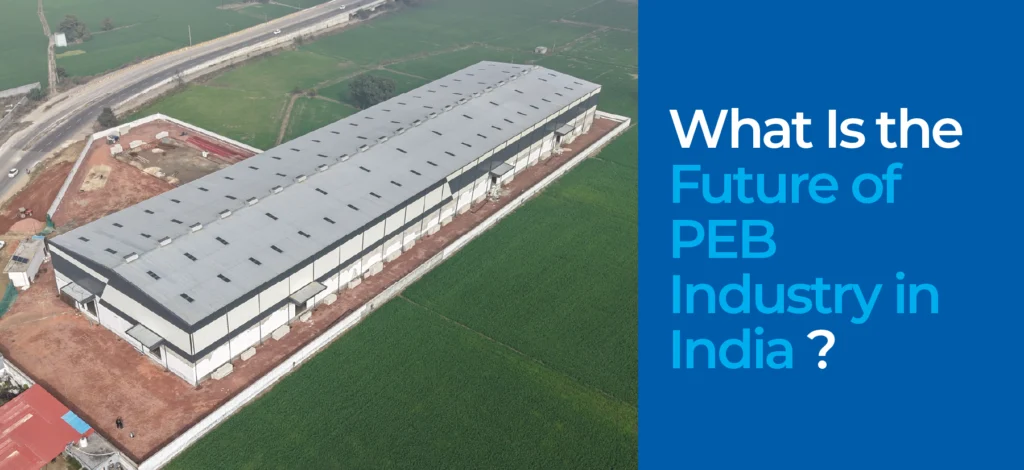
What Is the Future of PEB Industry in India

India is changing way faster you can find new factories, warehouses, airports and business parks are being built in many cities. The country needs strong and quick building systems. Because of this, many experts are studying the Future of PEB industry in India. Pre Engineered Buildings, also called PEB, are steel buildings. They are designed first. Then the parts are made in a factory. After that the parts are taken to the site and fixed together. This method saves time and reduces waste. Due to these clear benefits the Future of PEB industry in India looks strong and stable. What Does the Future Hold for the PEB Industry in India Industrial Growth Is Increasing India is focusing on manufacturing. Many companies are opening new plants. Old factories are also expanding. These factories need large buildings that are safe and strong. PEB buildings are suitable for such projects. They are built faster than traditional buildings. They are also strong enough to handle heavy machines. Industrial growth supports the Future of PEB industry in India because: Factories need large open spaces. Companies want quick construction. Businesses prefer strong steel structures. Expansion of buildings should be easy. As industries grow in different states, demand for steel buildings will rise. This growth will continue to support the Future of PEB industry in India in the coming years. Warehousing and Logistics Are Expanding Online shopping is increasing in India. Many goods are being stored and delivered every day. Because of this, warehouses are required in many locations. PEB buildings are very useful for warehouses. They provide wide spaces without many internal columns. They can also be built near highways and transport routes. The logistics sector strengthens the Future of PEB industry in India due to: Growth of e commerce companies. Expansion of transport networks. Need for modern storage spaces. Requirement for fast project completion. As supply chains grow stronger, demand for PEB buildings will also grow. This will improve the Future of PEB industry in India further. Cost and Time Benefits Construction projects often face delays. Delays increase cost. Businesses want buildings that can be completed on time and within budget. PEB systems are planned in detail before production begins. This reduces mistakes and material waste. Factory production improves quality control. The cost and time advantages support the Future of PEB industry in India in many ways: Faster construction process. Lower labor cost at the site. Better control over steel usage. Reduced maintenance cost in the long term. Because investors prefer efficient solutions the Future of PEB industry in India remains positive and stable. Government Infrastructure Projects The government is investing in roads, railways, airports and industrial corridors. These projects require large and strong buildings. PEB systems are flexible and suitable for big projects. They can be expanded later if required. This connection with infrastructure development supports the Future of PEB industry in India. Government initiatives help through: Development of industrial zones. Promotion of manufacturing growth. Construction of new public facilities. Improvement of transport systems. As infrastructure investment increases the Future of PEB industry in India will continue to grow. Focus on Environment and Sustainability Environmental protection is becoming important in construction. Builders are choosing materials that reduce waste and support green practices. Steel used in PEB buildings can be recycled. Factory production reduces site waste. Energy efficient panels and insulation can also be added easily. Environmental benefits strengthen the Future of PEB industry in India because: Steel is reusable. Construction waste is lower. Site work is cleaner. Energy saving systems can be installed. As awareness about the environment increases the Future of PEB industry in India becomes even stronger. Use of Modern Technology Technology is improving construction methods. Engineers use software to design buildings accurately. Safety and load calculations are checked before production begins. Modern machines cut and shape steel with precision. This increases durability and strength. Technology supports the Future of PEB industry in India by: Improving structural safety. Increasing design accuracy. Reducing construction errors. Enhancing building quality. As technology improves further the Future of PEB industry in India will continue to progress. Use Across Different Sectors Earlier, PEB buildings were mainly used for industrial sheds. Today they are used in many sectors. PEB systems are now used for: Commercial showrooms. Schools and training centers. Cold storage units. Office buildings. This wide use shows trust in steel construction. When more sectors accept one method, it proves reliability. This wider acceptance strengthens the Future of PEB industry in India. Conclusion The Future of PEB industry in India is supported by industrial growth, warehouse expansion, cost efficiency, infrastructure development, environmental focus and modern technology. These factors show strong long term potential. As a reliable PEB Building Manufacturer in India, Willus Infrastructure continues to deliver quality steel building solutions that support this growing industry and meet the needs of modern India. Our team start with the proper consultation with your team to know what you actually need and provides the best and top notch services. Frequently Asked Questions 1. What is a PEB building? A PEB building is a steel structure designed in advance, manufactured in a factory and assembled quickly at site. 2. Why is the PEB industry growing in India? The industry is growing due to fast construction needs, lower costs, industrial expansion and increasing demand for warehouses. 3. Are PEB buildings strong and durable? Yes, PEB buildings are strong, durable and designed to handle heavy loads, wind pressure and harsh weather conditions. 4. Is PEB construction cost effective? PEB construction reduces material waste, saves time, lowers labor costs and provides better long term maintenance savings. 5. Can PEB buildings be expanded later? Yes, PEB structures are flexible and can be expanded or modified easily without major demolition work. 6. Is the future of the PEB industry in India promising? Yes, strong infrastructure growth, industrial demand and sustainable construction practices indicate a positive future for this industry.

Uncategorized

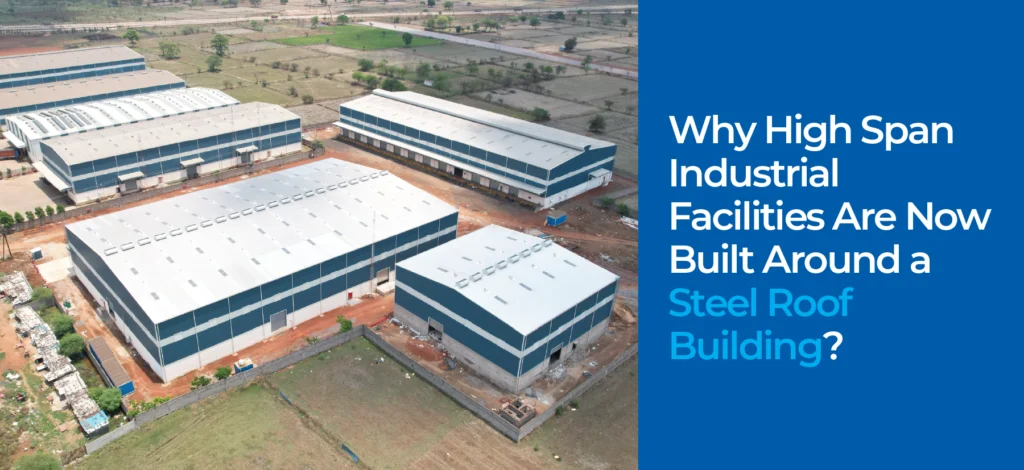
Why High Span Industrial Facilities Are Now Built Around a Steel Roof Building?

Industrial construction has changed a lot in recent years. Factories, warehouses and logistics centres now need larger spaces than before. Machines are bigger, storage systems are taller and movement inside the building must be smooth and open. Because of these needs, many developers now choose a Steel Roof Building when planning high span industrial structures. A Steel Roof Building provides wide open areas without too many columns. This design makes the building more useful for large operations. It also helps companies use their space better. Today, many modern industrial projects are designed around this type of structure. Below are some important reasons why high span industrial facilities are now built around a Steel Roof Building. Why Many High Span Industrial Facilities Use a Steel Roof Building Today? Large Open Space for Industrial Work One of the biggest benefits of a Steel Roof Building is the ability to create large open spaces. High span buildings often need wide areas without many internal supports. When fewer columns are used the floor area becomes easier to use. Heavy machines, storage racks and transport equipment can move freely inside the building. Because of this, a Steel Roof Building is a good option for warehouses, factories and large production facilities where open space is very important. Strong Structural Support Industrial buildings must handle heavy loads. Machines, stored goods and equipment all add weight to the structure. For this reason, strength is very important in construction. A Steel Roof Building is designed to handle these loads effectively. Steel frames provide strong support for wide spans and large roof systems. Engineers work carefully to design beams, columns and roof structures that remain stable under different conditions. With proper design and engineering, a Steel Roof Building can remain strong and reliable for many years. Faster Construction Process Speed is often an important factor in industrial projects. Businesses usually want their facilities ready as soon as possible so operations can begin. A Steel Roof Building can often be constructed faster than many traditional structures. Many steel parts are produced in advance and then transported to the construction site. Once these parts arrive the structure can be assembled quickly. This reduces construction time and helps companies start using their buildings sooner. Because of this advantage, many developers now prefer a Steel Roof Building when planning large industrial facilities. Efficient Use of Building Height High span buildings are designed to make use of vertical space as well as floor space. Warehouses often use tall storage systems that require strong roof support. A Steel Roof Building allows engineers to create higher roof structures without losing stability. This helps businesses install taller racks and storage units. With better use of vertical space, companies can store more goods inside the same building area. This makes the Steel Roof Building a practical choice for modern storage facilities. Lower Maintenance Requirements Maintenance is an important concern for any industrial building. Companies prefer structures that remain stable and require less repair over time. A Steel Roof Building usually requires less maintenance compared to many traditional materials. Steel is resistant to pests such as termites and does not suffer from problems like cracking or decay. Protective coatings are often applied to steel surfaces to prevent rust and corrosion. With proper care, a Steel Roof Building can remain in good condition for many years. Support from Experienced Fabricators The quality of construction depends greatly on the expertise of the companies involved in the project. Skilled professionals ensure that every part of the structure is designed and fabricated correctly. Experienced Steel Structure Manufacturers provide high quality components that meet engineering standards. Accurate fabrication ensures that beams, columns and roof systems fit together properly during construction. This precision improves the overall strength and reliability of a Steel Roof Building. Flexibility for Future Expansion Industrial businesses often grow over time. Production capacity increases, storage requirements expand and new equipment may be added. A Steel Roof Building provides flexibility for expansion. Additional sections can often be added to the structure without major changes to the original design. This flexibility makes the building suitable for companies that expect future growth. It also reduces the need for completely new construction when business operations expand. Weather Resistance and Durability Industrial buildings must perform well in different environmental conditions. Strong winds, heavy rain and temperature changes can affect poorly designed structures. A properly engineered Steel Roof Building can handle these conditions effectively. Steel structures provide strength and stability against environmental stress. With proper protective coatings and good construction practices, a Steel Roof Building can remain durable and reliable for a long time. Conclusion Modern industrial facilities require large, efficient and durable structures. Wide spans, open interiors and strong roof systems are now essential for factories and warehouses. Because of these needs, many developers choose a Steel Roof Building when planning high span industrial spaces. This type of structure offers strong support, faster construction and better use of space for large operations. Willus Infrastructure helps businesses build reliable industrial structures designed for modern needs. We have a strong engineering and advanced materials like Roof Cladding, which provide durability and efficiency for long term industrial use.

Scroll to Top