The roof is one of the most important parts of any industrial building. It protects people, machines, goods and daily work from heat, rain, dust and strong winds.
A weak roof may cause leaks, high repair costs and work delays.
Well planned Industrial roofing systems do much more than cover a building. They improve comfort, safety, energy use and the overall life of the structure.
A carefully selected roof also supports smoother operations, protects valuable equipment and helps businesses avoid unexpected problems that may interrupt production or storage activities.
How Do Quality Industrial Roofing Systems Improve Building Performance?
Better Protection From Harsh Weather
Factories, warehouses and industrial sheds face changing weather throughout the year. Heavy rain, strong sunlight, wind and dust can slowly damage a poorly built roof. Water may enter through small gaps, while heat can make the indoor space uncomfortable.
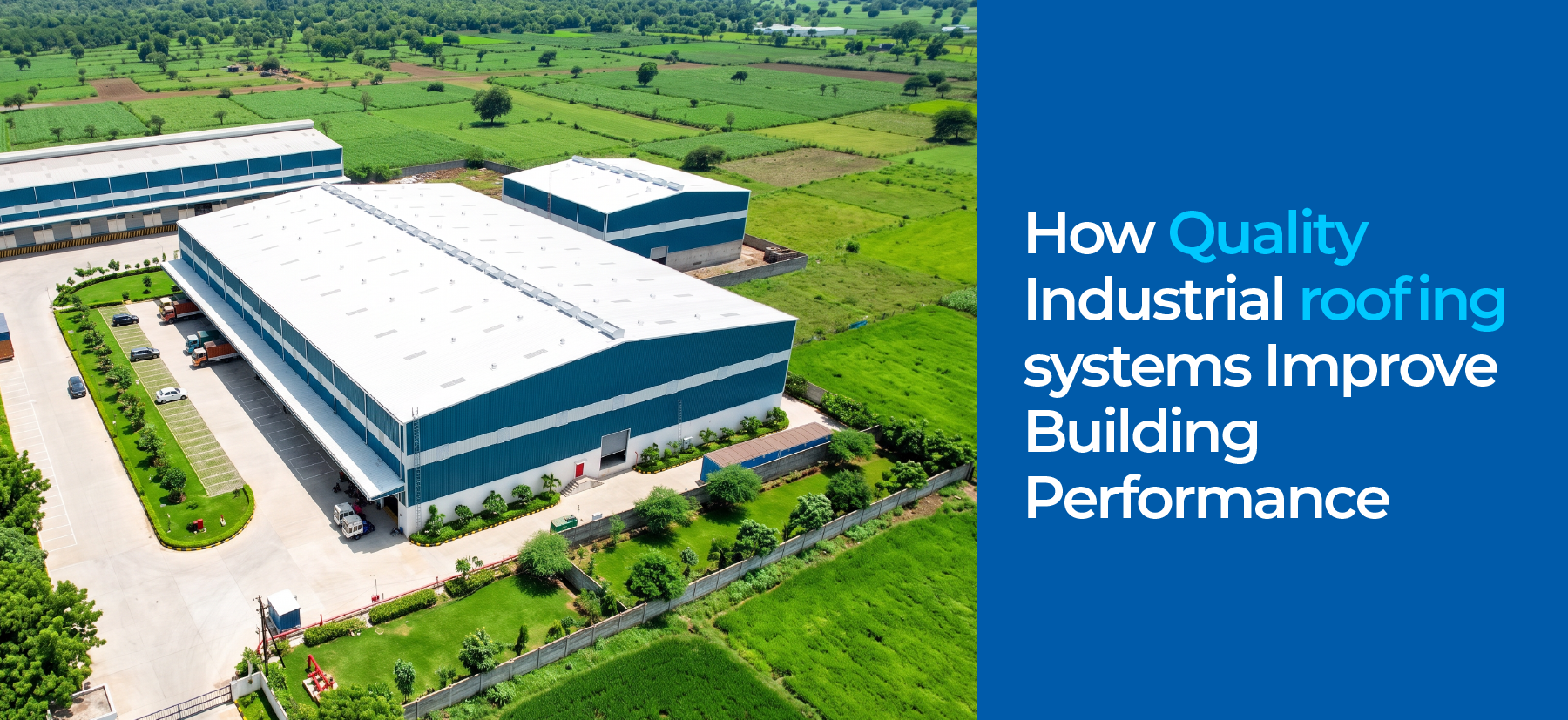
Quality roofing uses suitable sheets, strong fasteners, proper slopes and sealed joints. These parts work together to keep water outside and reduce damage. When Industrial roofing systems are designed for local weather they provide stronger protection and lower the risk of sudden repair work.
Improved Indoor Temperature
Large industrial buildings can become very hot, especially during summer. Heat enters through the roof and stays trapped inside. This can make workers tired, affect product quality and increase the need for fans or cooling systems.
Insulated roofing sheets, reflective surfaces and proper ventilation can reduce heat transfer. A cooler indoor area supports a more comfortable workplace and may reduce electricity use. Industrial roofing systems can also be designed with skylights and ventilators, allowing natural light and hot air to move out safely.
Better Energy Efficiency
Energy costs are a major concern for many industries. If a roof allows too much heat inside, cooling equipment must work harder. In colder places, poor insulation may also allow indoor warmth to escape.
A quality roof helps control this movement of heat. Insulation, suitable coatings and correct installation can support a more stable indoor temperature. As a result the building may use less energy for cooling or heating. This is one reason a well built roof can offer value beyond its starting price.
Reduced Water Leakage
Roof leakage is more than a small inconvenience. Water can damage stored goods, electrical systems, machines, walls and floors. It may also create slippery areas and affect worker safety.
Leaks often begin because of loose fasteners, poor sheet overlap, blocked drainage or weak sealing around openings. A carefully installed roof reduces these risks. Regular checks are still needed but a strong design makes maintenance easier. High quality Industrial roofing systems guide rainwater away from the building through proper slopes, gutters and downpipes.
Longer Building Life
Water, heat and moisture can slowly weaken different parts of an industrial structure. Rust may develop on steel sections, while repeated leakage can damage walls and foundations. The roof acts as the first line of defence against these problems.
A durable roof protects the main frame and other building parts from direct exposure. Good coatings can also reduce corrosion and surface damage. When Industrial roofing systems are selected according to the building’s use, location and climate they help the complete structure stay useful for a longer period.
Safer Working Conditions
A reliable roof supports a safer workplace. It reduces the chance of falling sheets, water on the floor, damage from strong winds and electrical risks caused by leakage. Proper roof design also considers safe access for future inspection and maintenance.
Fire safety may also affect the choice of roofing material, insulation and coatings. Buildings that store chemicals, food, machines or other special goods may need different safety features. There is no one size fits all answer. The roof must match the actual work happening inside.
Lower Maintenance Costs
Cheap materials may seem like a good deal at first but frequent repairs can make them costly over time. Loose sheets, rust, broken seals and drainage problems may return again and again.
Quality materials and skilled installation reduce unnecessary repair work. Standard parts are also easier to inspect and replace when needed. Industrial roofing systems should include a simple maintenance plan covering gutters, joints, fasteners, coatings and roof openings. A little care at the right time can prevent a much larger problem later.
Better Support for Daily Operations
Industrial work depends on smooth and steady operations. A leaking or overheated building can slow production, damage stock and force workers to stop important tasks. Even a small roof issue can turn into a big headache when it affects machines or customer orders.
A dependable roof creates a more controlled space for storage, manufacturing and movement. It also supports better planning because businesses face fewer unexpected shutdowns. This matters greatly in warehouses, factories, workshops, cold storage units and logistics centres where every working hour counts.
Flexible Design for Different Buildings
Every industrial building has different needs. Some need wide open spans, while others require roof vents, skylights, solar panels, cranes or extra insulation. The roof should support these needs without making the design too complex.
Steel roofing can be shaped and planned for many building sizes. It may also allow future changes when a business expands. Industrial roofing systems can include different sheet profiles, coatings, insulation levels and drainage options. Careful planning helps the roof work well today while staying ready for future demands.
Conclusion
Quality Industrial roofing systems improve weather protection, indoor comfort, energy control, safety and the long term strength of an industrial building.
The right roof also reduces leakage, repair work and interruptions to daily operations.
A good design should match the site, climate, building use and future plans.
Proper materials, skilled installation and regular maintenance can further improve performance while helping businesses save money and protect their investment for many years.
The businesses who are seeking for a reliable roof cladding system can work with Willus Infrastructure to create practical, durable and well planned roofing solutions for industrial projects.